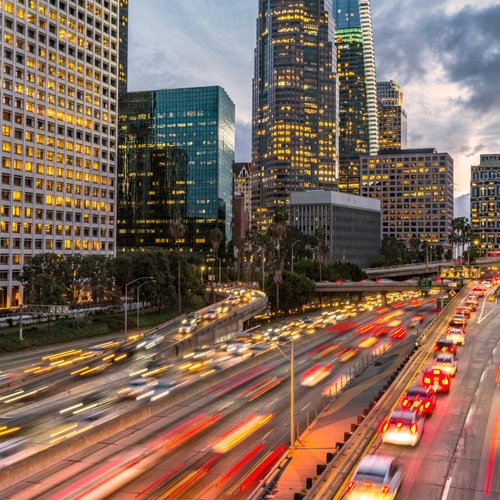
Private car transfers in Mecca
Discover private car transfers around Mecca, Saudi Arabia, and explore the region in comfort with a friendly English-speaking driver.
Most popular routes from Mecca
See more of Saudi Arabia in a day, from popular sites to quiet corners, all with ease and comfort.
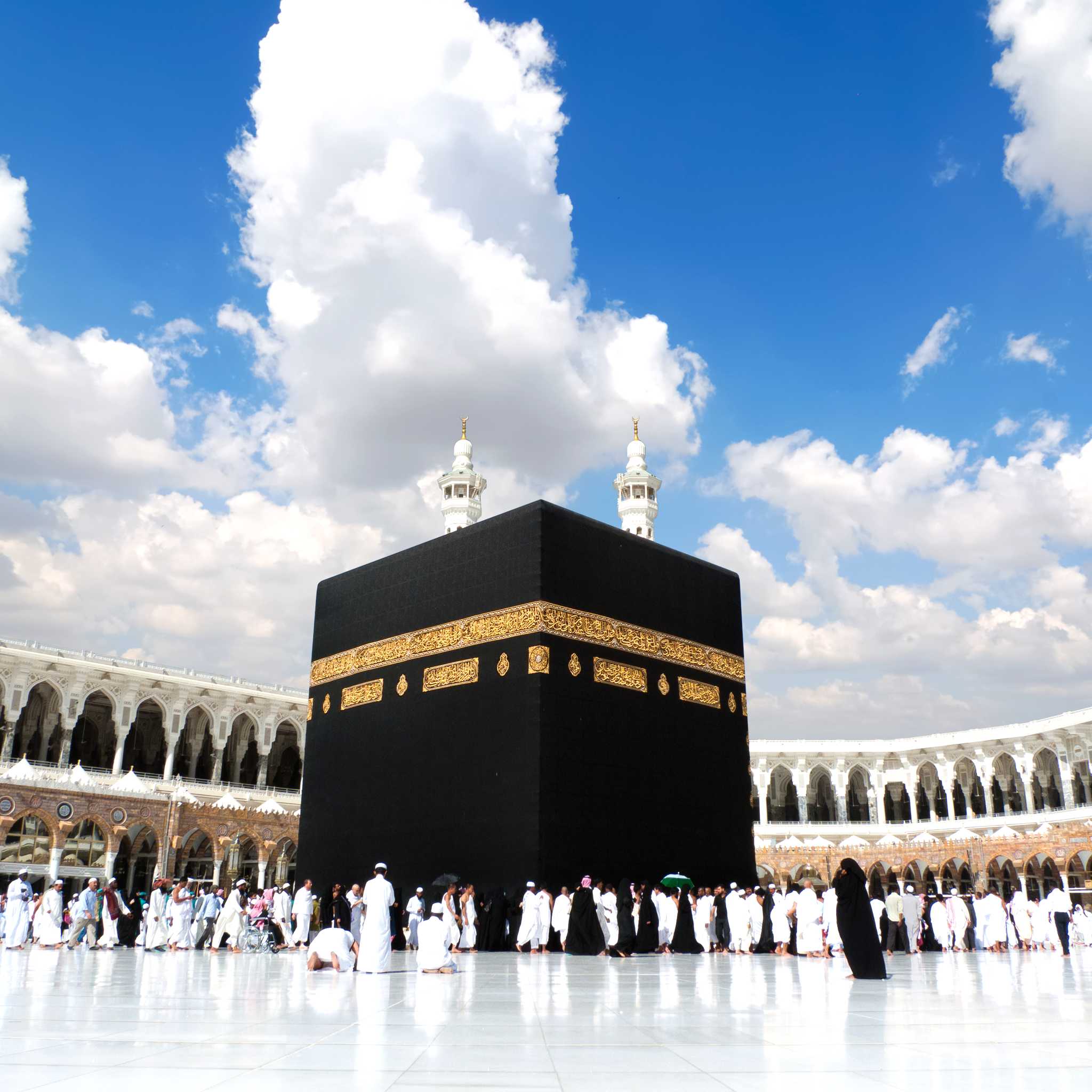
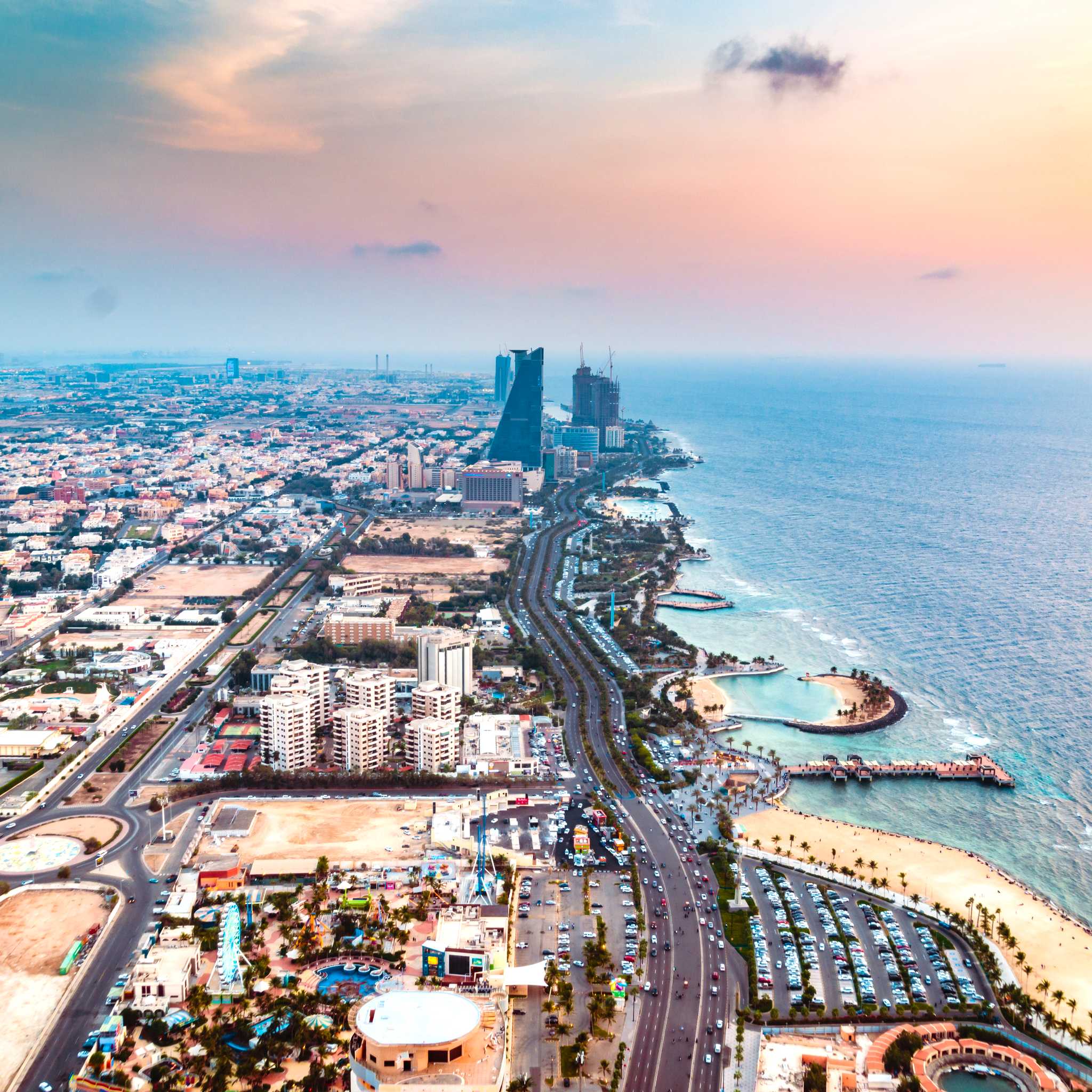
Mecca to King Abdulaziz International Airport
114km (70.8mi)
From US$95
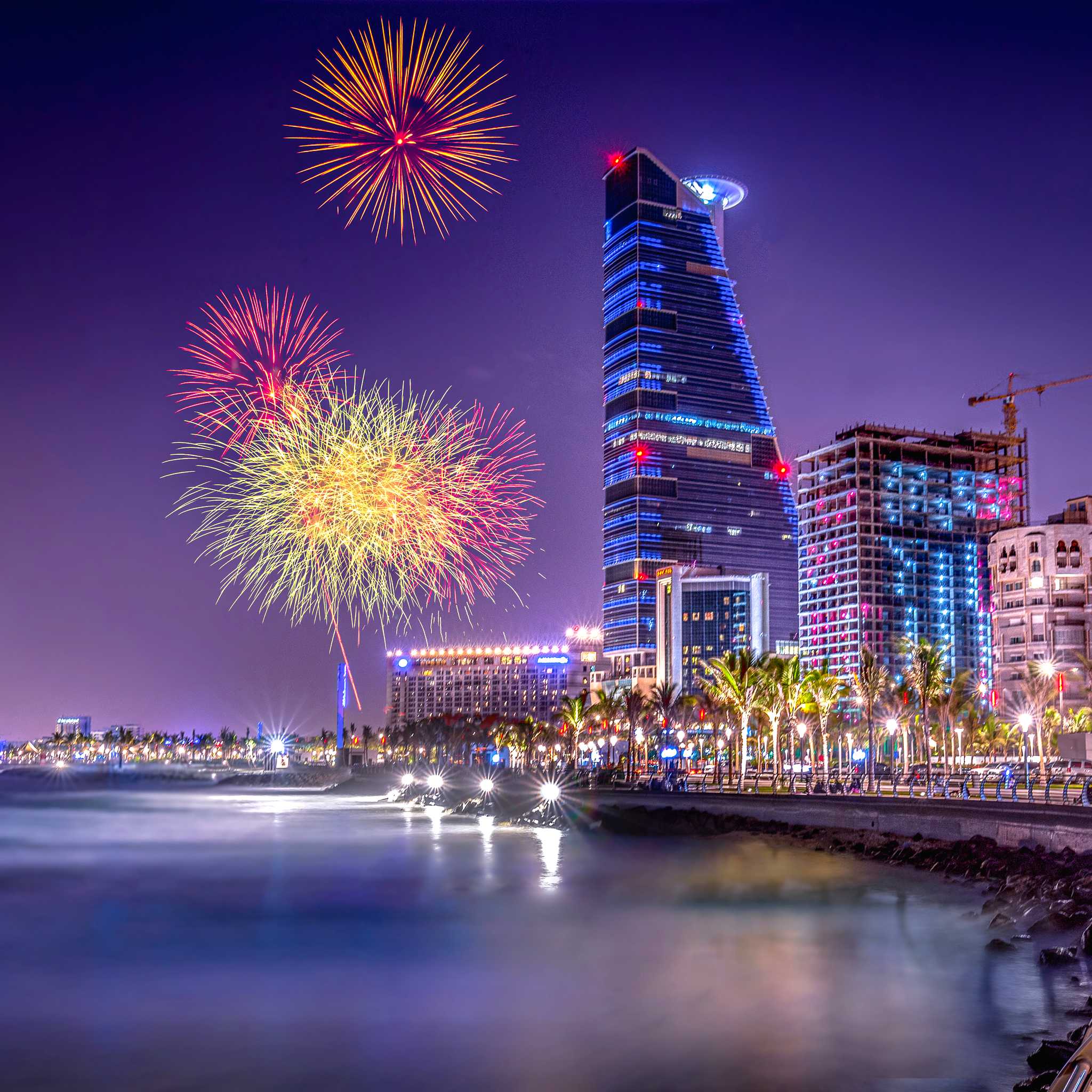
Mecca to Jeddah
82km (51.0mi)
From US$69
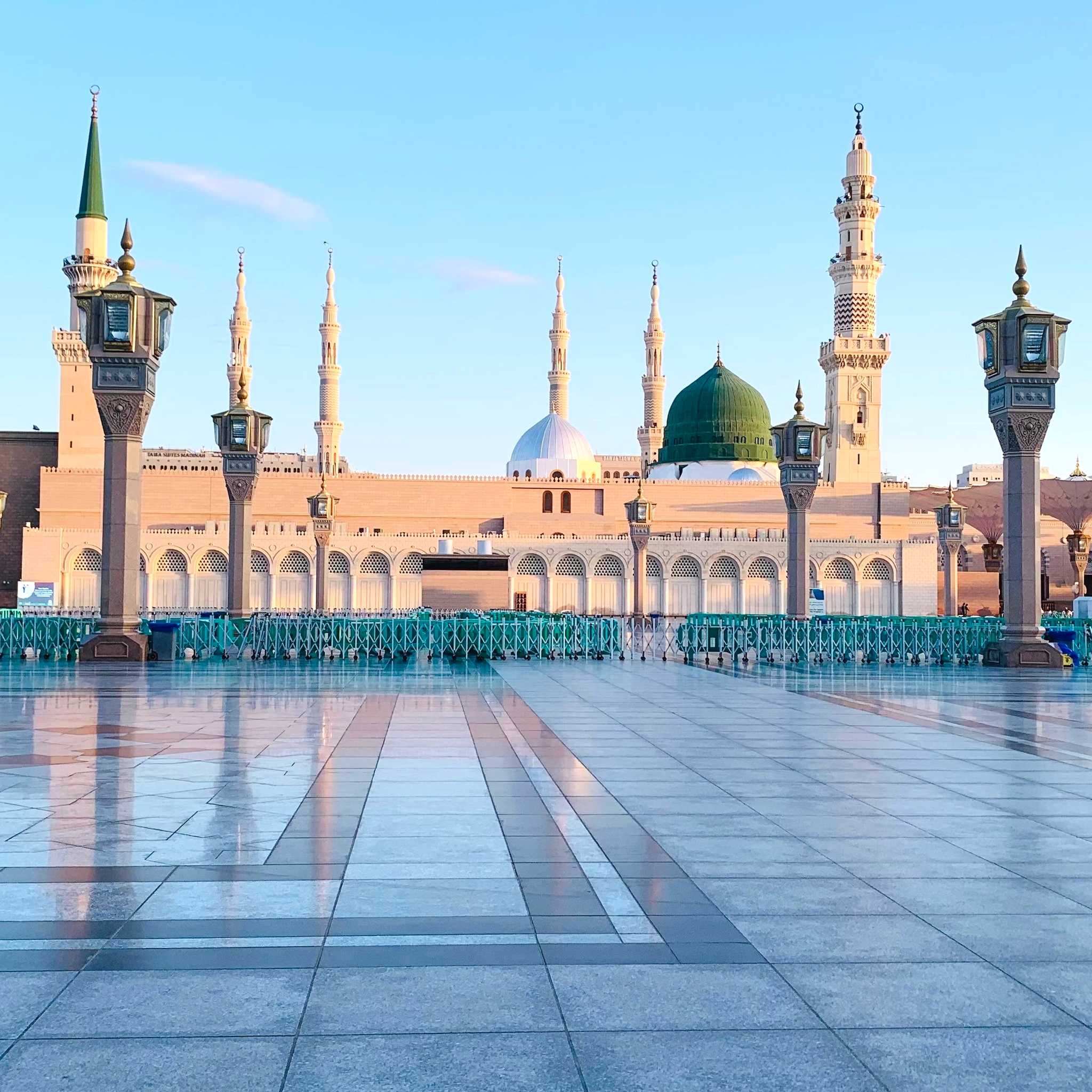
Mecca to Medina
454km (282.1mi)
From US$330

Mecca to Riyadh
867km (538.7mi)
From US$622
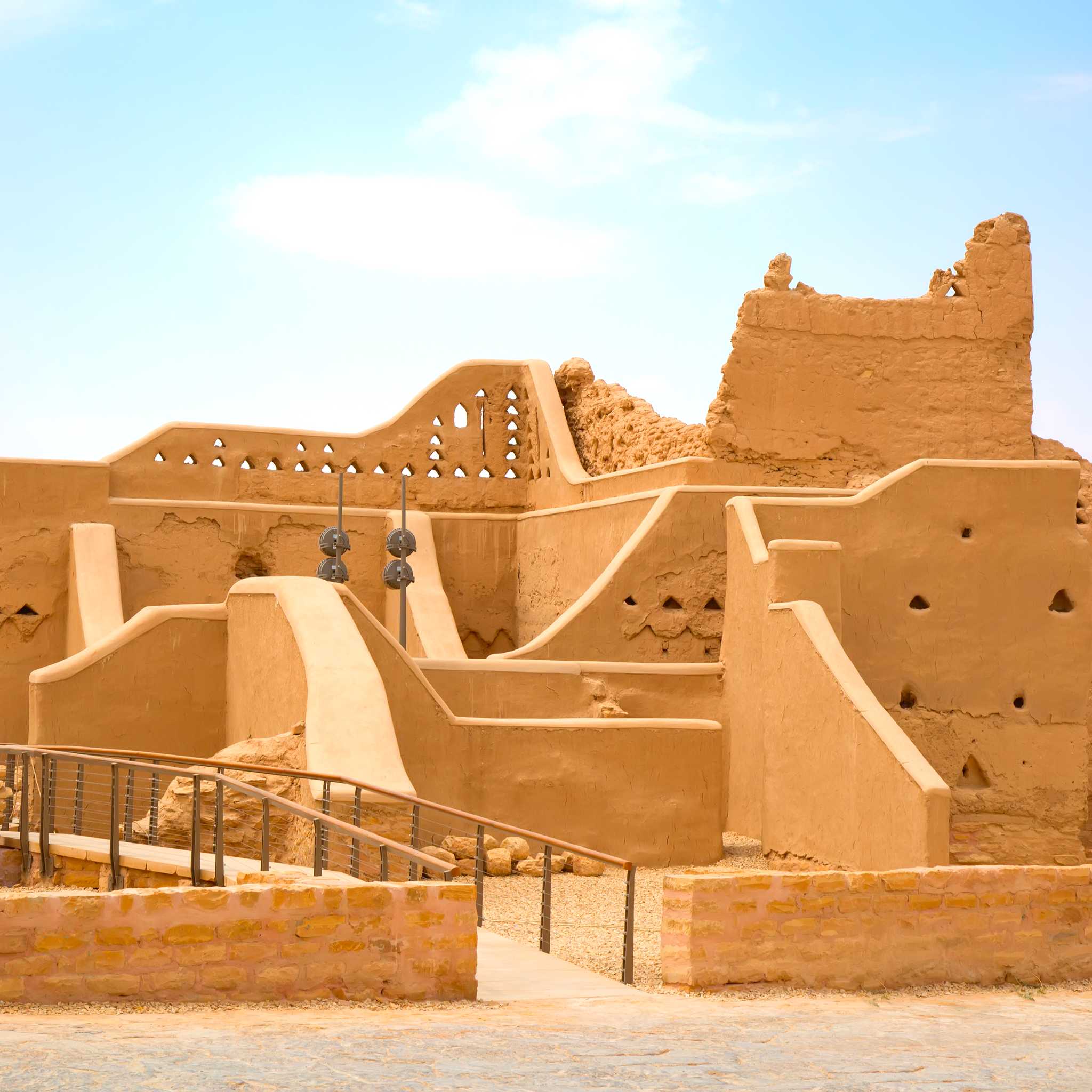
Mecca to King Khalid International Airport
903km (561.1mi)
From US$655
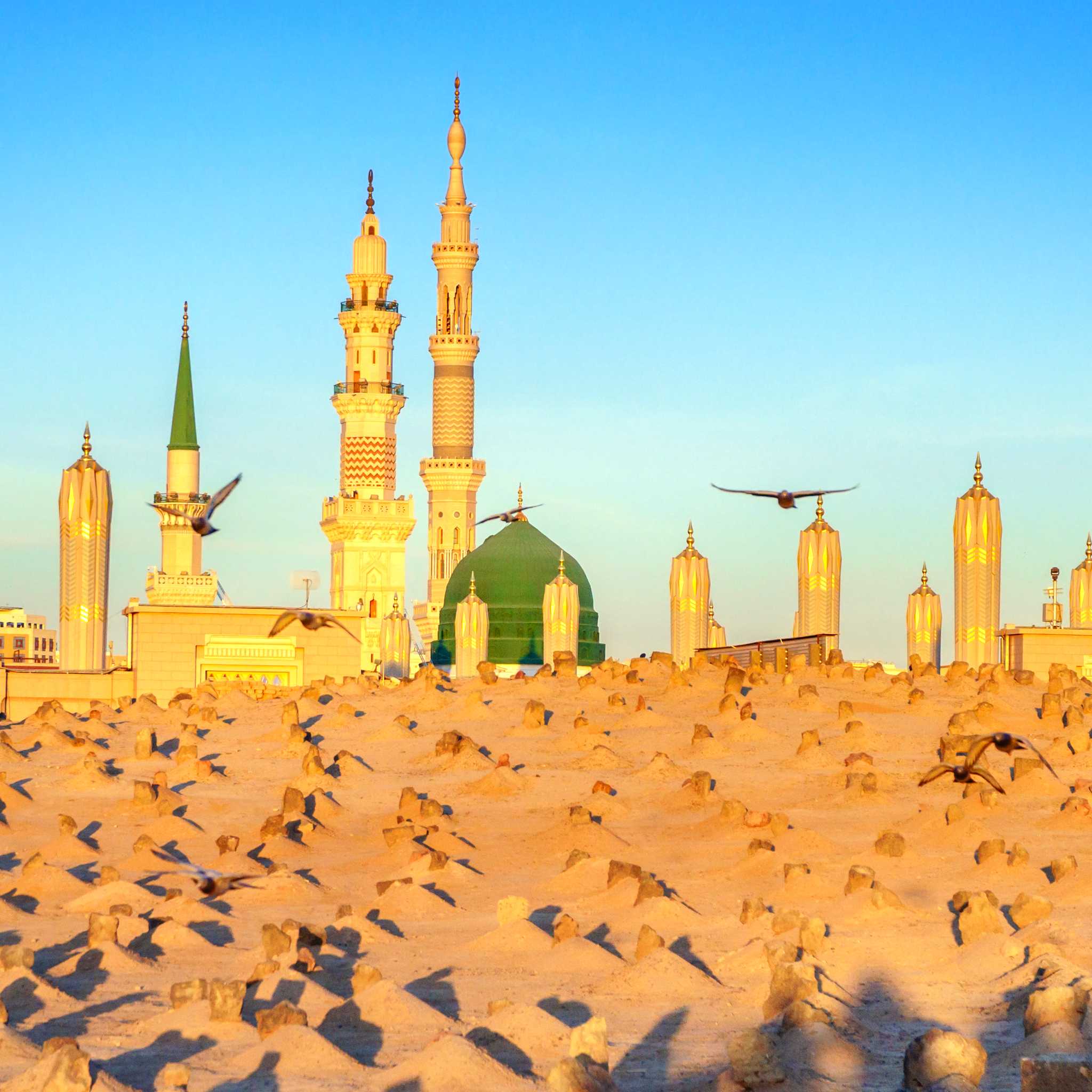
Mecca to Prince Mohammed Bin Abdulaziz International Airport
466km (289.6mi)
From US$340
Most popular routes to Mecca
See more of Saudi Arabia in a day, from popular sites to quiet corners, all with ease and comfort.
King Abdulaziz International Airport to Mecca
114km (70.8mi)
From US$95
Jeddah to Mecca
82km (51.0mi)
From US$69
Medina to Mecca
454km (282.1mi)
From US$330
King Khalid International Airport to Mecca
903km (561.1mi)
From US$655
Prince Mohammed Bin Abdulaziz International Airport to Mecca
466km (289.6mi)
From US$340
Riyadh to Mecca
867km (538.7mi)
From US$622
Trusted in 130+ destinations worldwide
Operating all over the world means we know the best ways, everywhere.
24/7 support you can count on
With Daytrip, you are never alone. Get the help you need, anytime, anywhere.
Local experts behind the wheel
Our English-speaking drivers are vetted professionals who are experts in routes, local tips, and safety.
Flexibility to customize your trip
Personalize your trip to see exactly what you want, when you want.
Safety and confidence, all the way
Discover new places with peace of mind, knowing you are safe, comfortable, and on time.
Last minute trips, easy bookings
Book today, travel tomorrow. Your next trip is ready when you are.
Go anywhere. Daytrip app makes it easy.
Book intercity transfers, explore amazing stops, and travel with ease in the Daytrip app.
Scan the QR code, download the app, and start exploring!