Mombasa is generally safe for visitors who take standard precautions, particularly in busy markets and at night. Avoid displaying valuables, use registered taxis or ride apps, and keep an eye on personal belongings. Beach resort areas are well patrolled and feel relaxed. Stay informed about current travel advisories and stick to popular destinations such as Diani, Watamu, and the historic Old Town.
Tipping is appreciated and is part of the service economy in Kenya. Restaurants typically include a service charge of 10 percent; if not, leaving 10 percent is customary. Safari guides, drivers, and hotel staff often receive tips at the end of a service, with amounts varying by experience. A few hundred shillings for porters and housekeeping is a kind gesture in Mombasa hotels.
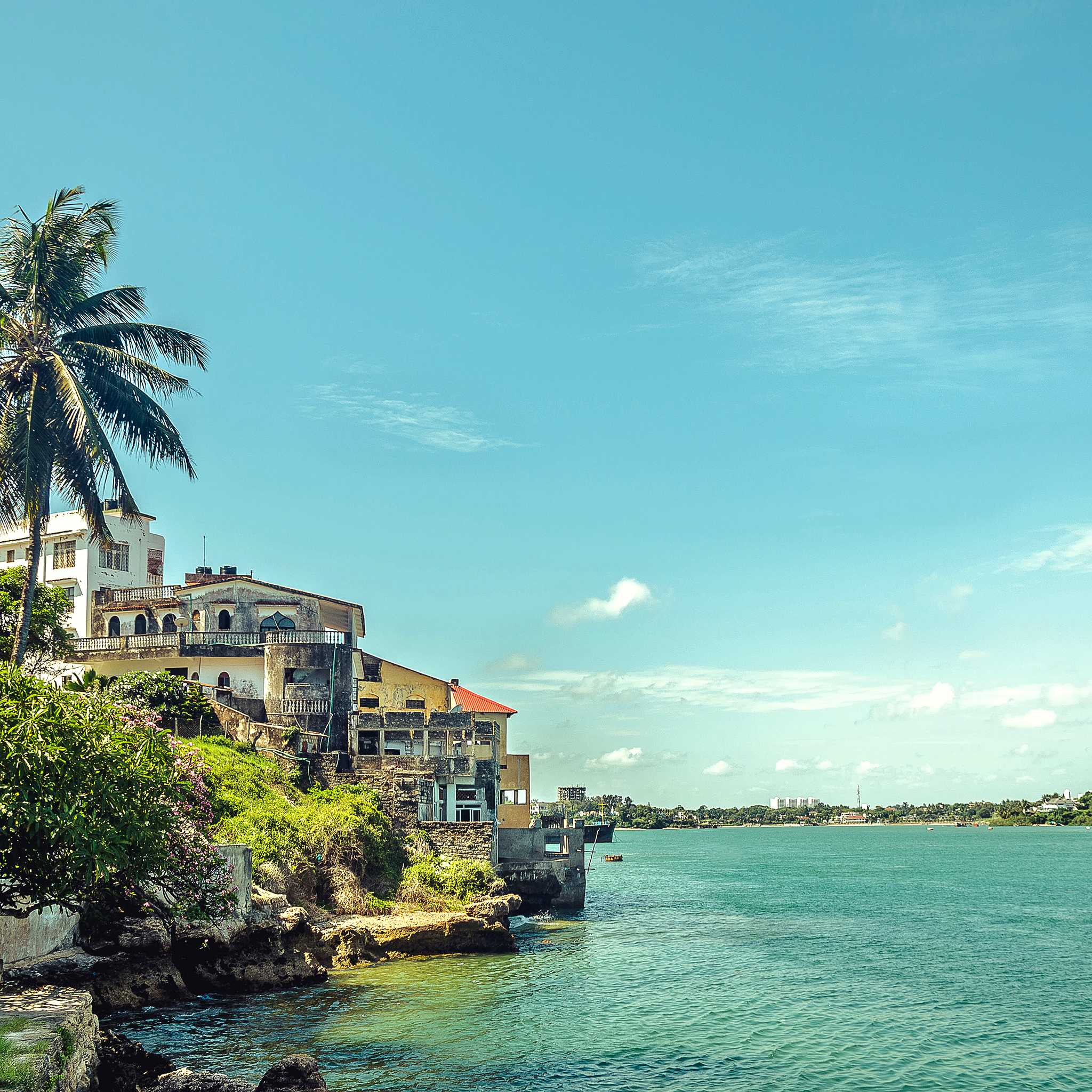
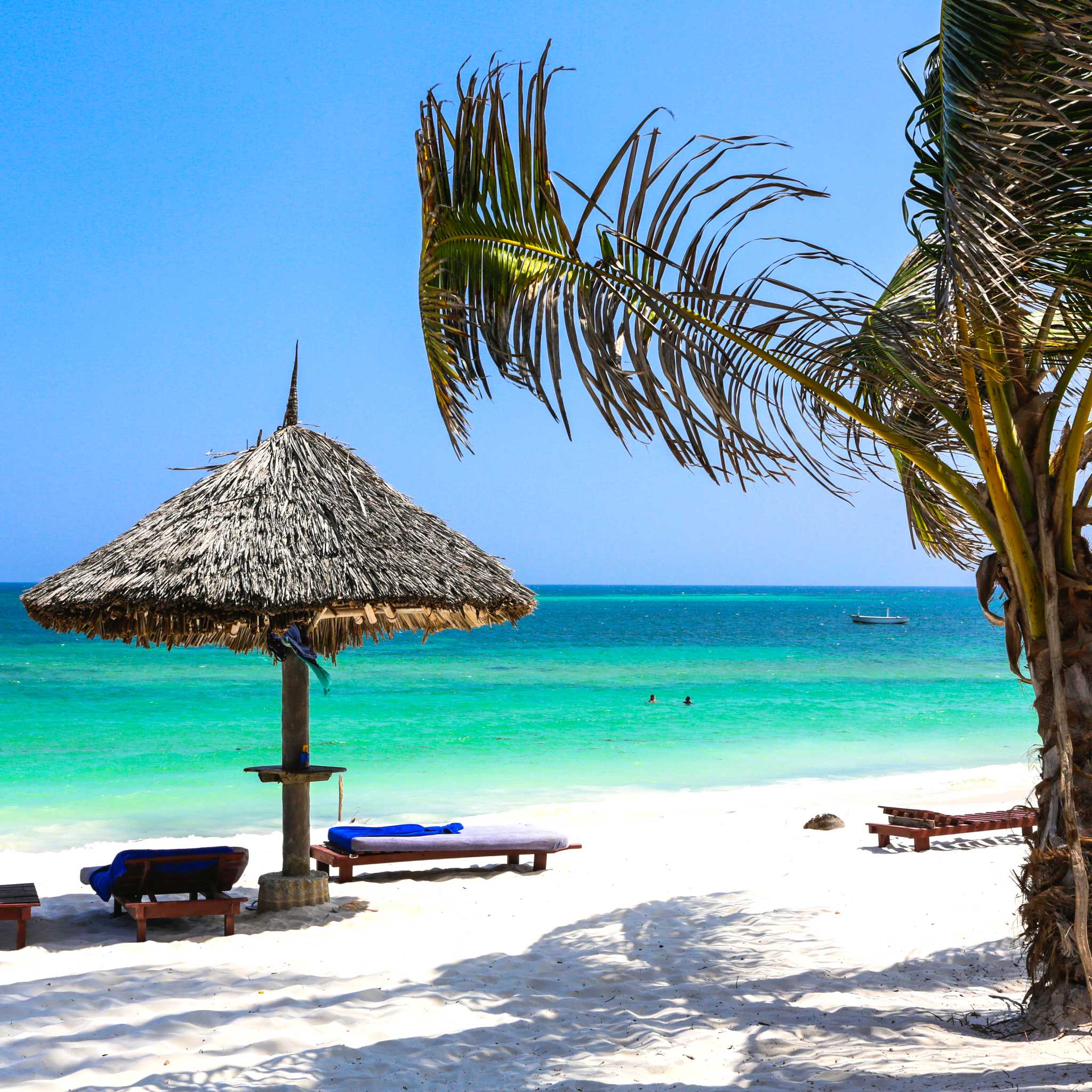
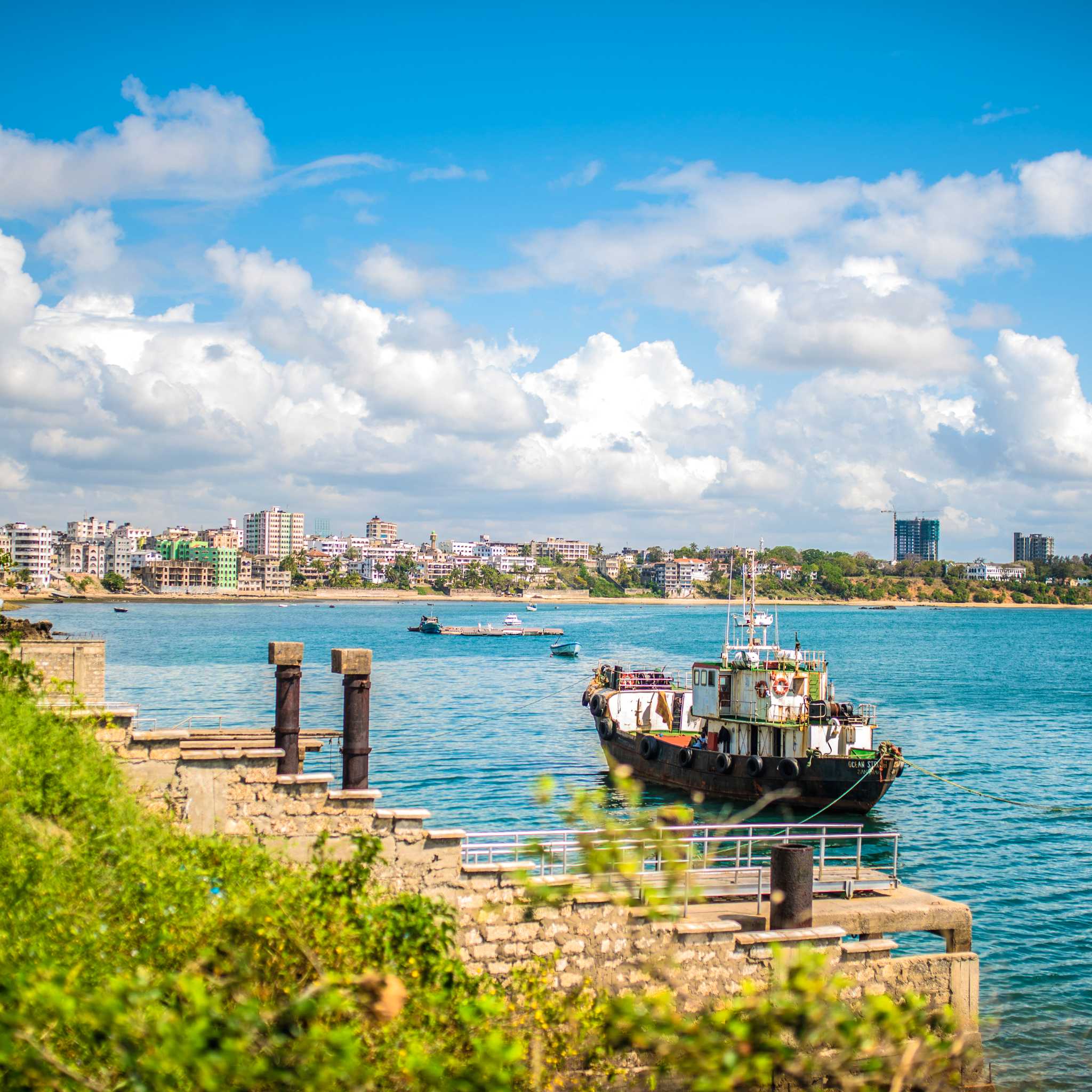
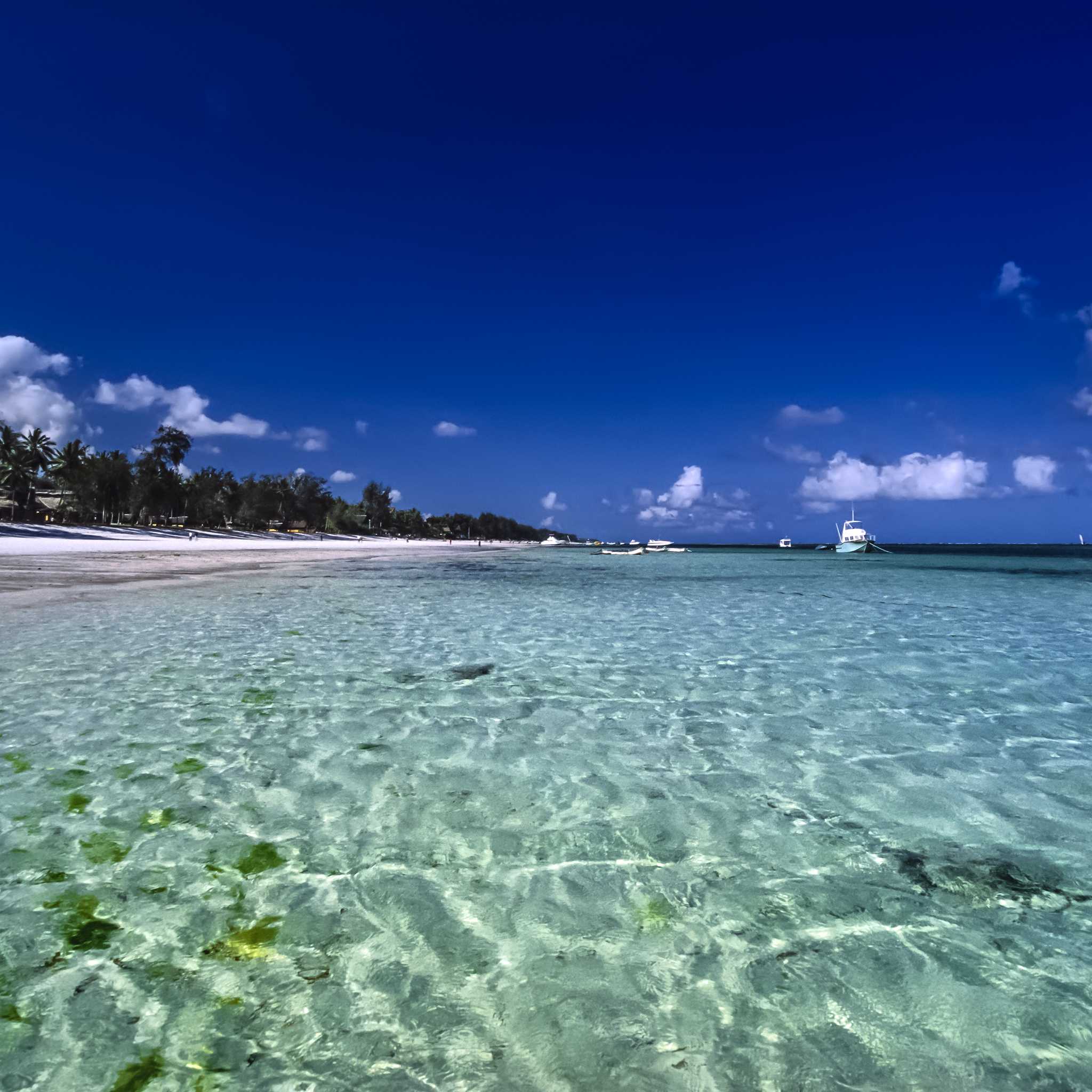
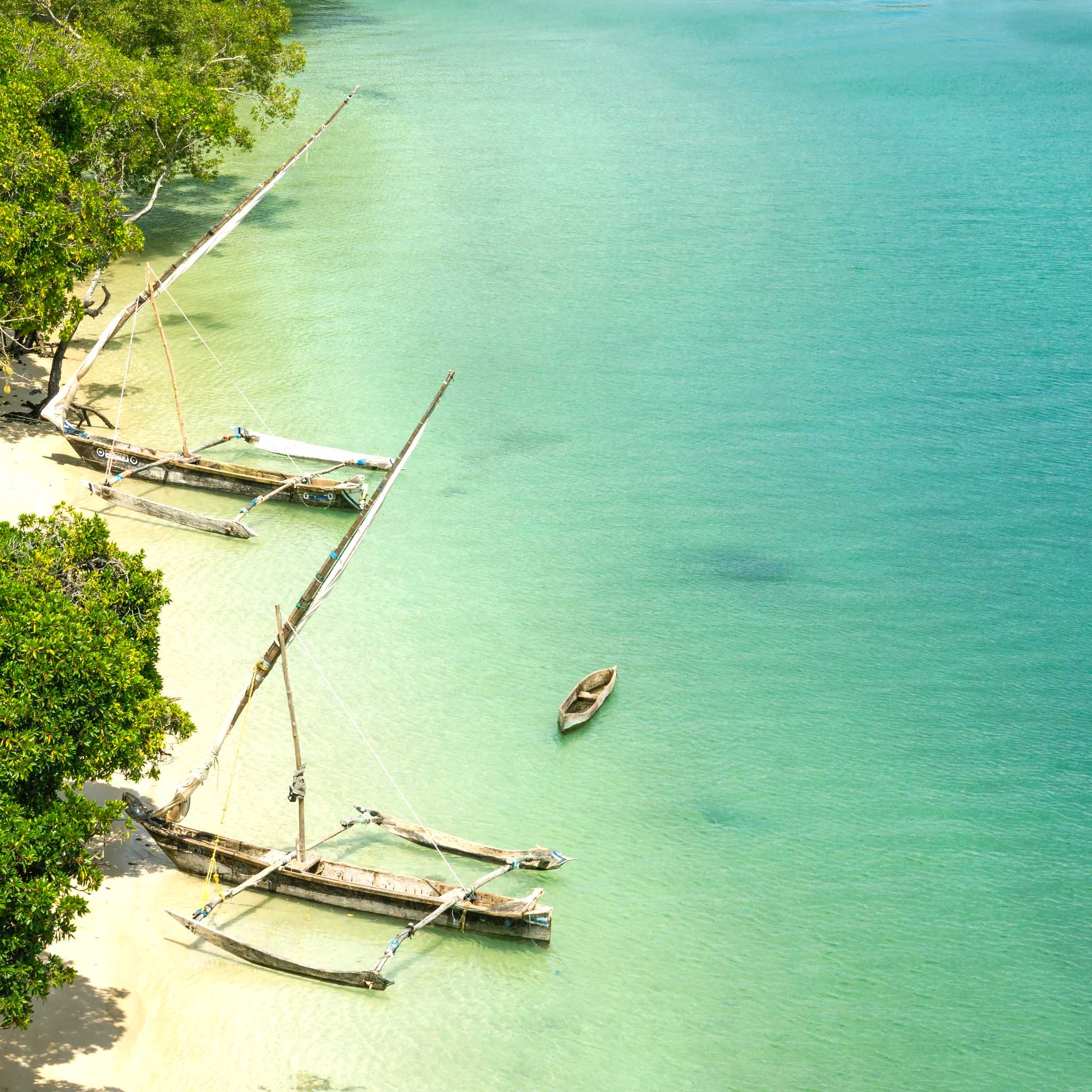
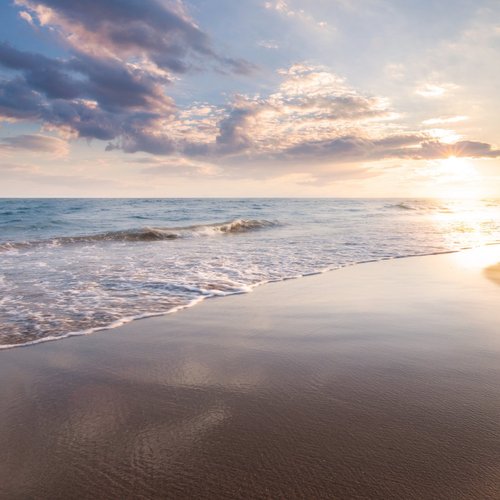
Must-see sights include UNESCO-listed Fort Jesus, a 16th century Portuguese stronghold guarding the harbor, and the narrow lanes of Mombasa Old Town with its Swahili and Arab architecture. The lively Spice Market and Mackinnon Market are sensory adventures. Beyond the city, the white sand beaches of Nyali, Bamburi, and Diani draw beach lovers, while Haller Park offers wildlife viewing close to town.
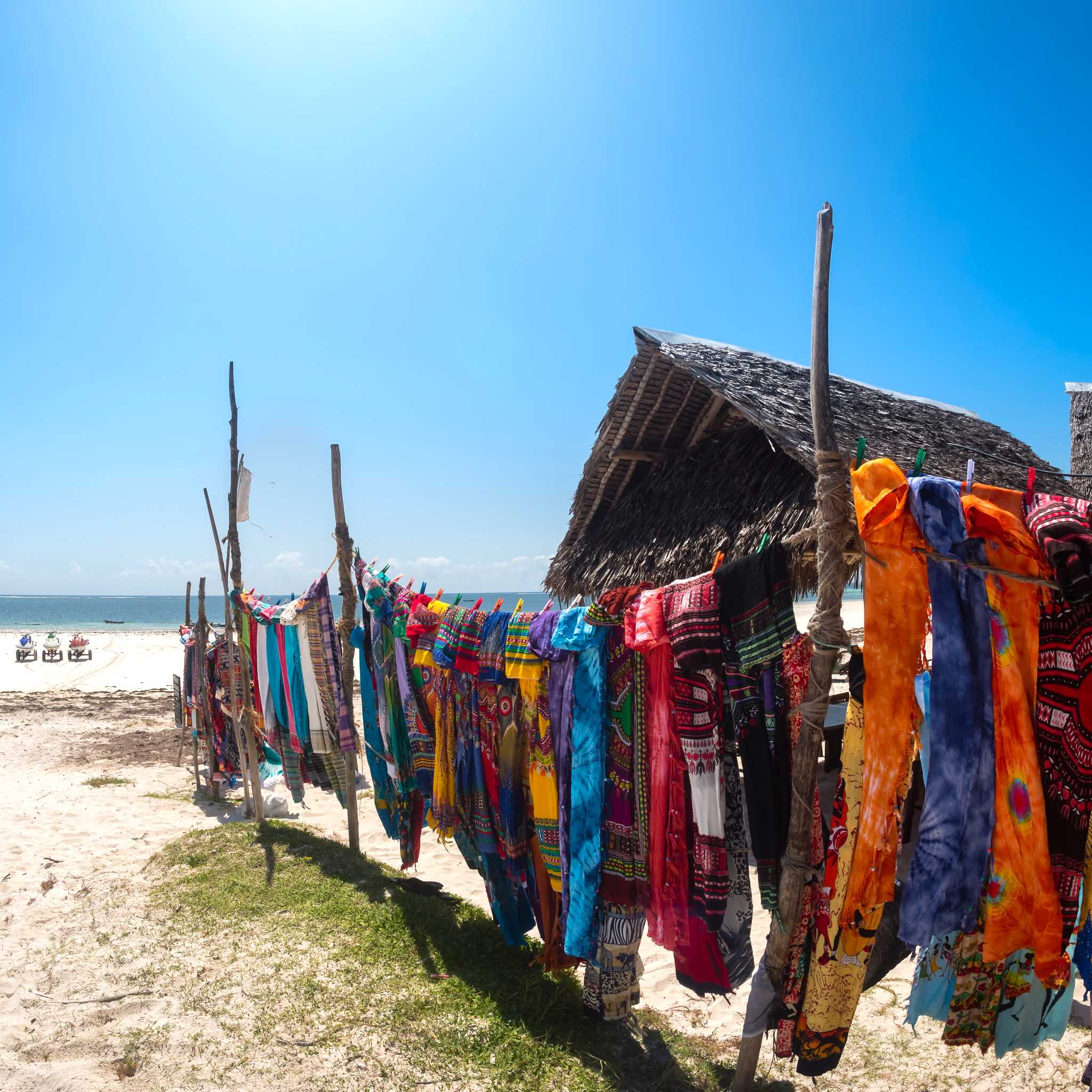
Kenya uses the Kenyan shilling (KES). In Mombasa, ATMs are common in the city center and in major hotels and resorts. Cards are accepted at upmarket hotels, restaurants, and supermarkets, but cash is essential for markets, small eateries, and tipping. US dollars are sometimes accepted at tourism sites and lodges, but local currency is preferred for everyday purchases and small vendors.
Swahili and English are both official languages of Kenya. In Mombasa, Swahili is the everyday language of the streets, markets, and homes, and many people in tourism, hotels, and restaurants speak fluent English. Learning a few Swahili greetings is warmly received and is a fun part of the experience.
Madaraka Day on June 1, Mashujaa Day on October 20, and Jamhuri Day on December 12 celebrate key moments in Kenyan independence with parades and gatherings. The Lamu Cultural Festival in November, just up the coast from Mombasa, brings dhow races, Swahili poetry, and traditional dance. Eid al-Fitr and Eid al-Adha are also important on the predominantly Muslim coast, with festive food and family celebrations.
Swahili cuisine reflects centuries of trade across the Indian Ocean. Try pilau (spiced rice with meat), biryani, and coconut-rich fish curries. Sample mahamri (cardamom-scented doughnuts) for breakfast, and street snacks like mishkaki (grilled meat skewers) and viazi karai (fried potato fritters). Fresh tropical fruits, sugarcane juice, and madafu (drinking coconut) are perfect refreshments along the coast.
The dry seasons from January to March and July to October are the best times to visit, offering sunny weather, warm seas, and excellent beach conditions. The long rains from April to June can disrupt outdoor plans, while short rains in November and December are usually brief. Coastal humidity stays high year round, so light, breathable clothing is recommended.