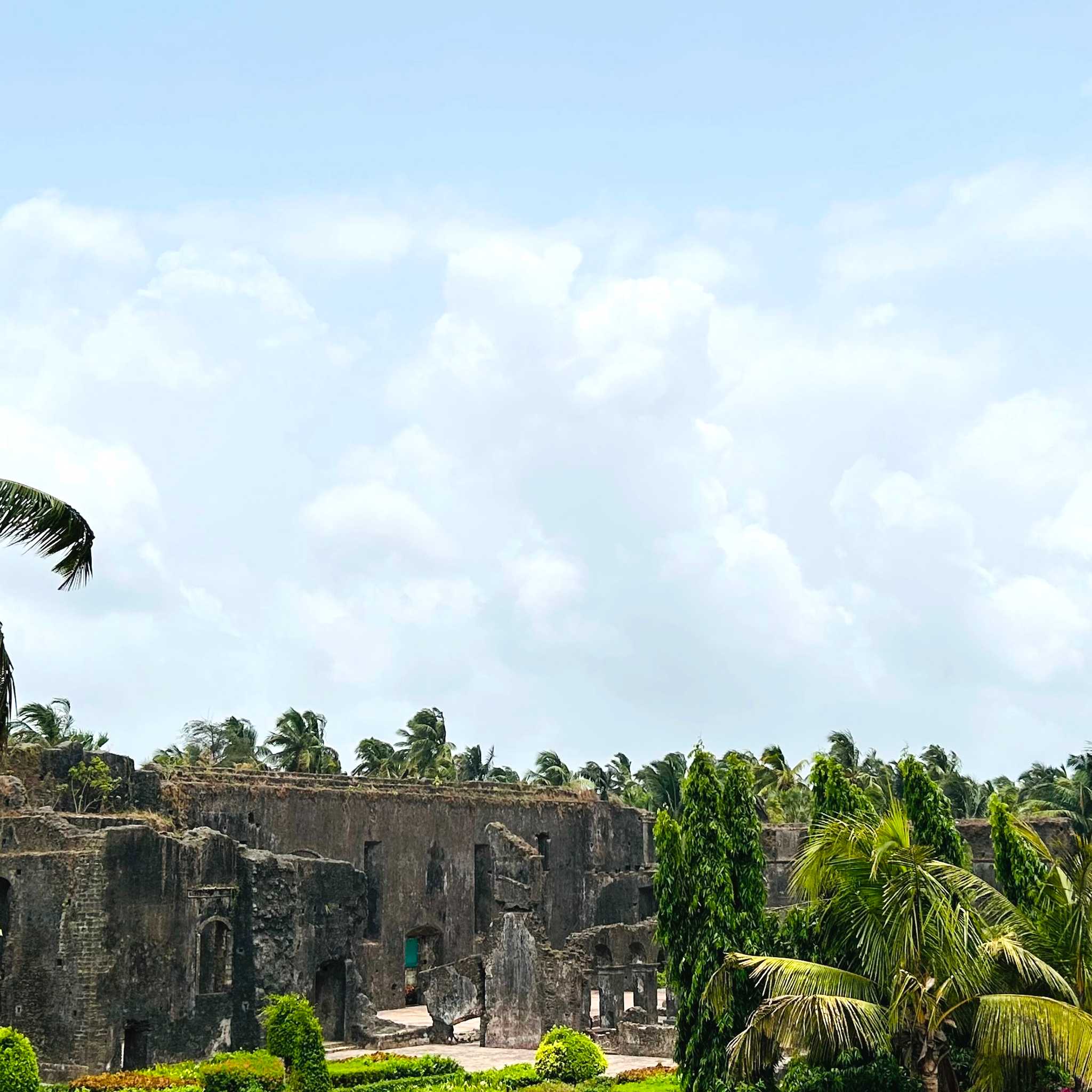
Yes. The caves are a UNESCO World Heritage Site carved into rock on an island in Mumbai Harbour, with sculptures dedicated to Shiva dating back well over a thousand years. The island sits roughly 10 km (6 miles) from the Gateway of India and is reached by ferry, with the crossing taking around an hour each way. Ferries generally pause during the monsoon season when the sea gets rough, so this stop fits best outside those months.
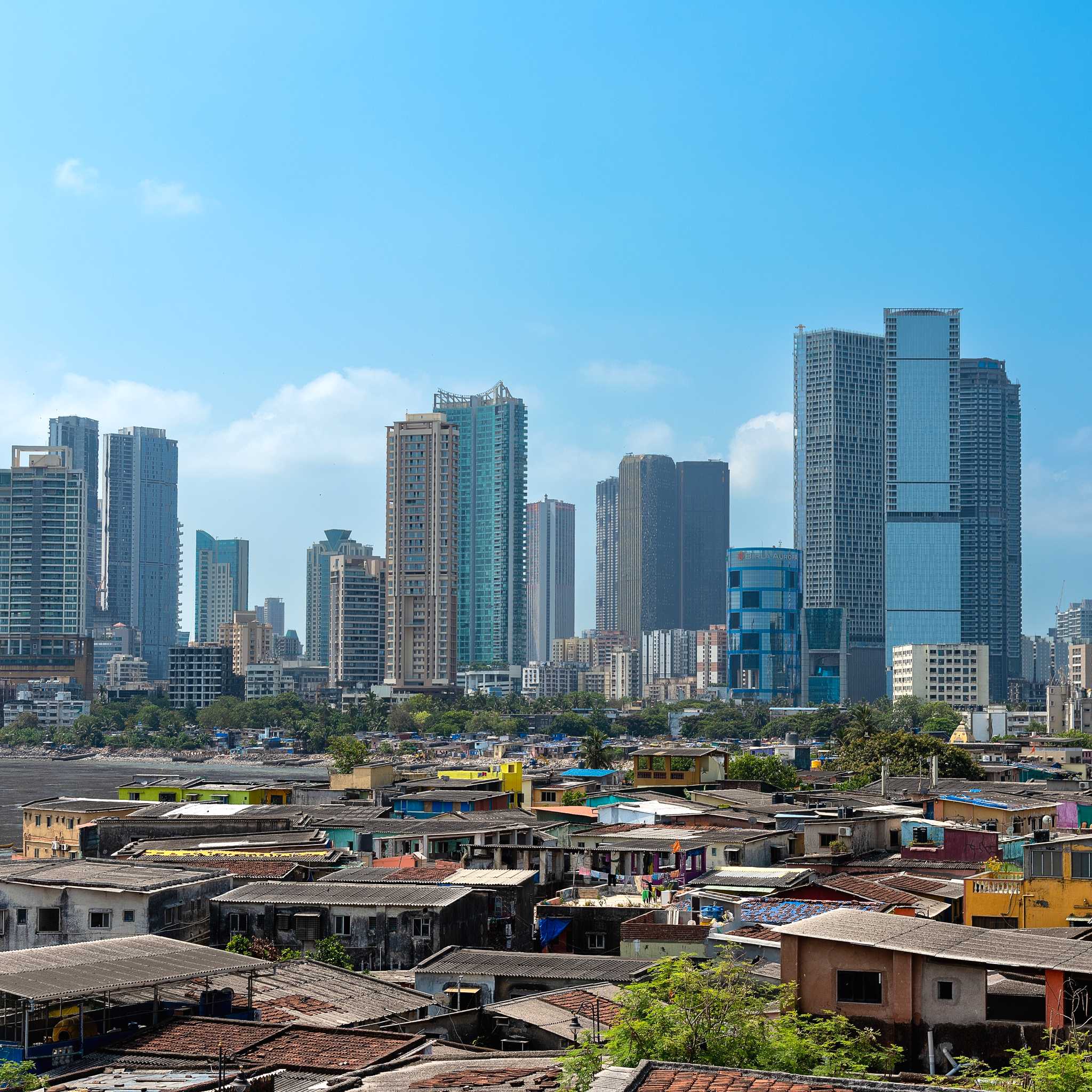
Areas like the Mahalaxmi Dhobi Ghat, a large open-air laundry where clothes are washed by hand in long rows of concrete pens, and Dharavi, a dense neighborhood known for small-scale leather, pottery, and recycling industries, offer a look at the working city behind the monuments. These are real, functioning communities, so visiting thoughtfully — ideally with a guide familiar with the area — makes for a more informative and respectful stop.
A half day covers the core landmarks — Gateway of India, CST, and Colaba — at a relaxed pace with room for photos and a meal. Add Marine Drive or a ferry crossing to Elephanta Caves and a full day works better, especially once you account for Mumbai's dense traffic between stops.
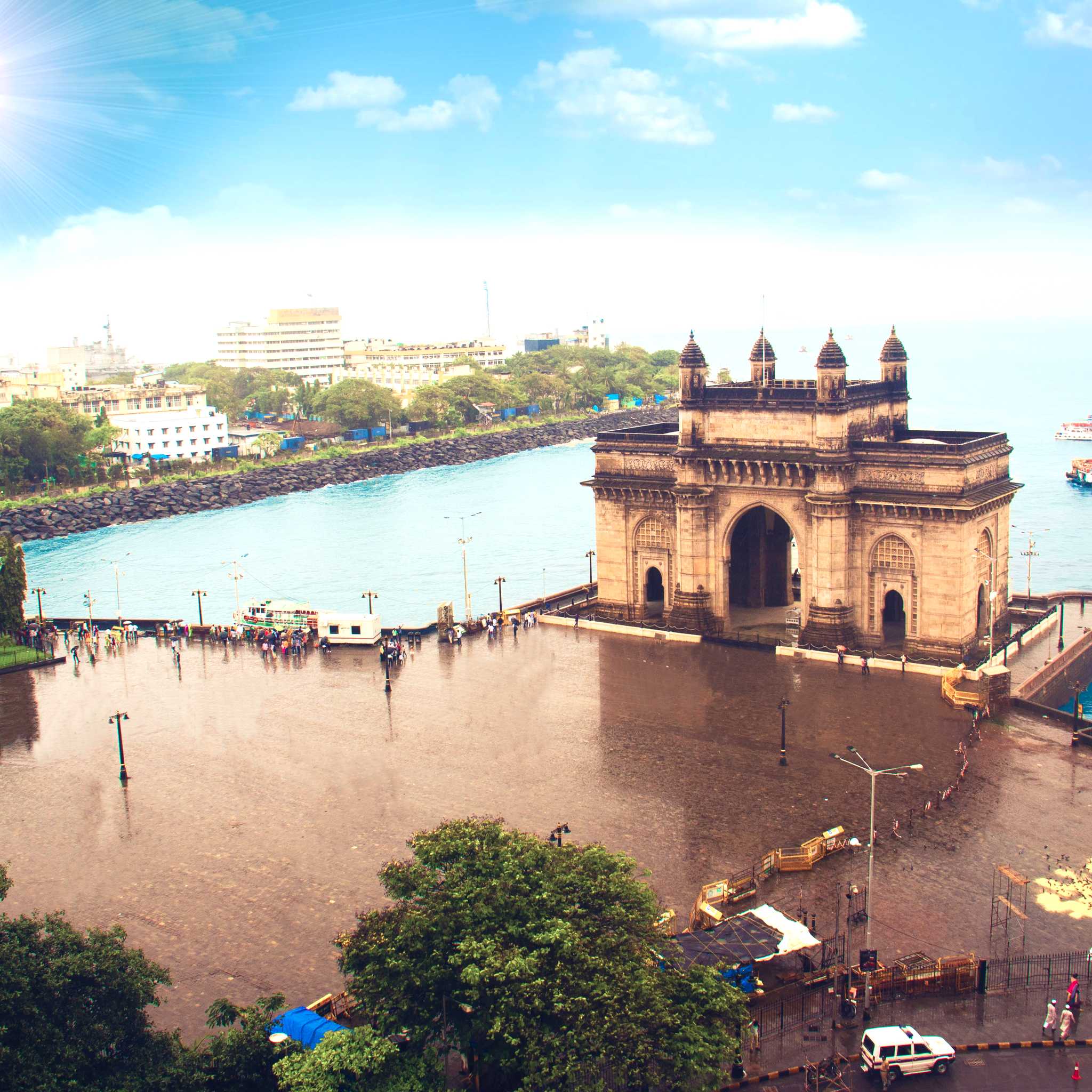
Central Mumbai packs centuries of history into a compact, walkable stretch. Highlights include the Gateway of India overlooking the harbor, the Victorian Gothic Chhatrapati Shivaji Maharaj Terminus (a UNESCO World Heritage Site and still a working railway station), the seafront promenade at Marine Drive, and the shops and cafes of Colaba. Most sit close enough together to combine easily in one visit.
Marine Drive is a sweeping curve of seafront promenade along the Arabian Sea, lined with Art Deco buildings and known locally as the Queen's Necklace for how its streetlights trace the bay after dark. It's less a single sight than a place to slow down and take in one of Mumbai's most recognizable views.
Mumbai's traffic can be unpredictable and its train network confusing for first-time visitors. A private driver handles the navigation, so you move between the Gateway of India, CST, Marine Drive, and other stops on your own schedule instead of waiting on trains or negotiating fares at each leg. It also leaves you free to add or drop a stop on the fly, without rebuilding the whole itinerary.