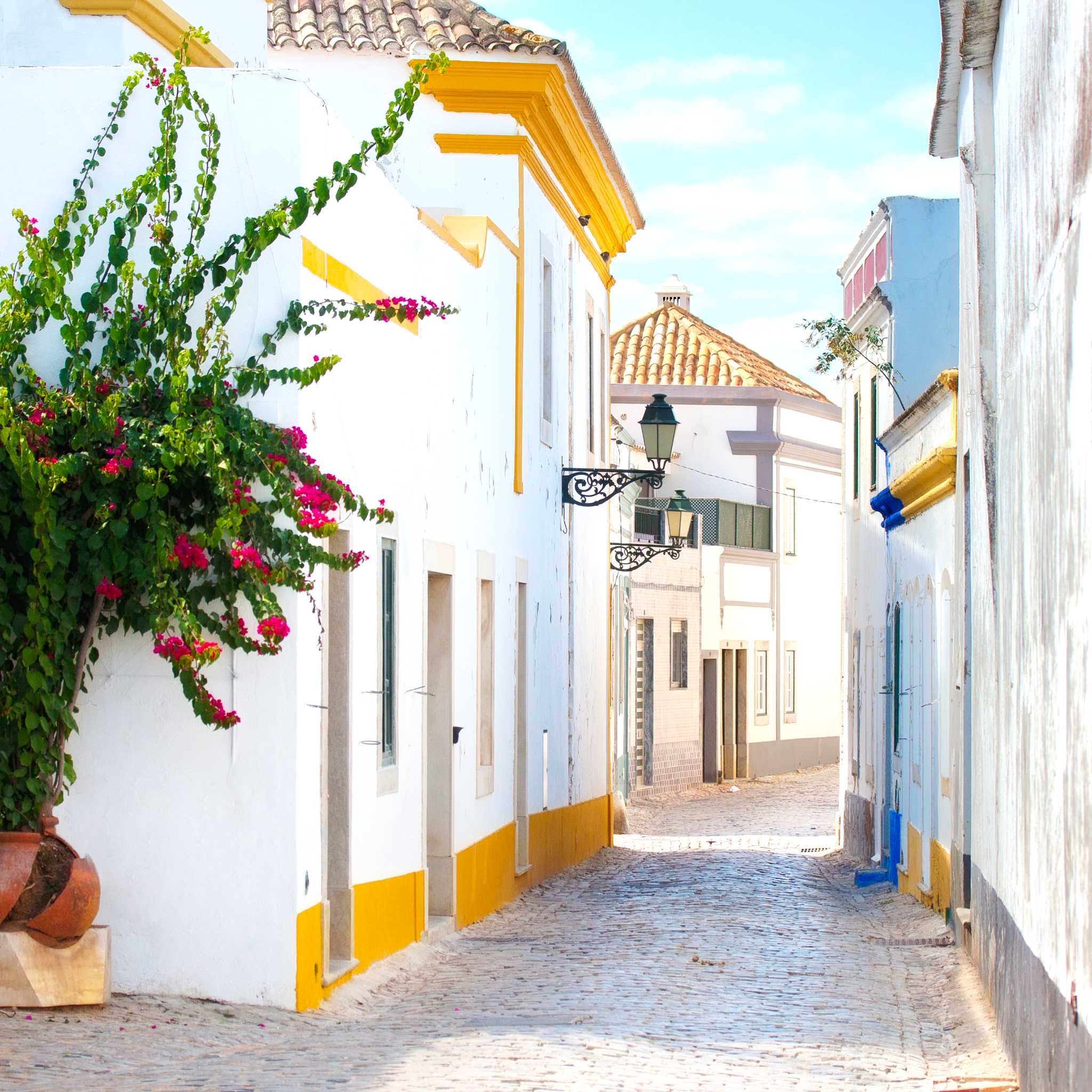
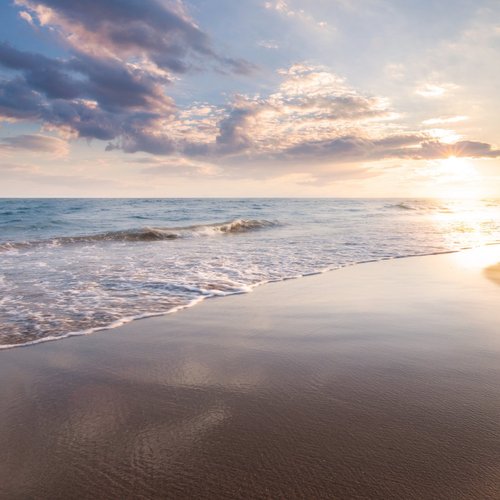
Odemira town center is fairly compact and walkable, but it has some sloping, cobbled streets near the river that can be bumpy for strollers and wheelchairs. The surrounding area is rural, with wild beaches, dunes and nature trails that are uneven and often involve sand or steps. A car is the easiest way to reach the scattered villages, beaches and viewpoints.
Portugal is regularly ranked among the safest countries in Europe, and Odemira is a quiet, friendly rural area where crime is rare. You can explore the town and villages comfortably. As anywhere, keep an eye on valuables at popular beaches in summer. On the coast, take care with strong Atlantic currents and cliff edges. Families and solo travelers tend to feel very relaxed here.
Tipping is appreciated but not obligatory in Portugal. Service is not always included, so rounding up the bill or leaving around 5 to 10 percent for good restaurant service is a kind gesture. For coffees, drinks or quick bites, leaving small change is perfectly fine. Tipping is usually done in cash, even when paying the bill by card, so keep some coins handy.
Odemira is all about nature and the outdoors. Hike or cycle the famous Rota Vicentina trails, including the coastal Fishermen's Trail, and discover wild beaches like Zambujeira do Mar and Almograve. Visit the dramatic Cabo Sardao lighthouse, where storks nest on the cliffs, relax by the Santa Clara dam, and wander Odemira's quiet riverside streets and traditional Alentejo villages.
Portugal uses the euro (EUR). In and around Odemira, larger shops, restaurants and hotels accept cards, and contactless payment is common, but smaller cafes, village stores and markets may prefer cash. ATMs are available in Odemira town, though they can be sparse in the more rural villages, so it is wise to carry some cash when exploring the countryside and coast.
Portuguese is the official language. In the Alentejo, which is less internationally visited than the Algarve, English is spoken at hotels and many restaurants but is less widespread in small rural villages. Learning a few Portuguese phrases is appreciated, and the warm, welcoming locals will happily help you find your way around.
Alentejo cuisine is hearty and rustic. Try pork and clam dishes, bread-based acorda soups, and slow-cooked stews seasoned with local herbs. Along the coast, fresh fish and seafood are excellent, including the prized goose barnacles. Pair your meal with a robust Alentejo wine and finish with regional sweets. Local cheeses and cured meats also make a delicious, simple lunch.
Spring and early autumn are wonderful times to visit Odemira, with warm, comfortable weather ideal for hiking and exploring beaches without the summer crowds. July and August are the warmest and busiest months, especially along the coast. Winters are mild but cooler, and quieter still. For wildflowers and birdwatching, including nesting white storks on the cliffs, spring is especially rewarding.