Yes. The valley has natural thermal springs feeding public bathing pools (balnearios), where warm, mineral-rich water is a relaxing way to break up a day of sightseeing. They pair well with a stop at the valley viewpoint or a coffee farm for a mix of scenery and downtime.
Orosi sits about 35 km (22 miles) southeast of San José and roughly 25 km (16 miles) from Cartago. A private transfer handles the winding valley roads directly and lets you link several stops, from the church to the hot springs to a viewpoint, without depending on limited rural bus routes.
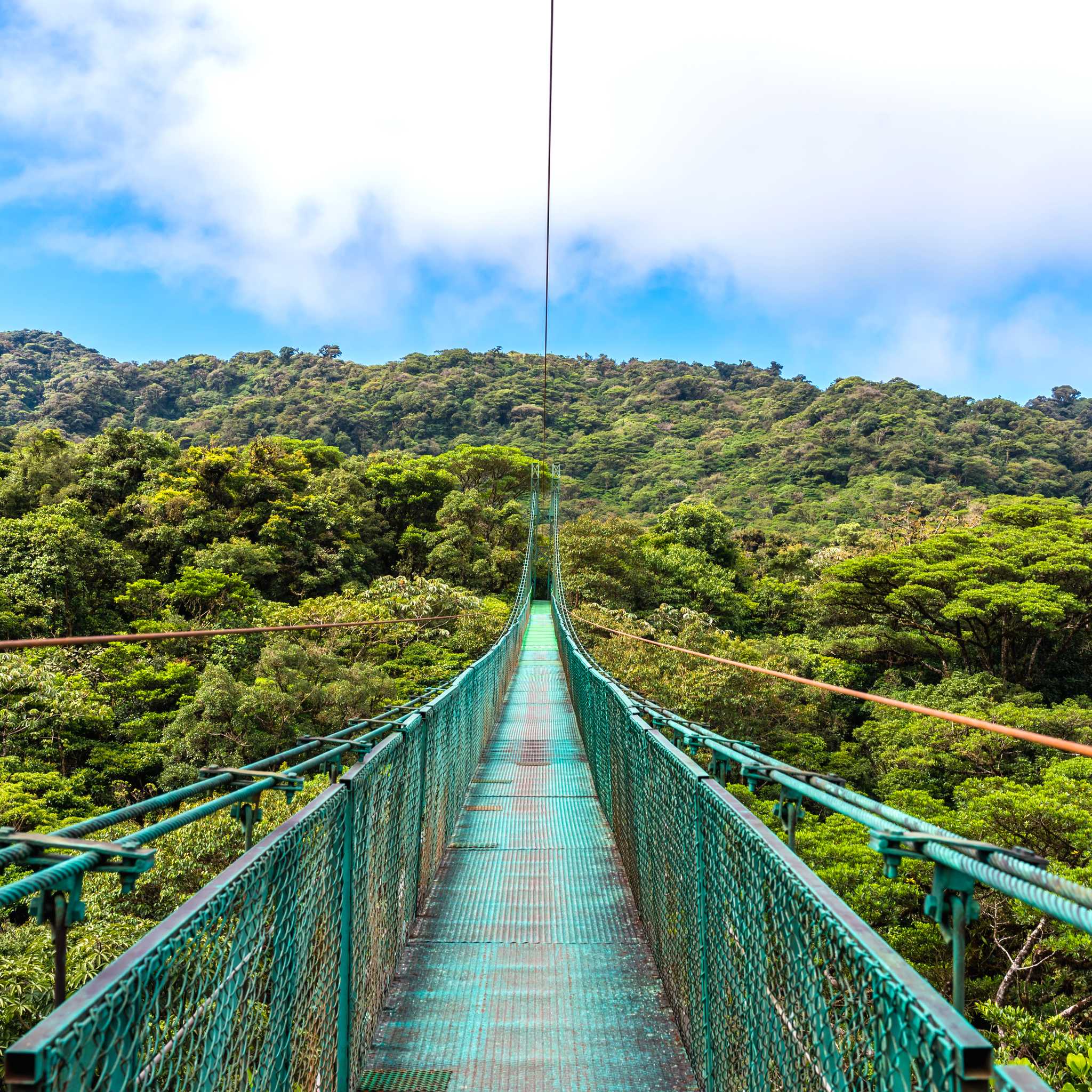
If you enjoy nature, yes. Tapantí National Park, at the head of the valley, protects dense, misty rainforest laced with rivers and waterfalls, and it's one of the wettest, most biodiverse reserves in the country. Short trails make it accessible even on a day trip for a taste of primary rainforest.
The Orosi mirador offers a sweeping panorama over the valley's coffee terraces and the river winding below, a classic photo stop. Near Cartago, the Lankester Botanical Gardens are renowned for their orchid collection, an easy add-on for anyone interested in the region's remarkable plant life.
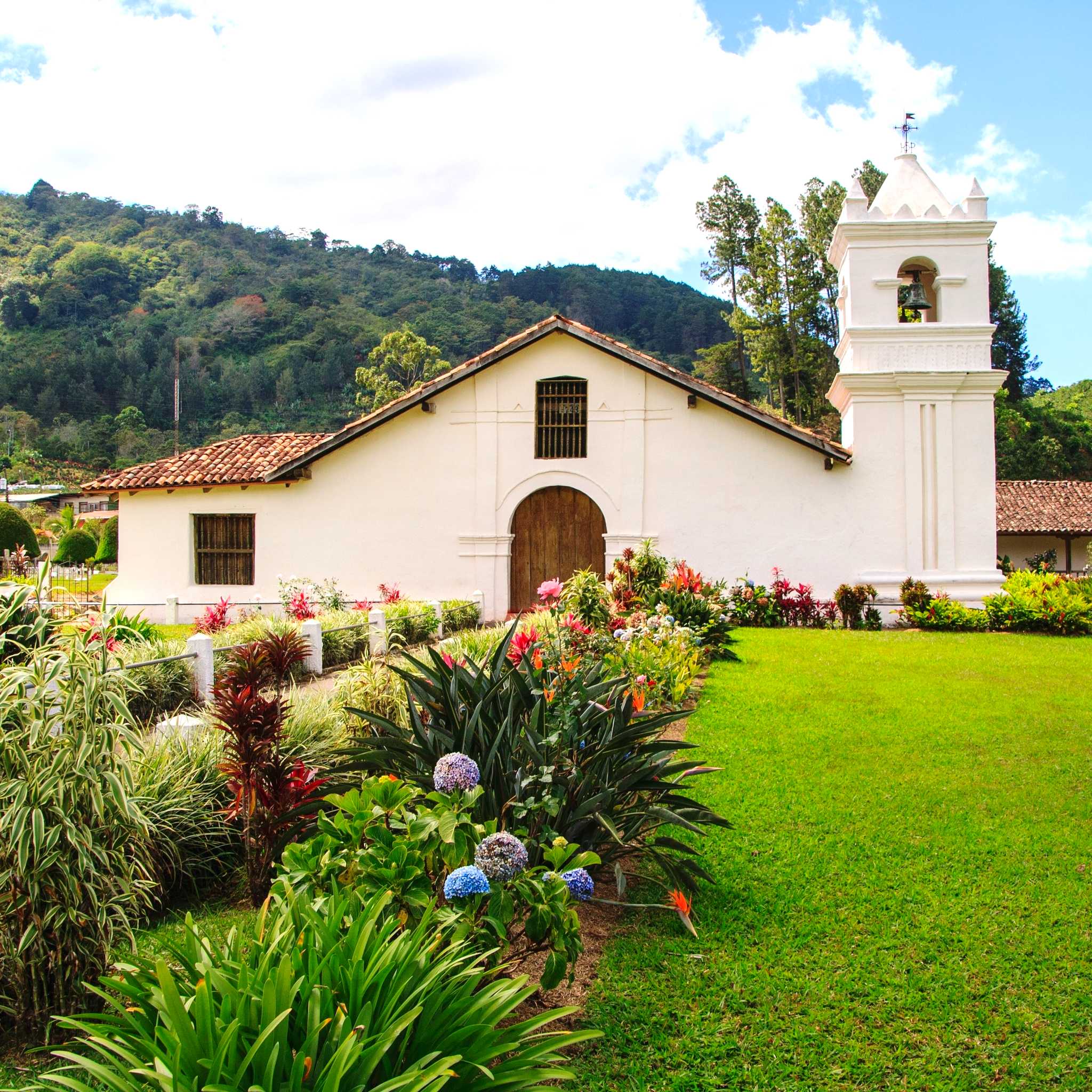
The Iglesia de San José de Orosi, built by Franciscan missionaries in the 1740s, is believed to be the oldest church still in use in Costa Rica. Its low adobe walls and wooden-beamed interior survived where many colonial buildings did not, and a small attached museum displays religious art and artifacts from the era.
The Orosi Valley is one of Costa Rica's greenest and most scenic corners, a patchwork of coffee farms, forested hills, and a winding river, all within easy reach of San José. It combines colonial history, natural hot springs, and rainforest without the long drives to the coast, making it a relaxed, rewarding day among the mountains of Cartago province.