Otranto's historic center is compact and best explored on foot, but the cobblestone streets and uneven stone surfaces throughout the old town can be challenging for strollers and wheelchair users. The waterfront promenade and some wider streets are more accessible. A car is very useful for reaching the beaches and natural areas outside of the town center.
Tipping is not mandatory in Italy, and service charges are often included in the bill as "coperto." That said, leaving a small amount, such as a euro or two per person, for good service at a restaurant is appreciated. Rounding up the bill at a bar or cafe is a common and perfectly acceptable gesture.
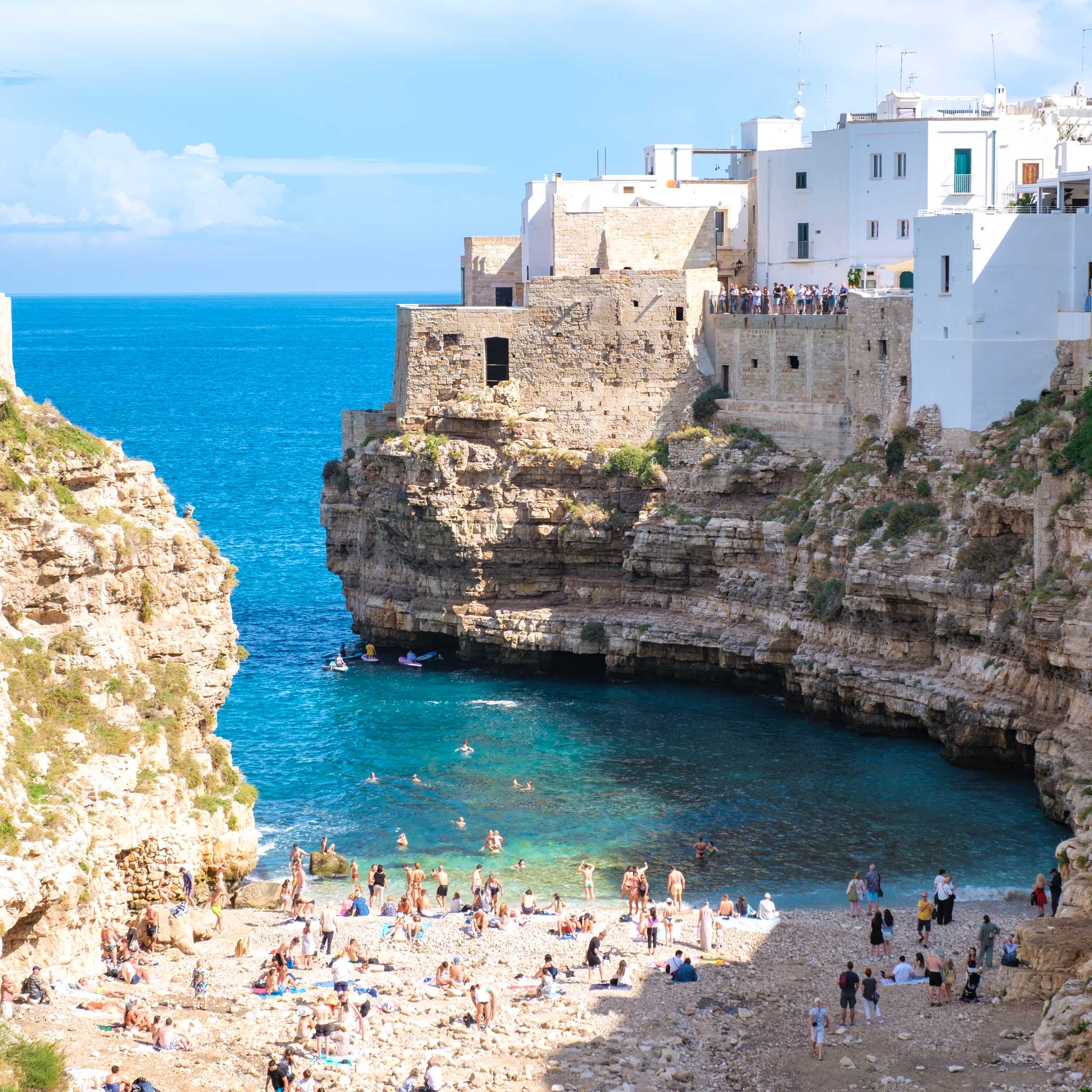
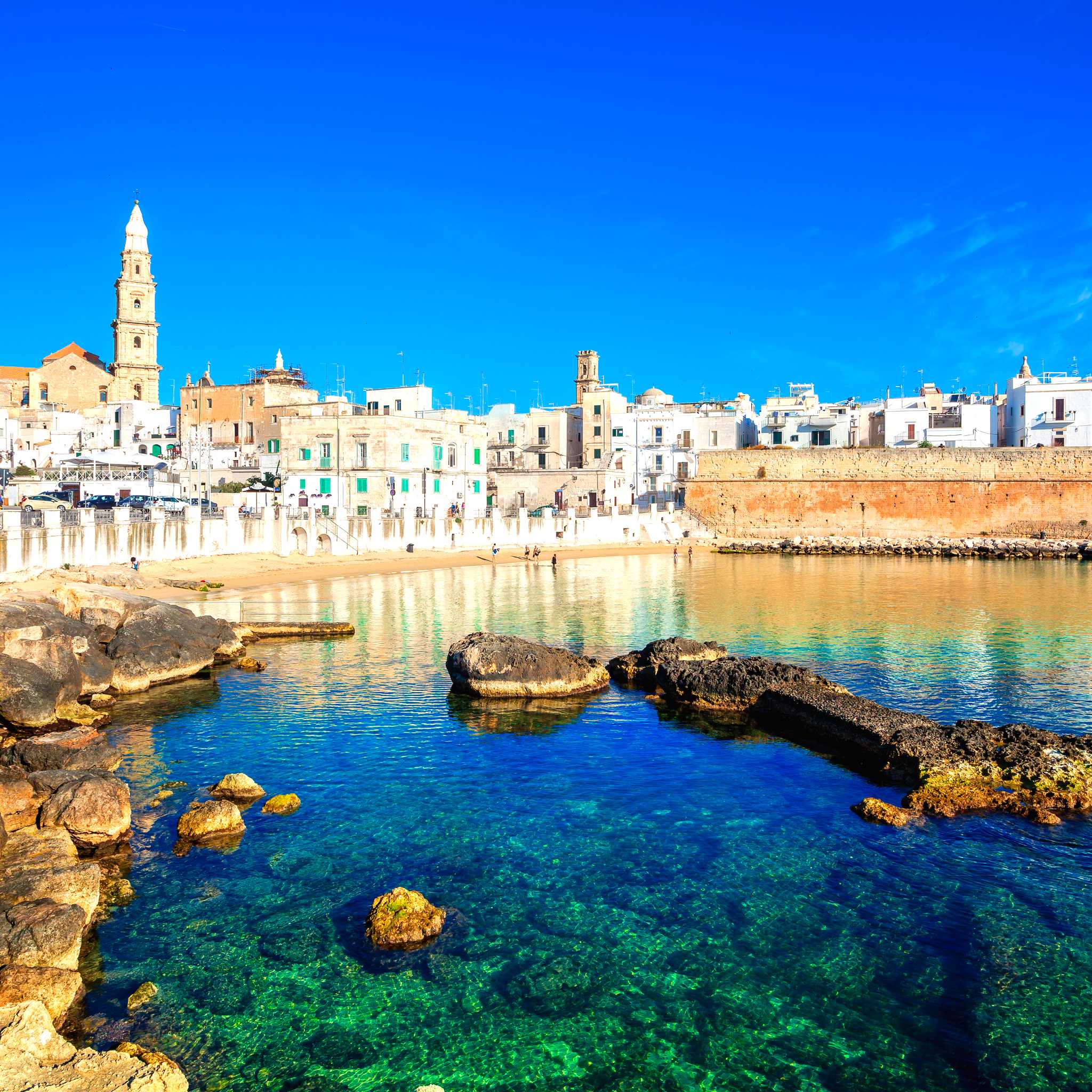
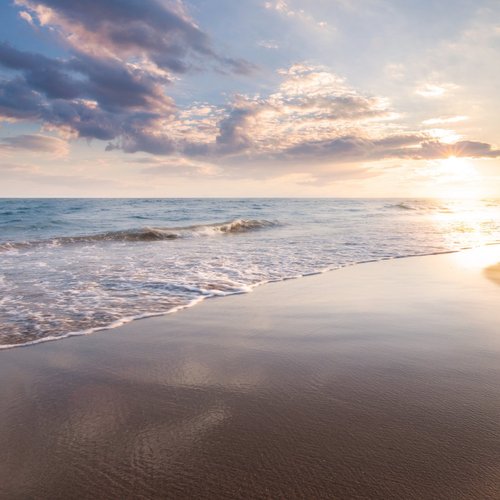
Otranto is surrounded by some of Puglia's finest beaches. Baia dei Turchi, about 4 kilometers (about 2 miles) north of town, has exceptional turquoise water and is backed by a pine forest, though it gets busy in summer. Spiaggia dei Gradoni is a walkable town beach ideal for families. Further south, the rugged coastline of the Costa Otranto Regional Nature Park offers quieter, wilder swimming spots.
The Cathedral of Otranto, with its extraordinary 12th-century floor mosaic depicting the Tree of Life, is one of the most remarkable churches in southern Italy. The Aragonese Castle, the Byzantine church of San Pietro, and the coastal walk along the Lungomare are all essential. Baia dei Turchi, a stunning beach north of town set within a nature reserve, is not to be missed.
Italy uses the euro (EUR). Cards are widely accepted in most restaurants, hotels, and shops throughout Puglia. In Otranto, smaller trattorias, market vendors, and beach bars may prefer cash, so it's a good idea to keep some on hand. ATMs are available in the town center and easy to find.
Italian is the official language. In Otranto, English is spoken in many hotels, restaurants, and shops that cater to visitors, but it is less common off the main tourist routes. Learning a few basic Italian phrases, such as "Buongiorno" (good morning) and "Grazie" (thank you), will always go down well with locals.
Otranto's cuisine draws on the rich traditions of Puglia and the Salento peninsula. Fresh seafood is central to the local table, with grilled fish, sea urchin, and orecchiette pasta with clams among the highlights. Rustico leccese, a flaky pastry filled with ricotta and tomato, is a beloved local snack. Pair any meal with a glass of Primitivo or Negroamaro, Puglia's signature red wines.
Late spring (May to June) and early autumn (September to October) are the best times to visit Otranto. The weather is warm and sunny, the beaches are beautiful, and the town is far less crowded than in the peak summer months. July and August are very busy and very hot, though the lively summer atmosphere has its own appeal for those who enjoy the buzz.