Pachuca is approximately 90 km (56 miles) northeast of Mexico City. A private transfer typically takes around 1.5 to 2 hours depending on traffic, making it one of the more accessible day trip destinations from the capital. With a Daytrip driver, you travel directly from your door to Pachuca without navigating bus terminals or dealing with connections, so you arrive with energy left to explore.
Yes, and it goes deeper than most visitors expect. C.F. Pachuca, known as Los Tuzos, is one of Mexico's most storied clubs and traces its origins directly to the Pachuca Athletic Club established by Cornish immigrants in 1900 — making it the oldest football club in Mexico. The club is credited with introducing the sport to the country. Even if you are not a dedicated football fan, the story of how a group of English miners planted the seed for Mexico's most popular sport in this city is compelling. The football culture here feels authentic rather than manufactured for tourists.
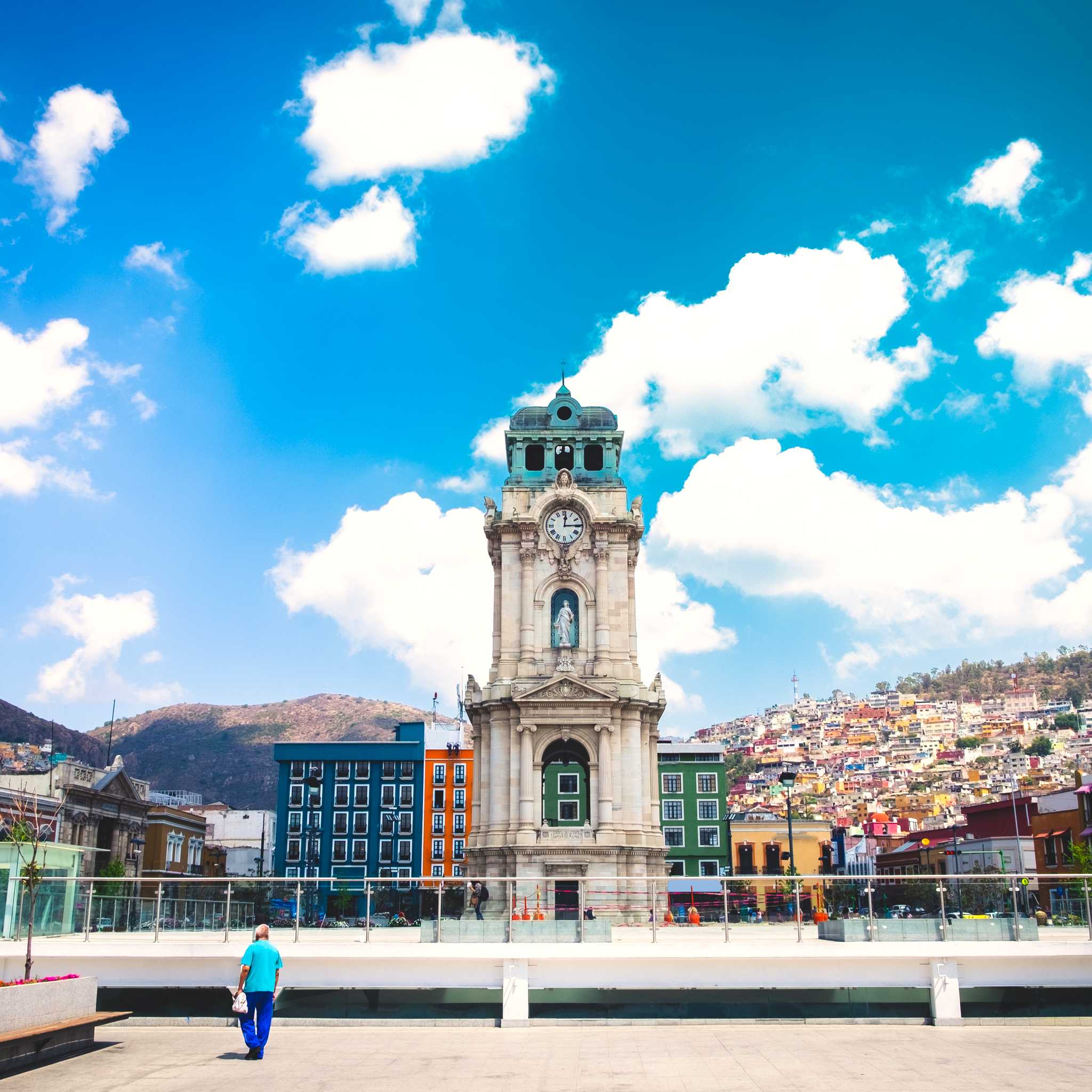
Absolutely. Pachuca is compact enough to cover its highlights comfortably in a single day. The historic center clusters most of what you want to see within easy walking distance: the Monumental Clock, the Asunción Church, the Cajas Reales, and the Baroque Church and ex-monastery of San Francisco. Add a visit to the photography museum housed inside San Francisco, stop for a paste at a local spot, and you have a genuinely full and varied day without ever feeling rushed.
A paste is Pachuca's answer to the Cornish pastie, brought to Mexico by the Cornish miners who settled the city in the 19th century. The basic form is a baked pastry filled with meat and potato, but local bakeries have expanded the range to include sweet and savory varieties — tuna, rajas, mole, jam, and more. Trying one is essentially mandatory. They are sold throughout the city center and are inexpensive, filling, and a direct edible link to the city's unusual heritage. Do not leave without having at least one.
Pachuca has a genuinely odd and fascinating backstory. It was founded as a Spanish silver mining town in the 16th century, and the wealth it generated attracted a significant wave of English — primarily Cornish — immigrants. Those Cornish settlers left two lasting marks on the city: they introduced football to Mexico through the Pachuca Athletic Club, founded in 1900, and they brought their traditional pastry, the Cornish pastie, which evolved into the paste, now a beloved local staple. There is nowhere else in Mexico quite like it.
The Monumental Clock is the obvious anchor — an imposing Baroque-style tower inaugurated on 15 September 1910 to mark the centennial of Mexico's independence. From there, the Cajas Reales offers a tangible connection to the colonial mining economy: this is where miners were required to hand over a 20% share of their silver extractions to the Spanish Crown. The ex-monastery of San Francisco is worth visiting both for its architecture and for the photography museum it now houses, one of the more distinctive museum offerings in the region. Together these three give you a clear arc through the city's history in a short walk.