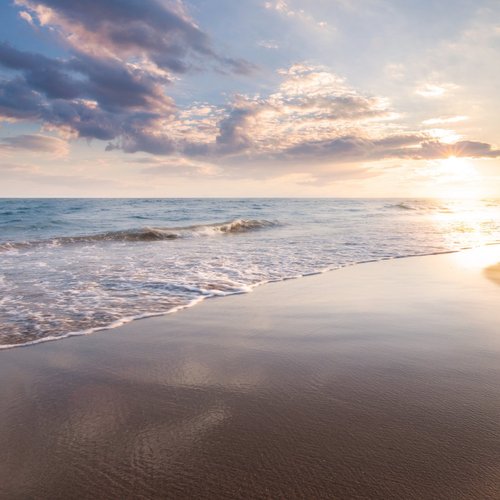
Two to three hours covers the beach, Fishermen's Cove, and the Panadura Debate site at an easy pace. Panadura sits directly on the southern coastal route out of Colombo toward Kalutara and Galle, so it works better as a short stop than a standalone destination. With a private driver, you can build it into a longer day trip and set your own pace at each stop.
Bolgoda Lake, Sri Lanka's largest freshwater lake, borders Panadura and offers a quieter contrast to the coastline. Its waters and marshes support herons, kingfishers, and other waterfowl, making it a good spot for a short boat ride or birdwatching stop. It's an easy add-on if you want scenery beyond the beach.
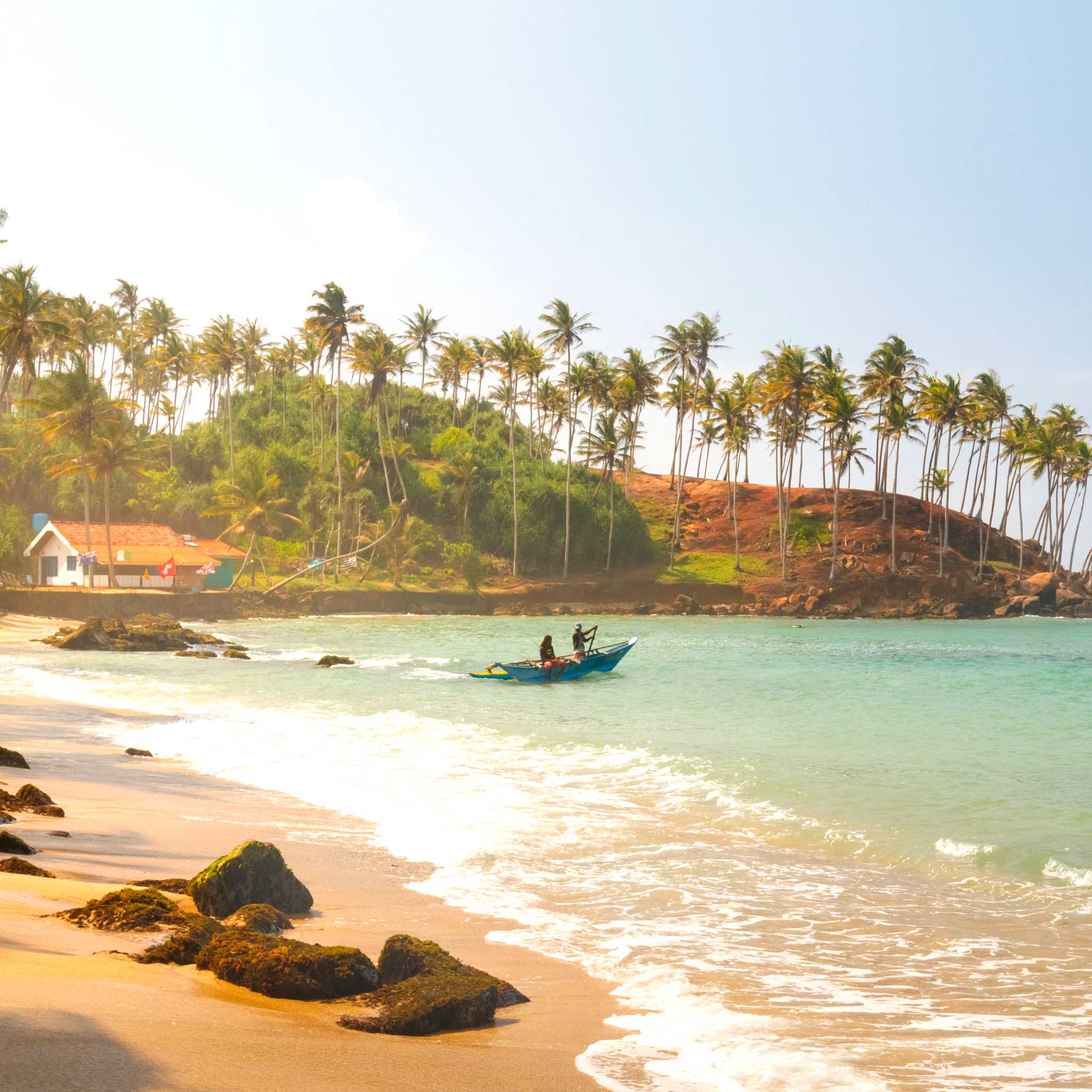
Fishermen's Cove is where Panadura's daily catch comes ashore, with crews using traditional oruva outrigger canoes and hand net-casting passed down for generations. It's a genuine slice of coastal life rather than a staged show for visitors. Pair a stretch of beach walking with time at the cove, ideally in the morning when boats are most active.
Panadura's fishing economy means seafood is the highlight, with jumbo prawns, cuttlefish, and freshly grilled fish featuring on menus at restaurants near the cove. Meals here tend to be simple and fresh rather than elaborate, matching the town's unpolished character. Worth timing your stop around a meal if seafood is a priority.
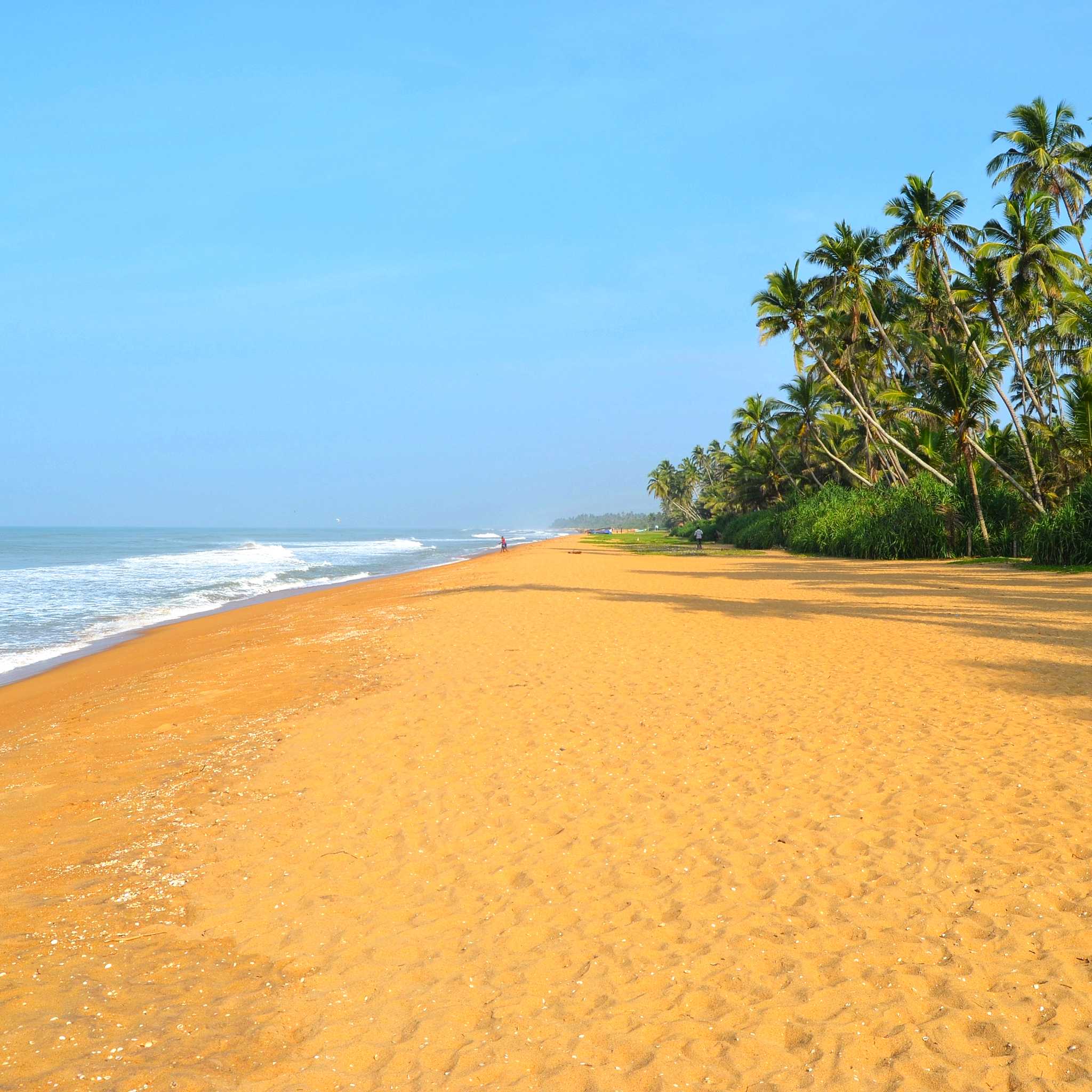
Panadura blends a working fishing town with real historical weight, just 27 km (17 miles) south of Colombo. Wide golden-sand beaches sit alongside Fishermen's Cove, where local crews still haul in the day's catch by hand, and the town is inseparable from the 1873 Panadura Debate, a public exchange between Buddhist and Christian scholars that shaped Sri Lanka's religious history. It's an easy, low-key way to see coastal life away from the more touristed beach towns further south.
In August 1873, Buddhist monk Migettuwatte Gunananda Thera and Christian clergyman David de Silva held a public debate near Panadura's Rankot Vihara that drew large crowds and international attention. Published accounts reached readers as far as the United States and helped spark a Buddhist revival across the island. The site and surviving debate documents, now recognized by UNESCO's Memory of the World register, are still commemorated locally.