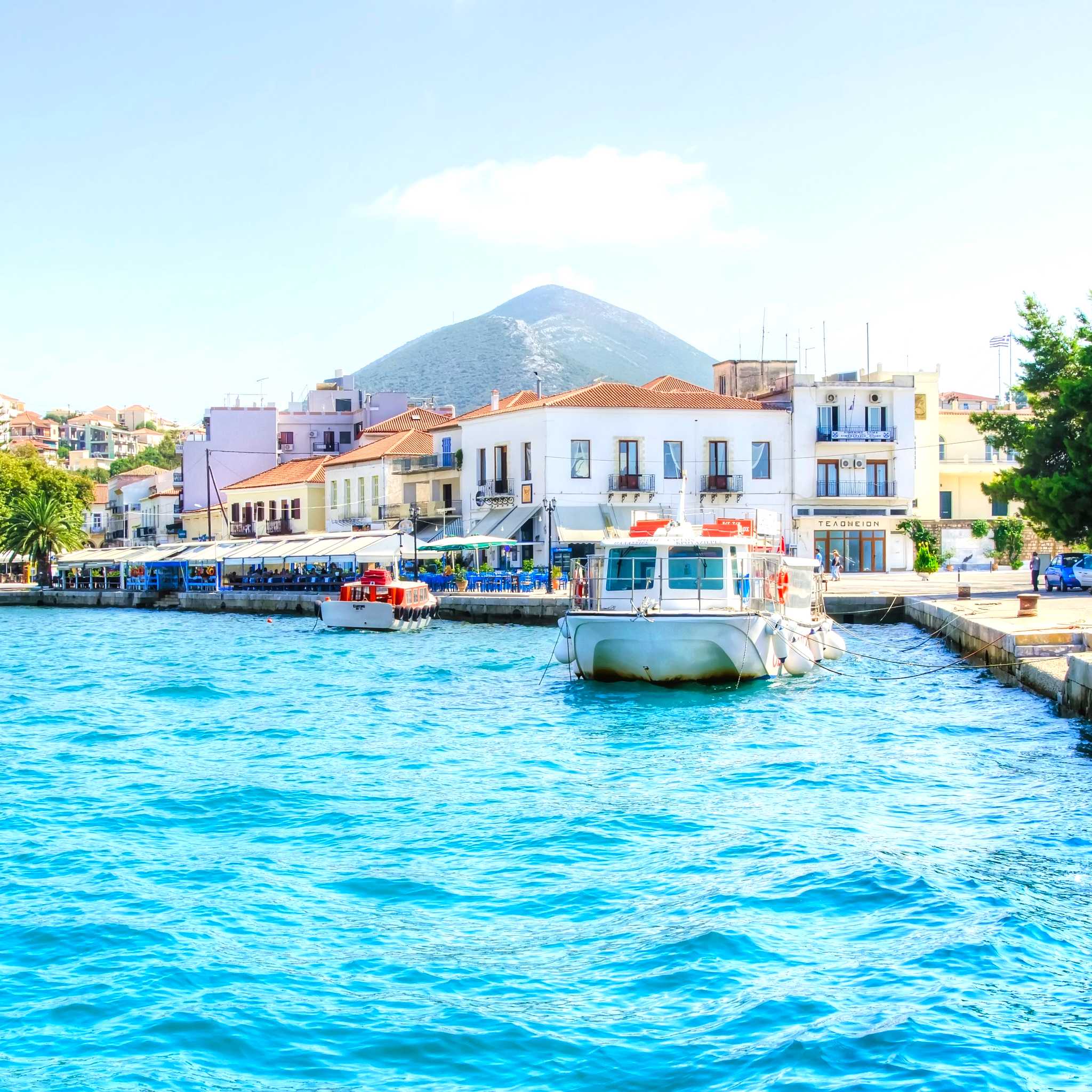
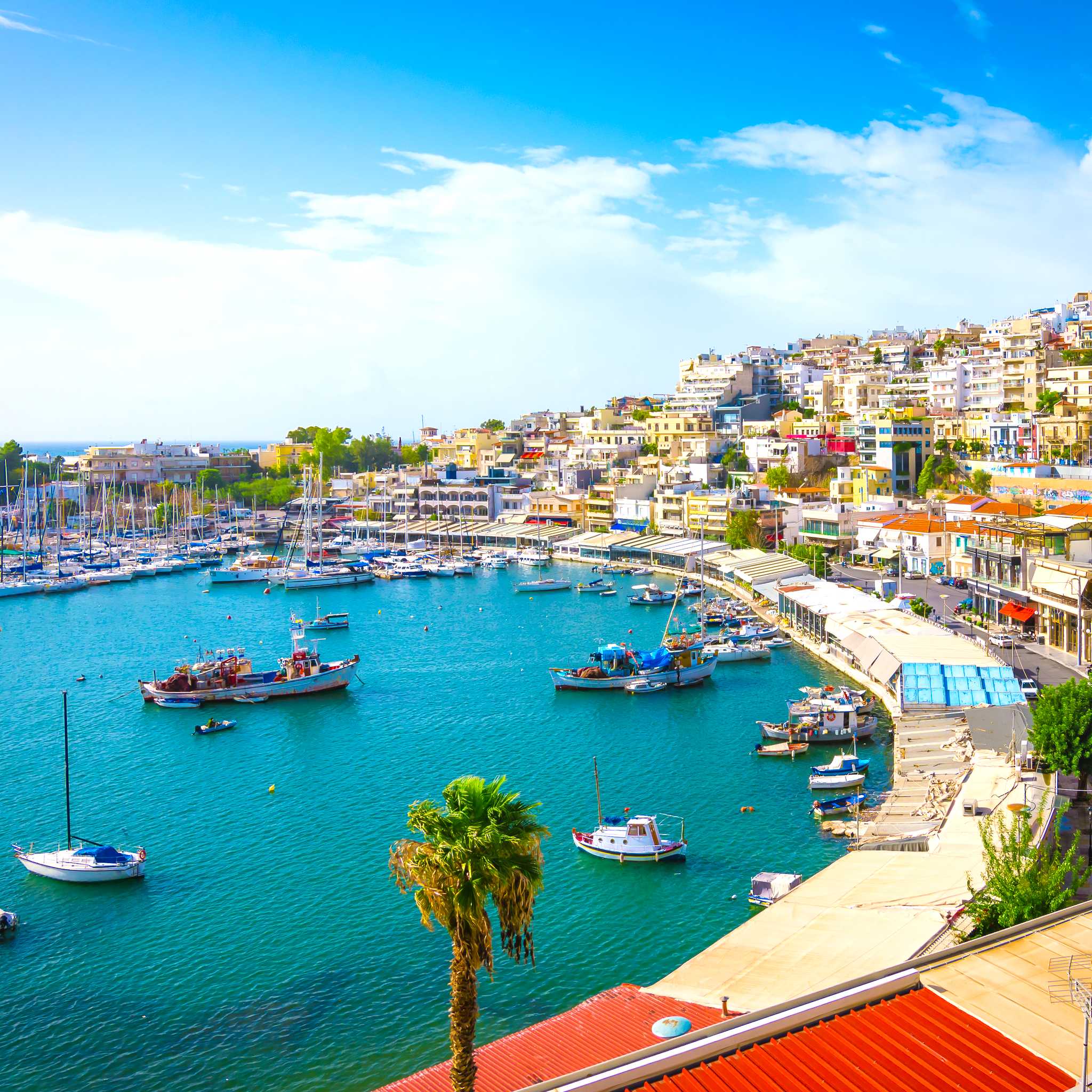
Yes, boat trips are a popular way to explore Navarino Bay and the surrounding coastline. From the harbor, you can arrange excursions to the islet of Sfaktiria, which played a key role in both ancient and modern Greek history, and to secluded coves and beaches that are not easily reached by road. Several local operators offer boat rentals and guided trips of various lengths.
The town center of Pylos is compact and easy to explore on foot. The harbor promenade, Three Admirals Square, and the Niokastro Fortress are all within comfortable walking distance of each other. The wider region, including the Palace of Nestor and Voidokilia Beach, requires a car or taxi. The terrain around the fortress involves some slopes and steps, which may require extra care for those with mobility challenges.
Pylos is a safe and welcoming destination. Crime is low, and the town has a relaxed, community-oriented atmosphere. As with any destination, basic precautions apply, such as not leaving valuables unattended on the beach. The roads between Pylos and nearby sites like the Palace of Nestor are generally in good condition, though they can be narrow in rural areas.
The Niokastro Fortress is a highlight, with its walls, church, and museum of underwater antiquities. About 9 miles away, the Palace of Nestor dates to the 13th century BC and features a remarkably preserved throne room. Voidokilia Beach, shaped in a near-perfect semicircle, is regularly listed among Greece's most beautiful beaches. The Paleokastro fortress above the beach offers spectacular views, and the Gialova Lagoon is a protected wetland home to flamingos and migratory birds.
Greece uses the euro. Credit cards are accepted at most hotels and restaurants, but cash is useful for smaller tavernas, markets, and parking. Greek is the official language. In Pylos and the surrounding Messenia region, basic English is understood in most visitor-facing businesses, though the area is more authentically local than heavily touristed destinations, so a phrase or two in Greek is always warmly appreciated.
Pylos is known for three things above all: the Battle of Navarino in 1827, a decisive naval engagement during the Greek War of Independence; the ancient Palace of Nestor, one of the best-preserved Mycenaean palaces in Greece; and the Niokastro Fortress, a 16th-century Ottoman citadel with sweeping views over Navarino Bay. The stunning Voidokilia Beach and the Gialova Lagoon wetlands add natural beauty to its historical significance.
Pylos is on the coast, so fresh seafood is essential. Look for grilled octopus, fried calamari, and kakavia, a traditional Greek fish soup. The Messenia region is also famous for its Kalamata olives and high-quality olive oil, which feature in almost every meal. Family-run tavernas along the harbor are the best places to sample honest, well-made Greek cooking at reasonable prices.
Spring (April through June) and early autumn (September and October) offer the best combination of warm weather, calm seas, and manageable crowds. Summer is ideal for beach lovers but can get busy. The town celebrates the anniversary of the Battle of Navarino on October 20th each year with a reenactment in the harbor, making it a memorable time to visit for history enthusiasts.