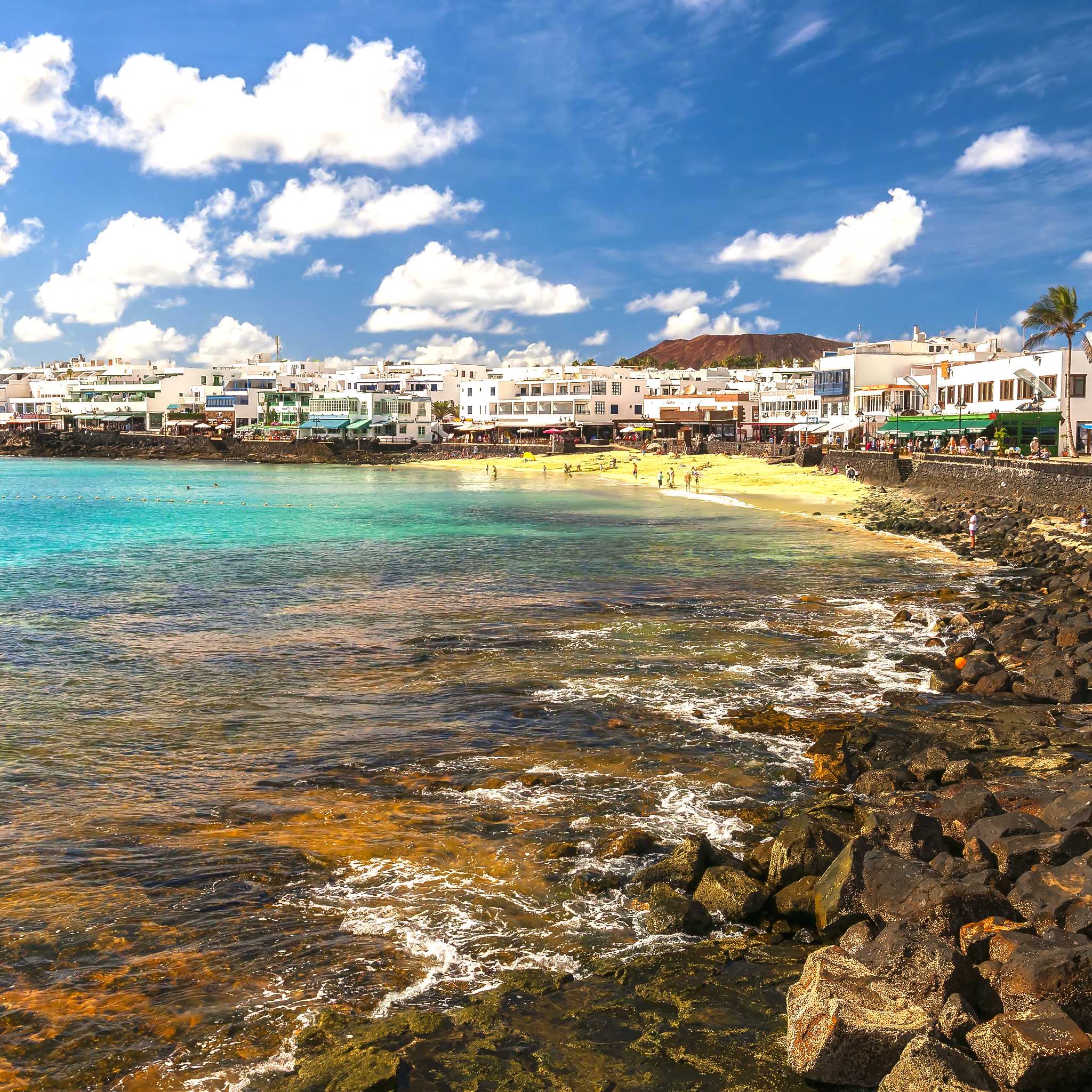
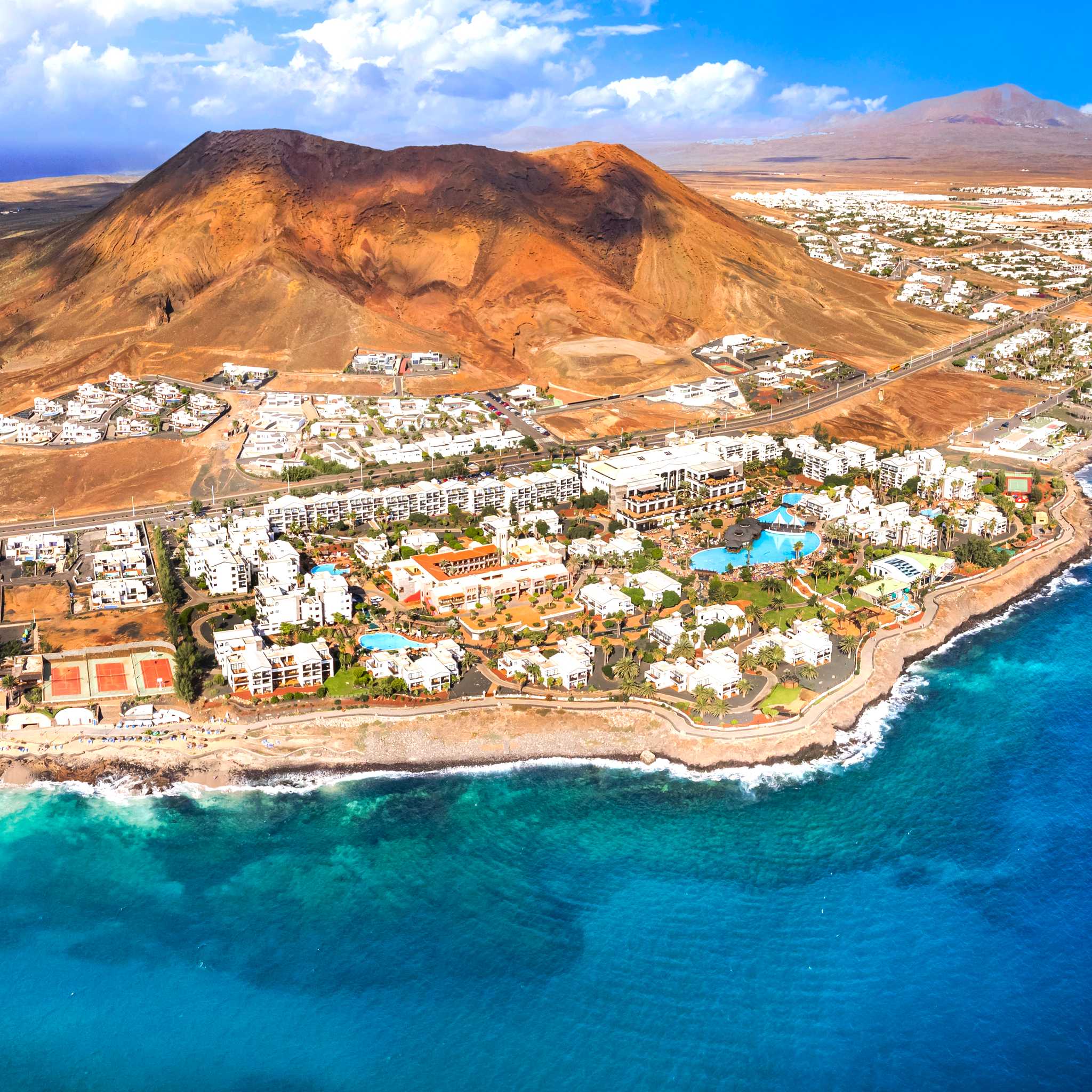
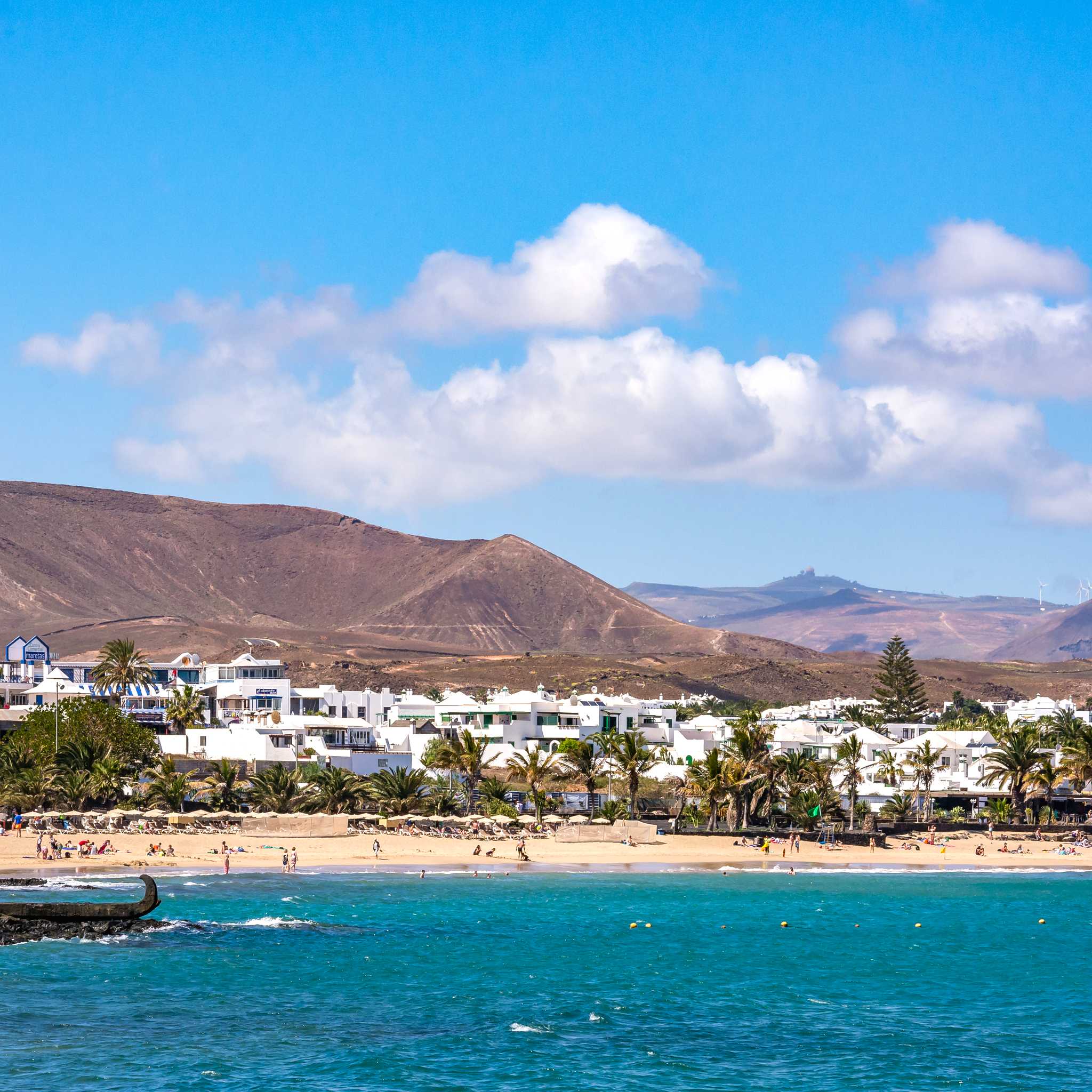
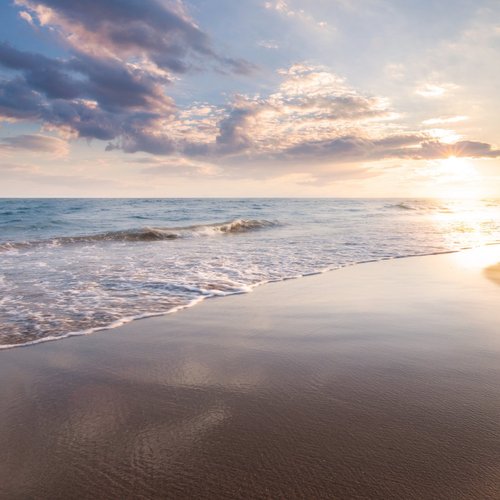
Playa Blanca is approximately 120 kilometers (about 75 miles) west of Panama City, typically a two-hour drive along the Pan-American Highway. It is one of the most accessible Pacific beach destinations from the capital, making it a popular option for a quick coastal getaway without needing a domestic flight.
Playa Blanca is generally safe for visitors, particularly within the resort areas. Common-sense precautions apply: keep valuables secure, avoid walking alone in isolated areas at night, and use reputable transportation. As with any beach destination, be aware of ocean conditions before swimming. Stick to well-populated areas and your surroundings remain manageable.
In Panama, leaving a 10 percent tip at sit-down restaurants is standard and appreciated if service has been good. Taxi drivers do not typically expect a tip, though rounding up the fare is a friendly gesture. Hotel staff such as porters and housekeepers appreciate a small daily tip of one to two US dollars.
Beyond the beach, popular day trips include El Valle de Anton, a picturesque mountain village in an ancient volcanic crater about an hour away, and visits to nearby Santa Clara Beach for a quieter alternative. Snorkeling around Farallon Island, boat tours, kayaking, and fishing are all popular water activities along the coast.
Panama uses the US dollar as its official currency, alongside the Panamanian Balboa, which is equal in value and interchangeable. This makes budgeting easy for American travelers. Credit cards are widely accepted at larger resorts and restaurants in Playa Blanca, but carrying some cash is useful for smaller vendors and local eateries.
Spanish is the official language of Panama. In resort areas like Playa Blanca, many hotel staff and tour operators speak English. Away from the resorts, Spanish is predominantly used, so knowing a few basic phrases will be helpful. Panamanian Spanish is generally clear and easy to understand.
Panamanian cuisine is comforting and flavorful. At local beachside restaurants, try fried fish with patacones (crispy fried plantain chips), which is a classic coastal meal. Rice cooked with coconut milk, empanadas, and seafood soups are also local favorites. Breakfast often features corn tortillas, eggs, and fresh tropical fruit.
The dry season from December through April is the best time to visit, with sunny skies, low humidity, and calm seas perfect for swimming and outdoor activities. The rainy season runs from May through November, bringing afternoon showers but also greener landscapes and fewer crowds. Weekdays tend to be quieter than weekends at the beach.