Reggio Calabria is generally safe for visitors. Standard precautions apply: keep an eye on your belongings in busy areas and avoid leaving valuables unattended on the beach. The city center and main attractions are perfectly fine for independent exploration. As with any city, being aware of your surroundings and staying in well-frequented areas is recommended, especially at night.
The flat Lungomare promenade and the main pedestrian street, Corso Garibaldi, are easy to navigate on foot and generally accessible for strollers and wheelchairs. Some areas of the city have older, uneven paving, and parts of the historic center involve slopes. The main museum and key sights are mostly accessible. Checking with individual sites in advance is recommended for those with specific mobility needs.
Tipping in Italy is not obligatory but is appreciated for good service. In restaurants, rounding up the bill or leaving a euro or two is a kind gesture. Many places add a coperto (cover charge) to the bill, so check before adding extra. In cafes, leaving small change in the counter jar is common. Taxi drivers appreciate a small tip but it is not expected.
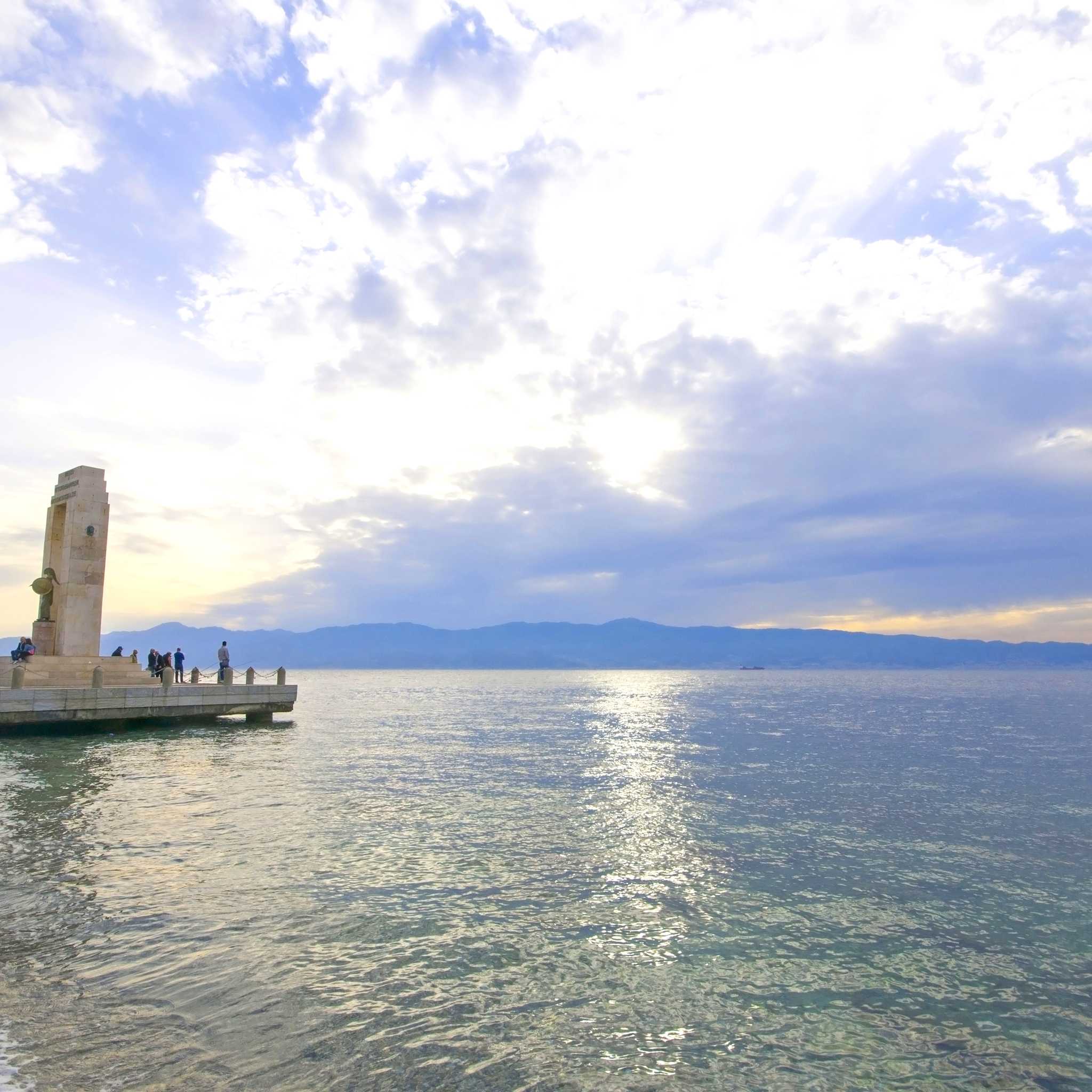
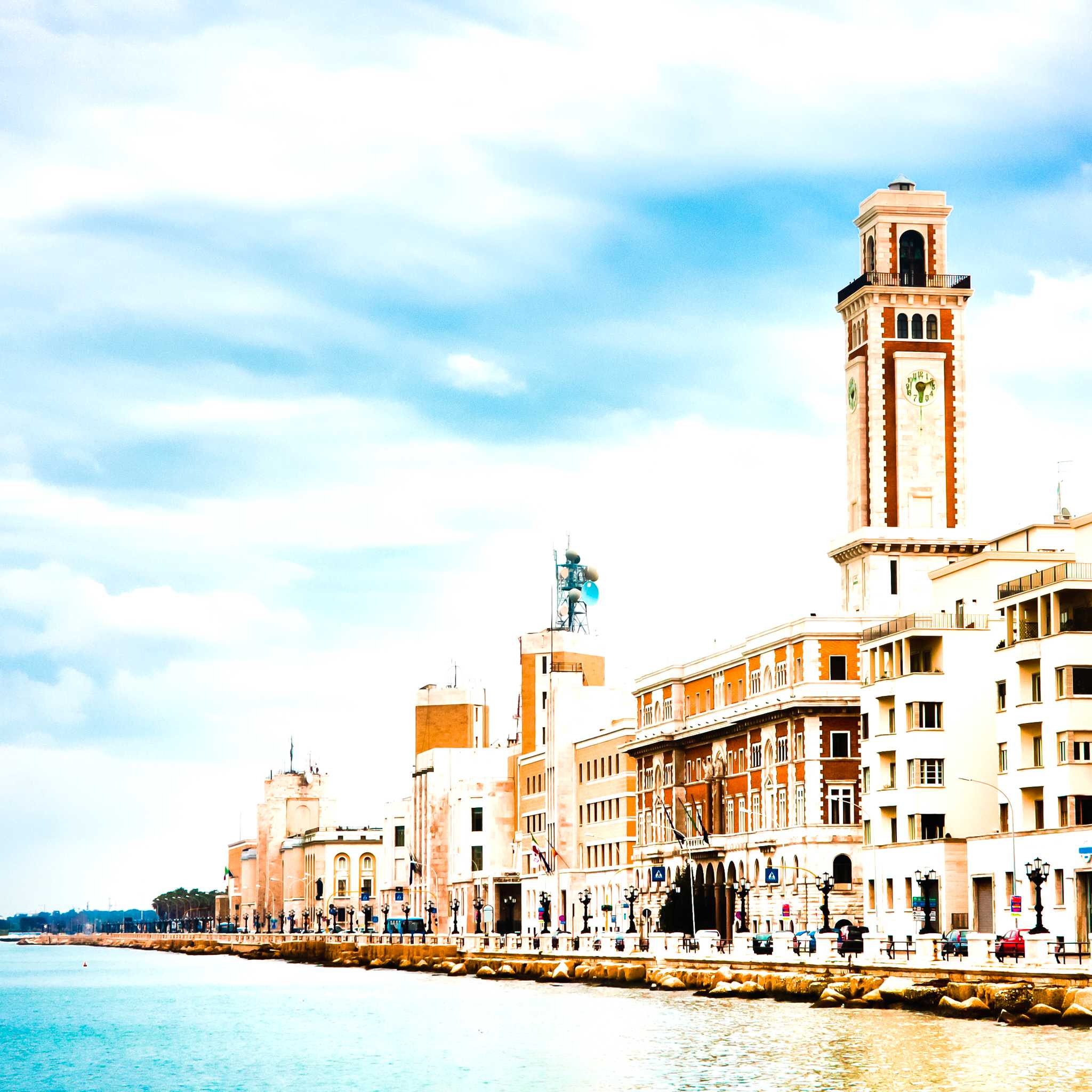
The National Archaeological Museum (Museo Nazionale della Magna Grecia) is unmissable, housing the renowned Riace Bronzes, two extraordinary ancient Greek statues. The Lungomare Falcomata promenade offers spectacular views of Sicily and Mount Etna on a clear day. The Aragonese Castle, Piazza Italia, and the nearby ghost village of Pentedattilo are also well worth a visit.
Italy uses the euro (EUR). Credit and debit cards are widely accepted in Reggio Calabria's hotels, larger restaurants, and shops. However, it is advisable to carry some cash for smaller establishments such as local trattorias, cafes, and markets, which may prefer cash. ATMs are readily available throughout the city center.
Italian is the official language. In Reggio Calabria, a local Calabrian dialect is spoken among residents, though standard Italian is understood everywhere. English proficiency is less common than in northern Italian cities, especially among older locals. Learning a few basic Italian phrases such as "Grazie" (thank you) and "Per favore" (please) will be warmly received.
Calabrian cuisine is bold and distinctive. Must-try dishes include 'nduja, a spreadable spicy sausage made with Calabrian chili peppers; pesce spada alla ghiotta (swordfish with olives, capers, and tomatoes); and lagane e cicciari, handmade pasta with chickpeas. Bergamot, the fragrant citrus fruit grown almost exclusively near Reggio, flavors local sweets, liqueurs, and even savory dishes.
Spring (April and May) and early autumn (September and October) are ideal, offering mild and pleasant weather perfect for sightseeing without the intense summer heat. Summer is great for beach-going but can be very hot. Winter is mild along the coast and draws far fewer visitors, making it a peaceful time to explore the city's museums and cultural sites.