Rio Lagartos sits roughly 252 km (157 miles) from Cancun, about 3 to 3.5 hours by road, and around 215 km (134 miles) from Merida, closer to 2.5 to 3 hours. A private transfer covers this rural stretch of highway directly, so you arrive relaxed and ready for the boat tour instead of navigating unfamiliar roads yourself.
A single day is enough to enjoy the boat tour, the mangroves and a stop at Las Coloradas, especially with an early start to catch the flamingos while they're most active. Because the village is remote, going with a private transfer lets you time the drive around the boat tour schedule rather than public transport connections, making the most of the day without an overnight stay.
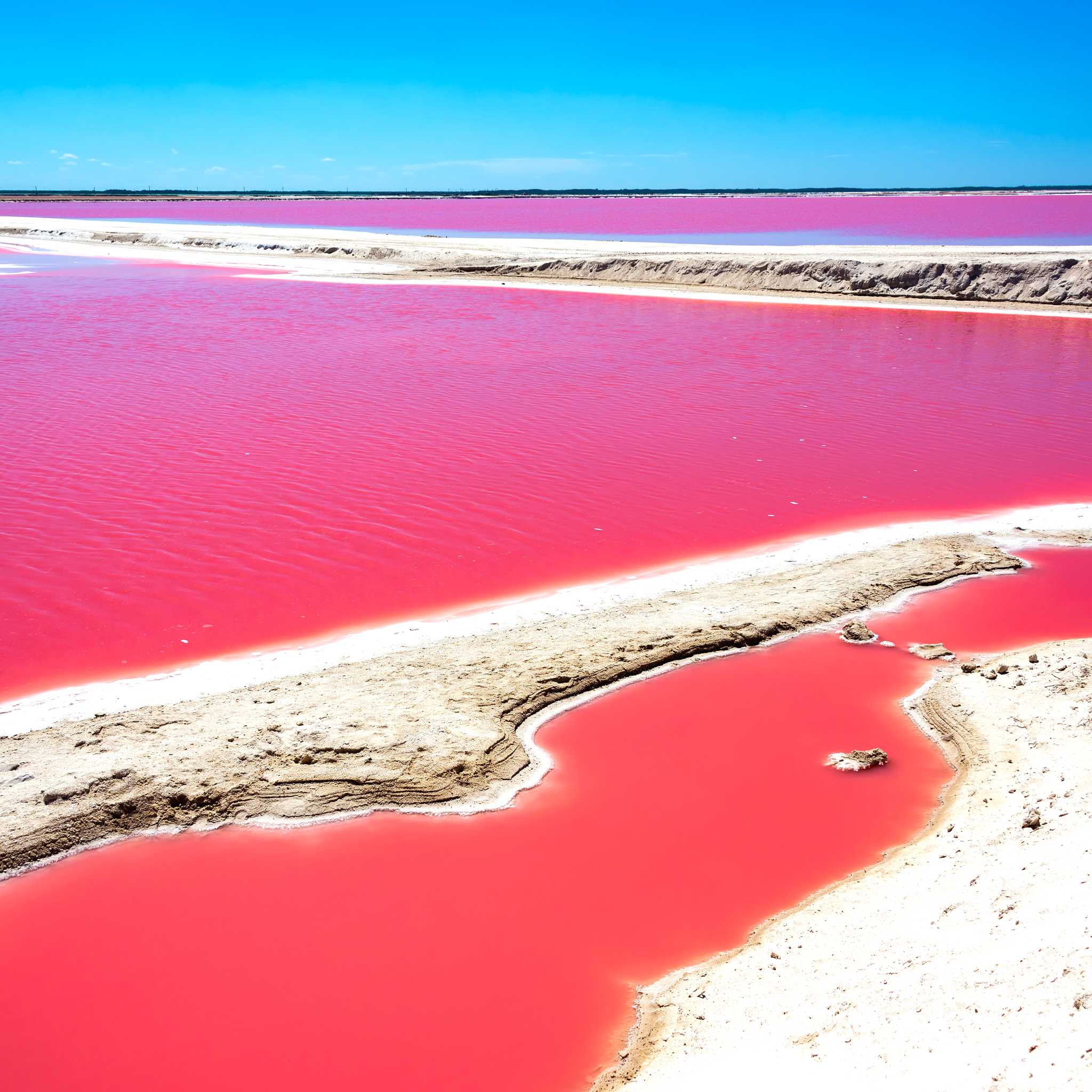
Las Coloradas are salt evaporation ponds a short distance from Rio Lagartos that turn shades of pink and red from the concentration of salt and microorganisms in the water. The color is most vivid in bright sun, and most visitors combine it with the flamingo boat tour since it sits about 24 km (15 miles) from the village. It's one of the most photographed stops on this stretch of coast.
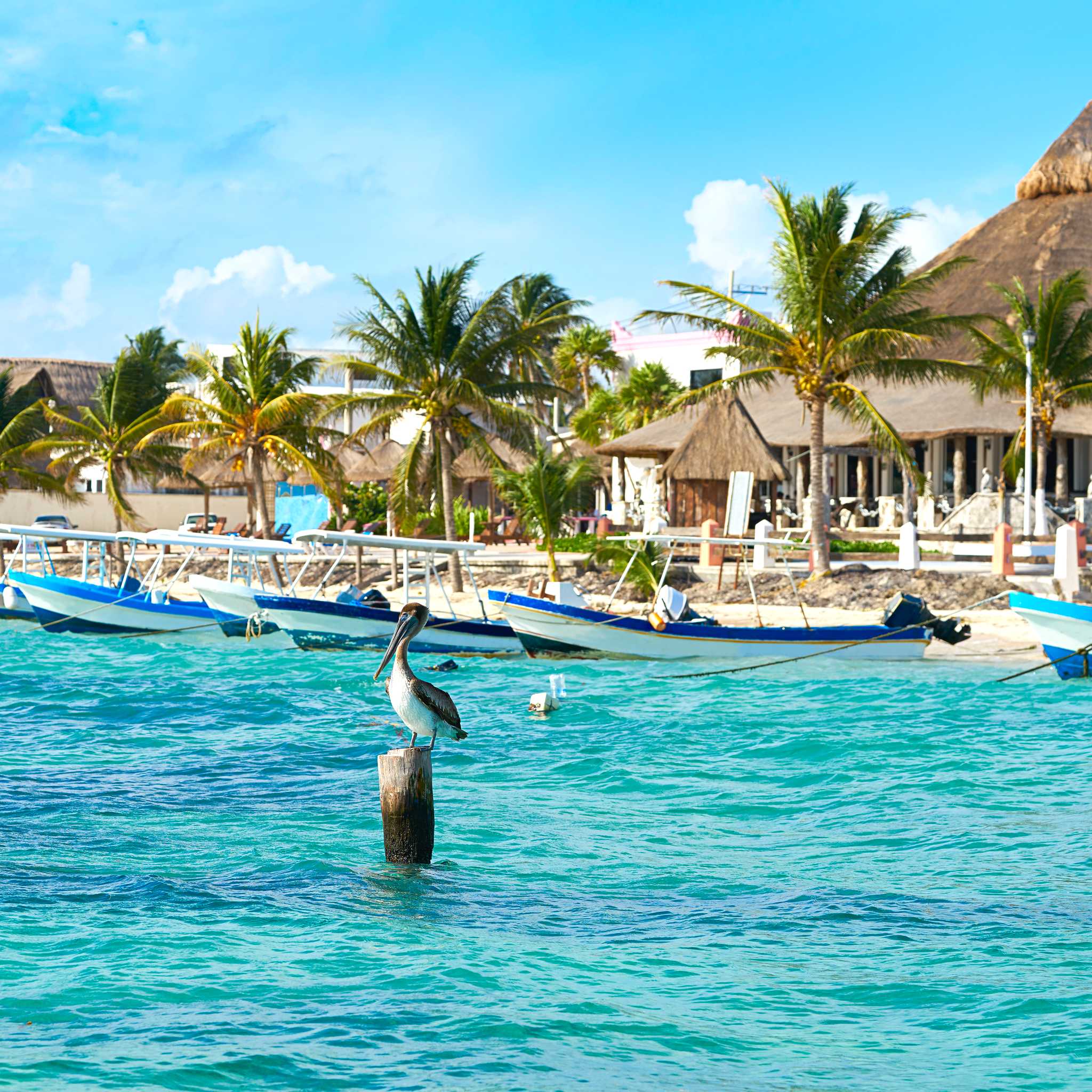
Rio Lagartos is a quiet fishing village on the north coast of the Yucatán, set inside a biosphere reserve known for one of the region's largest flamingo populations. Beyond the flamingos, the reserve's mangrove channels shelter crocodiles, herons, pelicans and other coastal birds rarely seen near the resort towns. It pairs naturally with the pink lakes at nearby Las Coloradas for a full day of Yucatán nature away from the crowds.
Local boat guides navigate the shallow channels of the ría, where flamingos wade and feed in the brackish water. Along the mangrove banks you'll often spot American crocodiles resting near shore, plus herons, egrets, spoonbills and pelicans throughout the reserve. It's a slow-paced, photo-friendly way to see the ecosystem up close without disturbing it.
Flamingos are present in the reserve year-round, but numbers grow noticeably during the spring-to-summer nesting season, when large colonies gather to breed. Outside that window, smaller flocks are still commonly seen feeding in the shallows. Boat tours generally run in the early morning or late afternoon, when the birds are most active and the light is best for photos.