Rosario is generally welcoming to visitors, though like any large city it is wise to stay alert, especially at night and in less central areas. Stick to well-lit, busy streets after dark, keep valuables out of sight, and use reputable taxi services or ride-hailing apps. The city center and riverside areas are popular and generally feel safe during the day.
Rosario's city center and riverfront promenade are largely flat and reasonably walkable. Wide sidewalks and pedestrian streets make strolling pleasant. Many central areas are accessible for strollers and wheelchairs, though cobblestone sections in older neighborhoods can be uneven. Public parks and the riverside Costanera are good options for easy, accessible exploration.
Tipping is common and appreciated in Argentina. In restaurants, a tip of around 10% is standard, though it is not always included in the bill. Tipping hotel porters, taxi drivers, and tour guides is also appreciated. Tipping in cash is preferred, as tips left on credit card receipts do not always reach the service staff directly.
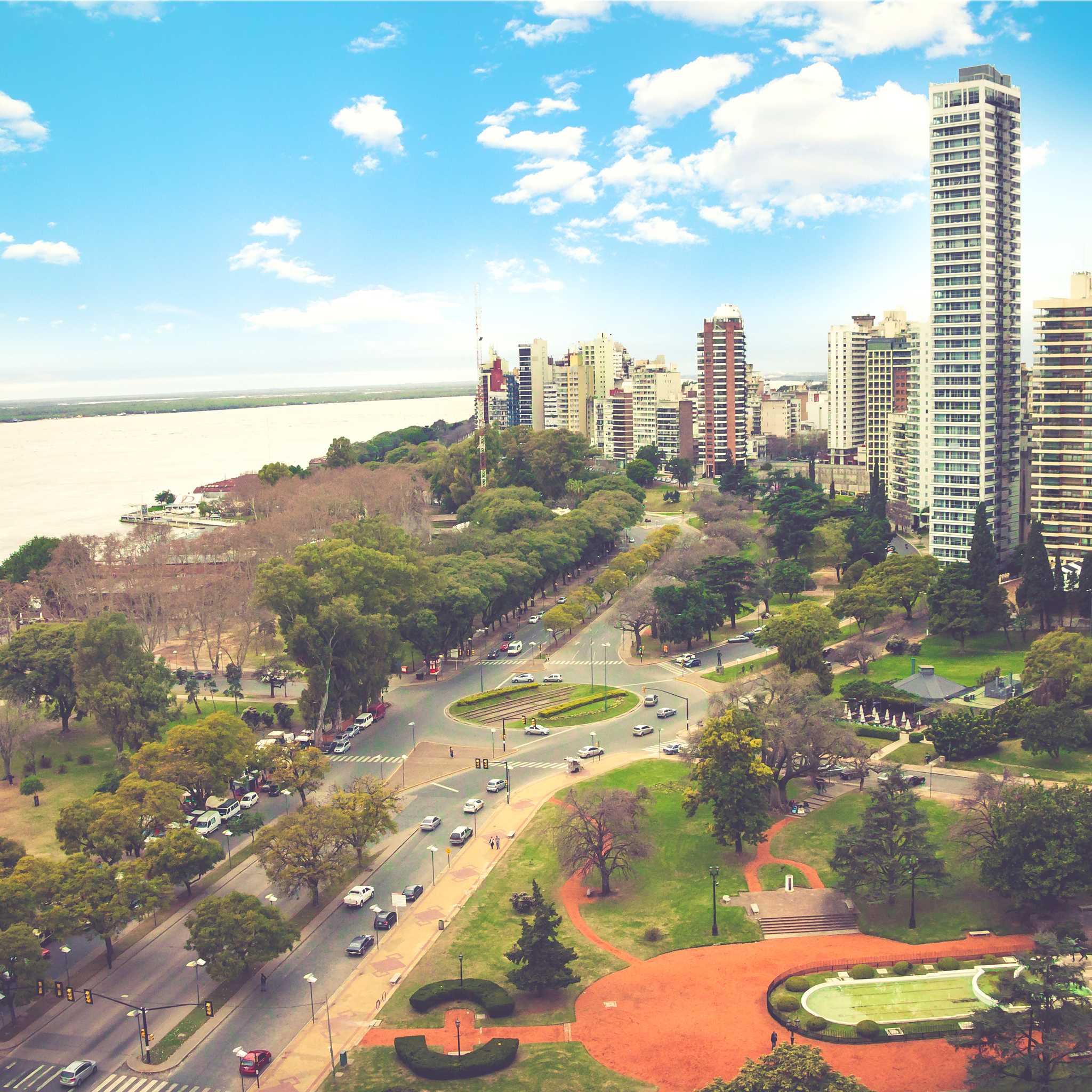
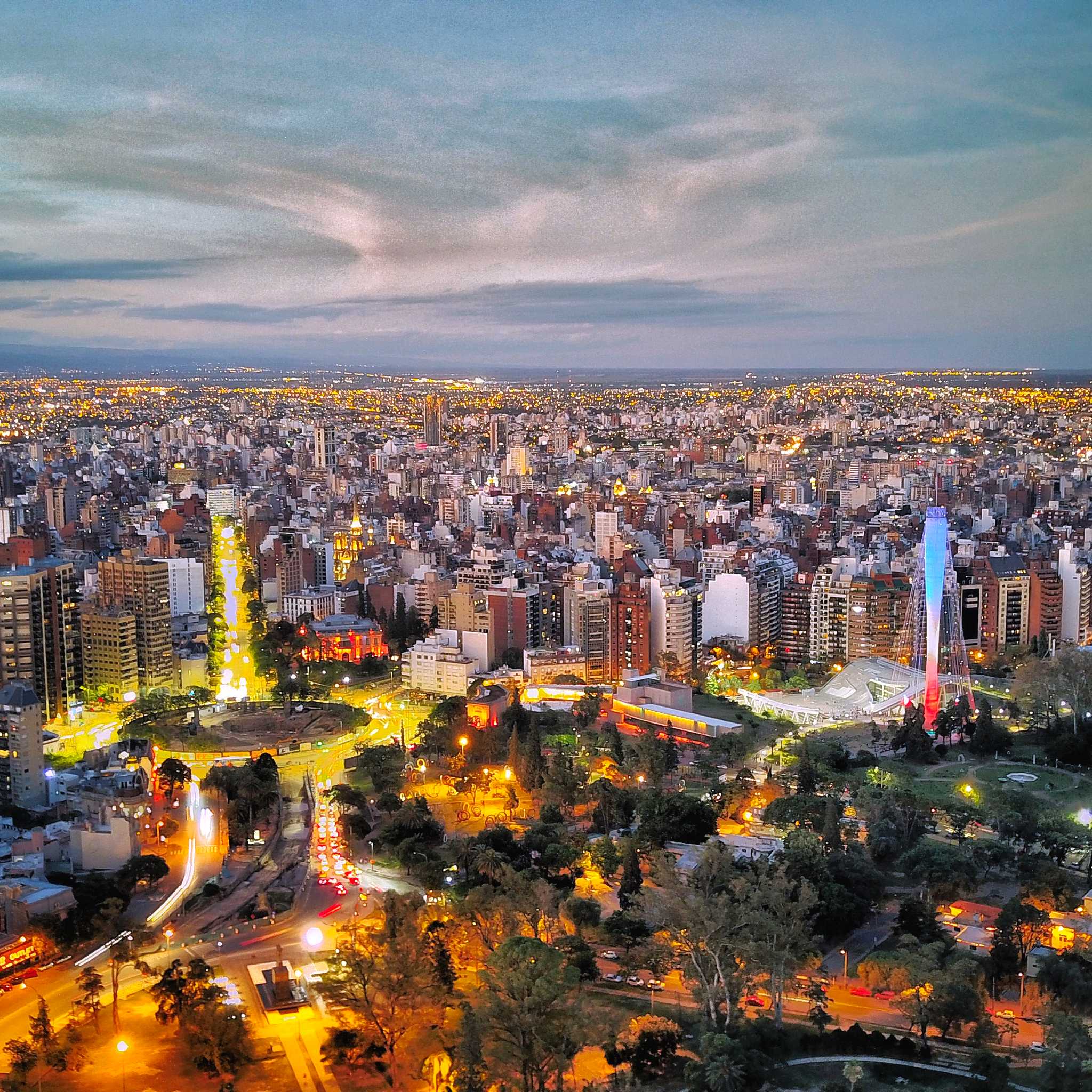
The National Flag Memorial on the Parana riverfront is the city's iconic landmark and a must-visit. The Independencia Park, one of the greenest urban spaces in Argentina, is perfect for a stroll. The historic center has beautiful early-20th-century architecture, and the Island of Inventions is a great stop for families.
Argentina's official currency is the Argentine peso (ARS). ATMs are widely available in Rosario, and many hotels and larger restaurants accept credit cards. It is a good idea to carry some cash for local markets, small cafes, and transportation, as not every vendor accepts cards. Always check exchange rates before you travel, as they can fluctuate.
Spanish is the official language of Argentina. The local accent and slang, known as Rioplatense Spanish, have a distinctive Italian-influenced lilt. In Rosario's city center, hotel and restaurant staff often speak some English, but learning a few basic Spanish phrases will go a long way and is always appreciated by locals.
Rosario has a rich food culture. Do not leave without trying a classic Argentine asado (barbecue) and empanadas. The city also has a strong pasta tradition reflecting its Italian heritage. Finish with dulce de leche in any form. Dinner is served late here, with most restaurants peaking around 9:30 or 10 p.m.
Spring (October to November) and fall (March to April) are ideal for visiting Rosario, with warm, pleasant weather perfect for exploring the riverfront and parks. Summers can be very hot and humid, while winters are mild. The city comes alive year-round, but shoulder seasons offer the most comfortable conditions for sightseeing.