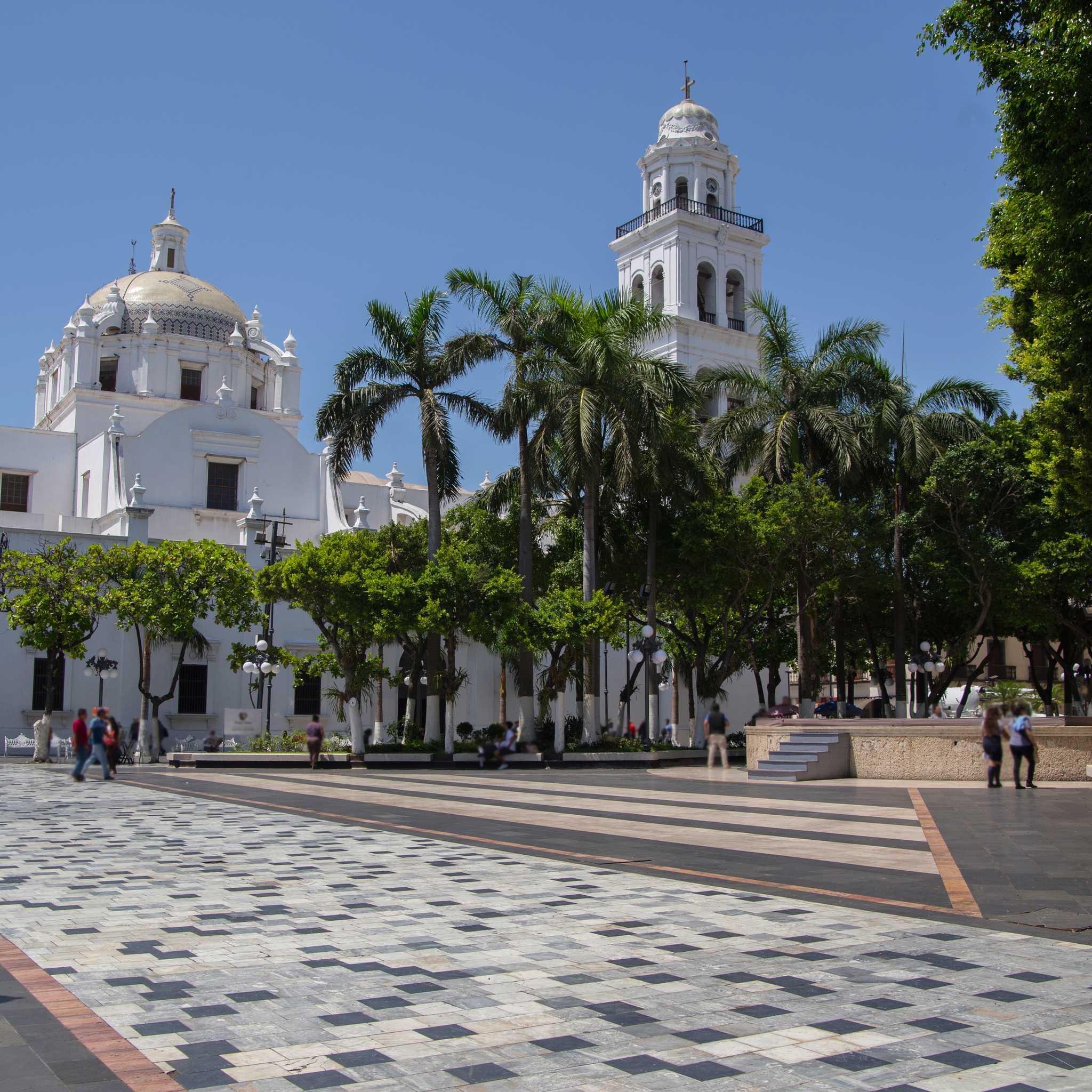
The walled historic center is compact and very walkable on flat, well-maintained streets. Most major sights, restaurants, and the malacon (boardwalk) are within easy walking distance of one another. However, the cobblestone streets and some uneven surfaces can be challenging for wheelchairs and strollers. Outside the city walls and at fort sites, terrain becomes less even. A trolley tour is a popular option for those who prefer not to cover the area on foot.
Campeche is widely considered one of the safest cities in Mexico. The historic walled center is well monitored and violent crime against visitors is uncommon. As in any destination, standard precautions help: keep an eye on your belongings in crowded markets, avoid displaying expensive items, and use reputable transport. The city's low-key atmosphere and walkable old town make it feel welcoming and relaxed compared to busier tourist hubs.
Tipping is standard practice in Mexico and genuinely appreciated. In restaurants, 10 to 15% is typical for good service. It is also customary to tip supermarket baggers, parking attendants, and petrol station attendants small amounts. Always carry small peso notes for this purpose, as tips in foreign currency are less convenient for recipients. Tipping in pesos is preferred over dollars or euros wherever possible.
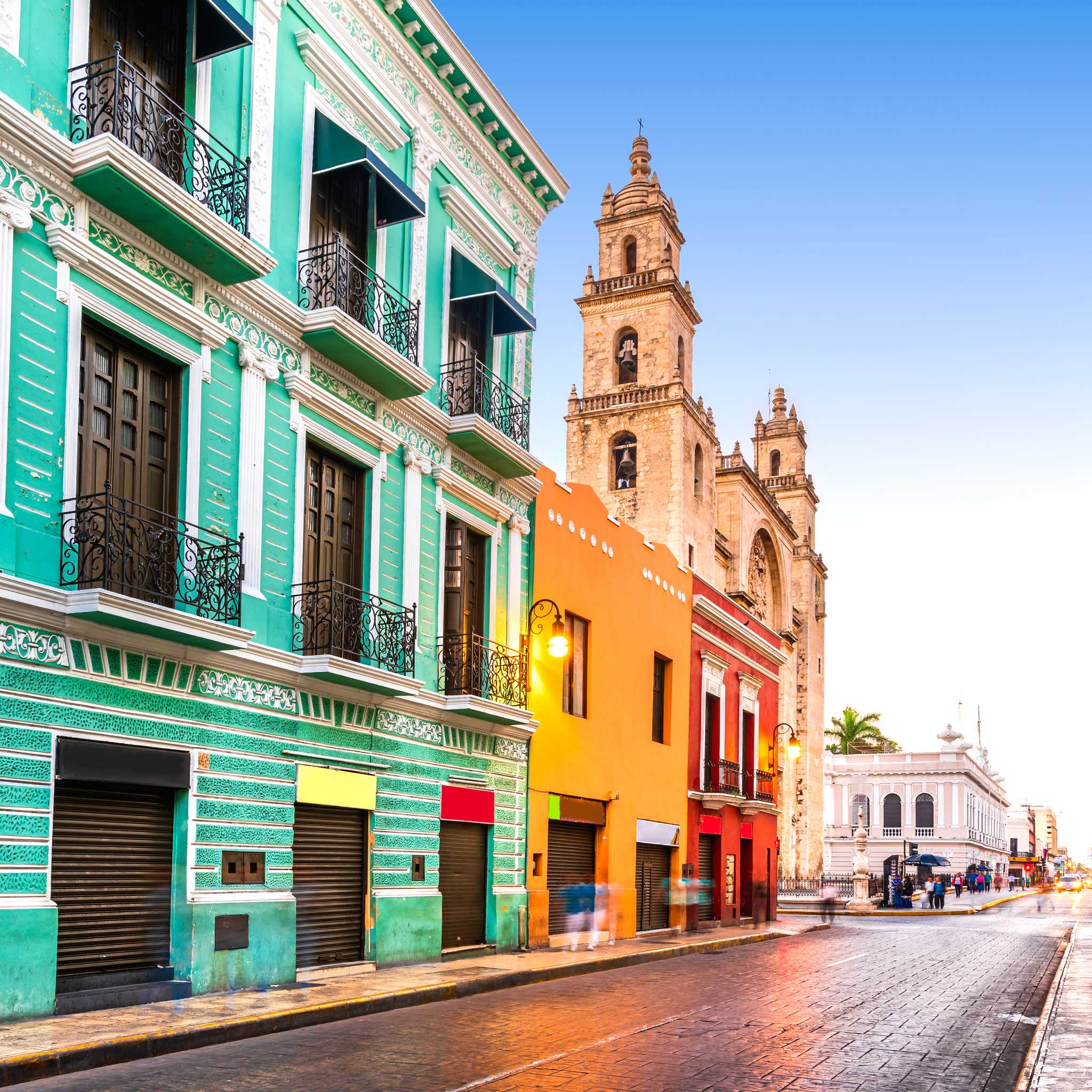
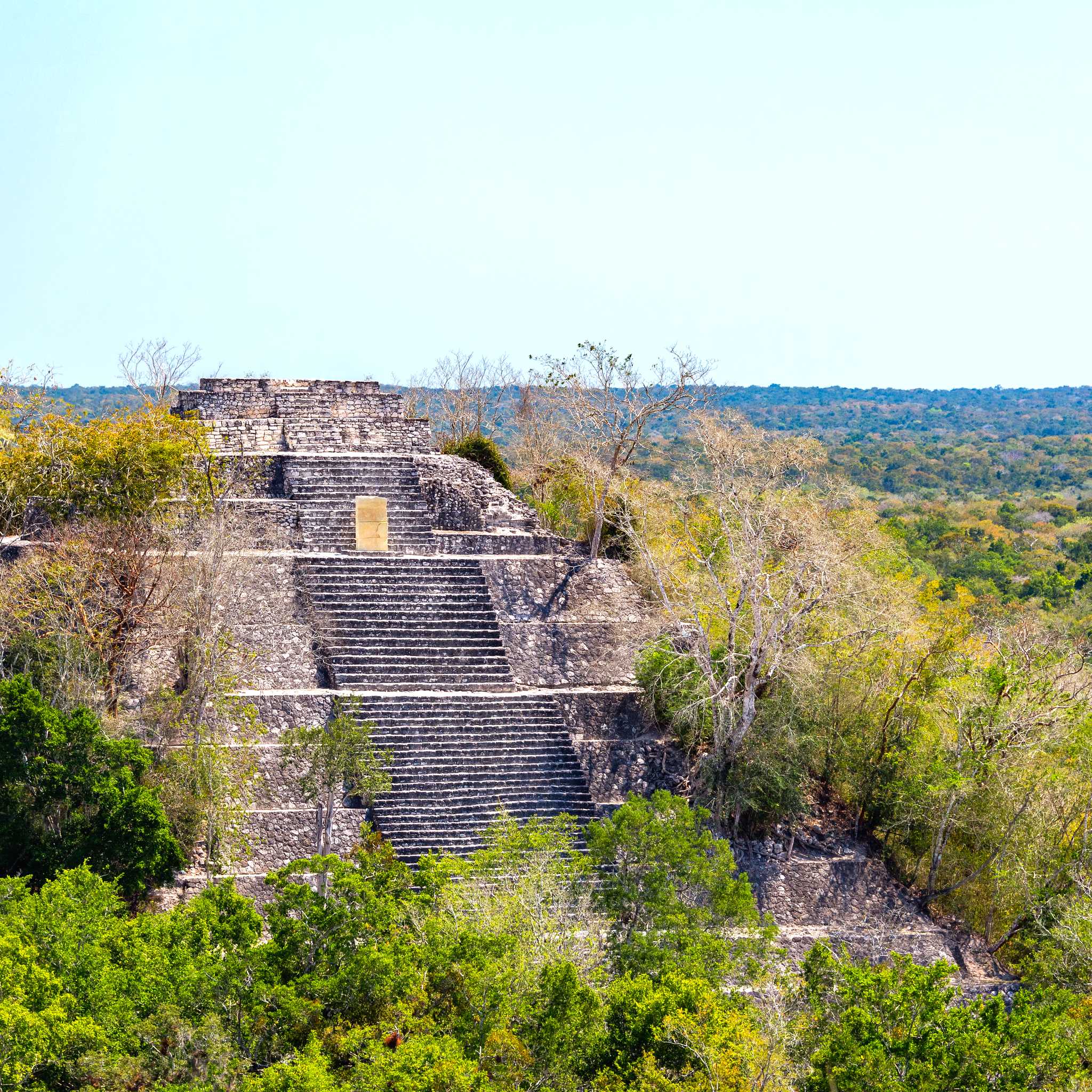
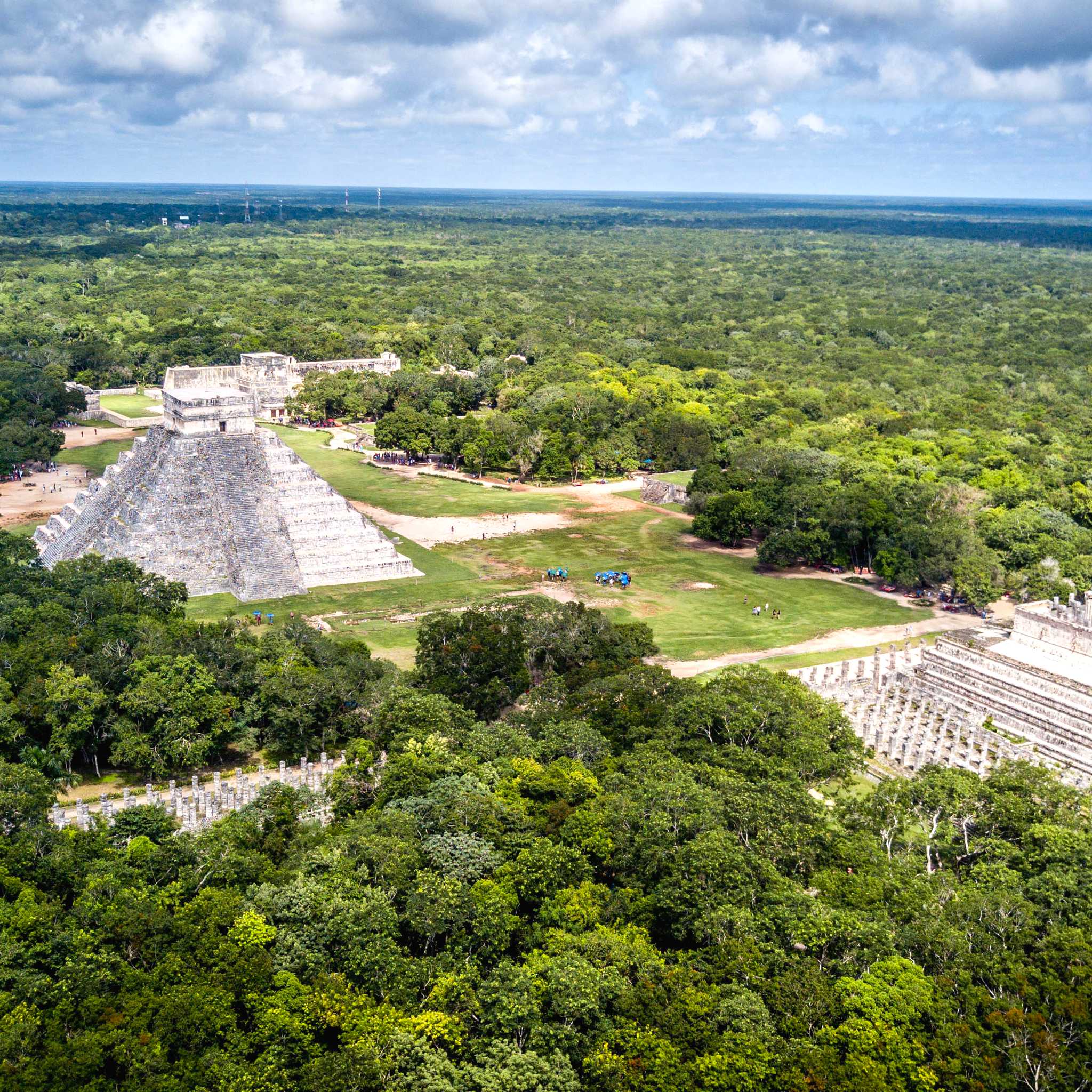
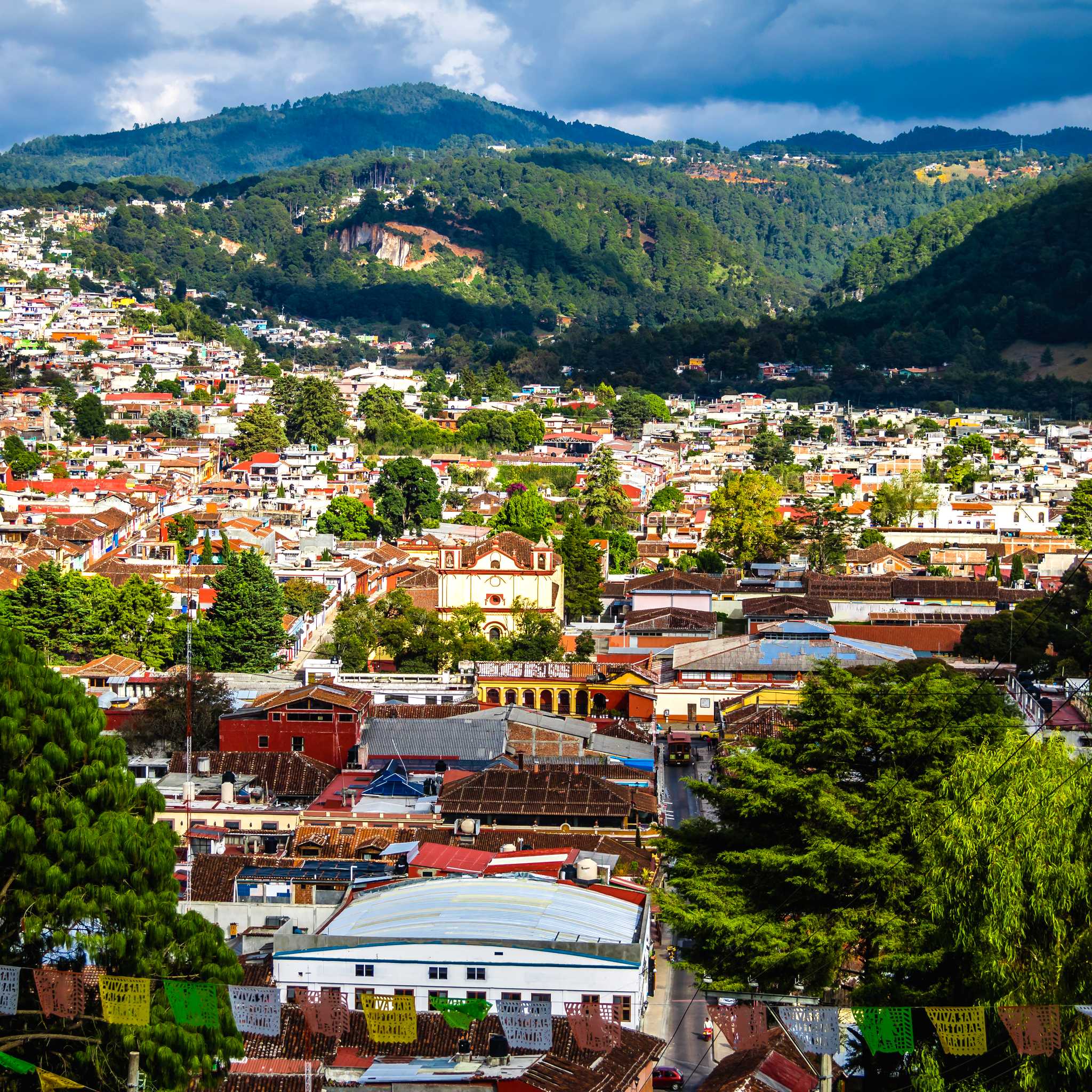
The fortified walls and bastions (baluartes) are the city's defining feature, and several now house small museums worth exploring. The colorful streets around Calle 59 and the main plaza reward slow wandering with a camera. For history beyond the colonial era, the Fuerte San Miguel fort houses a compelling museum of Maya artifacts, and the nearby ruins at Edzna are easily reachable for a rewarding half-day trip.
Mexico's official currency is the Mexican peso (MXN). Cash is widely used, especially in Campeche's local markets, street food stalls, and smaller restaurants. While cards are accepted at larger hotels and some shops, it is wise to carry pesos in small denominations. Use ATMs affiliated with major banks during the day for the safest withdrawals. Avoid exchanging money at airport kiosks, which typically offer poor rates.
November through April is the most comfortable time to visit, when the weather is warm and humidity is lower. May through October is the rainy season and can bring very hot, humid days with afternoon showers. Campeche is far less crowded than other Yucatan Peninsula destinations year-round, so even peak season feels manageable. Carnival celebrations in February and March add a festive atmosphere if you enjoy local cultural events.
Spanish is the official language of Mexico. In Campeche, as across the country, Spanish is the primary language for daily life and business. A working knowledge of Spanish is very helpful, especially in local markets and neighborhoods away from the main tourist area. The local Mayan languages of the Yucatan Peninsula are still spoken in some rural communities, adding cultural depth to the broader region.
Campeche has a distinct culinary identity built around seafood and Maya-influenced flavors. Try pan de cazon, a layered tortilla dish made with baby shark, black beans, and tomato sauce that is unique to the region. Coconut shrimp, fresh fish tacos, and coctel de camaron (shrimp cocktail) are street food staples near the waterfront. Panuchos and salbutes, tortilla-based bites with various toppings, make excellent and inexpensive market snacks.