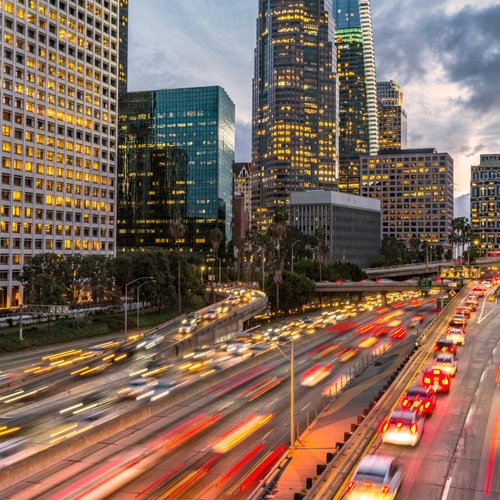
El Salvador has undergone a dramatic safety transformation in recent years. In early 2026, the US State Department reclassified El Salvador to its lowest advisory level, reflecting historically low crime rates. As with any destination, practicing common sense is important: avoid isolated areas after dark, keep valuables out of sight, use reputable transportation, and stay alert in crowded public spaces. Visitor experiences are widely positive.
Tap water in San Salvador is generally considered safe compared to rural areas, though many visitors and locals prefer to drink bottled or filtered water to avoid any stomach issues. Bottled water is inexpensive and widely available. When eating at street stalls, opt for freshly prepared hot food, and avoid raw salads or unpeeled fruit that may have been washed in unfiltered water.
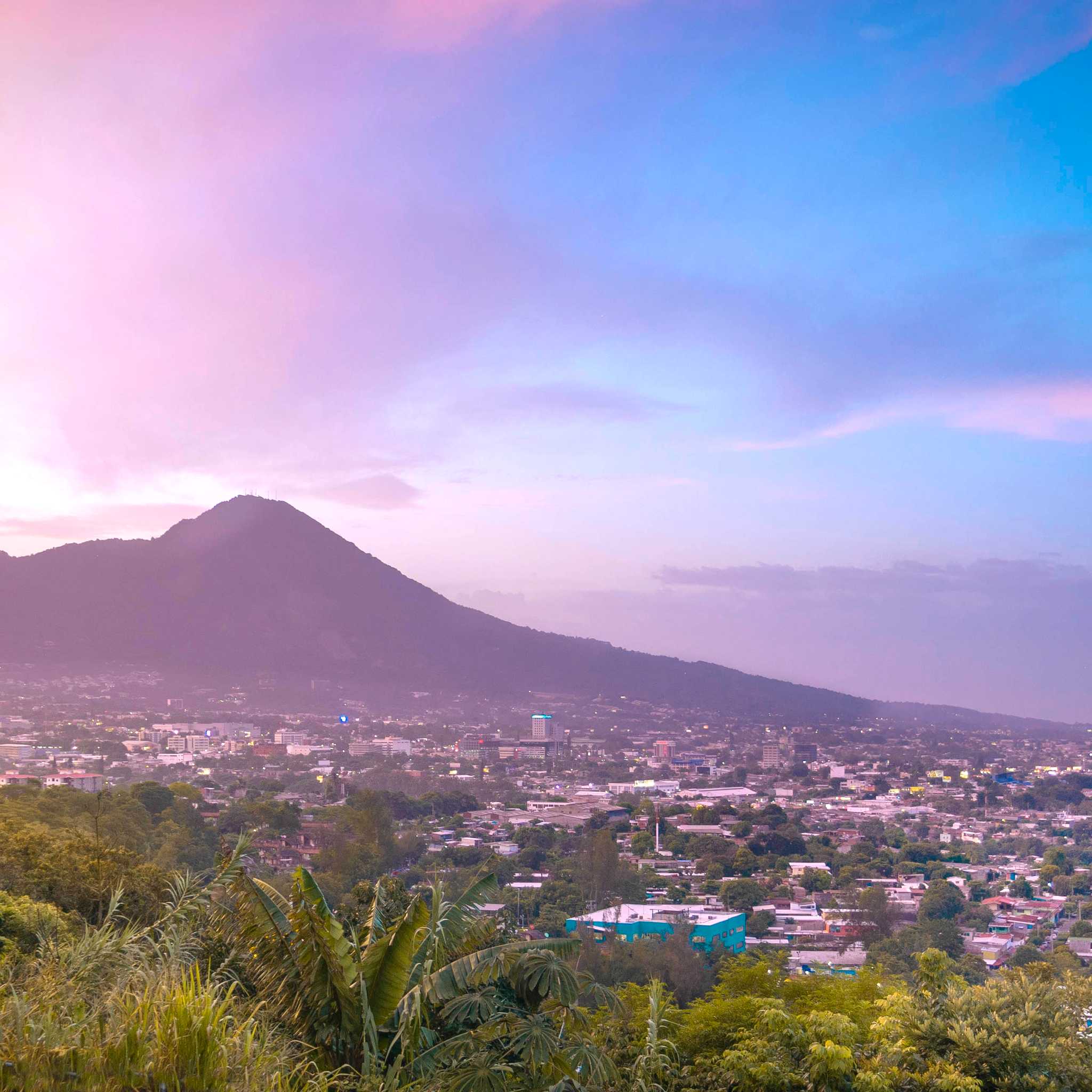
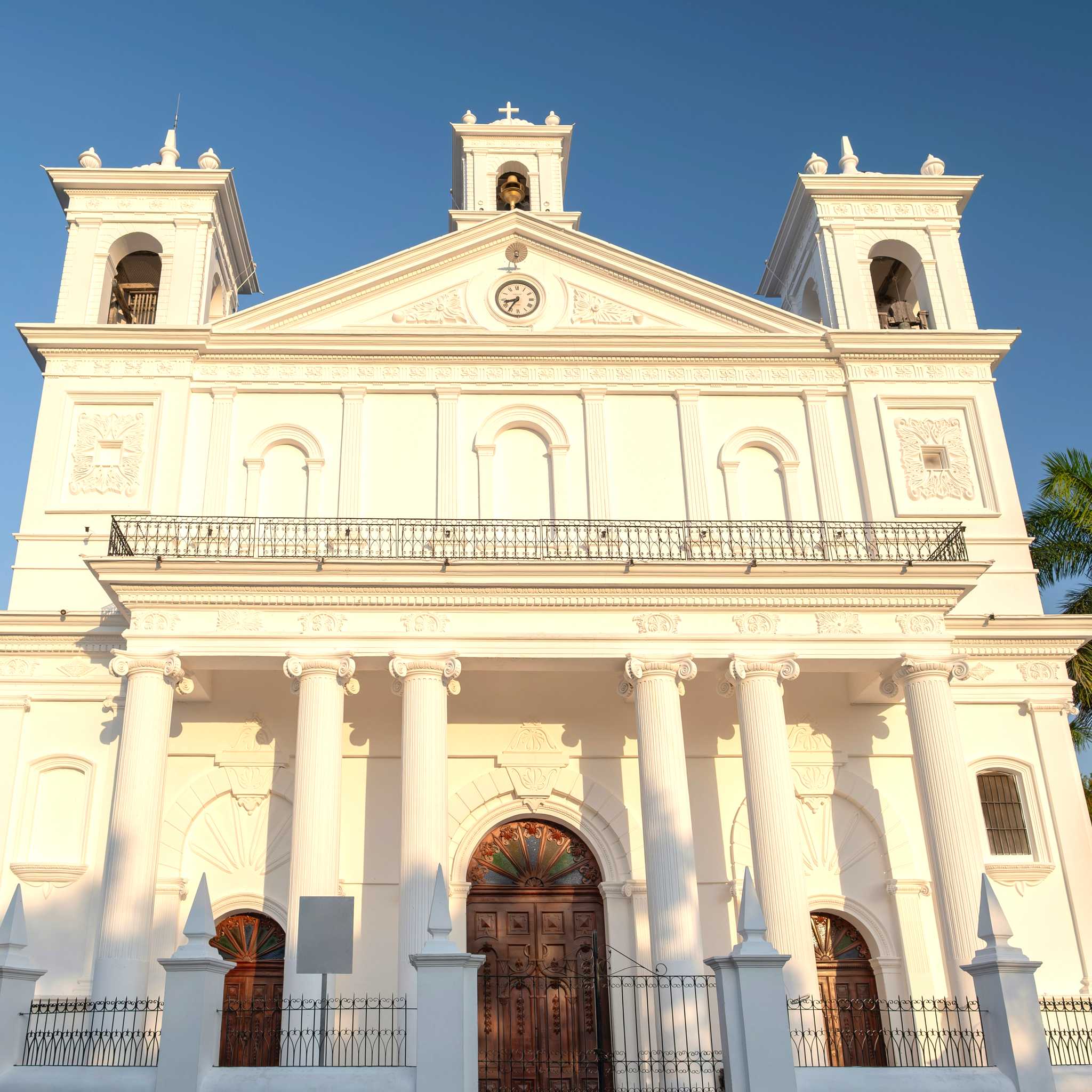
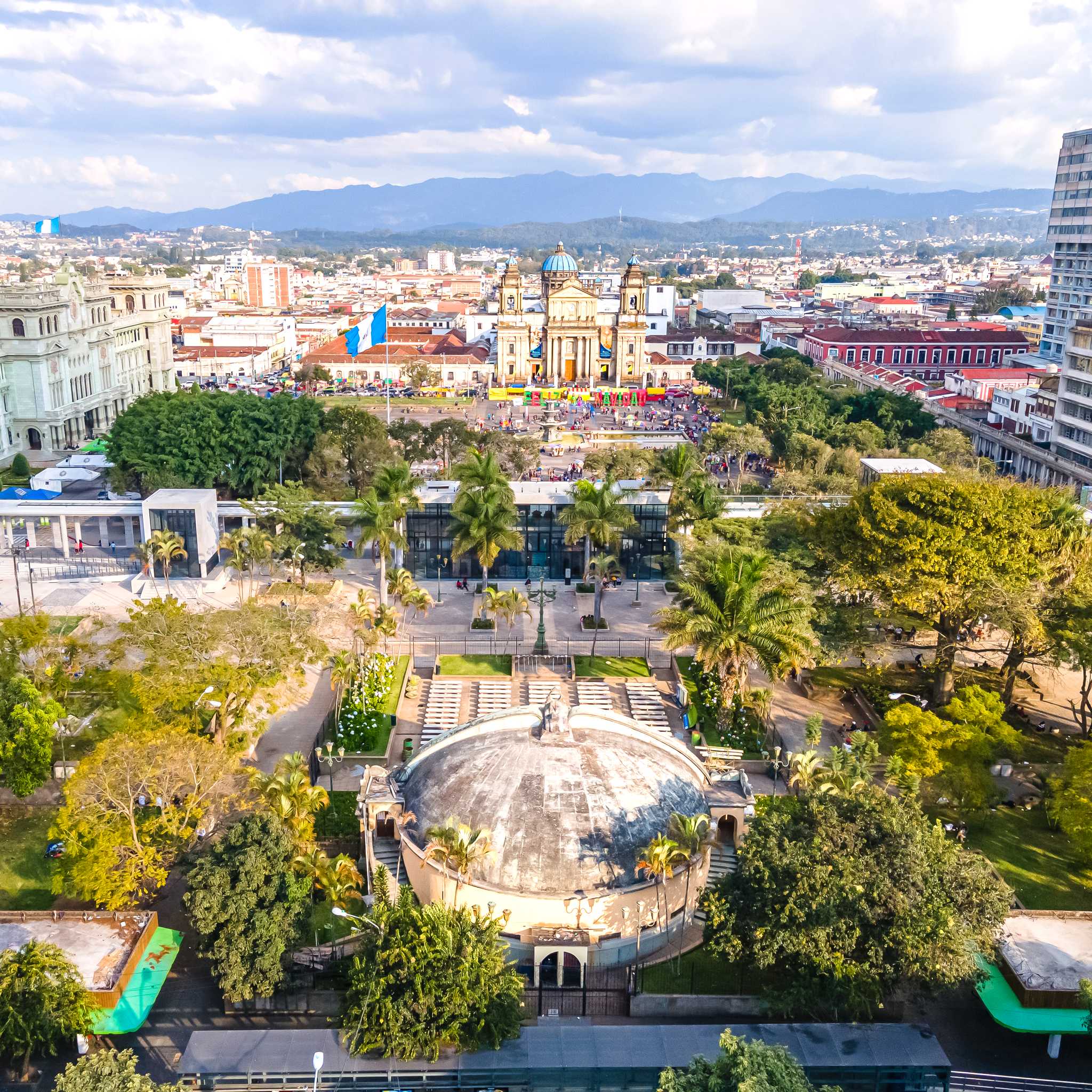
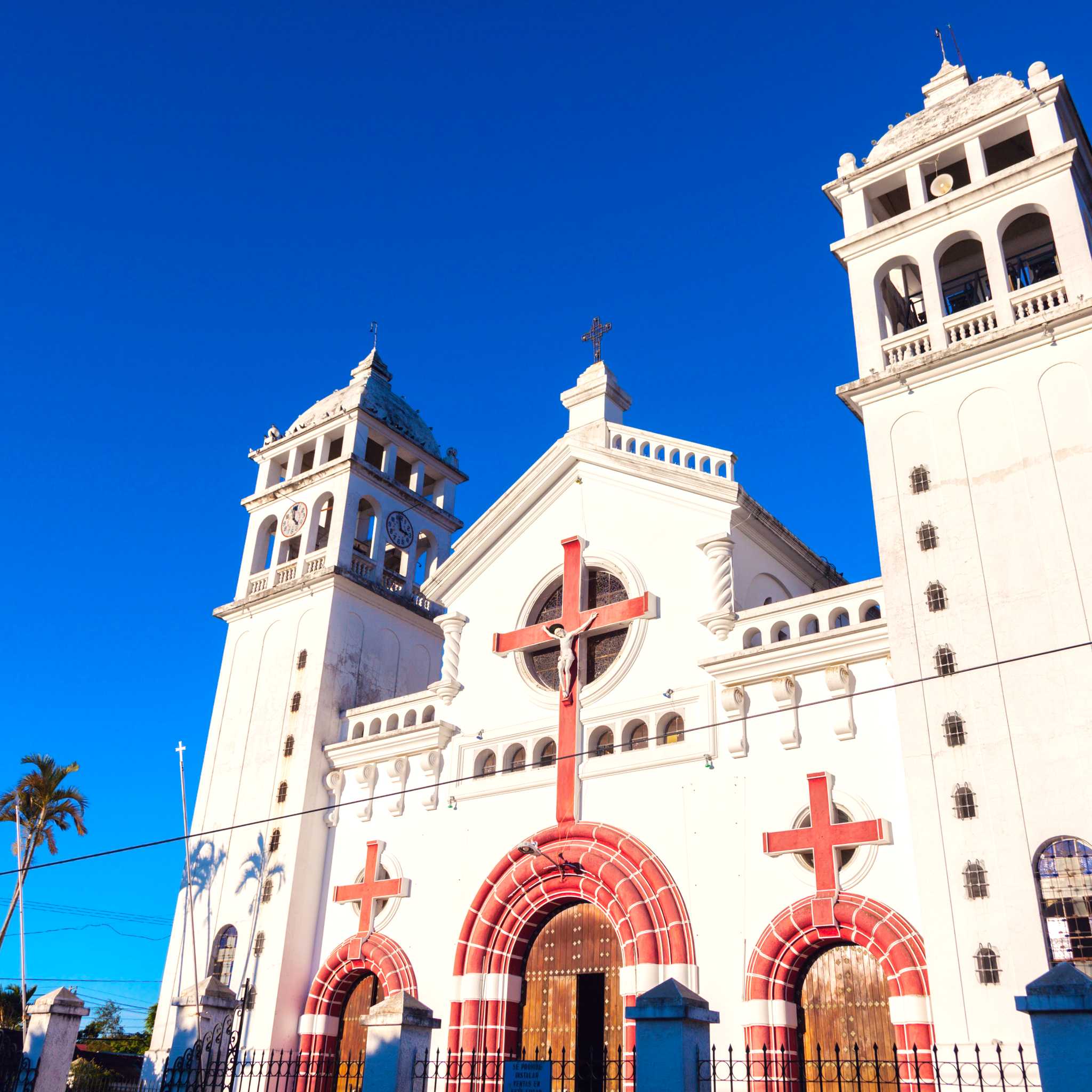
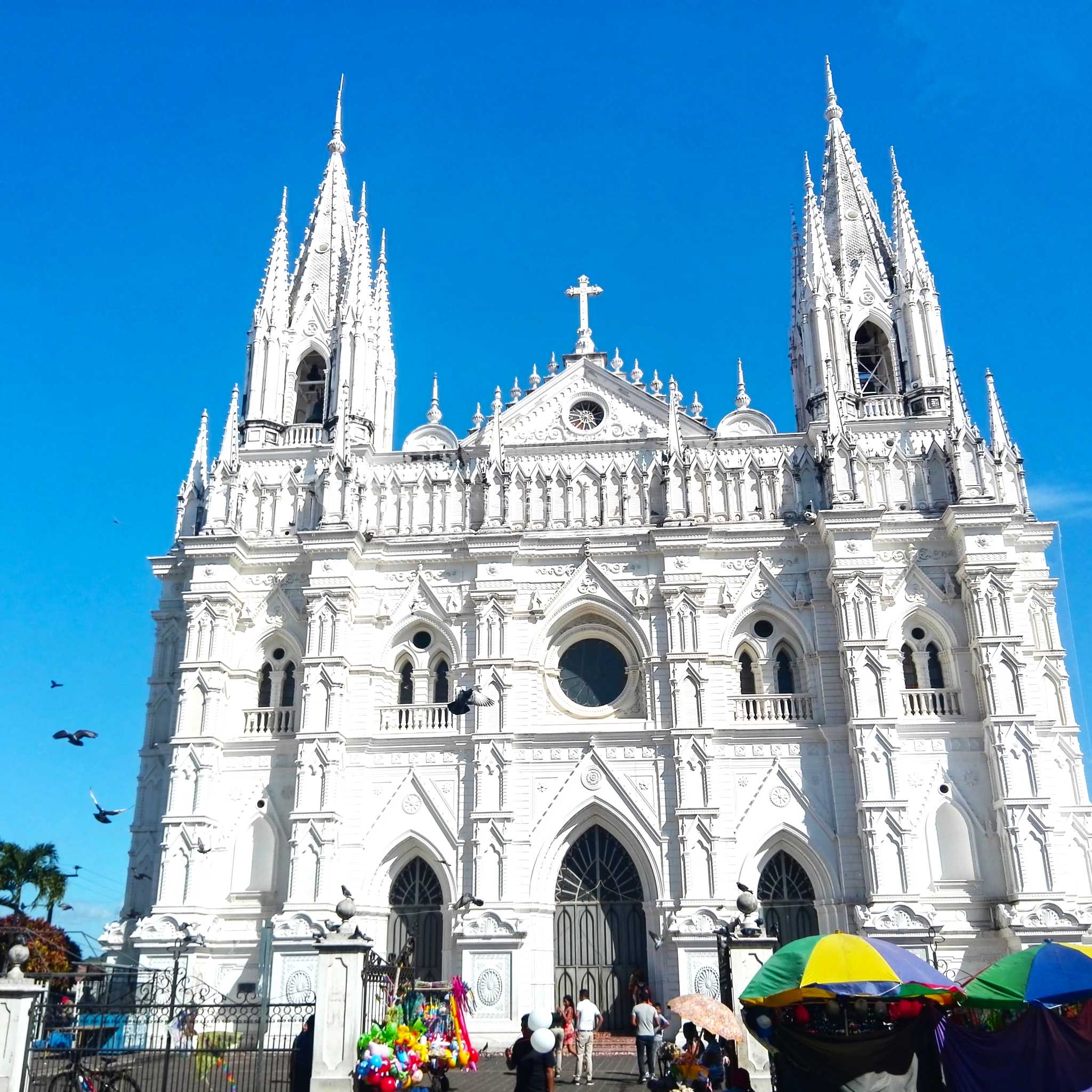
San Salvador is full of things to explore. Key highlights include the National Palace, the colorful El Rosario Church with its stained-glass walls, the Metropolitan Cathedral, and the Plaza El Salvador del Mundo. A short drive from the city, El Boqueron National Park lets you hike to the rim of the San Salvador volcano crater. Lake Coatepeque, a stunning volcanic crater lake, is another popular day trip destination.
The dry season, from November through April, is the best time to visit San Salvador. Expect warm, sunny days and clear skies, which makes exploring outdoor sites and the surrounding volcanoes much more pleasant. The rainy season runs from May through October and brings afternoon downpours. Try to avoid traveling during major holidays like Holy Week (Semana Santa) and early August if you prefer smaller crowds and lower hotel prices.
El Salvador uses the US dollar (USD) as its official currency, which makes budgeting very straightforward for American travelers. Bitcoin is also legal tender, though most everyday transactions use dollars. Credit cards are accepted at larger hotels, restaurants, and malls, but it is wise to carry cash for local markets, smaller eateries, and rural areas.
Spanish is the official language of El Salvador, and it is spoken throughout the country. In San Salvador, English is understood in larger hotels, upscale restaurants, and some tourist areas, but less commonly in everyday local settings. Downloading a translation app and learning a few basic Spanish phrases before your trip will make interactions smoother and more enjoyable.
San Salvador has public buses, but they are not recommended for visitors due to safety concerns and unreliability. Rideshares like Uber are widely available throughout the greater metro area and are considered a safer and more convenient option. For trips outside the city, arranging private transportation in advance is strongly advised, especially if you plan to travel after dark.
El Salvador's signature dish is the pupusa, a thick handmade corn tortilla stuffed with cheese, pork, beans, or squash, typically served with pickled cabbage (curtido) and tomato salsa. You will find pupuserias everywhere in San Salvador. Other local favorites include yuca frita (fried cassava), platanos fritos (fried plantains), and sopa de pata, a hearty traditional tripe soup.