The routes to Samaipata, Amboró, and the Jesuit Missions pass through rural Bolivia where public transport is infrequent, schedules are unpredictable, and connections can add hours to what should be a straightforward journey. A private transfer removes all of that friction. You leave when you want, stop where the scenery demands it, and have a driver who knows the roads. This is particularly valuable for Samaipata and Amboró, where the best parts of the experience are at the site itself — not the hours you spend waiting at a bus terminal.
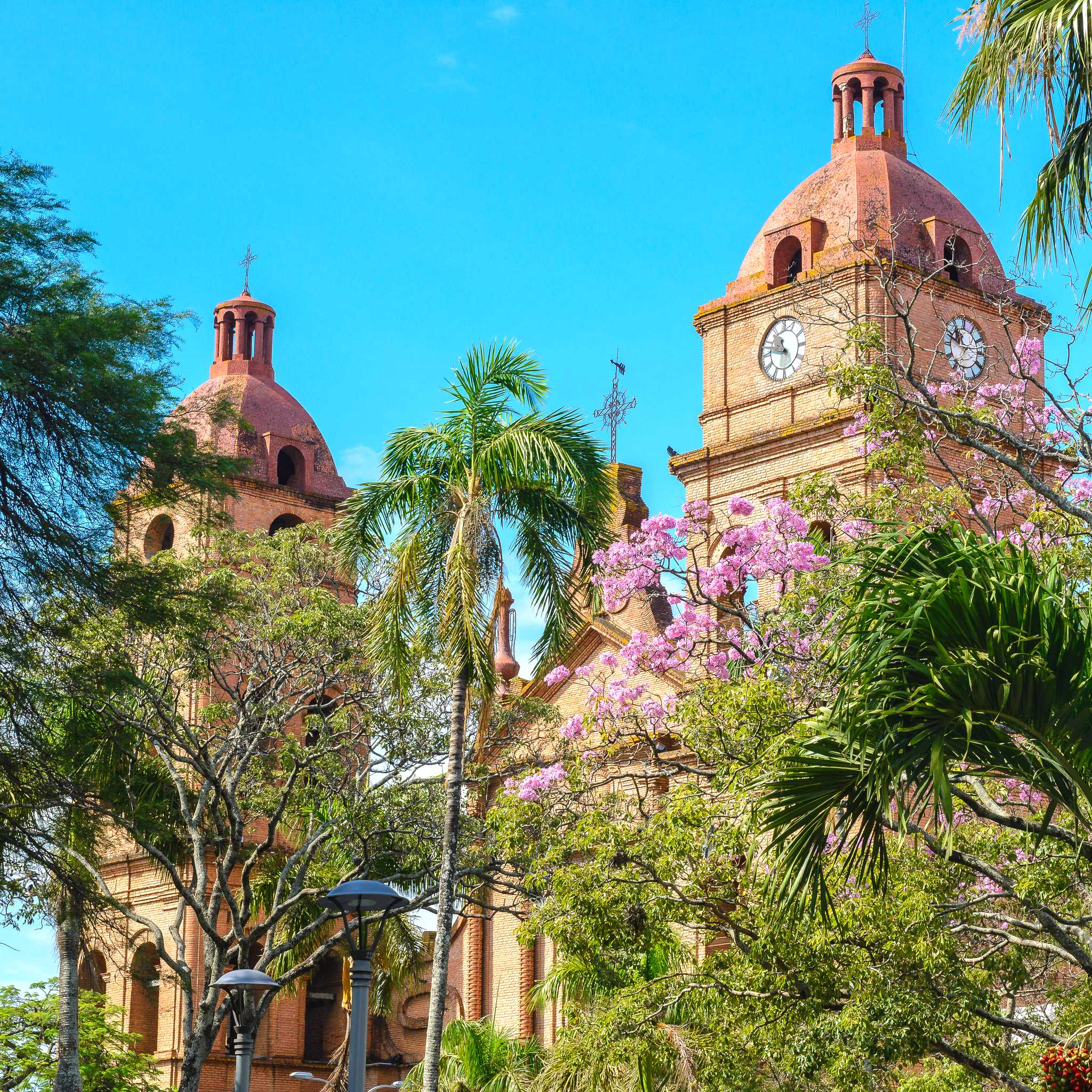
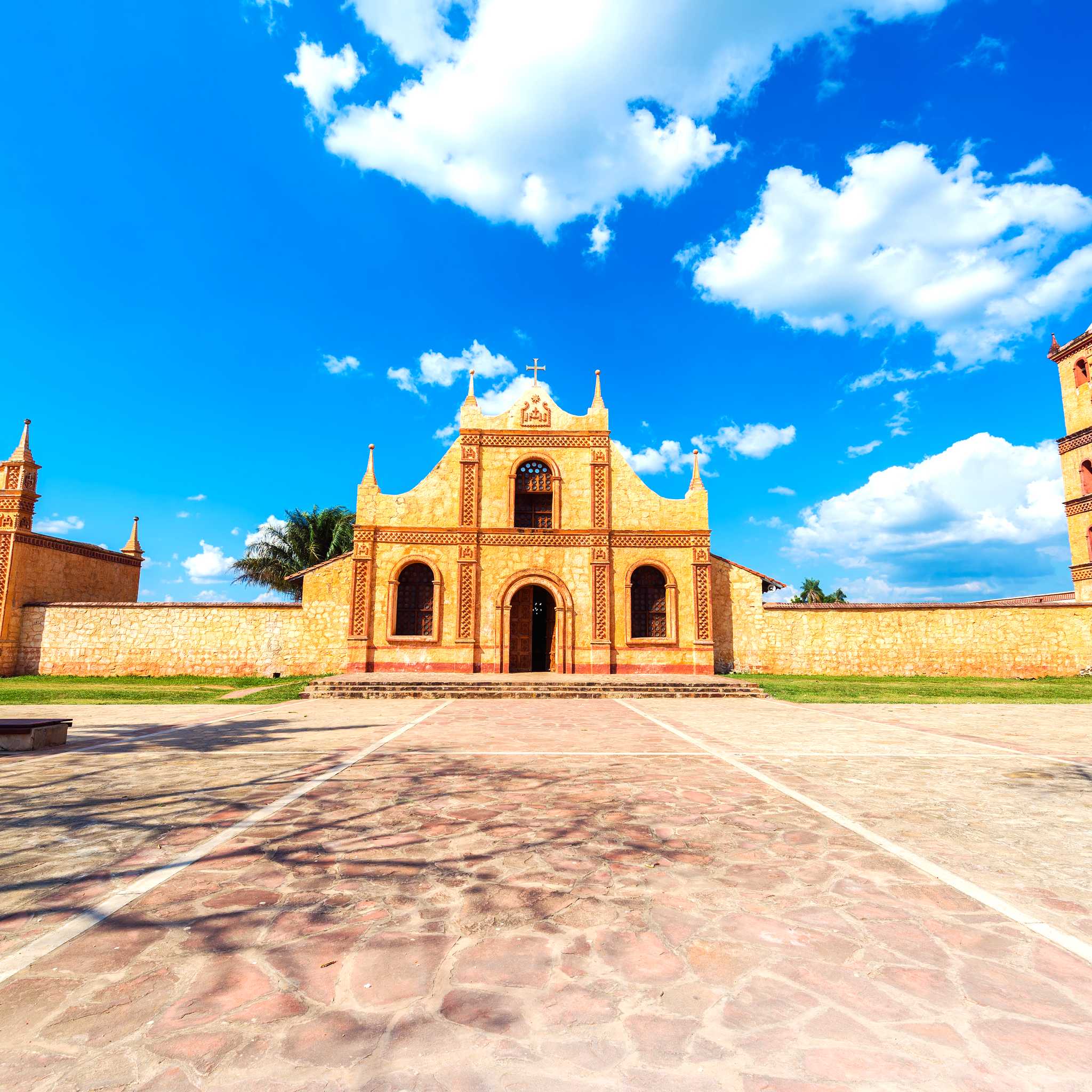
The Jesuit Mission circuit — a UNESCO World Heritage Site — is a series of mission towns established by Jesuit priests in the 17th and 18th centuries among the indigenous Chiquitano people. The missions are famous for their extraordinary Baroque churches: ornate, hand-carved wooden interiors built in a fusion of European and indigenous artistic traditions that is unlike anything else in South America. The closest mission, San Javier, is approximately 230 km (143 miles) from Santa Cruz de la Sierra, making it achievable as a long day trip. Concepción, roughly 330 km (205 miles) away, is the most celebrated and typically better suited to an overnight if you want to do the circuit justice.
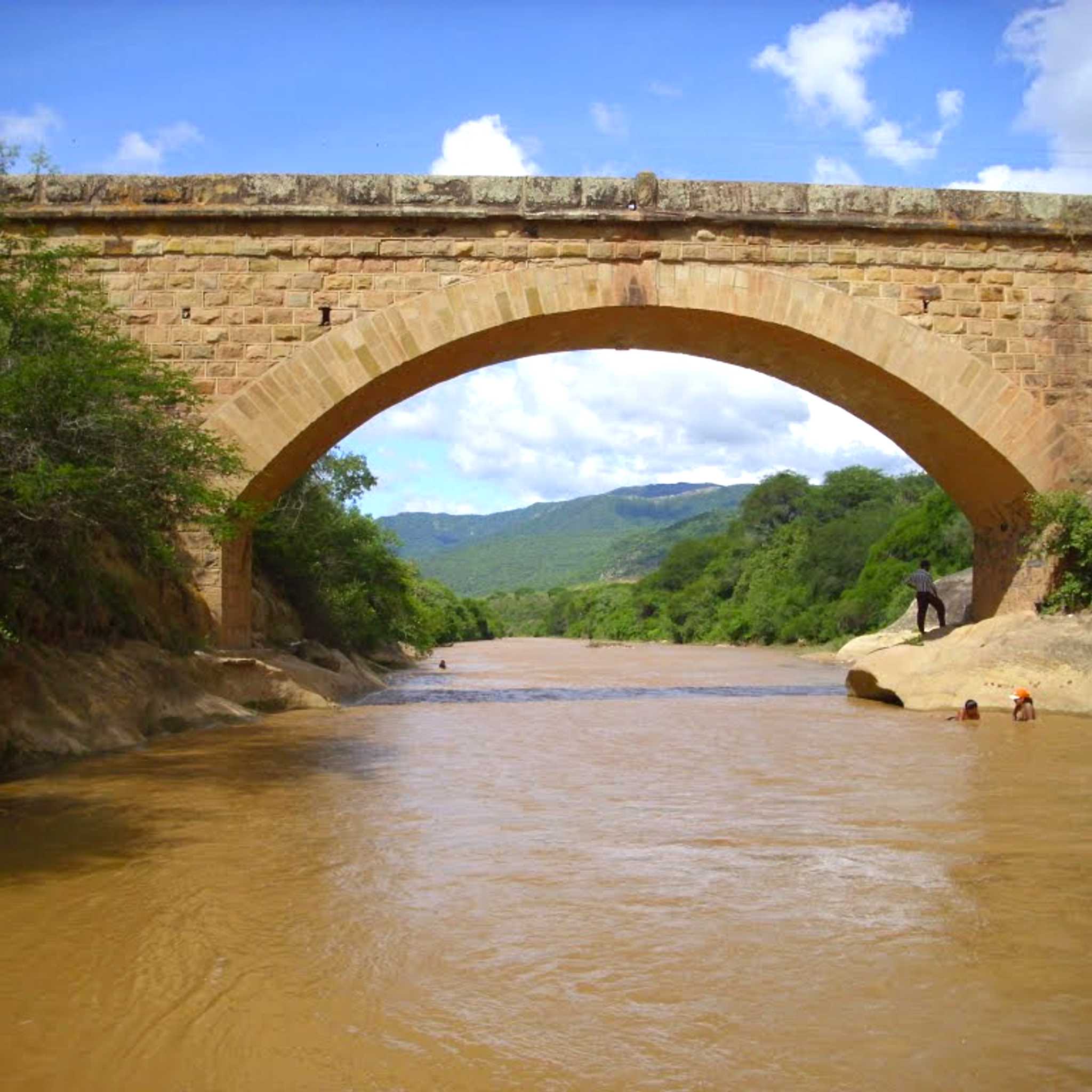
Amboró sits at the intersection of three distinct ecosystems — Andean foothills, Amazon basin, and the dry Chaco — which makes it one of the most biodiverse protected areas on Earth. Day visitors typically enter through the Buena Vista gateway, approximately 100 km (62 miles) from Santa Cruz de la Sierra, and access trails that wind through cloud forest and subtropical jungle. Bird diversity here is extraordinary, with hundreds of species recorded including toucans, macaws, and rare endemic birds. Even a single day gives you a genuine immersion in this landscape — though the park rewards those who can linger.
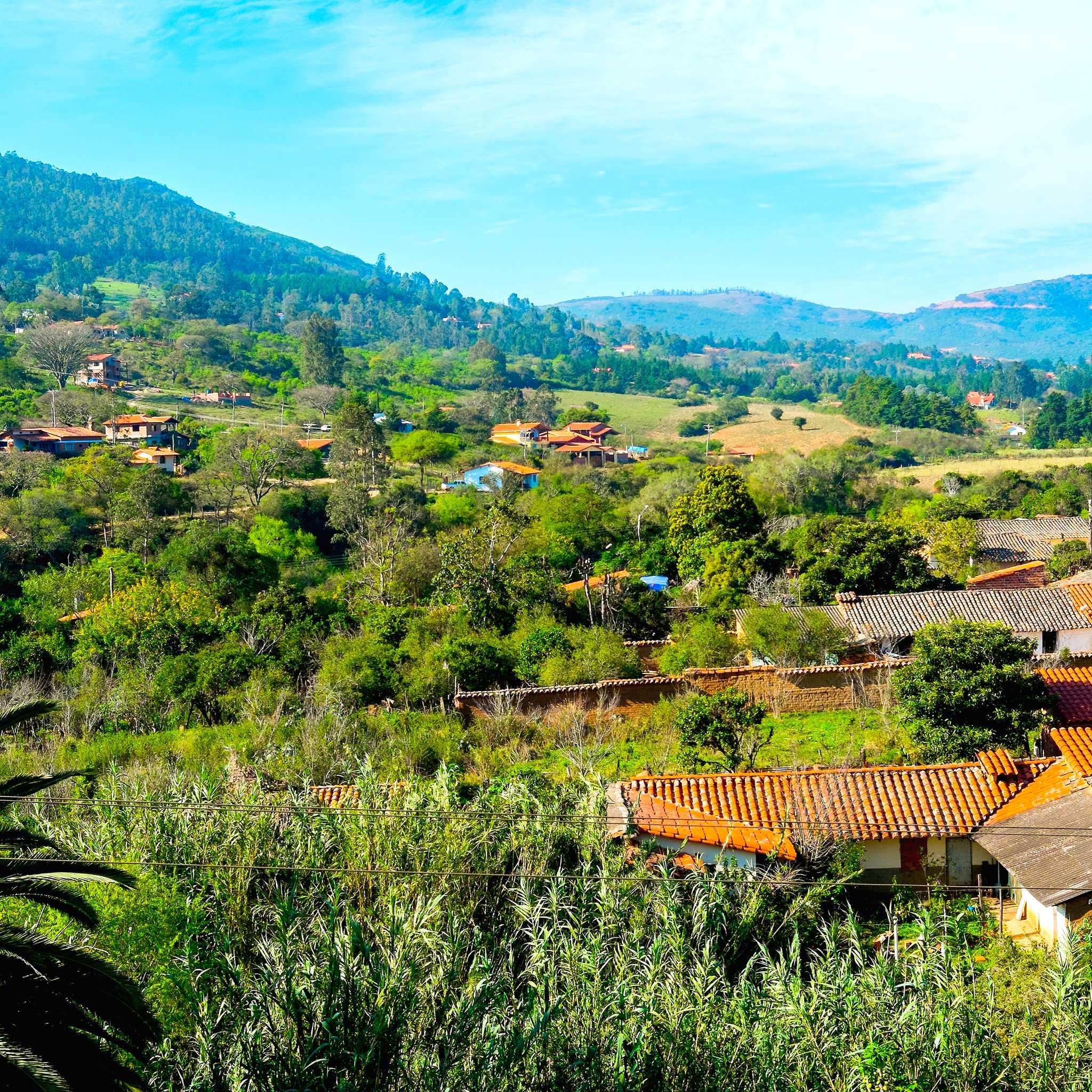
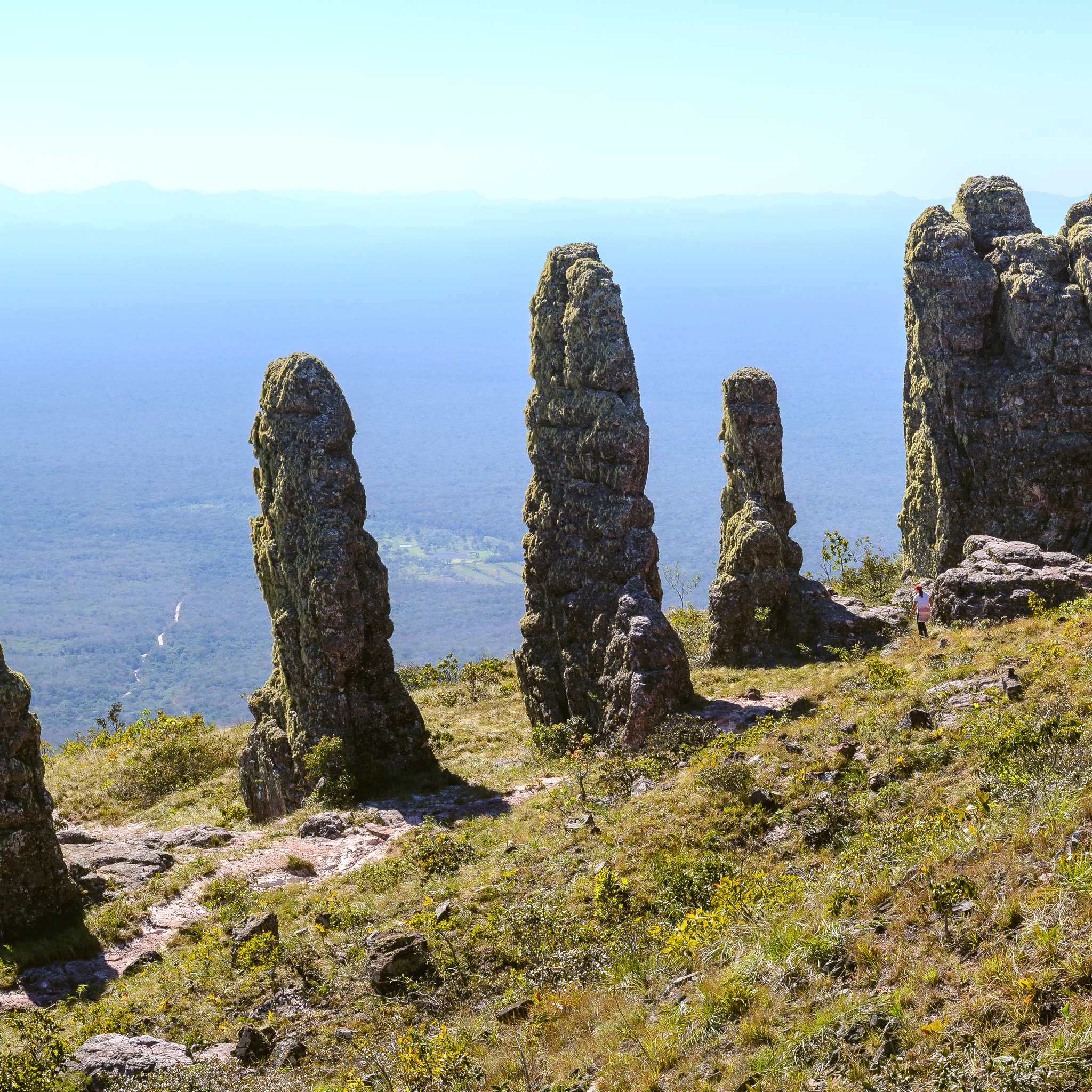
El Fuerte de Samaipata is a UNESCO World Heritage Site located roughly 120 km (75 miles) west of Santa Cruz de la Sierra, set in green foothills at a comfortable altitude. The site's centerpiece is an enormous carved sandstone rock — the largest known pre-Columbian carved rock in the world — etched with channels, niches, and geometric forms whose purpose archaeologists still debate. Beyond the ruins, the village of Samaipata itself is a relaxed, traveler-friendly town with craft shops and good food. The combination of an extraordinary archaeological site and a scenic mountain setting makes this one of the most rewarding single-day excursions in Bolivia.
Santa Cruz de la Sierra has a tropical climate, and the seasonal distinction matters for day-trippers. The dry season, roughly May through October, brings clearer skies, more passable rural roads, and better conditions for both wildlife spotting in Amboró and exploring the open-air archaeological site at Samaipata. The wet season, November through April, can make some roads difficult, particularly toward Amboró, though the landscape turns intensely green and lush. For the Jesuit Missions circuit, the dry season is generally preferred for road reliability over the longer distances involved.
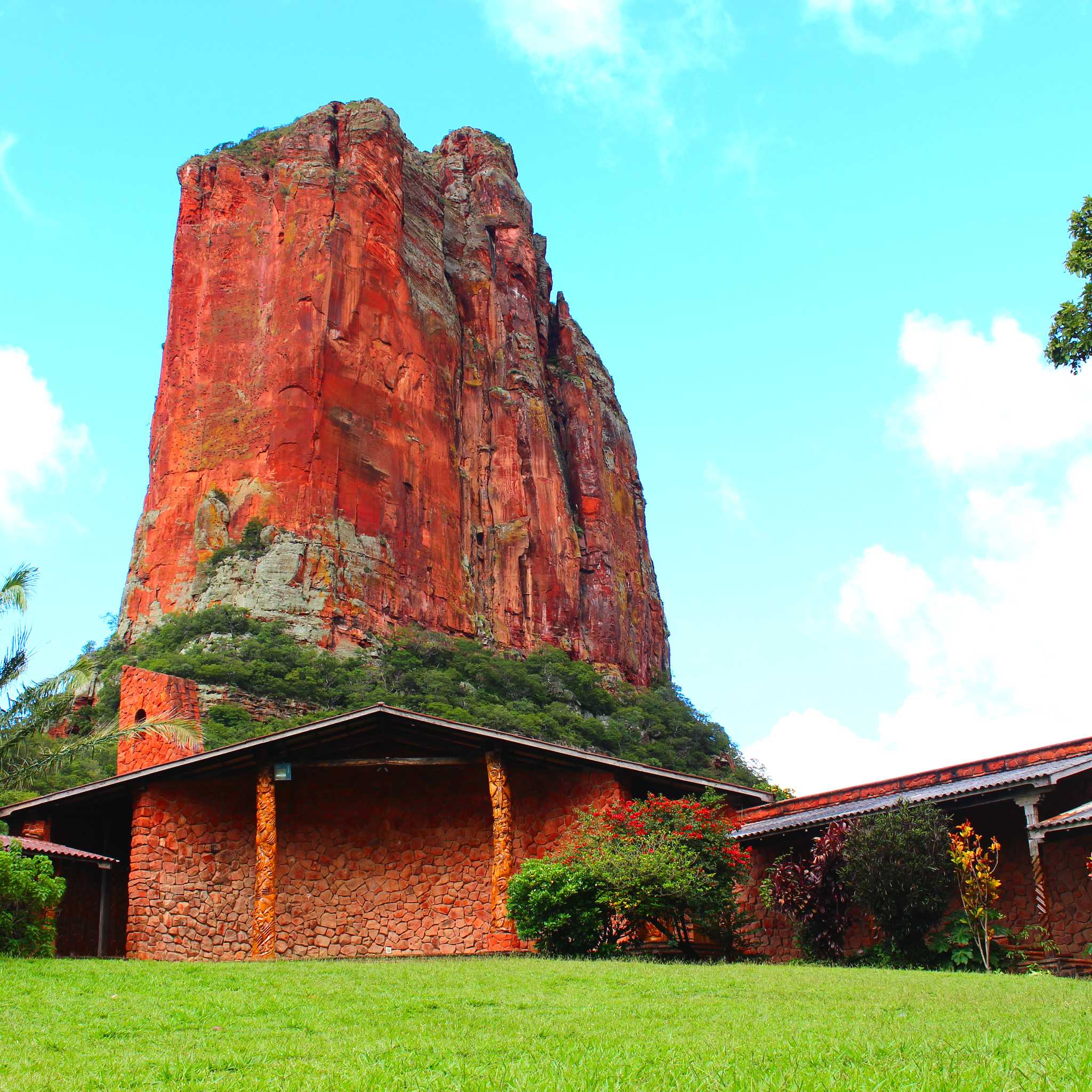
Santa Cruz de la Sierra is Bolivia's largest city and its economic capital, but its real appeal for travelers is what surrounds it. Within a few hours in any direction you have a UNESCO-listed pre-Inca fortress, one of the world's great tropical national parks, and a chain of Baroque Jesuit mission churches that rival anything in South America. The city sits in the eastern tropical lowlands — a completely different Bolivia from the high-altitude Andes that most visitors picture — and that geography opens up a distinct set of natural and cultural experiences that are genuinely hard to find anywhere else on the continent.