Santa Teresa sits at the southern tip of the Nicoya Peninsula and requires some effort to reach. From San Jose, options include a small plane to Tambor followed by a shuttle, a shuttle bus with ferry crossing from Puntarenas, or a private car transfer. From Liberia, expect a drive of around five to six hours. Renting a 4x4 is helpful for exploring the area.
Yes, Santa Teresa is one of Costa Rica's top places to learn how to surf. Playa Hermosa, just north of town, has a sandy bottom and gentle beach breaks ideal for beginners. Playa Carmen offers more consistent waves for those progressing. Dozens of surf camps and schools offer group and private lessons, along with board rentals, making it welcoming for first-time surfers.
Yes, Santa Teresa is generally considered safe, including for solo and female travelers. The community is welcoming, and the overall vibe is relaxed. However, petty theft on the beach is not uncommon, so don't leave belongings unattended and avoid flashing valuables. Stick to well-lit areas at night, and use licensed taxis or reputable shuttles for longer journeys. Travel insurance is recommended.
Santa Teresa stretches along one main, mostly unpaved road that runs parallel to the beach. Within town, walking between cafes, shops, and the beach is easy, though roads can be dusty, muddy, or bumpy. Many visitors rent quads, scooters, or bicycles to get around more easily. The uneven roads can be challenging for strollers and wheelchair users, so plan accordingly.
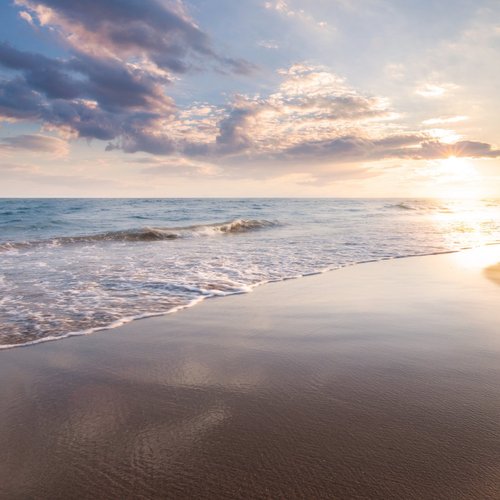
Surfing is the main attraction, with beaches like Playa Carmen, Playa Hermosa, and Playa Santa Teresa offering waves for every level. Beyond surfing, enjoy yoga classes, sunset at the beach, horseback riding, ATV tours, and waterfall visits at Montezuma. Boat trips to Tortuga Island, zip-lining, and fresh seafood dining are also popular pura vida experiences.
Costa Rica uses the Costa Rican colon, but U.S. dollars are widely accepted across the country, especially in Santa Teresa. Most restaurants, hotels, and shops take credit cards, though some smaller places prefer cash. Spanish is the official language, and in Santa Teresa's international surf community, English is widely spoken. A few Spanish phrases always go down well with locals.
The best time to visit Santa Teresa depends on your priorities. The dry season from mid-December to April brings sunny skies and calm waves, perfect for beach lovers and beginner surfers. The green season from May to November has more rain but bigger swells and lush jungle scenery, ideal for experienced surfers. Avoid late September and October, the wettest months.
Start with gallo pinto, a tasty rice and black bean dish often served for breakfast with eggs and plantains. Casado, a hearty plate of rice, beans, salad, plantains, and a protein, is a classic lunch. In Santa Teresa, fresh seafood like ceviche, grilled mahi-mahi, and fish tacos is a highlight. Don't miss tropical fruits, coconut water, and Costa Rican coffee.