Yes, Queretaro is regularly ranked as one of the safest cities in Mexico, with a well-maintained historic center, visible police presence, and a generally calm atmosphere. Standard travel precautions apply, such as using trusted transport at night, avoiding displays of valuables, and staying aware of surroundings in crowded areas. Many visitors feel comfortable walking around the center during the day and evening.
Yes, the UNESCO-listed historic center of Queretaro is very walkable, with many car-free pedestrian streets known as andadores, flat plazas, and compact distances between sights. Cobblestones in some areas can be uneven, which may be challenging for strollers and wheelchairs. The rest of the city is larger and hilly, so taxis or ride-hailing apps are useful when exploring beyond centro historico.
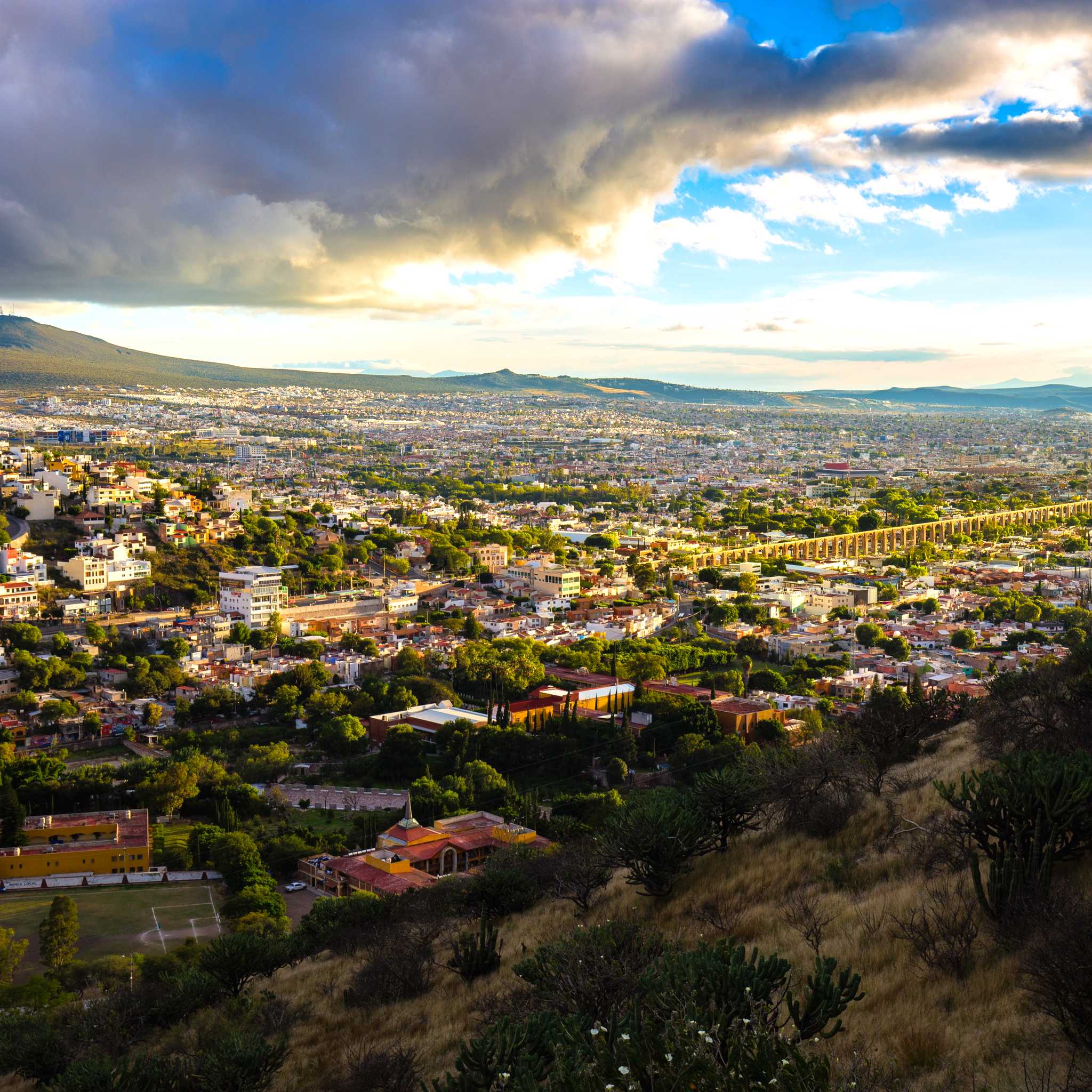
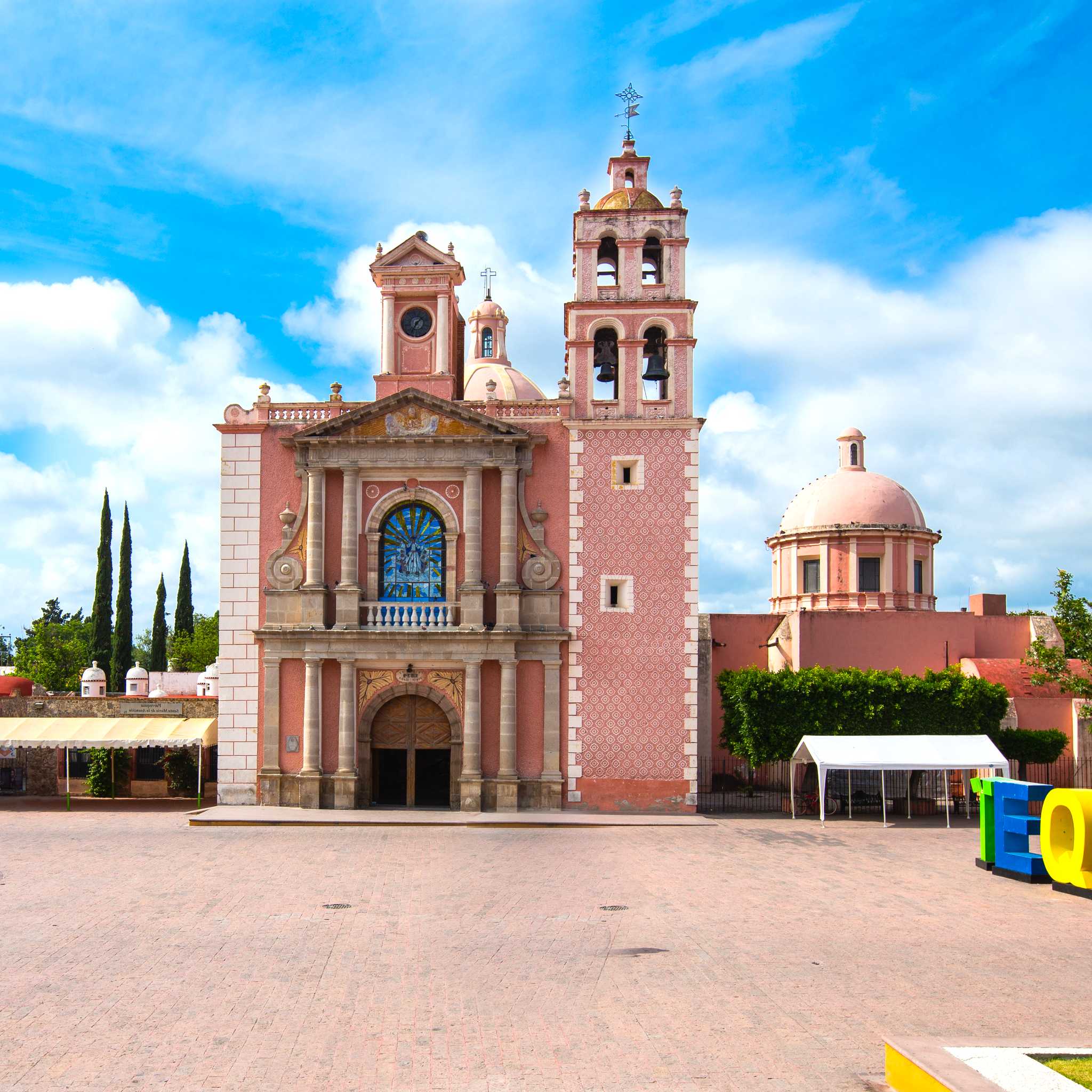
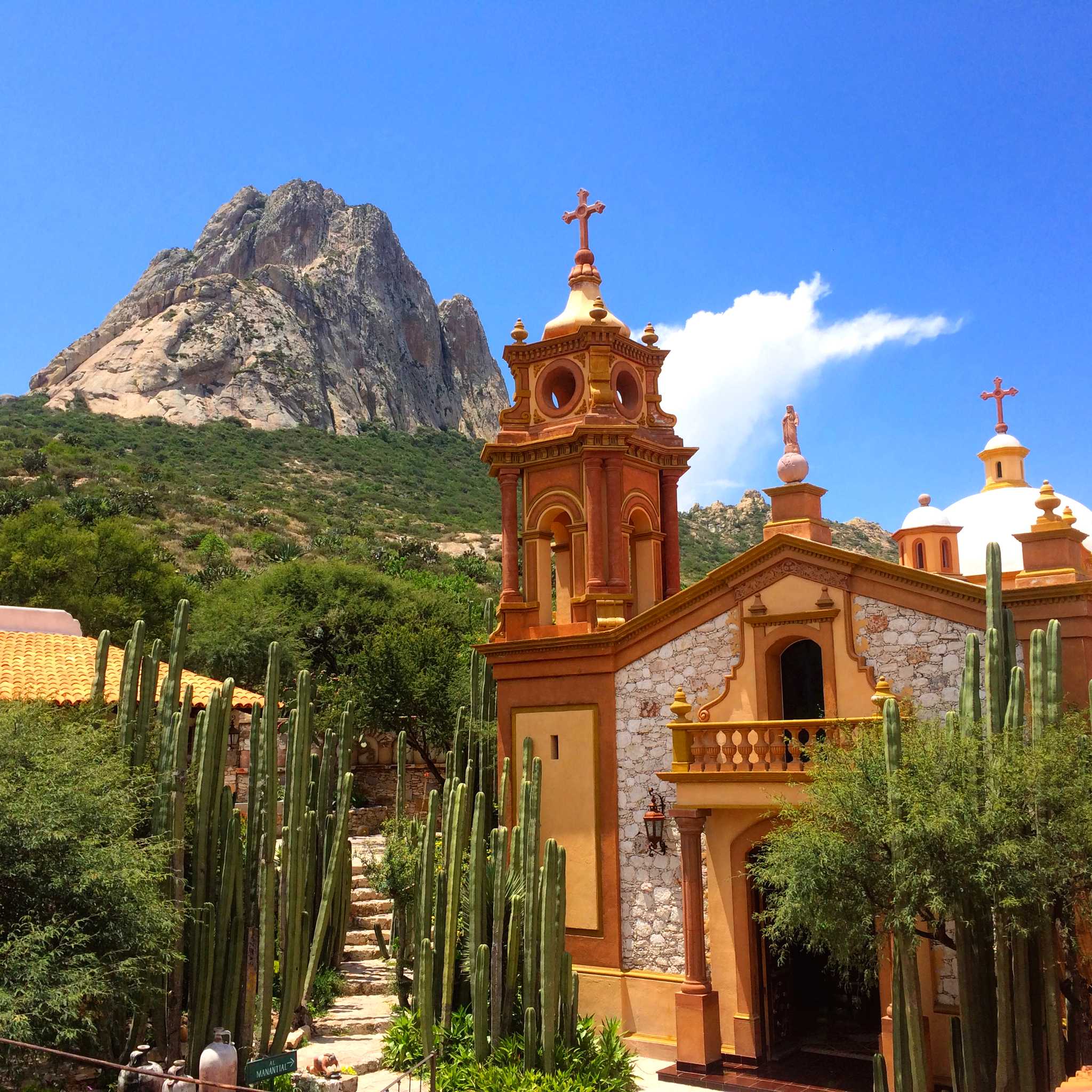
The UNESCO-listed historic center is the highlight, filled with pedestrian streets, baroque churches, plazas, and colorful houses. Visit the iconic Los Arcos aqueduct, tour the Regional Museum in a former convent, and explore temples like Santa Rosa de Viterbo and Santa Cruz. Join a storytelling night tour, sample wines in nearby Valle de Tequisquiapan, and climb Pena de Bernal, a towering monolith.
Mexico uses the Mexican peso. Credit cards are widely accepted in Santiago de Queretaro's hotels, restaurants, and larger shops, though cash is useful for smaller vendors, street food stalls, and markets. ATMs are easy to find in the city center. Spanish is the official language, and while English is common at travel-oriented businesses, a few Spanish phrases are always appreciated by locals.
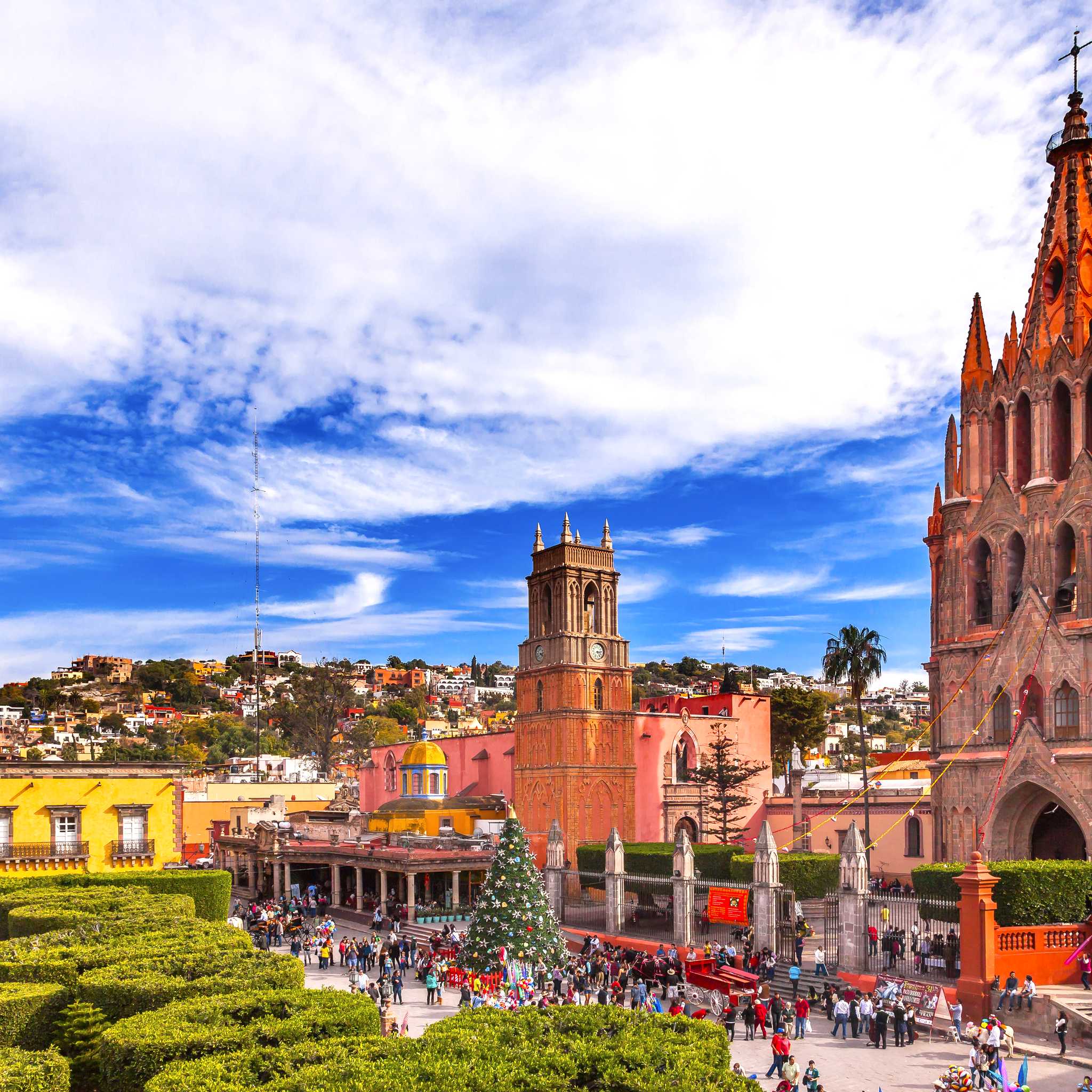
Queretaro is surrounded by magical towns known as Pueblos Magicos. Popular day trips include Bernal, home to one of the world's largest monoliths, Tequisquiapan with its wine and cheese route, and historic San Miguel de Allende, about 90 minutes away. Nature lovers can head to the Sierra Gorda Biosphere Reserve, while history fans can visit the missions of the Sierra Gorda or Hidalgo.
The best time to visit Santiago de Queretaro is from November to April, during the dry season with warm days, cool evenings, and minimal rainfall. This is also when major festivals like the Feria Internacional del Queso y el Vino take place nearby. The rainy season from May to October brings lush landscapes and short afternoon showers, especially in the surrounding wine country.
Santiago de Queretaro has a semi-arid climate with warm, sunny days and cool evenings year-round, thanks to its elevation of about 1,820 meters, or 6,000 feet. Daytime temperatures typically range from 70 to 85 Fahrenheit, while nights can drop considerably, especially in winter. Rain mostly falls between May and October in short afternoon bursts. Pack layers, sun protection, and comfortable walking shoes.
Try enchiladas queretanas, tortillas dipped in red guajillo chili sauce and topped with potatoes, carrots, and queso fresco. Gorditas stuffed with beans, cheese, or chicharron are popular street food. Sample local cheeses from the nearby Queretaro wine and cheese route, and regional specialties like cabrito roasted goat, nopal cactus dishes, and sweet treats such as ate de membrillo. Pair them with Queretaro wines.