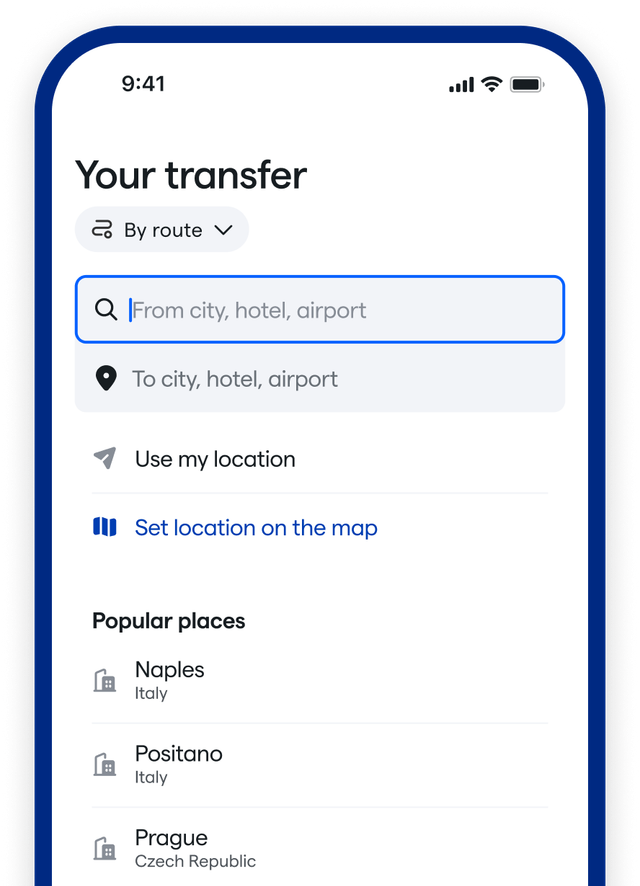
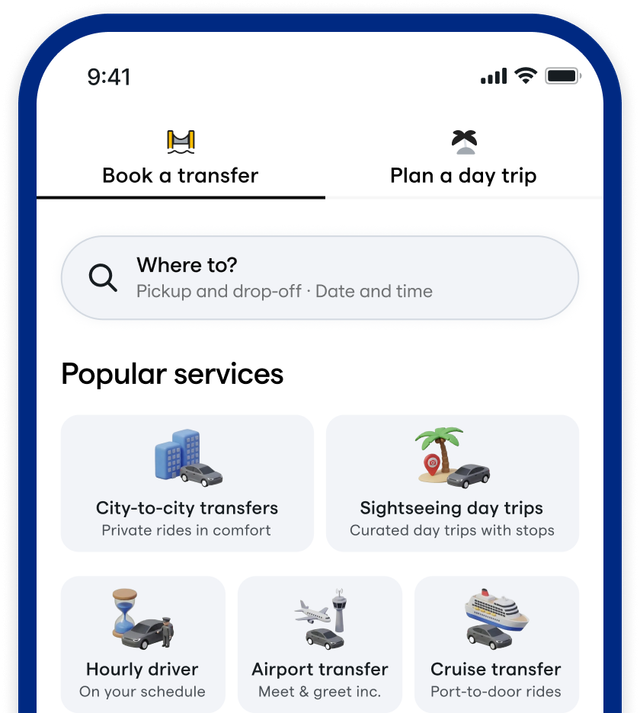
Scilla sits on the Costa Viola coast, a little off the main rail line, so public transport often means a transfer or a long walk from the station. A private transfer drops you directly in the village at a time you choose, so you can head straight to Chianalea or the castle instead of working around a timetable.
A half day covers Scilla's highlights comfortably: an hour wandering the pastel houses of Chianalea, a walk up to Castello Ruffo for the views, and time on Marina Grande beach. Add an hour for a swordfish lunch and you have a relaxed full day without rushing between sights.
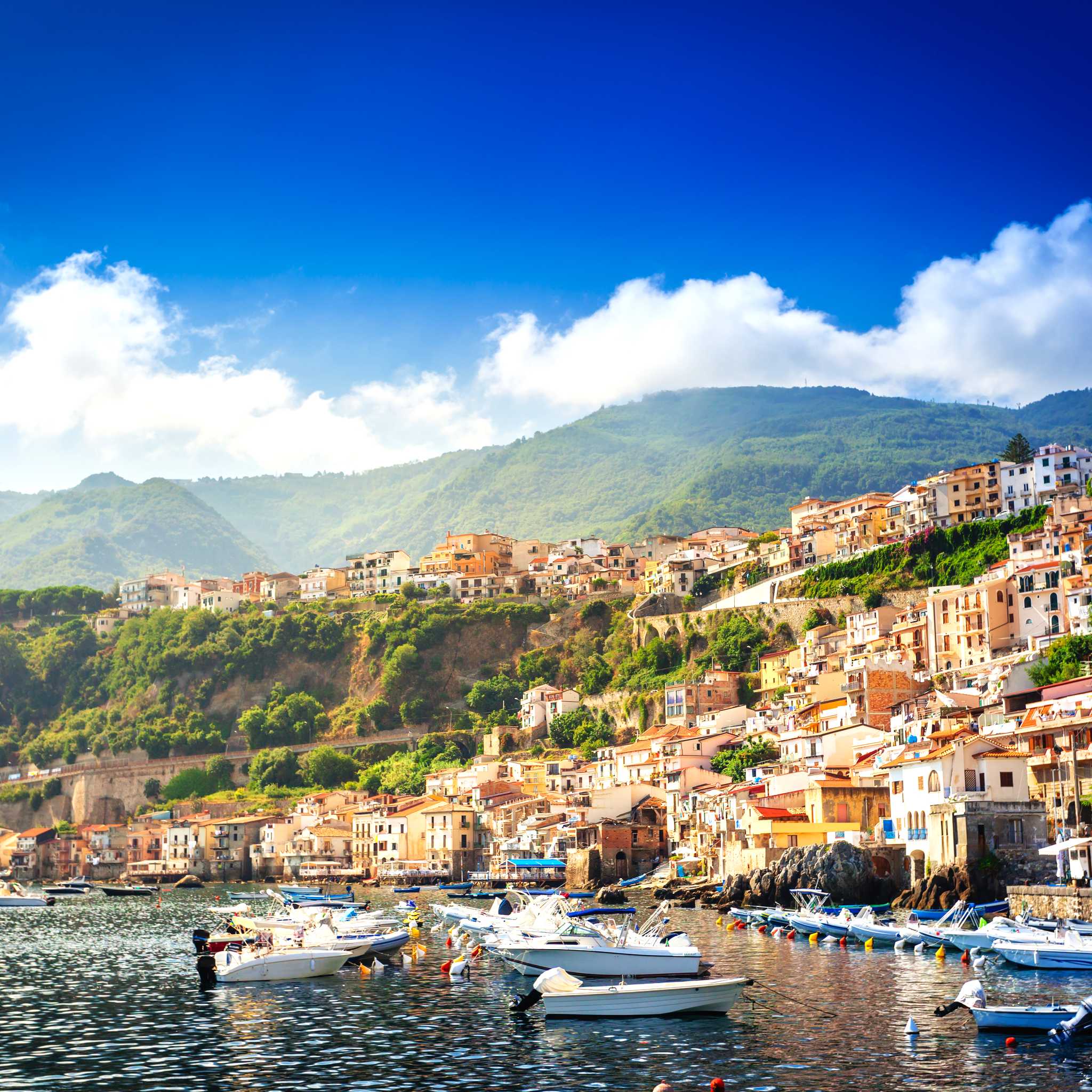
Chianalea is Scilla's original fishing quarter, where colorful cottages rise straight out of the sea on the far side of the headland from Marina Grande. Narrow lanes, boats tied to doorsteps, and laundry strung between balconies give it an authentic, lived-in feel that makes Scilla one of the most picturesque villages on this coast.
Perched above town, this medieval fortress delivers one of Calabria's best panoramas: Scilla's rooftops below, the Calabrian coast, Sicily across the strait, and on clear days the Aeolian Islands on the horizon. Inside, look for a preserved luntre, the traditional wooden boat once used to hunt swordfish in the Strait of Messina.
Scilla takes its name from Scylla, the sea monster of Greek mythology said to guard the Strait of Messina opposite the whirlpool Charybdis. Sailors from Homer's Odyssey onward feared this stretch of water, and the legend still colors how locals talk about the strait's swirling currents today.
Swordfish is Scilla's signature dish and its livelihood. Local fishermen still work from luntre boats to catch swordfish migrating through the strait, and nearly every restaurant along Marina Grande and Chianalea builds its menu around the day's catch. Timing your visit around lunch is the best way to taste it fresh.