Most nationalities require a visa to enter Cambodia. You can apply online through the official e-visa system or obtain a visa on arrival at the airport. A standard tourist visa is valid for 30 days. Always check the latest requirements for your nationality before traveling.
Siem Reap is considered one of the safer cities in Southeast Asia. The Khmer people are known for being warm and welcoming. Standard precautions apply, such as watching your belongings in busy areas. Be mindful that unexploded ordnance remains a risk in rural and forested areas outside the city, so always stick to marked paths.
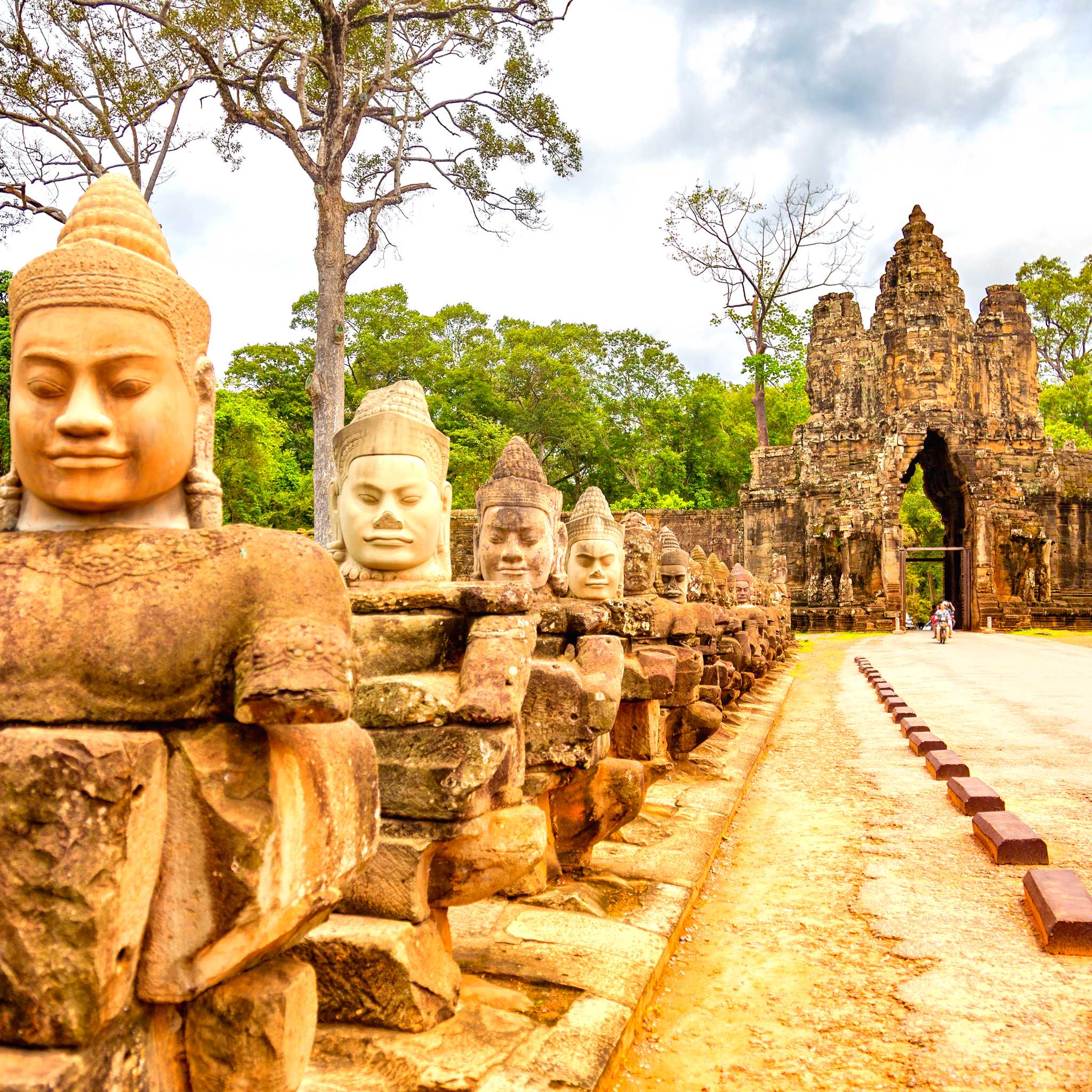
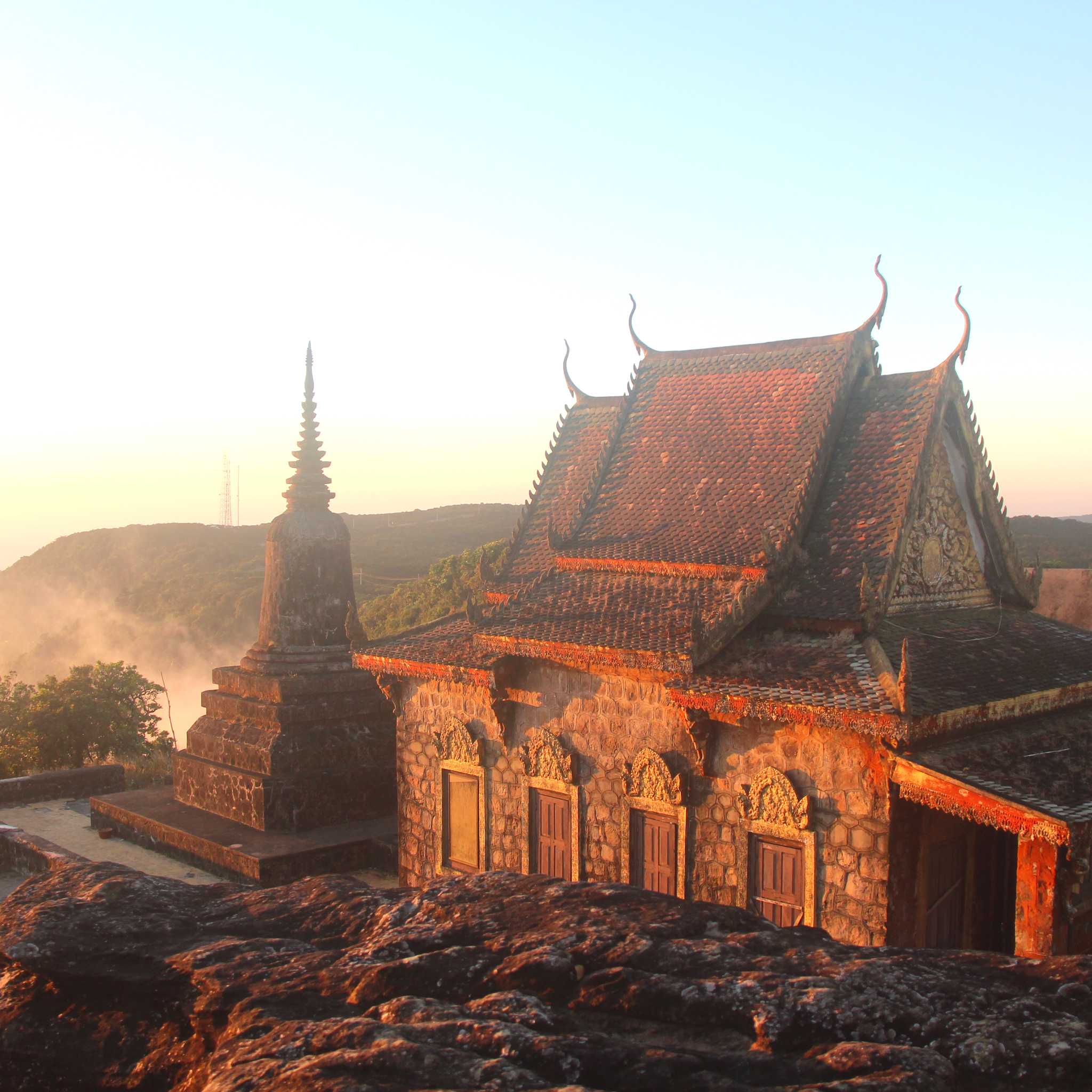
Do not miss Bayon temple with its iconic carved faces, Ta Prohm with its dramatic tree roots winding through the ruins, and Banteay Srei, known for its intricate pink sandstone carvings. The floating villages of Tonle Sap Lake and Phnom Kulen National Park are excellent day-trip options away from the temple complex.
Cambodia uses the Khmer Riel (KHR), but US dollars are widely accepted and commonly used for most transactions. Change is often given in Riel. It is helpful to carry small bills in both currencies. Cards are more widely accepted in Siem Reap than in many other parts of Southeast Asia.
The dry season from November through March is the most popular time to visit, with clear skies and cooler temperatures. The wet season (May to October) brings lush green landscapes and fewer crowds, though rain can make temple exploration muddy. March and April can be very hot.
The official language is Khmer. In Siem Reap, many people working in hotels, restaurants, and markets speak enough English to communicate easily with visitors. Outside of tourist areas, English is less common, so having a translation app on hand is useful.
Dress modestly when visiting temples, as they are active religious and sacred sites. Shoulders and knees must be covered. Lightweight, breathable clothing in natural fabrics is ideal given the warm climate. Comfortable walking shoes are a must, as temple complexes involve significant walking on uneven ground.
Cambodian cuisine is fragrant and flavorful. Must-tries include amok (a coconut curry steamed in banana leaf), lok lak (stir-fried beef with lime dipping sauce), nom banh chok (Khmer noodles), and fish soup. The Old Market area and local restaurants offer excellent opportunities to sample authentic Khmer cooking.