Sliema's main promenade and most shopping streets are flat and well-paved, making them reasonably accessible. However, some older residential streets have uneven surfaces and steps. Public areas near the waterfront are generally the most accessible parts of town for visitors with mobility needs.
Sliema is considered one of Malta's safest and most visitor-friendly areas. Violent crime is rare, and the seafront and main streets feel secure day and night. As with any busy destination, petty theft and pickpocketing can occur in crowded spots, on popular bus routes, and at markets, so keep bags secure and valuables out of sight. Use registered taxis or ride-hailing apps, and exercise normal caution after dark.
Tipping is appreciated but not obligatory in Malta. At restaurants, leaving 10% of the bill for good service is common. For taxis and other services, rounding up the fare is a polite and widely accepted practice across the island.
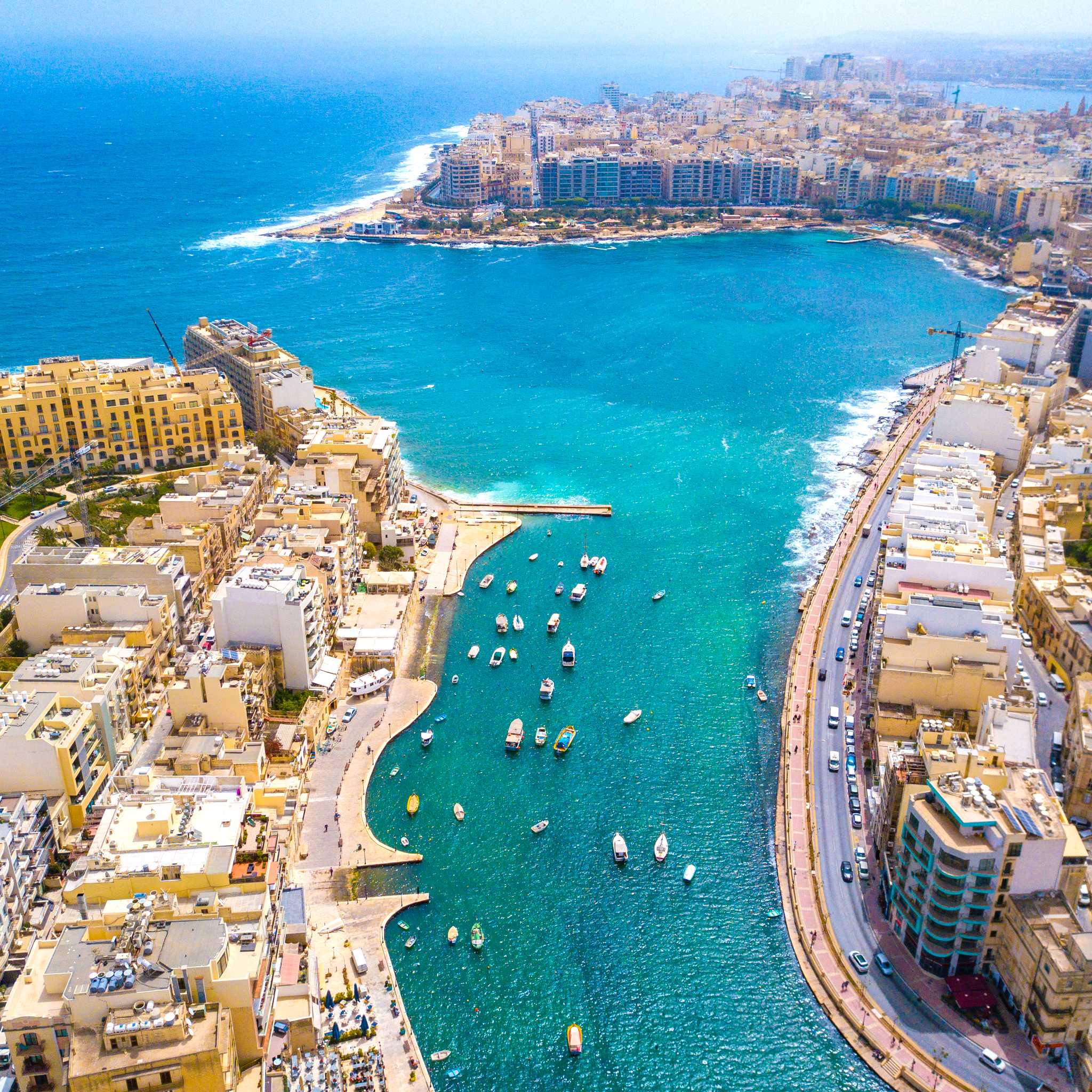
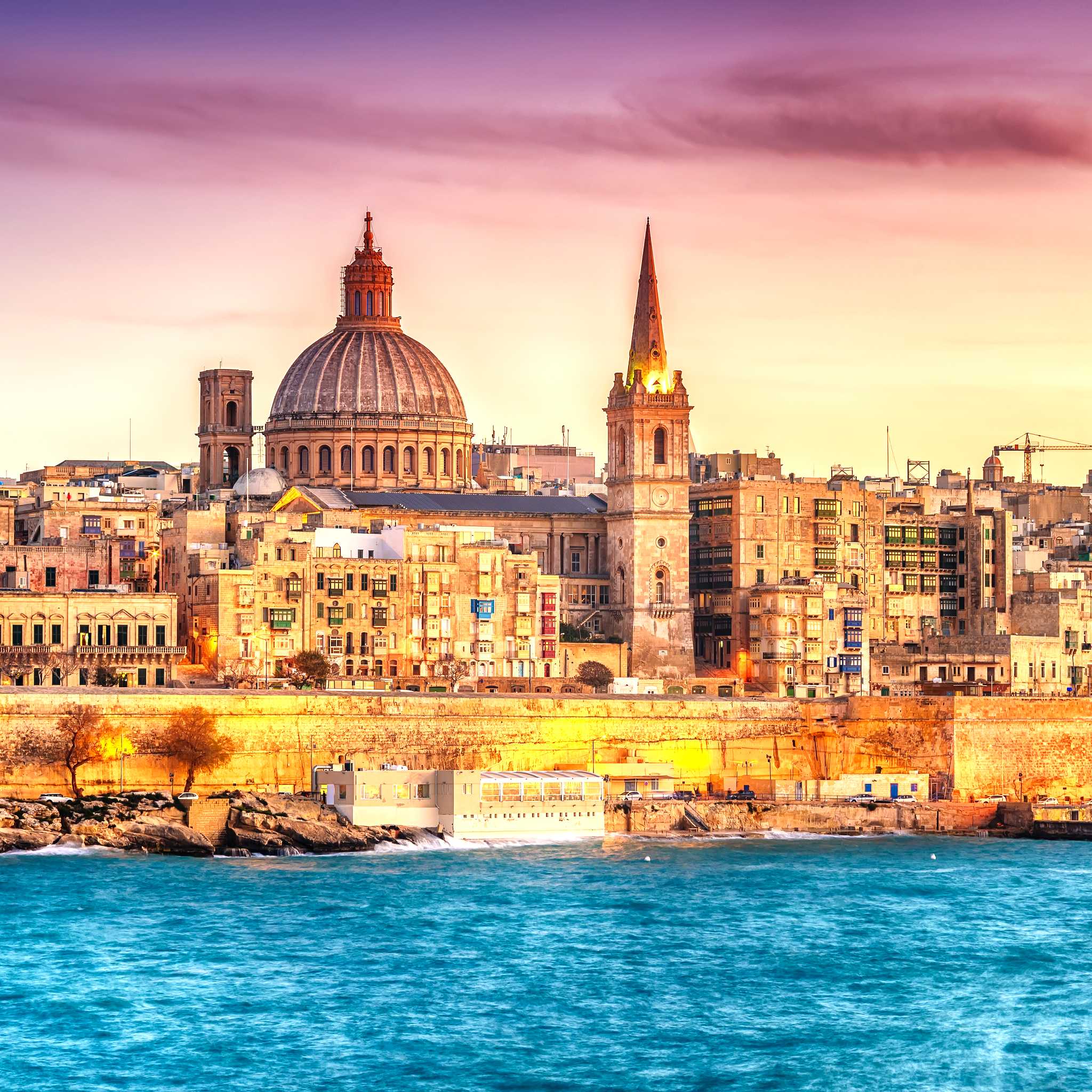
Sliema's rocky seafront promenade (the Ferries area) is great for a leisurely walk. A short ferry ride takes you to Valletta, Malta's UNESCO-listed capital. Nearby St. Julian's and Paceville offer nightlife and dining, while Mdina (the Silent City), the ancient temples of Hagar Qim, and the island of Gozo are popular day-trip destinations easily reached from Sliema.
Malta uses the euro (EUR). Credit and debit cards are widely accepted throughout Sliema in restaurants, hotels, and shops. ATMs are plentiful and easily accessible across the town.
Malta has two official languages: Maltese and English. English is spoken fluently throughout the country and is used widely in business, hospitality, and everyday life, making Malta one of the most accessible destinations for English-speaking travelers in the Mediterranean.
Malta has a distinctive culinary tradition. Try pastizzi (flaky savory pastries filled with ricotta or mushy peas), rabbit stew (fenkata), fresh lampuki (dolphinfish), and bigilla (a spiced broad-bean dip). Hobz biz-zejt, crusty bread rubbed with tomatoes and drizzled with olive oil, is a beloved local snack readily found around Sliema.
Spring (April to June) and fall (September to November) are widely considered the best times to visit, with warm and sunny weather ideal for sightseeing without the intense heat of midsummer. July and August are very hot and crowded. Winters are mild and a good option for travelers who prefer a quieter experience.