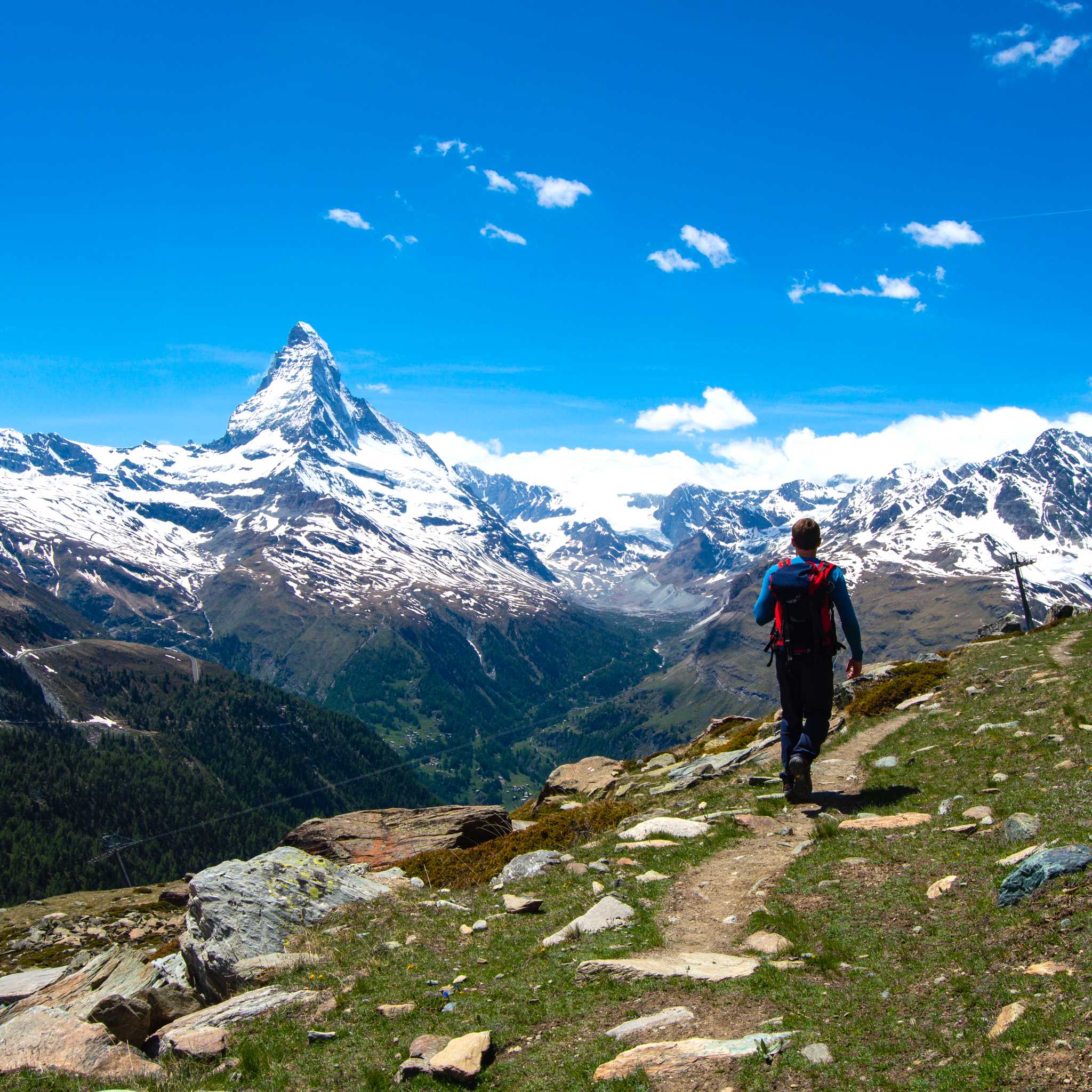
Yes, St. Anton is also a rewarding summer destination, though it is much quieter than in winter. The mountains offer outstanding hiking, mountain biking, and trail running through wildflower-covered meadows with spectacular alpine views. Accommodation prices drop somewhat in summer, making it an affordable way to experience the beauty of the Arlberg region without the ski crowds.
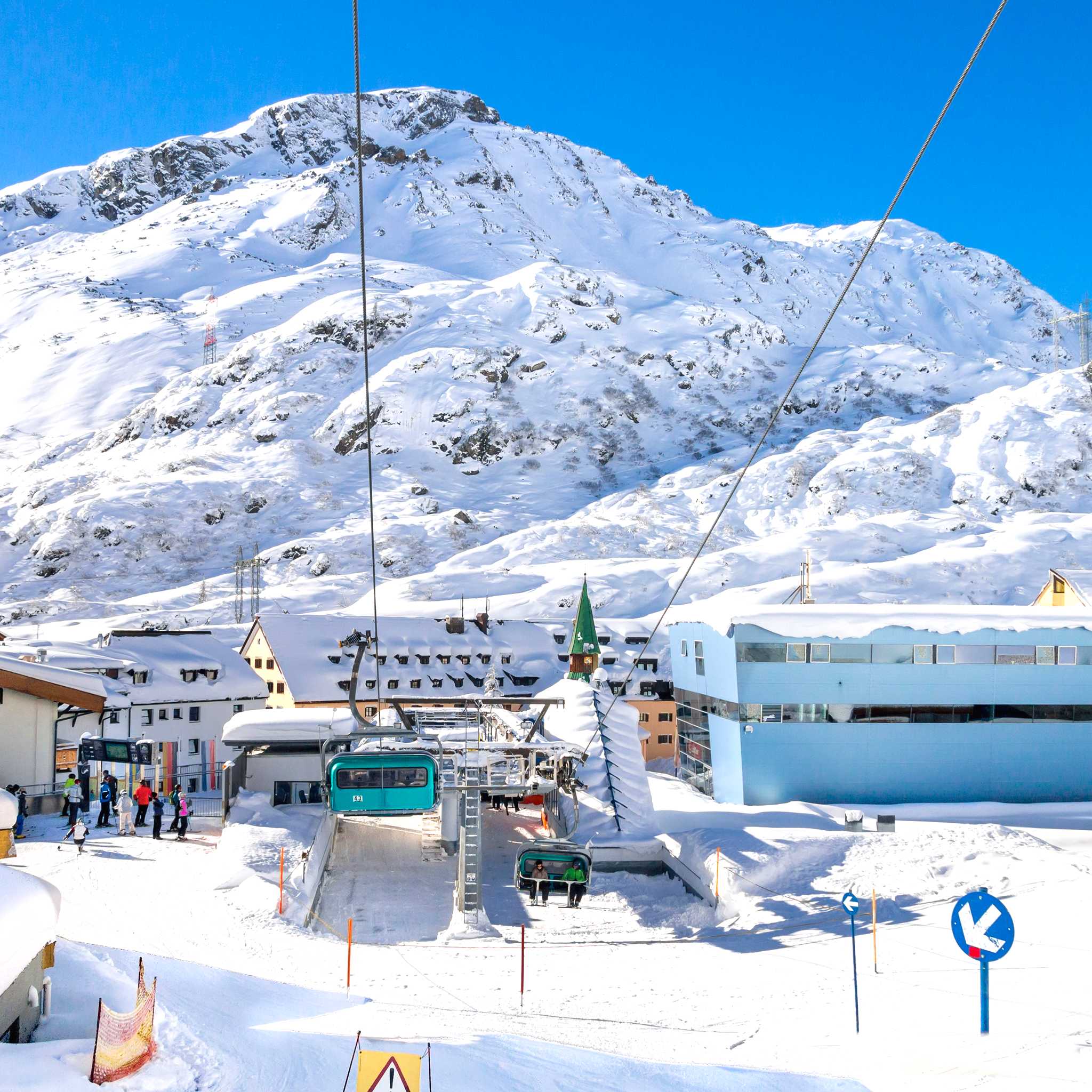
St. Anton is generally better suited to intermediate, advanced, and expert skiers. While there are beginner slopes at valley level and at Gampen, the resort's terrain leans toward challenging runs and extensive off-piste skiing. True beginners may find resorts like Obergurgl or Lech more comfortable starting points. That said, St. Anton has well-regarded ski schools for those committed to learning here.
Austria uses the euro (EUR). Credit and debit cards are widely accepted throughout St. Anton's hotels, restaurants, ski rental shops, and lift ticket offices. It is still useful to carry some cash for smaller mountain huts, local markets, and tips. ATMs are available in the town center.
St. Anton has one of the most famous apres-ski scenes in the Alps. As the slopes close each afternoon, mountain bars and terraces come alive with music, dancing, and cold beers. The party continues into the evenings in the village's bars, restaurants, and clubs. It is lively and sociable, but visitors seeking a quiet alpine retreat may prefer a smaller nearby village.
The ski season in St. Anton typically runs from early December through late April. January and February generally offer the most reliable snow conditions. The Christmas and New Year period and February school holidays are the busiest and most expensive times to visit. For a great balance of good snow and fewer crowds, early December or late March can be excellent value.
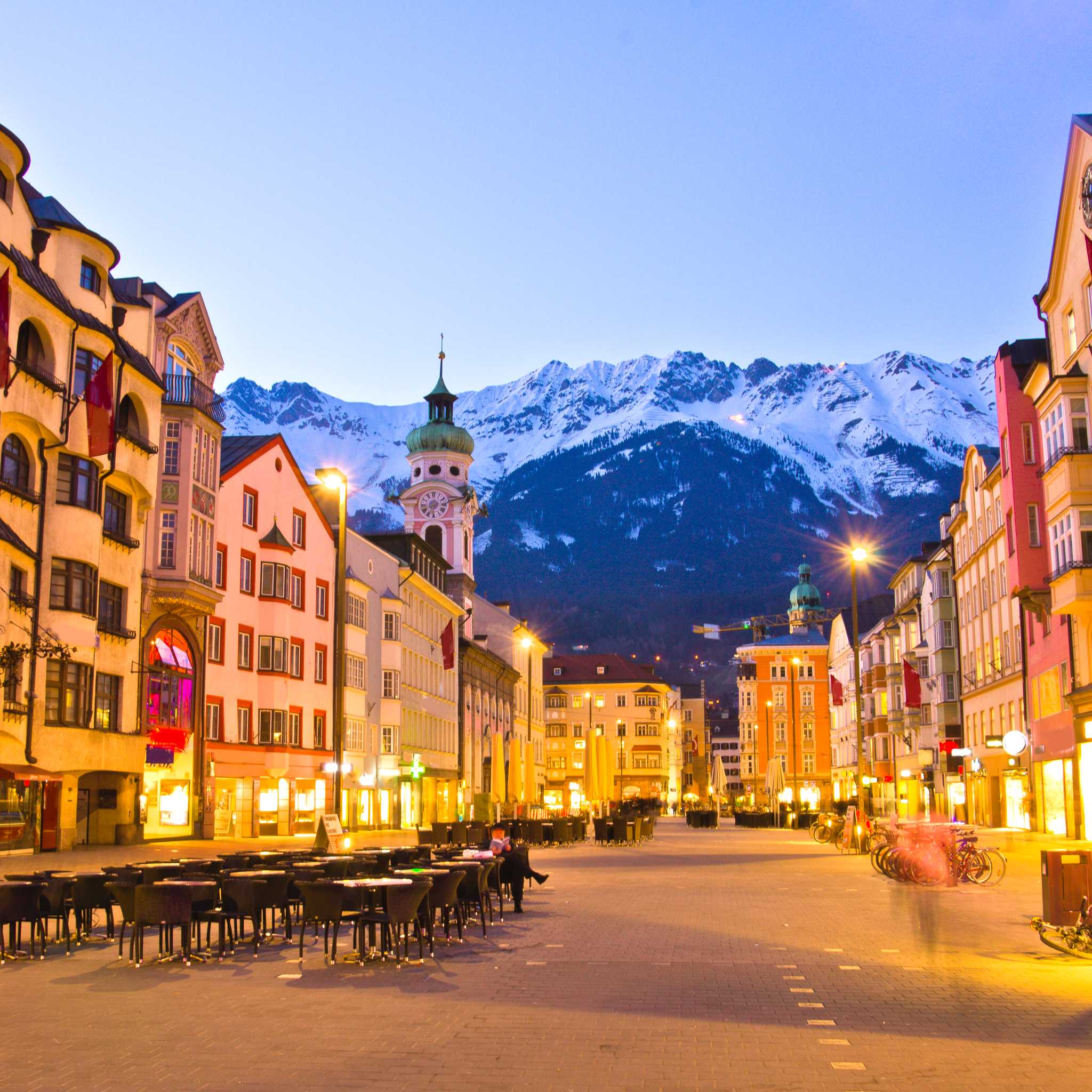
Non-skiers will find plenty to enjoy in St. Anton. The town has excellent spa facilities, winter hiking trails, toboggan runs, cross-country skiing tracks, and a charming pedestrian center with good shopping and dining. Day trips to nearby Innsbruck, with its Old Town, imperial palace, and Golden Roof, are also highly recommended for those wanting city culture alongside mountain scenery.
German is the official language of Austria and is spoken throughout St. Anton. However, English is very widely understood in St. Anton, especially in the ski and hospitality industry, given the resort's long history of welcoming international visitors. Most ski instructors, hotel staff, and restaurant workers communicate comfortably in English.
Off-piste terrain in Austria is not avalanche-controlled or patrolled. Skiers who venture off marked pistes must carry avalanche safety equipment, including a transceiver, probe, and shovel, and ideally should be accompanied by a qualified local guide. Conditions change daily, so always check current avalanche risk ratings before heading off-piste, even on well-known routes.