Storje is approximately 90 km (56 miles) from Ljubljana. The drive takes roughly 1 to 1.5 hours depending on traffic and your exact starting point. A private transfer is the most practical option — the village is small and not well-served by public transport, and having a driver means you can focus on the scenery rather than navigation, parking, or return logistics.
Storje is approximately 57 km (35 miles) southwest of Ljubljana. The drive typically takes around 45 minutes to an hour under normal conditions, making it a genuinely comfortable day trip from the capital without losing half your day in transit.
One day is the ideal format for Storje. The hike to the Sopota waterfall and back is manageable in a couple of hours, leaving time to explore the surrounding Vipava Valley countryside at a relaxed pace. There are no overnight obligations — the area rewards a focused, unhurried day rather than a rushed multi-stop itinerary.
Plan for a full day. The Škocjan Caves tour alone takes around two hours, and Lipica and Štanjel each warrant an hour or more to do them justice. Factoring in travel and a proper sit-down meal of Karst prosciutto and Teran wine, six to eight hours on the ground is a realistic and rewarding amount of time.
The path to the Sopota waterfall is relatively short and does not require technical hiking ability, though it involves uneven terrain and is not suitable for strollers or wheelchairs. Families with older children who enjoy light nature walks will find it very approachable. For travelers who prefer to stay on flat ground, the scenic drive through the Vipava Valley itself is worthwhile — the landscape is striking and the valley villages are easy to stroll through at ground level.
The area's centerpiece is the Škocjan Caves, a UNESCO World Heritage Site featuring the largest underground canyon in Europe — a roughly two-hour guided walk through chambers that have to be seen to be believed. Nearby, the Lipica Stud Farm has bred the famous white Lipizzaner horses since 1580 and offers guided visits and riding experiences. Štanjel, one of Slovenia's most beautiful Karst villages, adds a medieval castle, the Ferrari Garden, and panoramic views over the plateau. Together, these form a very full and varied day.
The Vipava Valley surrounding Storje is one of Slovenia's most underrated wine regions, with local vineyards producing distinctive varieties shaped by the bora wind and karst terrain. The historic towns of Ajdovscina and Vipava are both within easy reach and offer old town squares, local markets, and authentic Slovenian village life. If your driver is open to flexible routing, the broader Karst plateau — home to Predjama Castle and the Lipica stud farm — is also accessible as part of a wider loop.
Storje is a quiet village in western Slovenia's Vipava Valley, best known as the gateway to the Sopota waterfall — one of the country's most scenic natural spots. The waterfall plunges dramatically through a narrow gorge surrounded by dense forest, making it a rewarding destination for travelers who want to experience Slovenia's untouched natural side beyond the well-worn tourist trail. The surrounding Vipava Valley adds to the appeal, with its rolling vineyards, karst landscape, and crisp mountain air.
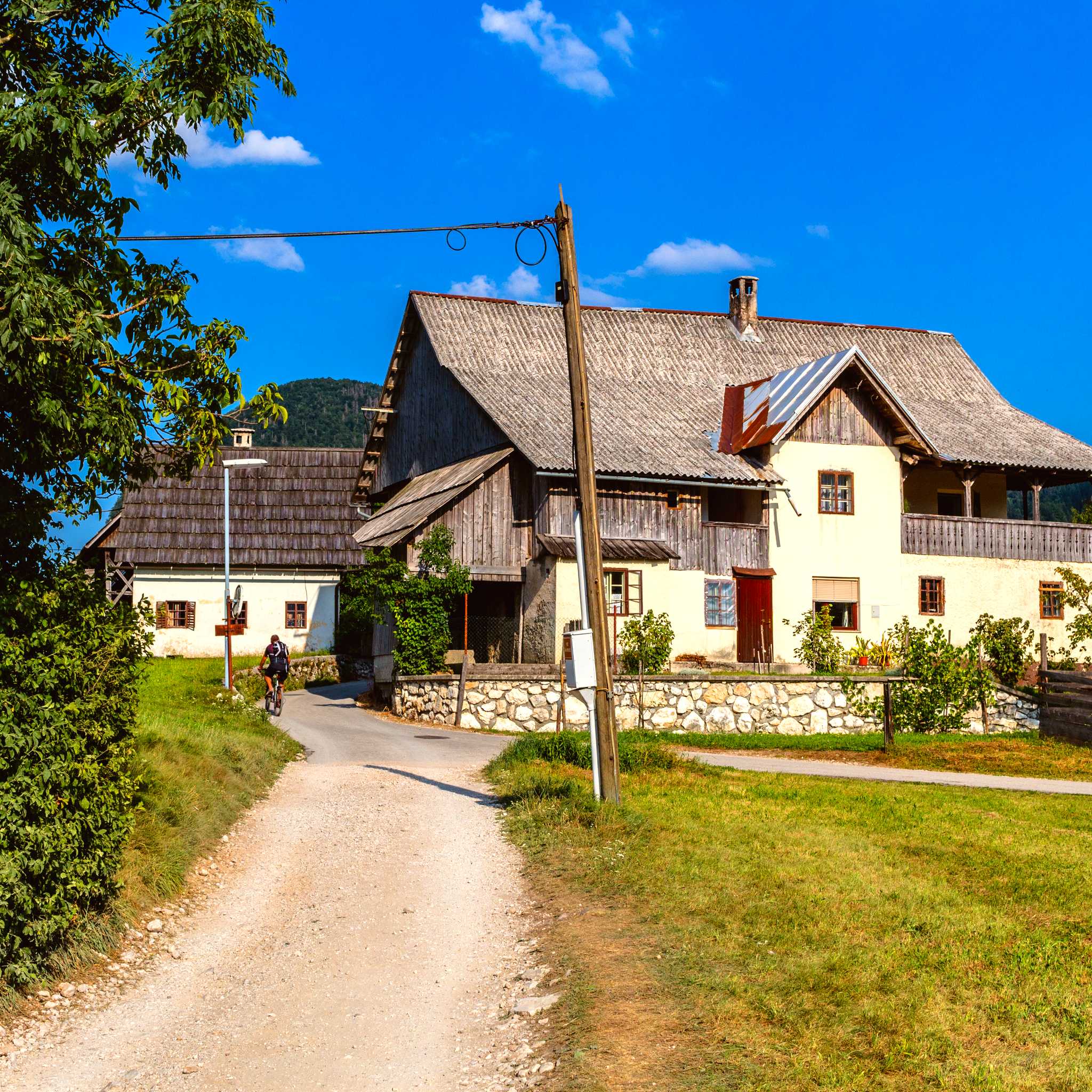
Storje is a quiet village nestled in Slovenia's Classical Karst — the limestone plateau that literally gave the world the word "karst." It sits at the heart of a region layered with dramatic underground caves, medieval hilltop villages, white Lipizzaner horses, and a centuries-old tradition of wine and prosciutto. It is not a destination that announces itself loudly, which is precisely the point. A day here puts you deep inside one of Slovenia's most atmospheric and least-crowded corners.
Storje has no train station and bus connections are very limited, making a private transfer the most straightforward way to arrive and depart on your own schedule. You are dropped off exactly where you need to be, without the hassle of deciphering rural timetables or arranging parking on narrow village roads. Your driver can also wait or return at an agreed time, so your day is shaped around your pace rather than a fixed departure board.
The Karst produces two products that carry Protected Geographical Indication status: Karst prosciutto, air-cured by the region's fierce bora wind, and Teran, a deep ruby-red wine made from the indigenous Refošk grape. This is not generic tourist dining — the pairing is a genuine regional tradition, and many local restaurants and farm tables serve both in their most authentic form. Eating here is part of the experience.
Storje and the surrounding Karst are genuinely rural. There is no practical public transit network linking the caves, the stud farm, and the hilltop villages at your own pace. A private transfer puts you door-to-door from wherever you are staying, lets you move between sites on your schedule rather than a timetable, and means no navigating unfamiliar roads on a day meant for exploring. It is the one travel choice that actually matches how the region needs to be experienced.