Tipping in Bolivia is appreciated but not obligatory. In restaurants, 10% is generous for good service, though some establishments include a service charge. Rounding up taxi fares is common. Tour guides and hotel staff appreciate tips. Small amounts go a long way in Bolivia's economy.
At 9,200 feet, Sucre sits at significant altitude. Spend your first day resting and avoiding strenuous activity. Drink plenty of water, avoid alcohol initially, and eat light meals. Coca tea helps with acclimatization. Symptoms like headaches and fatigue are normal but should improve within 24-48 hours.
Sucre is one of Bolivia's safest cities with relatively low crime rates. Standard precautions apply: watch belongings in crowded markets, avoid isolated areas at night, and use registered taxis. Altitude sickness can affect visitors, so take time to acclimatize and stay hydrated upon arrival.
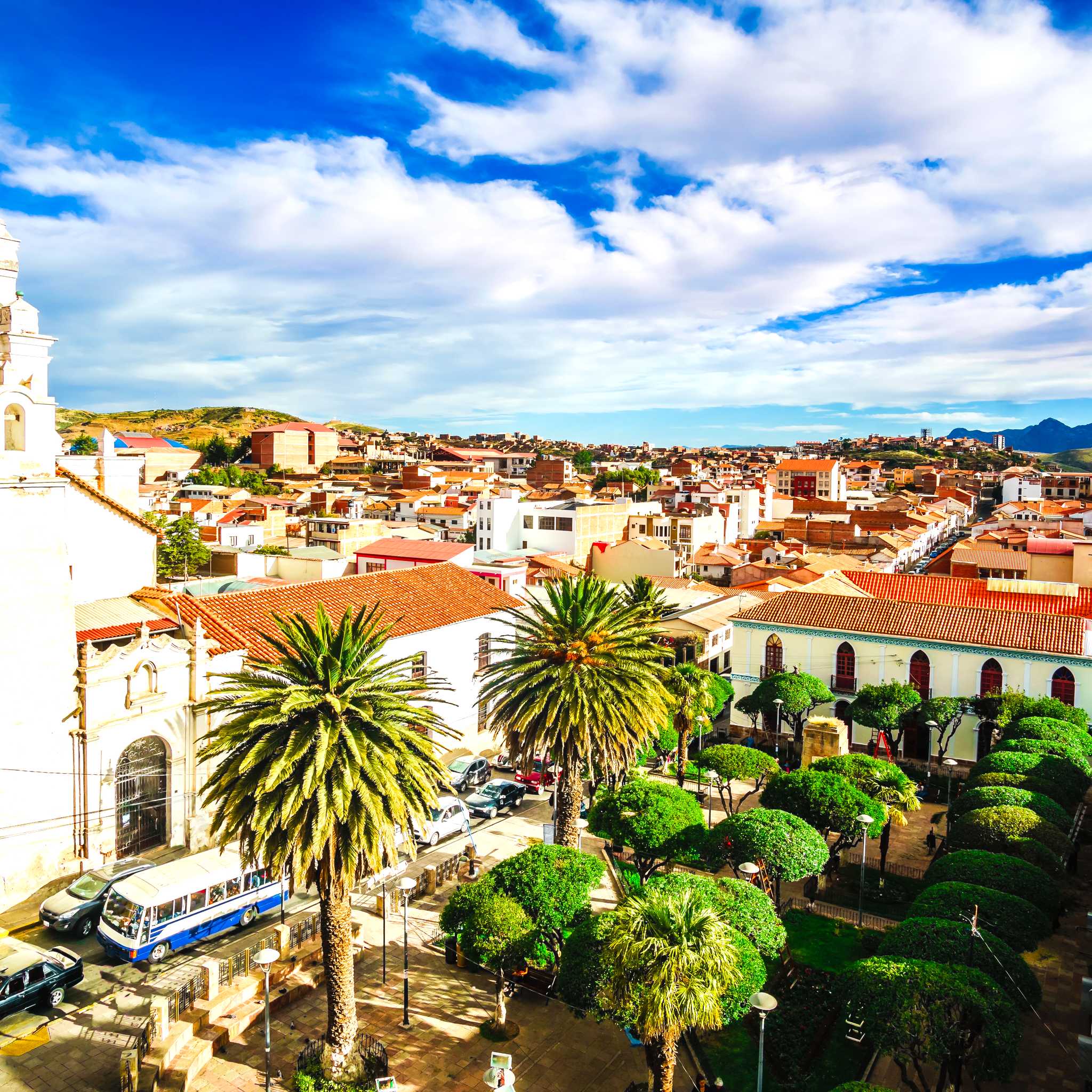
The historic Plaza 25 de Mayo and surrounding colonial architecture are stunning. Visit Casa de la Libertad where Bolivia's independence was declared, the Recoleta viewpoint for city panoramas, and local markets for textiles. Nearby dinosaur footprint sites and indigenous villages offer fascinating day trip opportunities.
Bolivia uses the boliviano (BOB) as its official currency. US dollars are sometimes accepted in areas catering to international visitors, though exchange rates may not be favorable. ATMs are available in cities, but carrying cash is important as card acceptance is limited in smaller establishments.
Spanish is the primary language in Bolivia, along with 36 official indigenous languages including Quechua and Aymara. In Sucre, Spanish is predominantly spoken. English is understood in some hotels and tour agencies, but learning basic Spanish phrases will greatly enhance your experience.
Sucre is famous for its chocolates and traditional dishes. Try salteñas (savory pastries), mondongo chuquisaqueño (traditional soup), and chorizo chuquisaqueño (local sausage). Sample llajwa (spicy salsa), api (warm corn drink), and regional cheeses. The city's culinary scene reflects both Spanish and indigenous influences.
Sucre's dry season from May to October offers the best weather with clear skies and comfortable temperatures. The rainy season (November to March) brings afternoon showers but fewer visitors. Sucre's high-altitude location provides mild temperatures year-round, making it pleasant to visit any time.