Morocco's older medinas and historic areas can be challenging for wheelchair users and strollers due to uneven cobblestone streets and narrow lanes. Newer areas and modern facilities tend to be more accessible. Hiring a private driver allows you to plan an itinerary suited to your needs and avoid areas that may be difficult to navigate independently.
Tipping is common and expected in Morocco. In restaurants, leaving 10% of the bill is standard if a service charge is not included. It is also customary to tip drivers, hotel staff, and anyone who provides you with a service or assistance. Always tip in cash and carry small dirham notes for convenience throughout your trip.
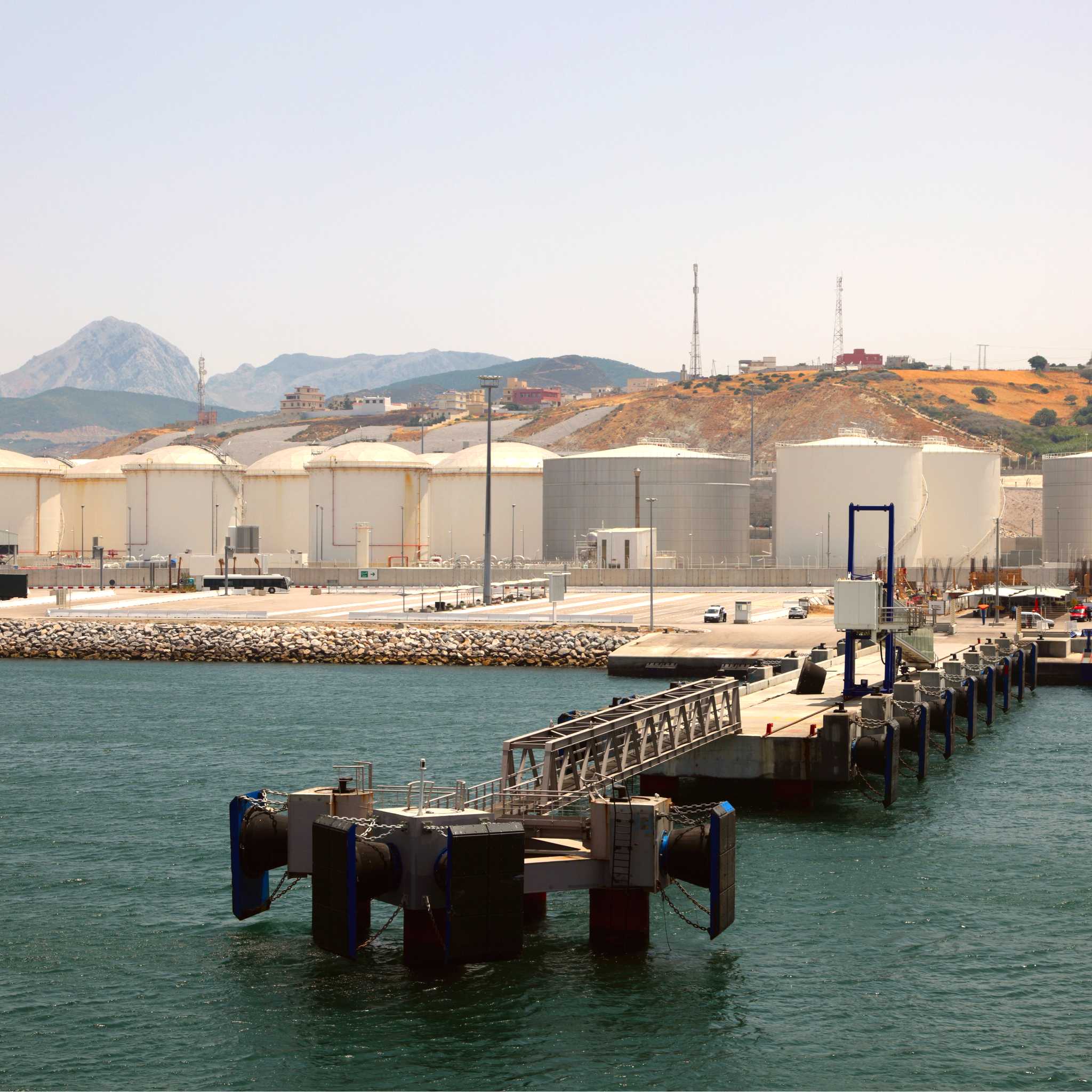
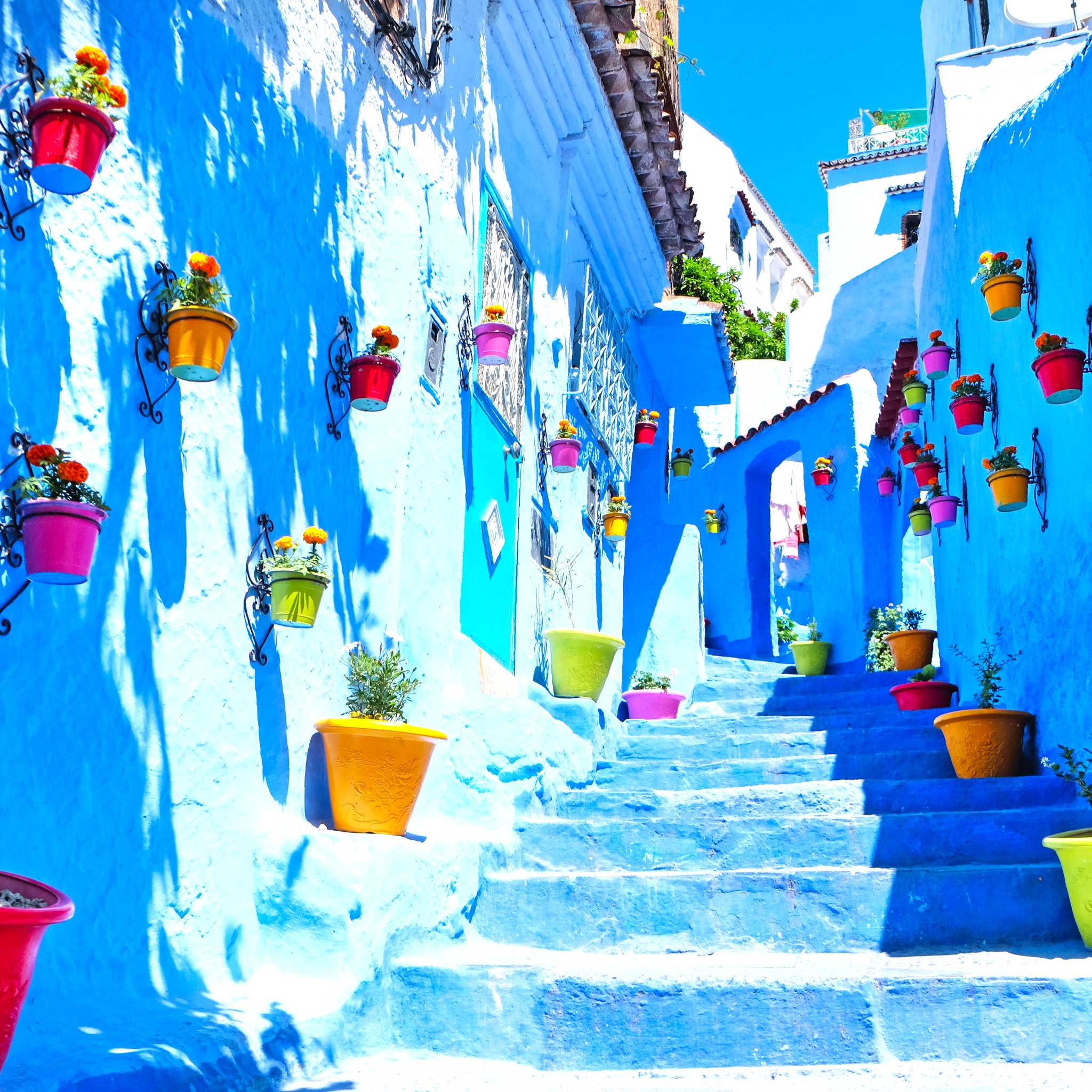
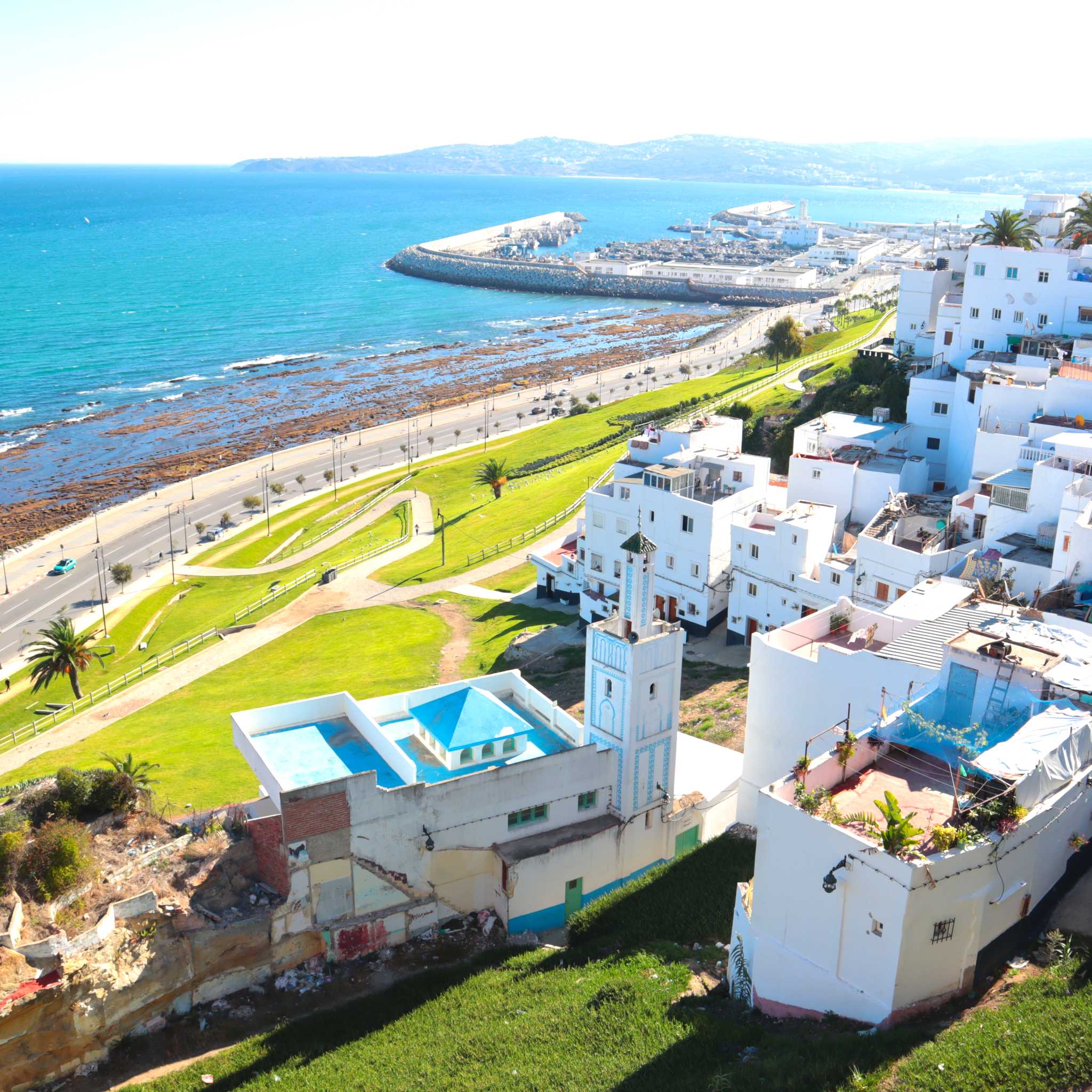
From the port area, you can easily reach Tangier city, with its historic medina, Kasbah Museum, and Grand Socco square. The dramatic coastline of Cap Spartel and the famous Caves of Hercules are also nearby. The blue-painted village of Chefchaouen is a popular day excursion further inland, accessible with a private transfer into the Rif Mountains.
Morocco's official currency is the Moroccan dirham (MAD). It is a closed currency, meaning it cannot be exchanged outside the country. Exchange money at the port, banks, or official exchange bureaus. Credit cards are accepted at larger hotels and restaurants, but cash is essential for souks, smaller cafes, and local transportation throughout the country.
Spring (March to May) and fall (September to November) are the most pleasant times to visit, with warm temperatures and minimal rain. Summers can be hot and busy. Winters in the north are mild but can bring rain. The Tangier area has a Mediterranean climate, making it generally enjoyable to visit for most of the year.
Arabic and Tamazight (Berber) are the official languages of Morocco. French is widely used in business and urban areas, and Spanish is common in the northern regions near Tangier. English is spoken in many tourist-facing businesses. Having a few words in French or Arabic can be very helpful when exploring local markets and smaller towns.
Tangier is generally safe for visitors. As in any busy port city, it is wise to be aware of your surroundings and keep an eye on your belongings, especially in crowded areas and souks. Traveling with a reliable private driver or guide makes navigation smoother and more comfortable, particularly when moving between the port and the wider region.
Northern Morocco has a distinct culinary identity. Try pastilla (savory-sweet pie), harira soup, fresh seafood from the Strait of Gibraltar, and msemen (flaky flatbread). Mint tea is a cultural staple and is offered as a gesture of hospitality throughout Morocco. The Tangier area also has excellent Spanish culinary influences due to its proximity to Europe.