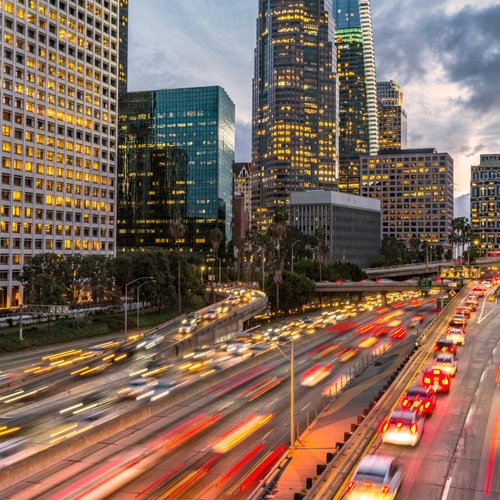
Yes, Tashkent is considered one of the safest capitals in Central Asia. The city has a visible police presence, including a dedicated tourism police force, and violent crime against travelers is rare. Standard precautions apply, such as watching belongings in crowded markets and metro stations. Solo travelers, including women, generally find Tashkent welcoming and relaxed to explore.
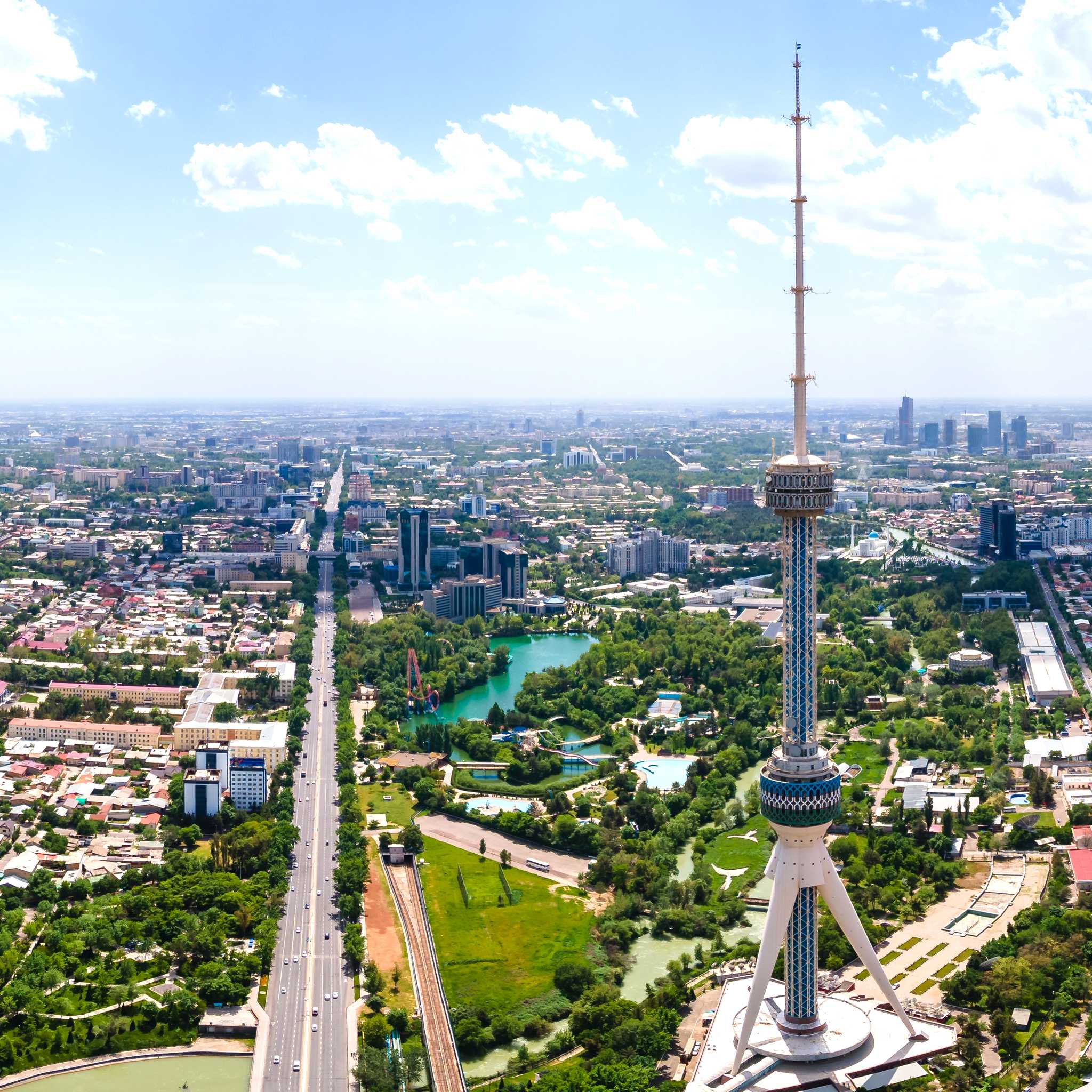
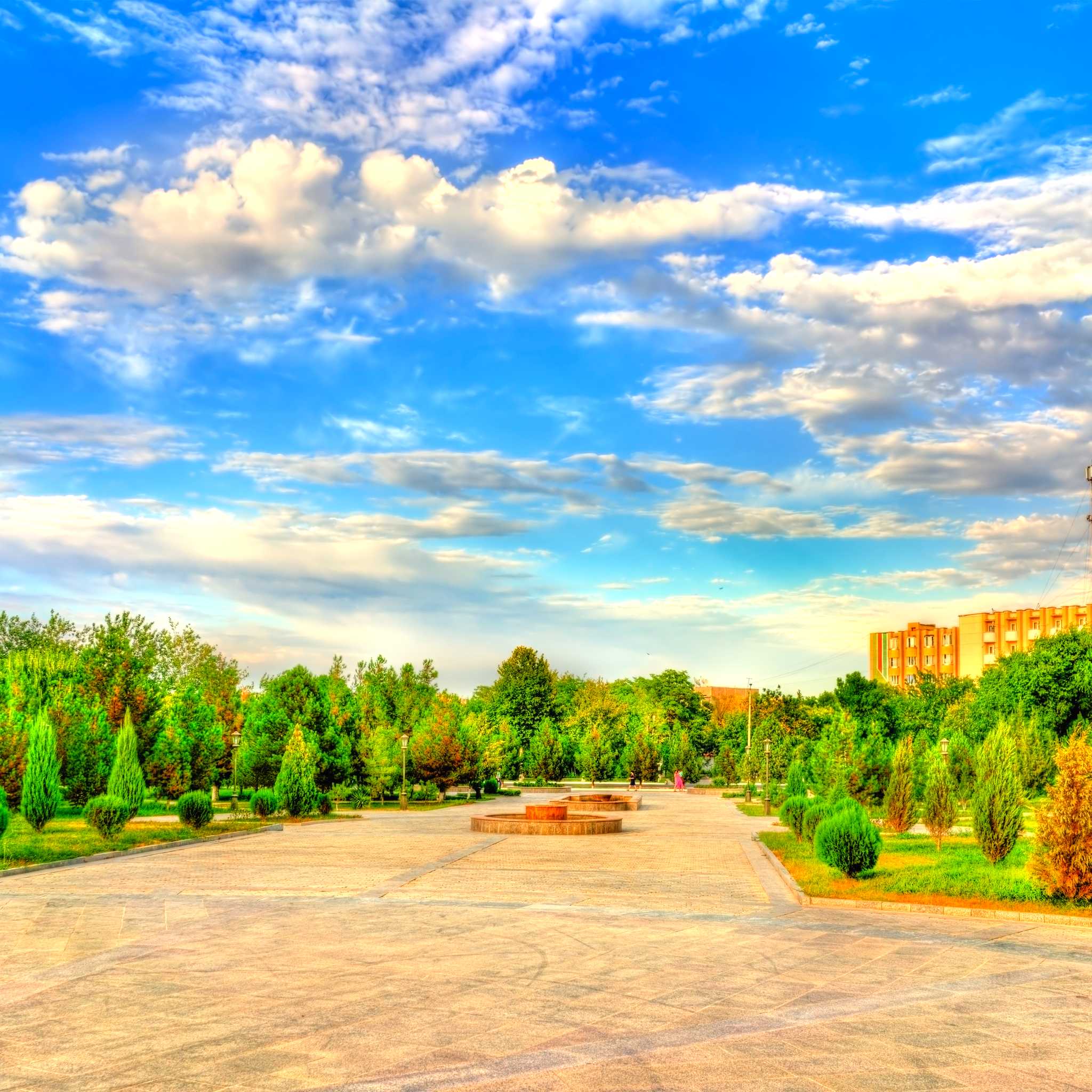
Central Tashkent is fairly walkable, with wide tree-lined boulevards, large squares, parks, and pedestrian streets like Sailgokh. However, the city is vast, and attractions are spread out, so most visitors combine walking with short taxi or metro rides. Sidewalks are generally flat and accessible. The metro is scenic but involves stairs, which can be tricky with strollers or wheelchairs.
Top experiences include exploring the Khast Imam Complex with its ancient Quran, browsing the bustling Chorsu Bazaar under its iconic blue dome, and riding the Tashkent Metro, where each station is a work of Soviet-era art. Don't miss Independence Square, Amir Timur Square, the State Museum of History, and trying authentic Uzbek plov at Besh Qozon.
Uzbekistan's currency is the Uzbekistani som, and cash is still widely used in markets and smaller businesses, though cards are accepted at hotels and bigger restaurants in Tashkent. ATMs are common in the capital. The official language is Uzbek, with Russian also widely spoken. English is growing in travel-related businesses, but learning a few basic phrases is helpful.
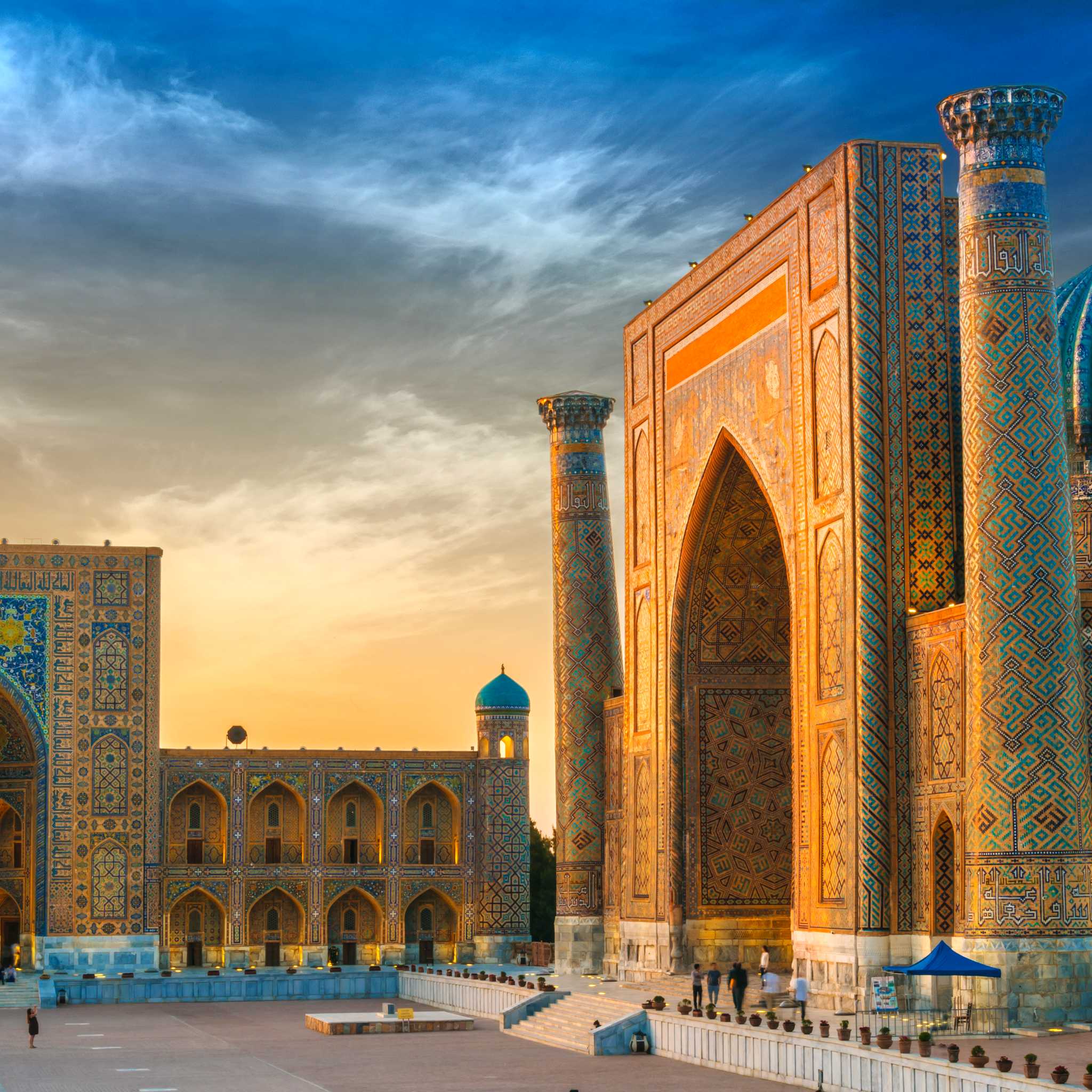
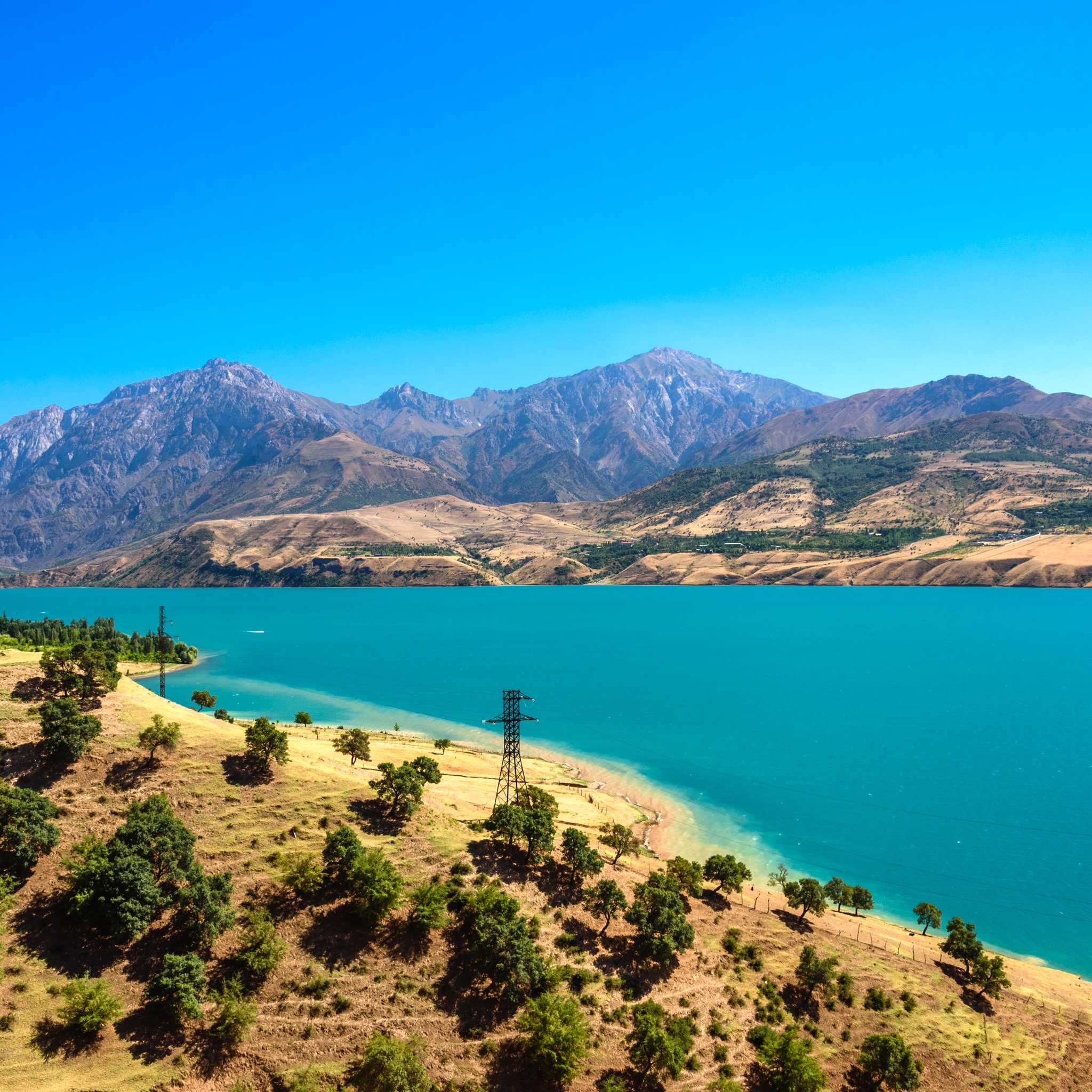
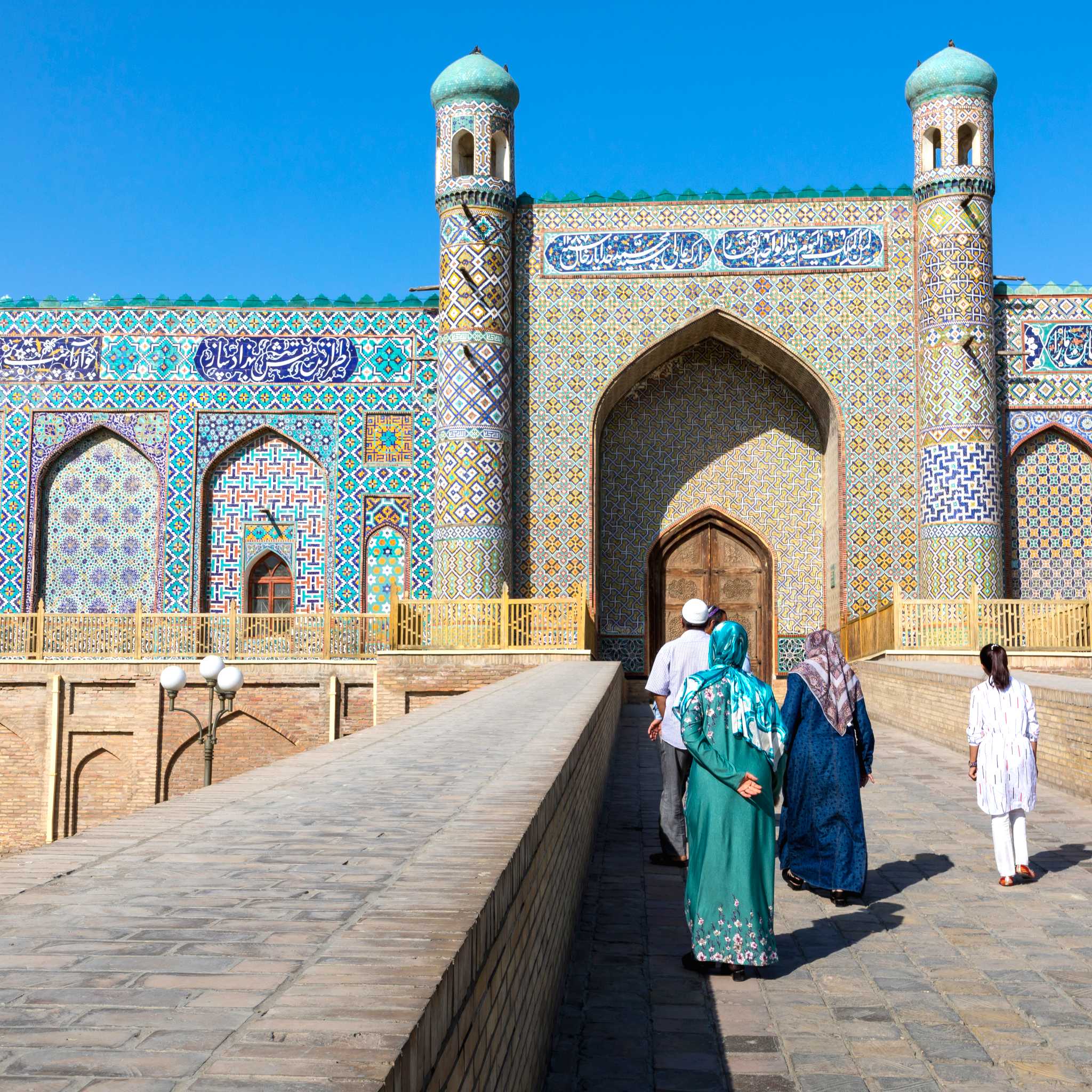
Tashkent is an excellent base for exploring Uzbekistan. The most popular day trip is to the Chimgan Mountains and Charvak Reservoir for hiking, skiing, and scenic views. Samarkand, Bukhara, and Khiva are farther but reachable by comfortable Afrosiyob high-speed train or overnight train. Nearby, visit the Chatkal Biosphere Reserve or the historic city of Kokand in the Fergana Valley.
The best time to visit Tashkent is during spring, from April to May, and fall, from September to November, when temperatures are mild and pleasant, around 65 to 75 Fahrenheit. Summers from July to August are very hot and dry, often exceeding 95 Fahrenheit, while winters are cool with occasional snow. Spring and autumn are also ideal for onward travel to Samarkand and Bukhara.
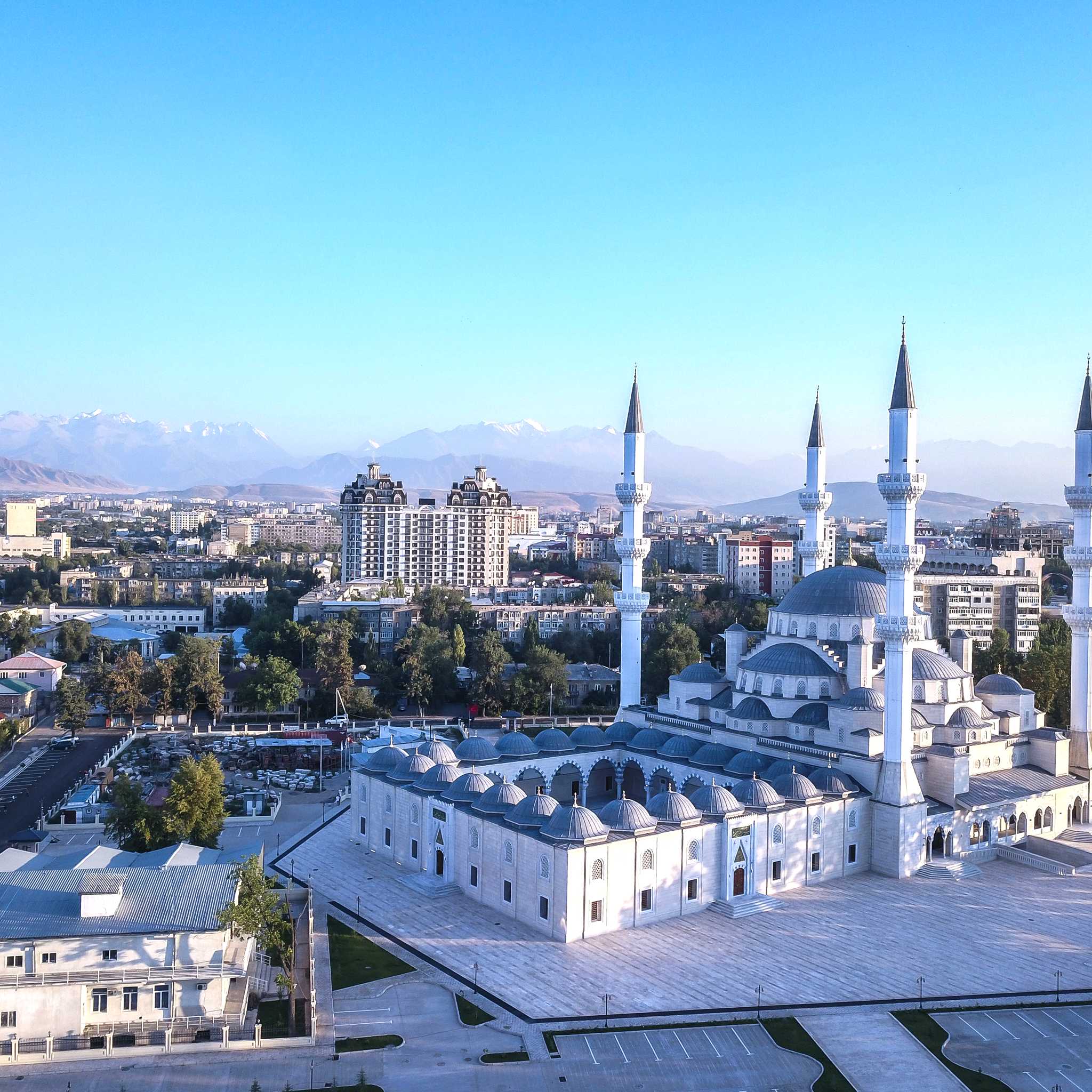
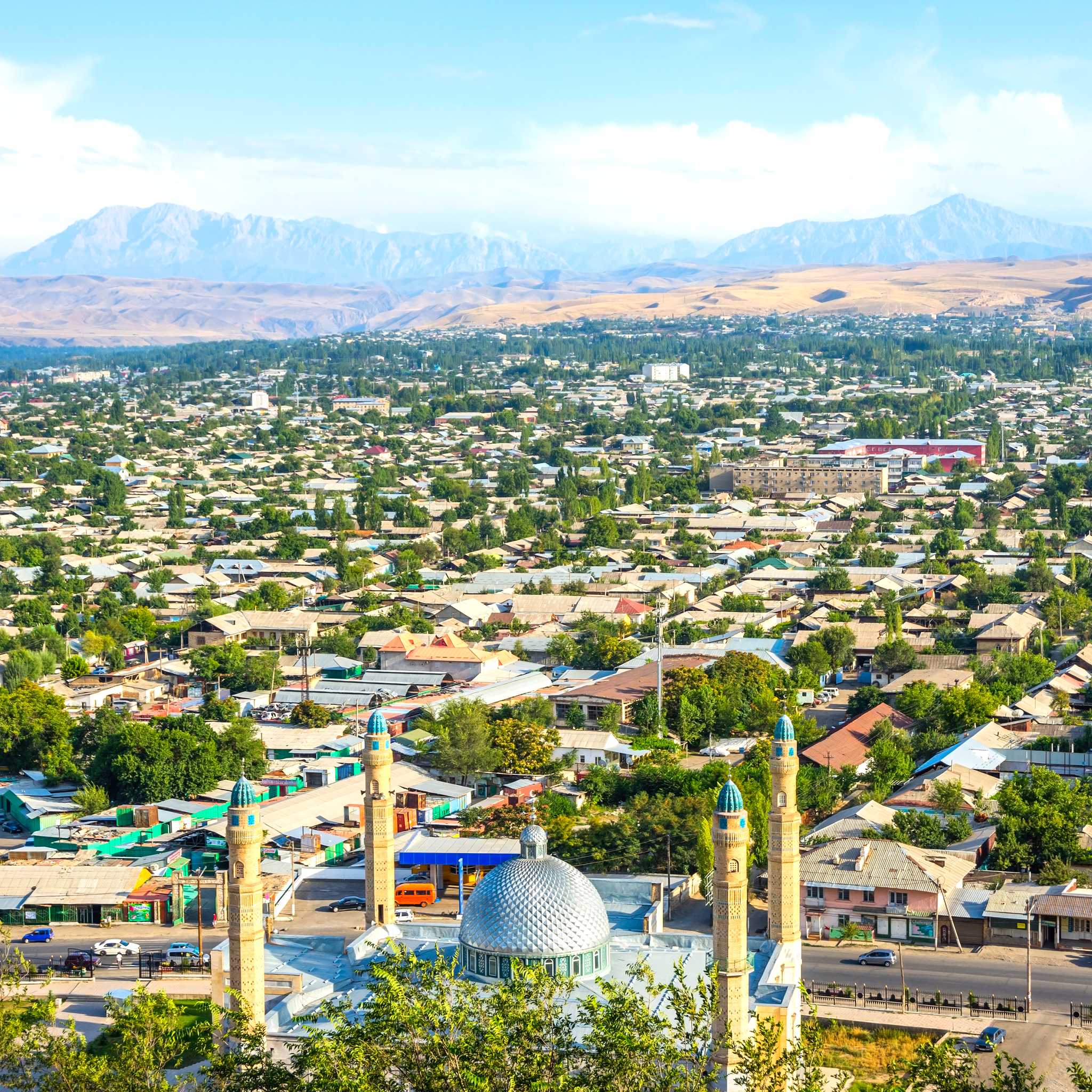
Dress modestly when visiting mosques, madrasas, and religious complexes in Tashkent. Women should cover their shoulders, arms, and legs, and bring a scarf for their hair when entering mosques. Men should avoid shorts and sleeveless tops. Comfortable walking shoes are useful since you may need to remove them before entering prayer halls. Respectful, conservative clothing is appreciated throughout Uzbekistan.
Uzbek cuisine centers on rich, hearty flavors. Plov, a UNESCO-listed rice dish with meat, carrots, and spices, is a must-try and varies by region. Also sample samsas, flaky meat-filled pastries, shashlik grilled skewers, lagman noodle soup, manti dumplings, and freshly baked non bread from tandoor ovens. Pair your meal with Uzbek green tea, the traditional drink of hospitality.