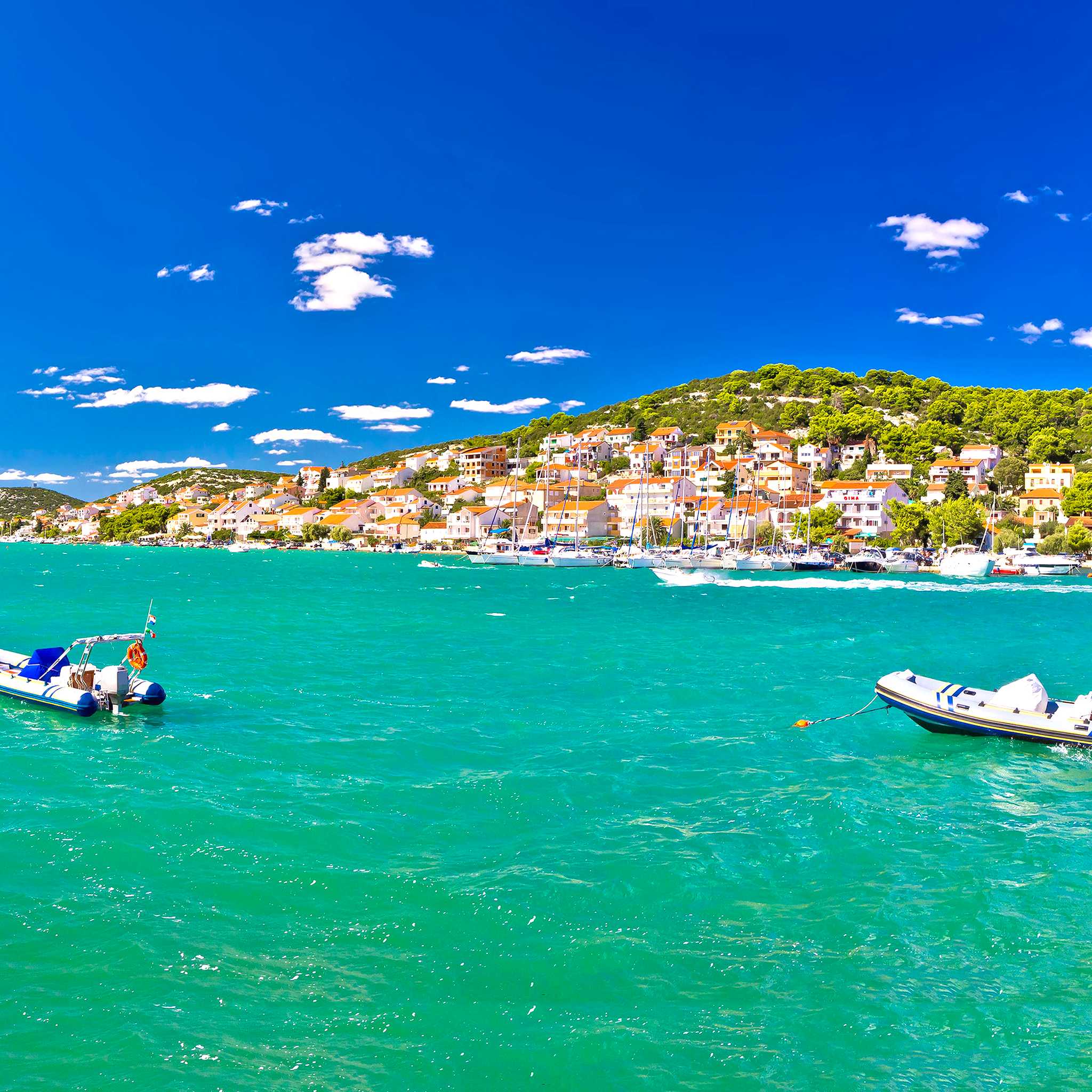
Tisno itself is a small, walkable town, though you will want a car to explore the wider Murter Island and nearby attractions like Kornati or Krka. The island is connected to the mainland solely via the drawbridge in Tisno, which opens for boat traffic once daily in summer. Buses connect Tisno to Sibenik and points along the coast, though a car gives you the most flexibility for exploring the region.
Tisno is very family-friendly. The beaches on Murter Island offer calm, clear, shallow waters well-suited for children, and Jazina Beach on the mainland is a particularly gentle pebble beach. The region's national parks offer excellent outdoor adventures for families. Younger visitors also tend to enjoy the relaxed pace of Riva waterfront life, with plenty of ice cream shops and seafront cafes to keep everyone happy.
Tipping in Croatia is not mandatory but is genuinely appreciated for good service. In restaurants, leaving around 10 percent of the bill is a thoughtful gesture, especially at sit-down establishments. In cafes and bars, rounding up the bill is the norm. For taxi journeys, rounding up the fare is a common courtesy. Tipping in cash is preferred, as card tipping, while increasingly available, is not yet universal.
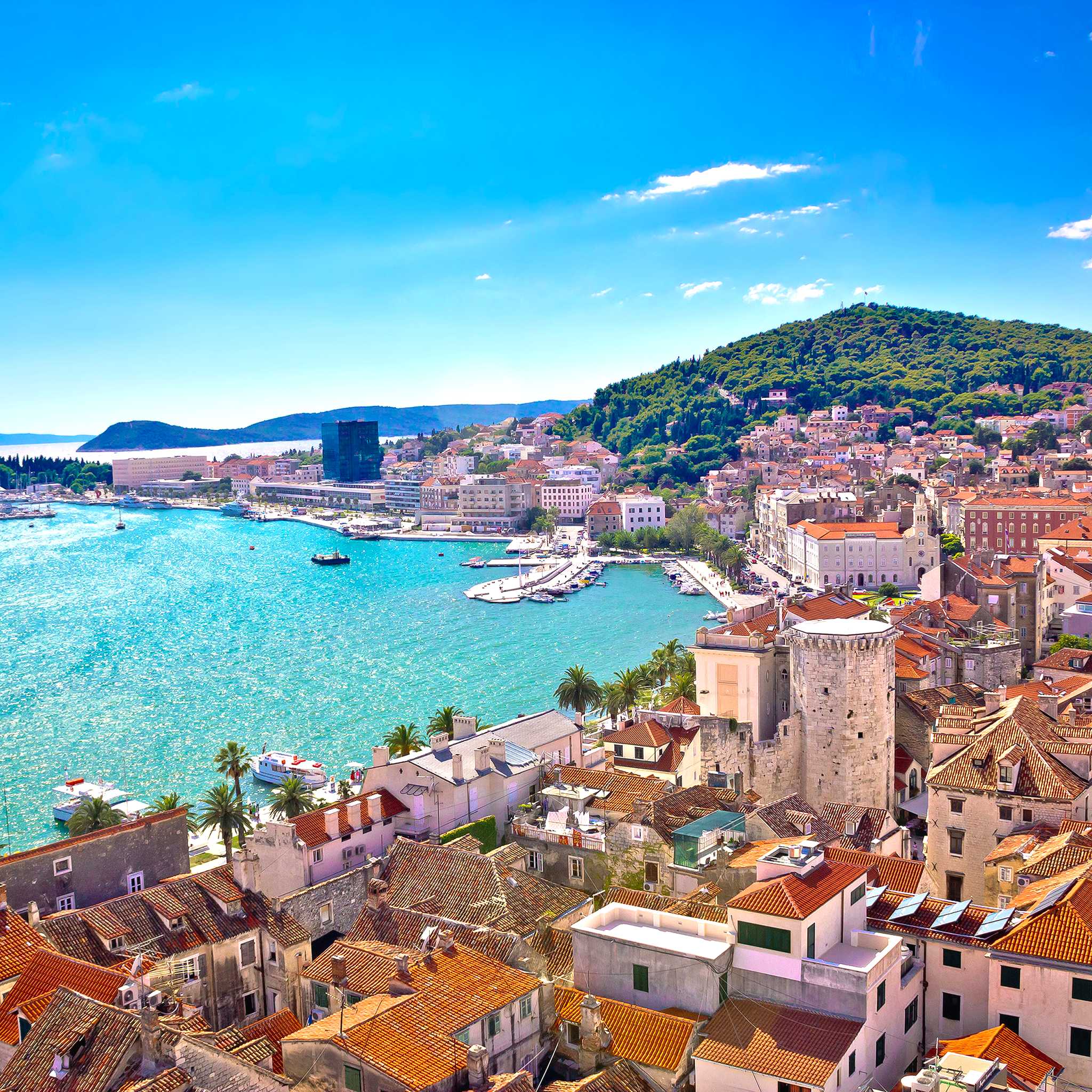
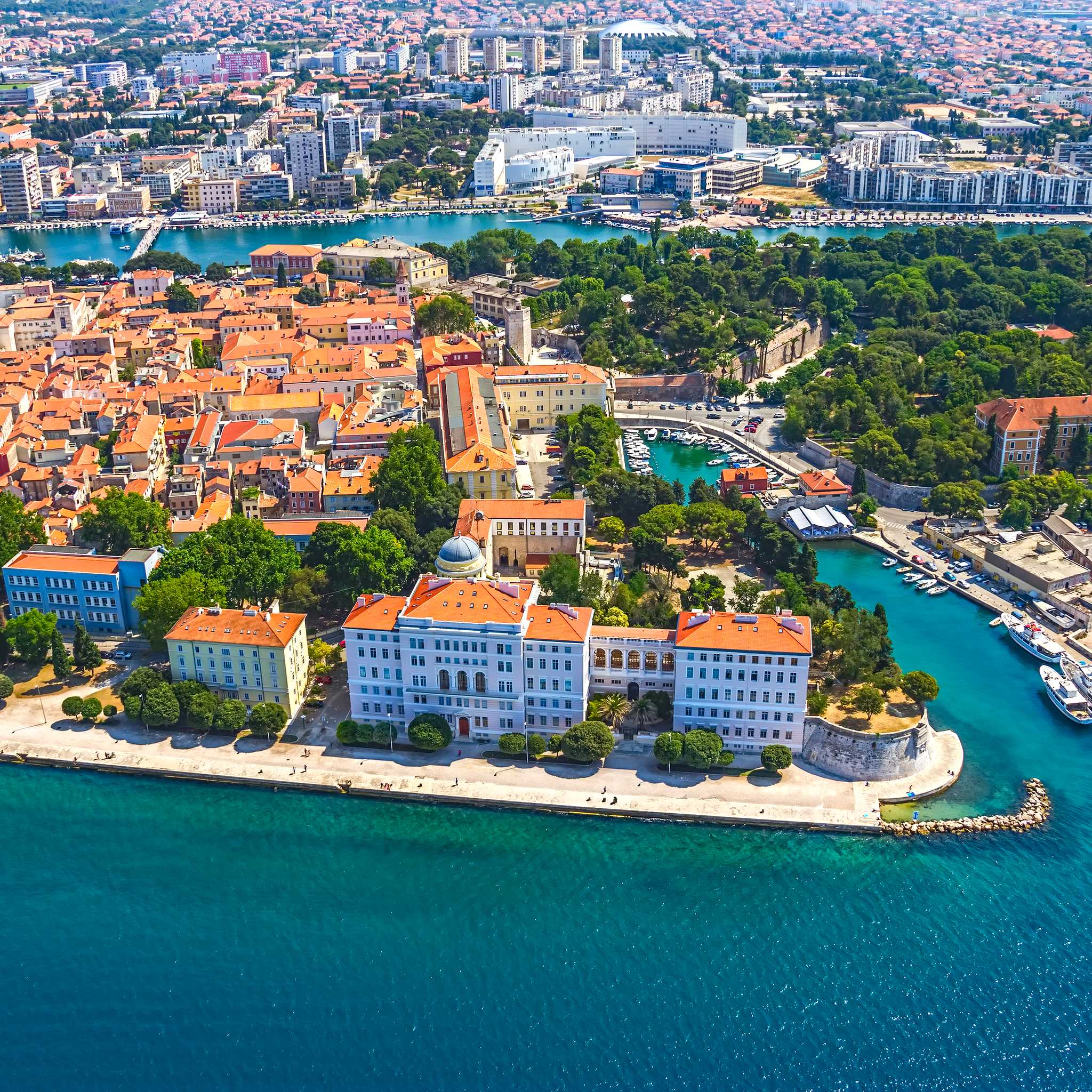
Highlights include strolling Tisno's historic Riva promenade, exploring the stone streets and churches of the old town, and taking a boat excursion to the breathtaking Kornati National Park, an archipelago of over 140 islands. The nearby Krka National Park with its iconic waterfalls, the UNESCO-listed cathedral and fortress in th town of Sibenik, and the coastal city of Zadar are all popular day-trip destinations within easy reach.
Croatia uses the euro (EUR) as its official currency, having switched from the kuna in January 2023. Cash is still useful, especially at smaller cafes, local markets, and off-the-beaten-path spots. ATMs are available in Tisno and the surrounding area. Major credit cards are accepted in most hotels and restaurants, though it is always sensible to carry some cash for smaller purchases.
Croatian is the official language of Croatia. In Tisno and across the Dalmatian coast, many locals working in hospitality speak English well, especially during the summer season. Learning a few basic Croatian phrases, such as "hvala" (thank you) and "molim" (please), is always appreciated and goes a long way with locals.
Dalmatian cuisine celebrates the sea and the land in equal measure. Look out for freshly grilled fish and seafood, peka (meat or seafood slow-cooked under an iron bell), and local lamb. A "konoba" (traditional tavern) is the best place to experience home-style cooking. Fresh olive oil, local cheeses, and Dalmatian wines are highlights. Finish with a scoop of locally made sladoled (ice cream), widely available along the waterfront.
The summer months of June through August are peak season, offering warm waters and a lively atmosphere, particularly during the internationally known music festivals hosted near Tisno each summer. For a quieter experience with pleasant weather, May and September are excellent choices. Note that the town's drawbridge lifts daily in summer during the late afternoon to allow boats through, so factor this into your plans.