Absolutely. Tossa de Mar sits at the southern end of the Costa Brava and is a great starting point for exploring the region. Girona, with its stunning medieval Jewish quarter, is about 40 kilometers (25 miles) away. Lloret de Mar and Blanes are nearby for boat trips and botanical gardens, and Barcelona is accessible as a day trip, roughly 90 kilometers (56 miles) to the south.
The town center and beach are very walkable, and Vila Vella is compact enough to explore in a few hours on foot. The cobbled streets of the old town can be uneven and steep, which makes it tricky for strollers and wheelchairs. The surrounding coves and coastal walking trails require good footwear and a reasonable level of fitness.
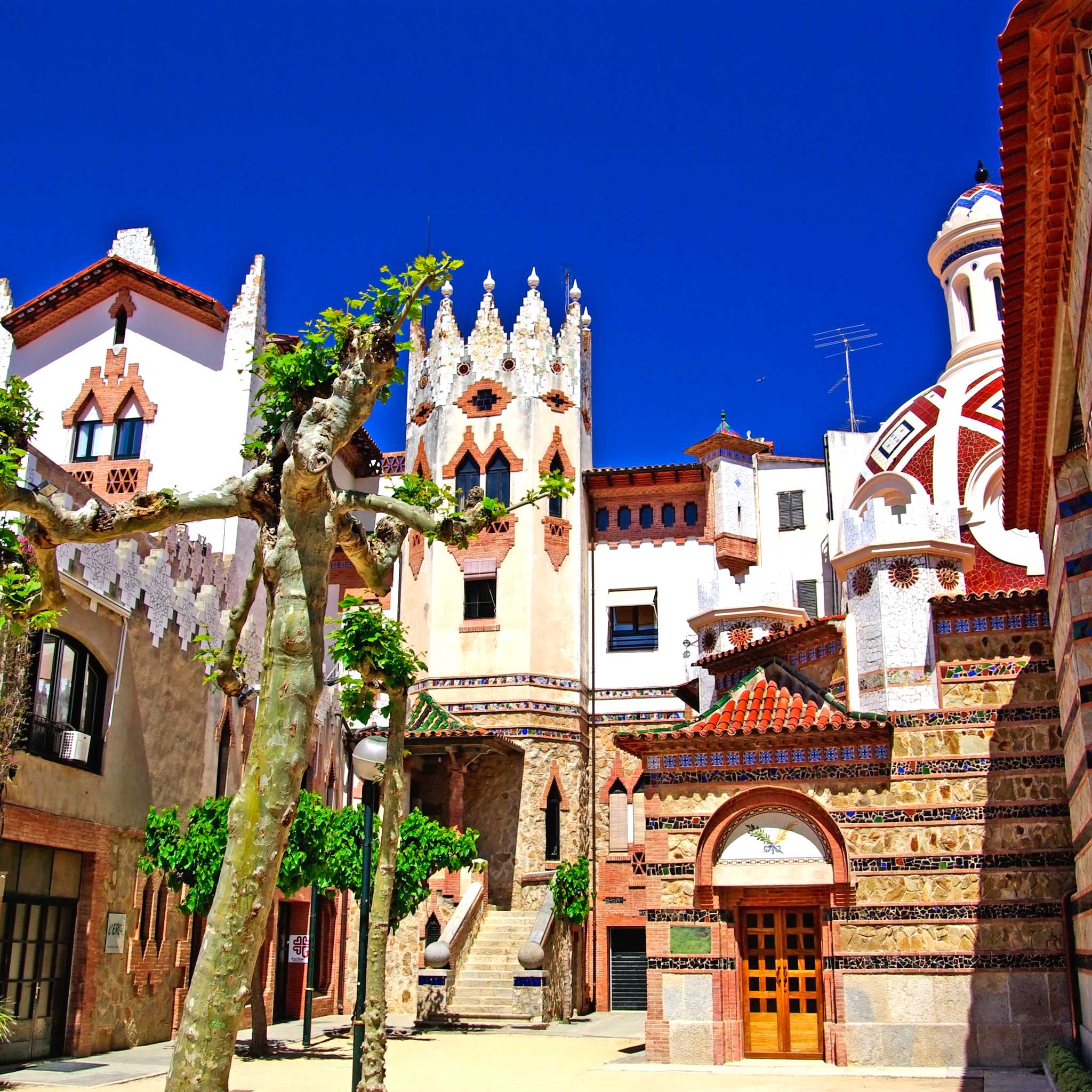
Vila Vella, the walled old town perched on the headland, is the unmissable highlight, with its towers, ramparts, and sweeping sea views. Platja Gran is the main town beach, while nearby coves like Es Codolar offer quieter swimming. The Cami de Ronda coastal walking trail, the Roman ruins at Can Lianas, and boat trips along the coast are all popular with visitors.
Spain uses the euro (EUR). ATMs are readily available in Tossa de Mar, and credit and debit cards are accepted at most hotels, restaurants, and shops in town. For small local businesses, beach bars, and markets, having some euro cash on hand is a practical idea, as some may prefer or only accept cash.
Tipping in Spain is appreciated but not obligatory. In restaurants, rounding up the bill or leaving a few euros for good service is the norm. A tip of around 5 to 10 percent is generous and welcome at sit-down restaurants. For taxi rides and bar service, rounding up is common. Tipping is always at your discretion and no one will expect a large gratuity.
Tossa de Mar is in Catalonia, so both Catalan and Spanish are widely spoken in everyday life. Menus and signs are typically in Catalan and Spanish, and often in English as well. English is commonly understood in hotels and restaurants given the town's popularity with international visitors. A few words of Spanish are always warmly received.
Tossa de Mar is a great place to explore Catalan seafood cuisine. Try suquet de peix (a rich local fish stew), fresh grilled fish and prawns, pa amb tomaquet (bread rubbed with tomato and olive oil), and fideuada (a noodle dish similar to paella). The restaurants along the seafront and inside the old town offer excellent fresh catches daily.
May through September is the best time for beach holidays, with warm and sunny Mediterranean weather and calm seas ideal for swimming and snorkeling. June to August is the most popular and crowded period, with August being the busiest and hottest month. May, June, and September offer a great balance of good weather and a more relaxed atmosphere with fewer visitors.