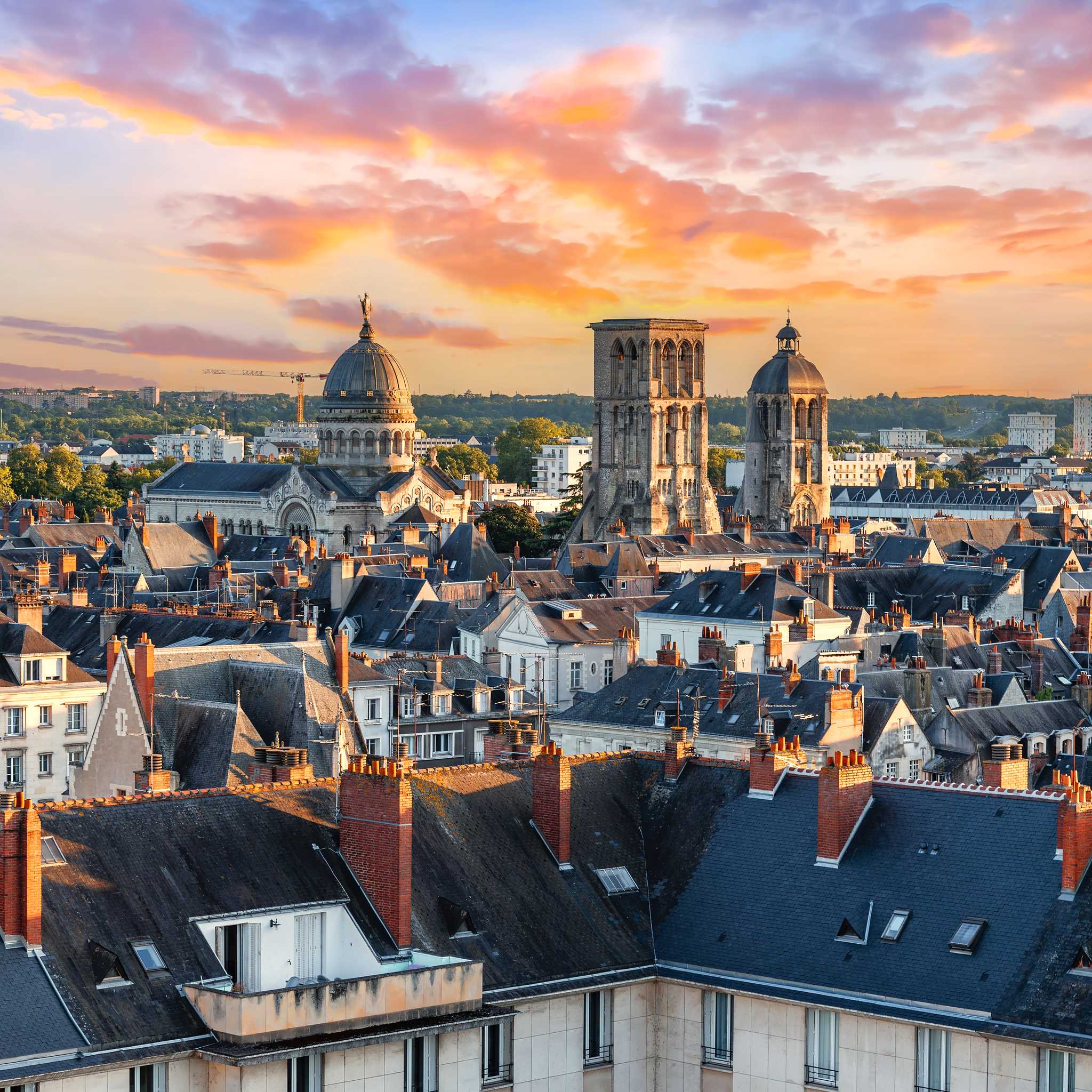
The historic center of Tours, around Place Plumereau and the Cathedral, is largely pedestrian and quite walkable. Some cobblestone streets in the medieval old town can be uneven, which may be tricky with strollers or wheelchairs. The newer parts of the city, including Rue Nationale and the riverfront promenades, are flat and well paved, making them easier for everyone.
A service charge is included by law in French restaurant bills, so tipping is not required. Many people leave small change or round up the bill for friendly service, typically a few euros for a sit-down meal. For taxi drivers, rounding up to the nearest euro is appreciated. Hotel housekeeping tips of one or two euros per night are a kind gesture.
The Loire Valley chateaux are the main draw, including Chenonceau spanning the Cher River, the royal residence at Amboise, the spectacular gardens of Villandry, and the vast hunting lodge of Chambord. Closer to the city, do not miss Tours Cathedral, the Musee des Beaux-Arts, and the half-timbered streets of Vieux Tours.
France uses the euro (EUR). Credit and debit cards are accepted almost everywhere in Tours, including at restaurants, shops, and chateau ticket offices. Contactless payments are common. ATMs are widely available, and it is helpful to carry some cash for small purchases at village markets, bakeries, and rural wineries in the surrounding Loire Valley.
French is the official language of France. In Tours and at major Loire Valley attractions, many staff in hotels, restaurants, and chateaux speak English. Outside the main visitor sites, English is less common, so learning basic French greetings such as bonjour (hello) and merci (thank you) is a respectful gesture that locals truly appreciate.
Bastille Day on July 14 brings fireworks, parades, and outdoor concerts to Tours and surrounding villages. The Fete de la Musique on June 21 fills streets with free live music. The Loire Valley wine harvest in September and October includes festivals at local chateaux. Christmas markets light up the city center in December, adding holiday charm to the historic streets.
Tours is known for rillettes (slow-cooked pork spread), rillons (crisped pork chunks), and fresh goat cheeses such as Sainte-Maure-de-Touraine. Sweet specialties include nougat de Tours, a meringue and fruit tart, and prunes from nearby Tours. Pair your meal with a glass of Vouvray or Chinon wine from the surrounding Loire Valley vineyards.
Late April through June and September into early October are ideal, offering mild weather, blooming gardens, and wine harvest season in the Loire Valley. July and August bring warmer days and busier chateaux. Winter is quieter and cooler, with some chateaux operating shorter hours, but the city itself remains charming and the Christmas markets are a lovely seasonal draw.