Travanca do Monte is approximately 50 km (31 miles) from Porto, and the drive takes around 45 to 60 minutes depending on your route and traffic. Public transport options exist but are limited, infrequent, and typically require connections — making independent travel to this rural village genuinely difficult without a private car or driver.
Two to three hours is enough to explore the monastery, walk the surrounding village, and take in the landscape at a relaxed pace. Because the village is small and rural, most visitors pair it with nearby stops in the Amarante area or along the Douro Valley to make a full day of it. A private transfer gives you the flexibility to set your own schedule and linger or move on when you are ready.
Not really. The village has very limited public transport, and connections from Porto or Amarante are infrequent and time-consuming. This is one destination where having a private driver makes a meaningful practical difference — you arrive directly, on your schedule, without coordinating unreliable rural bus routes. It also means you can combine Travanca do Monte with other stops in the region on the same day without being locked into fixed timetables.
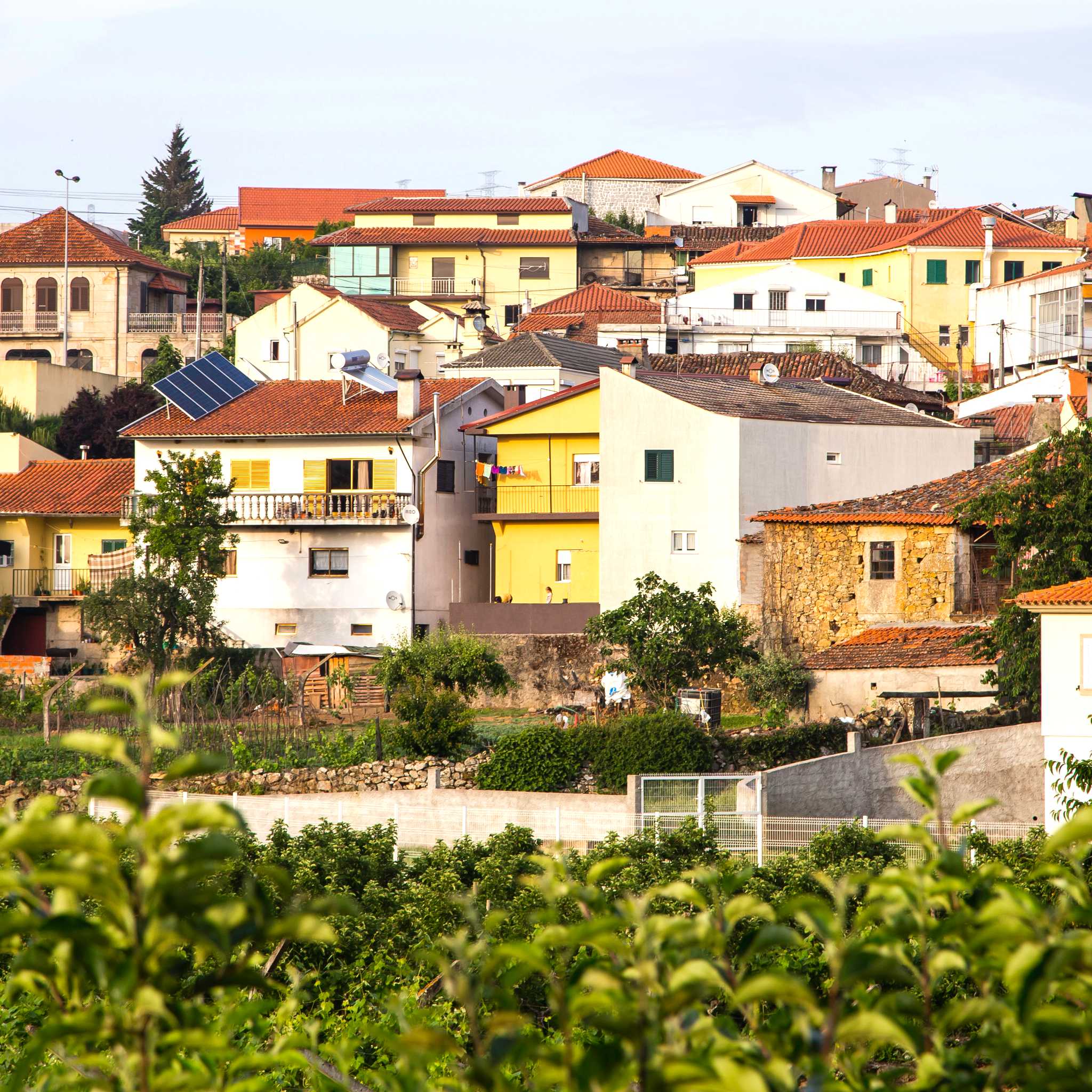
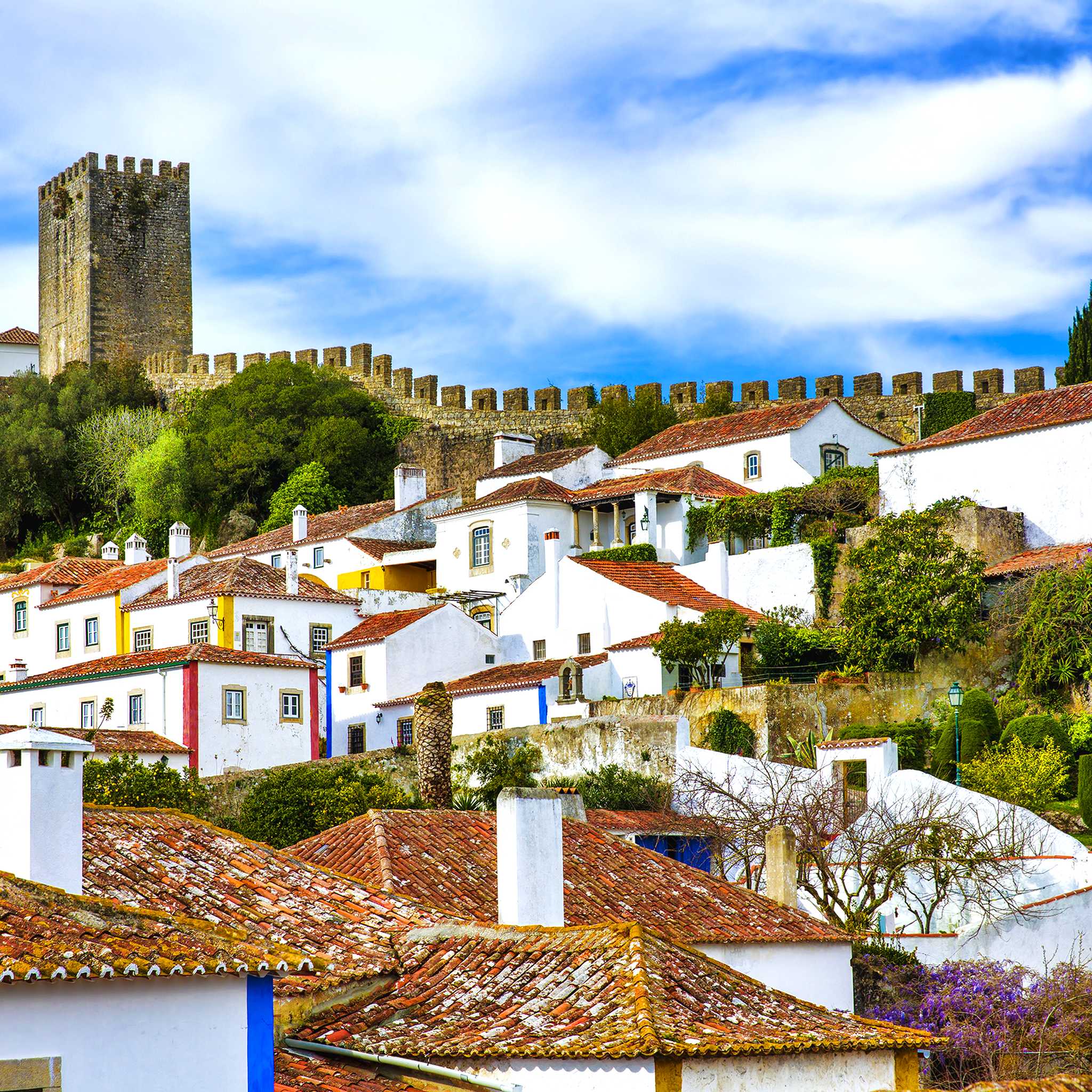
Travanca do Monte is a quiet rural village in the Amarante municipality of Northern Portugal, tucked into the hilly landscape between Porto and the Douro Valley. Its main draw is the Monastery of the Saviour of Travanca, one of Portugal's finest surviving examples of Romanesque architecture and a classified National Monument. If you are drawn to medieval history, authentic countryside, and places that feel genuinely undiscovered, this is the kind of stop that tends to be the most memorable part of a trip.
Founded in the 11th century and closely tied to the powerful Gasco lineage — the same family as the legendary Egas Moniz — the monastery was one of the most influential religious institutions in medieval Northern Portugal. The 13th-century church is among only a handful of three-nave Romanesque churches ever built in Portugal. Look closely at the main portal: the carved corbels, intertwined serpents, human figures, and monsters make it one of the most richly decorated facades of its era. It was classified as a National Monument in 1916 and is part of the internationally recognised Rota do Romanico.
The setting is deeply rural Northern Portugal — rolling green hills, vineyard-dotted valleys, and very few crowds. This is not a polished tourist village; it is the kind of place where the pace slows down naturally. The countryside around Travanca do Monte sits within reach of the broader Tamega and Douro wine regions, so the scenic drive there is part of the experience. Expect tranquillity rather than activity, and authenticity rather than tourism infrastructure.