The village center is small, flat and easy to stroll, with the pier, shops and eateries close together. Some streets and paths near the waterfront are uneven, which can be bumpy for strollers and wheelchairs, and boat boarding for island trips can be tricky for those with mobility needs. Overall, the compact village is fairly comfortable to explore on foot.
Mauritius is considered one of the safer destinations in the region, and Trou d'Eau Douce is a quiet, friendly village. Serious crime is rare, though, as anywhere, it is wise to keep valuables secure on the beach and in busy spots. Take normal care in the water and on boats. Families and solo travelers generally feel very relaxed and welcome here.
Tipping is appreciated in Mauritius but not obligatory. Some restaurants include a service charge, and otherwise rounding up the bill or leaving around 10 percent for good service is a kind gesture. Small tips for boat crews, guides and hotel staff are welcome. Keeping some rupee notes on hand makes it easy to tip for friendly service as you go.
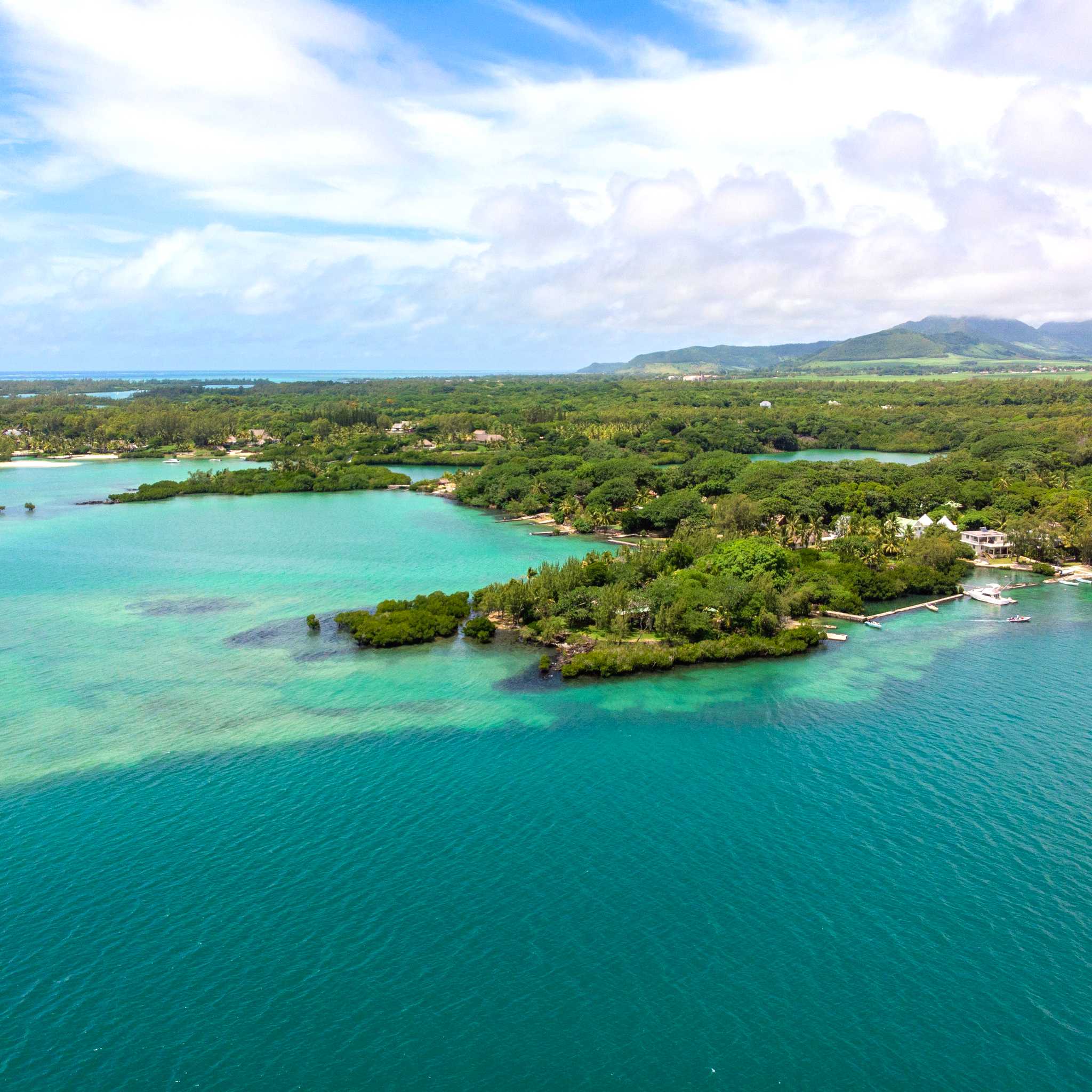
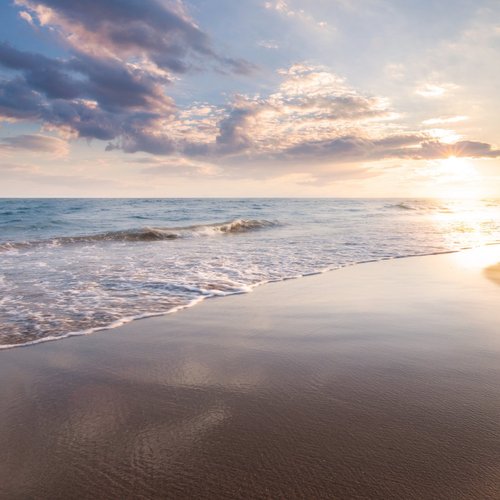
The big draw is a boat trip to Ile aux Cerfs, a gorgeous island with white sand beaches and a turquoise lagoon, just a short ride from the village pier. Enjoy snorkeling, kayaking and stand-up paddleboarding in the calm lagoon, stroll the village to watch fishermen at work, and visit the lively local market for fresh produce and crafts.
Mauritius uses the Mauritian rupee (MUR). In Trou d'Eau Douce, larger restaurants, hotels and resorts usually accept cards, but smaller eateries, market stalls and boat operators often prefer cash. There are a couple of ATMs in the village, with full banking services in nearby Centre de Flacq. It is handy to carry some rupees for day-to-day spending.
English is the official language of Mauritius and is widely understood, while French is also very common. Most locals speak Mauritian Creole in everyday life. In Trou d'Eau Douce, you will easily get by in English or French at hotels, restaurants and shops. A friendly bonjour or a few Creole words are always warmly received by locals.
Mauritian food is a flavorful blend of Creole, Indian, Chinese and French influences. On the coast, fresh seafood and fish curry are highlights. Try street snacks like dholl puri, a soft flatbread, and samosas, plus hearty dishes such as rougaille and biryani. Cool down with a fresh tropical fruit or a local rum cocktail as the sun sets over the lagoon.
The pleasant dry season, roughly May to December, is a great time to visit, with warm, sunny days ideal for the beach and boat trips to Ile aux Cerfs. October and November are especially lovely, with calm seas and fewer crowds. The hotter, more humid summer runs from about December to April, which is also the cyclone season, so watch the forecast.