Sunscreen and insect repellent of any kind, including reef-safe formulas, are strictly prohibited, as they harm the fragile ecosystem. Alcohol is not allowed in the cenote area. Visitors must not touch stalactites, stalagmites, or tree roots. Divers must follow marked yellow guide ropes at all times. Showers are available on site and must be used before entering the water.
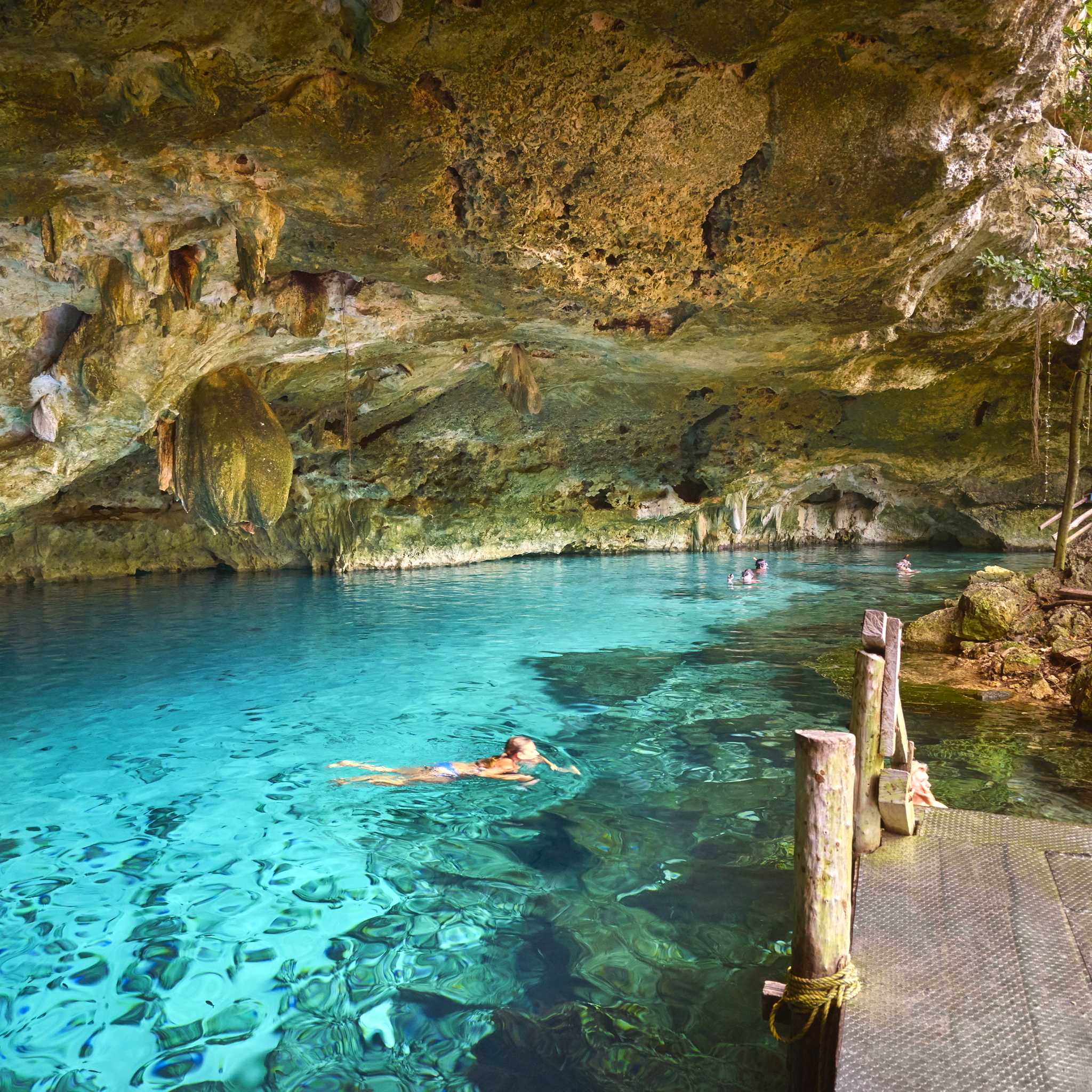
Absolutely. Swimming is permitted in the main open cenote areas, and the calm, clear water is suitable for all levels. Life jackets are included with admission. Snorkeling gear can be rented on site for those who want to explore a little deeper. The partially covered, cave-like setting keeps the water at a consistently refreshing temperature year-round.
The site requires walking approximately 3 km (about 2 miles) on an unpaved road from the ticket booth to the cenote entrance. The terrain around the cenotes is rocky and uneven in places. The site is not well suited for visitors with limited mobility or very young children. Wooden stairs and decks provide access to the water, and life jackets are available for all swimmers.
Mexico uses the Mexican peso (MXN). Entrance fees at Cenote Dos Ojos are typically paid in cash, and a surcharge may apply when using a credit card. There are no ATMs on site, so bring enough pesos before you arrive.
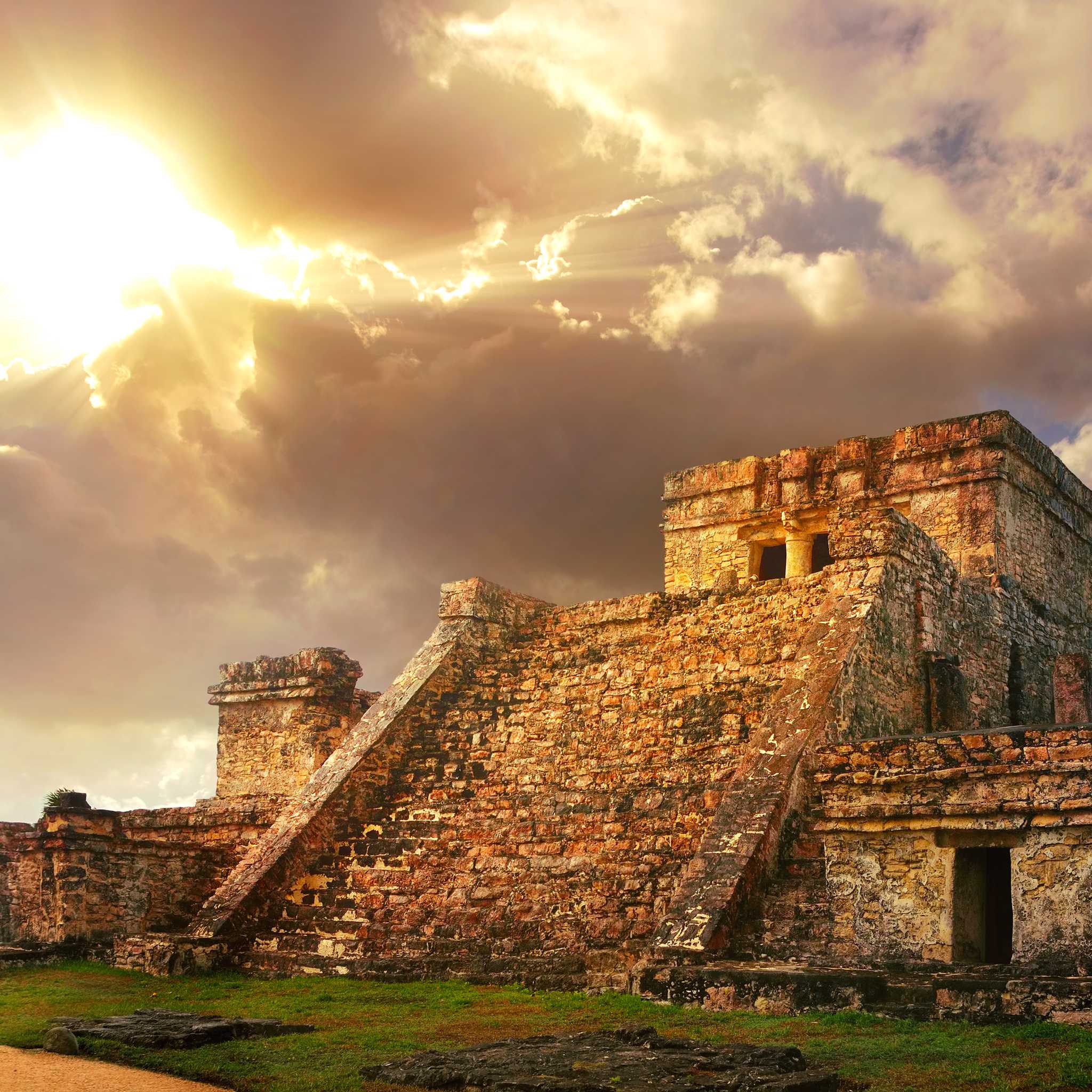
Cenotes were sacred to the ancient Maya, who regarded them as entrances to the underworld and used them for ceremonies and as vital freshwater sources. Dos Ojos is part of the Sac Actun System, which, after a 2018 discovery connecting it to the neighboring Ox Bel Ha system, became part of the world's largest known underwater cave network, spanning hundreds of kilometers beneath the Yucatan Peninsula.
Spanish is Mexico's official language. At Cenote Dos Ojos, on-site staff and many certified guides speak English, making the visit straightforward for international visitors. If you book a guided snorkeling or diving tour in advance, most operators work routinely with English-speaking guests from around the world.
Pack water shoes for walking on the uneven rocky paths, a reusable water bottle, and a towel. Instead of sunscreen, wear long-sleeve swimwear and a hat for sun protection before and after entering the water. A waterproof camera or GoPro is great for capturing the underwater formations (note that a small fee may apply for GoPros on site).
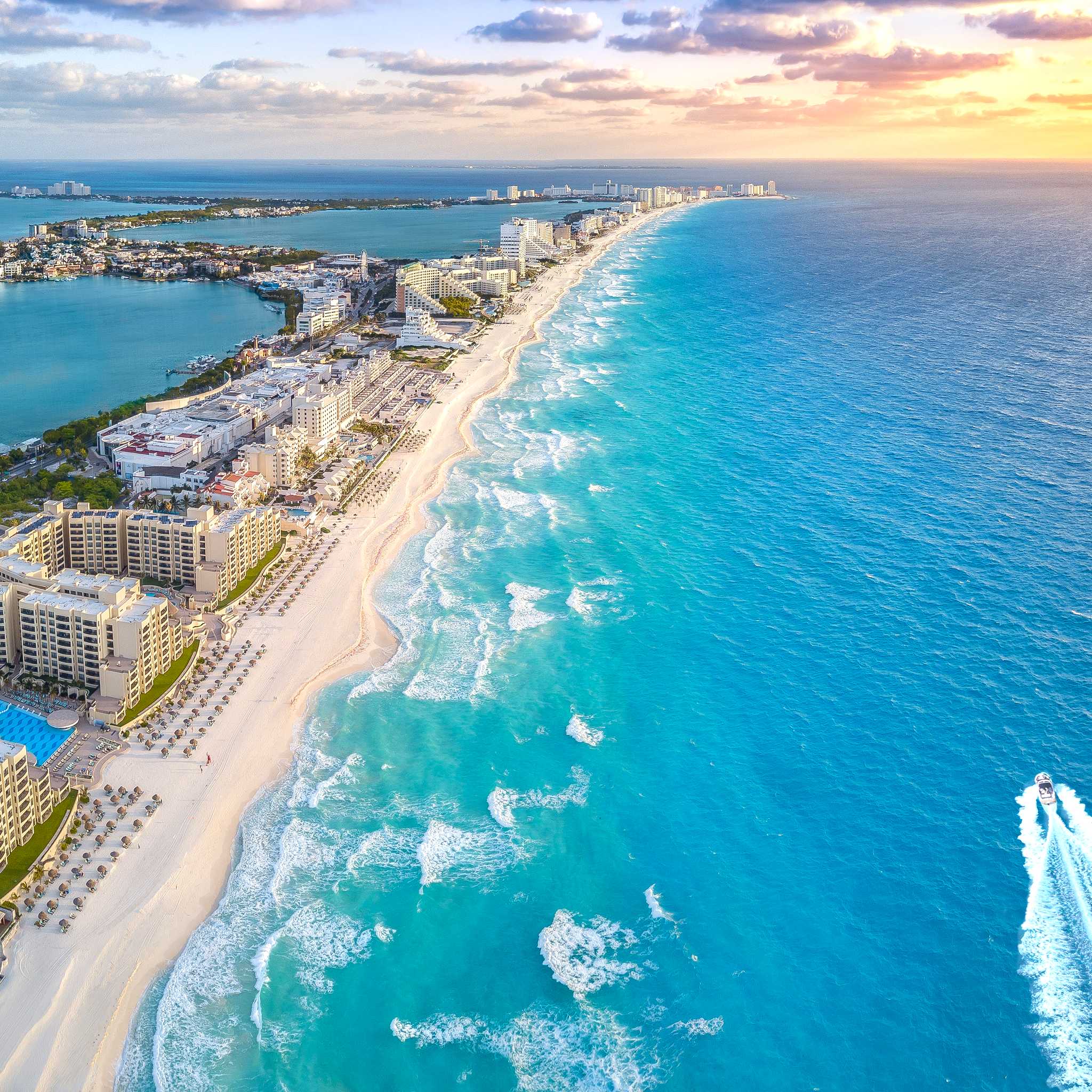
Arriving right at opening time (8 a.m.) on a weekday is the best strategy for a quieter experience. Large tour groups from Tulum, Playa del Carmen, and Cancun tend to arrive mid-morning. The cenote also becomes busy on weekends when local visitors make the trip. Arriving early not only avoids crowds but also allows you to enjoy the morning light filtering into the caves.