This region is extremely safe for visitors. Rural Castile and Leon has very low crime rates and locals are generally hospitable and helpful. Standard common-sense precautions apply, such as keeping valuables secure and informing someone of your plans before hiking in remote areas of the natural park. Road conditions on smaller rural tracks can be uneven, so a vehicle with decent clearance is useful for reaching the more secluded viewpoints.
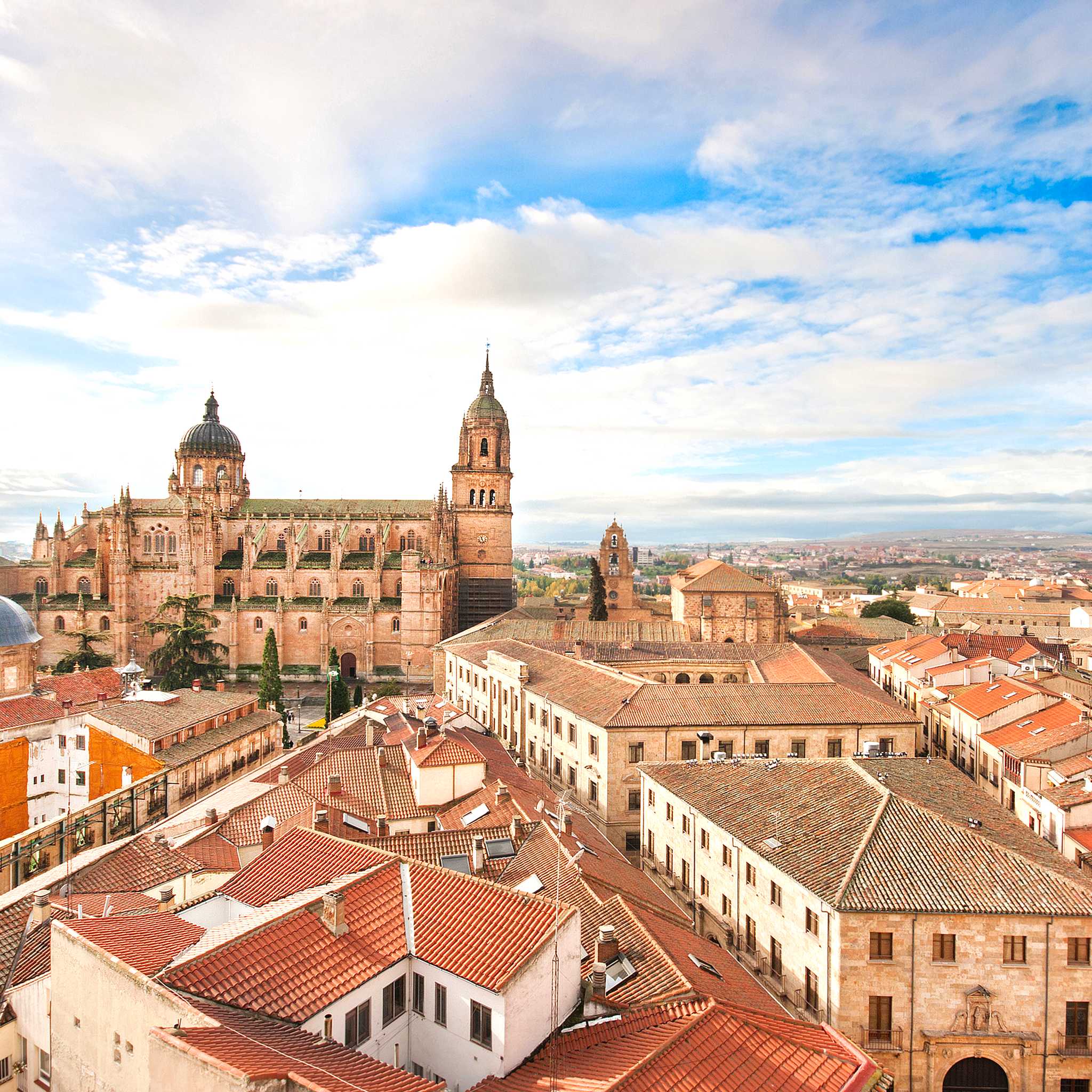
Yes. Salamanca, one of Spain's finest cities and a UNESCO World Heritage Site, is roughly a 90-minute drive from Vega de Terron, making it an excellent day trip. Its stunning Plaza Mayor, ancient university buildings, and golden sandstone architecture reward a full day of exploring. Visitors based in Salamanca often make the journey in the other direction, heading to Vega de Terron for a scenic break from the city.
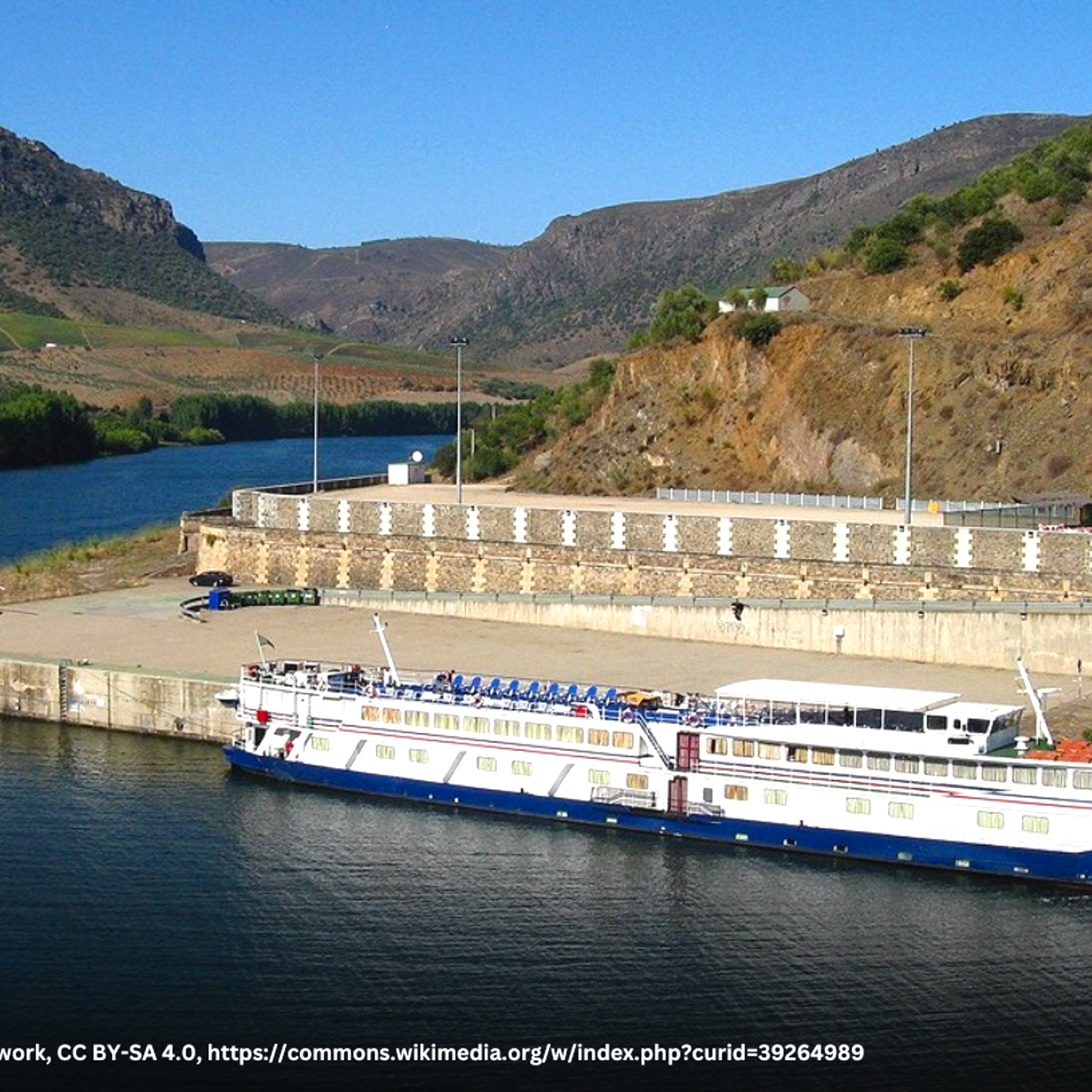
Spain uses the euro (EUR). Cards are widely accepted in cities and larger towns, but this rural border region is cash-friendly, so carry euros for village markets, small cafes, and local purchases. There are no confirmed ATMs at the pier itself; the nearest are in La Fregeneda, a short drive away. It is safest to withdraw cash in Salamanca or before arriving, as rural ATMs may carry additional surcharges.
Spring and autumn are ideal for visiting. In spring, the riverbanks are lush and wildflowers are in bloom, making it perfect for hiking and birdwatching in the Arribes del Duero. Autumn brings harvest season and cooler walking weather. Summer is warm and sunny but can get very hot in inland Spain. Winter visits are quieter, with fewer crowds and cooler temperatures that suit scenic drives and nature walks.
The Arribes del Duero Natural Park is the main draw, offering dramatic river gorge scenery, hiking trails, and outstanding birdwatching including black storks and Egyptian vultures. The Aldeadavila Dam, one of Spain's largest hydroelectric projects, is nearby and open to visitors. Just across the Portuguese border, the medieval walled town of Castelo Rodrigo is an easy and rewarding half-day excursion.
Spanish (Castilian) is the official language throughout Spain. In the Salamanca region and across Castile and Leon, Spanish is universally spoken. English is less common in rural areas like La Fregeneda and Vega de Terron than in major cities, so a handful of basic Spanish phrases will be genuinely useful. Locals tend to respond warmly to any effort made to speak their language.
The Salamanca region is famous for its cured meats, particularly the rich, acorn-fed jamon iberico from nearby producers. Hearty stews like farinato, a crumbled sausage dish, and chanfaina, made with lamb offal, are local staples. The area also produces excellent wines, and a glass of local Arribes DO red pairs well with almost any meal. Do not leave without trying the region's simple but delicious roasted suckling pig.
The Arribes del Duero Natural Park is considered one of Spain's best birdwatching destinations. The steep river gorges are home to large colonies of griffon vultures, as well as black storks, black vultures, and eagle owls. Golden eagles and Bonelli's eagles also nest in the area. Spring and early summer are the best seasons for sightings. Beyond birds, the park shelters otters, wild boar, and a variety of reptiles along the rocky riverbanks.