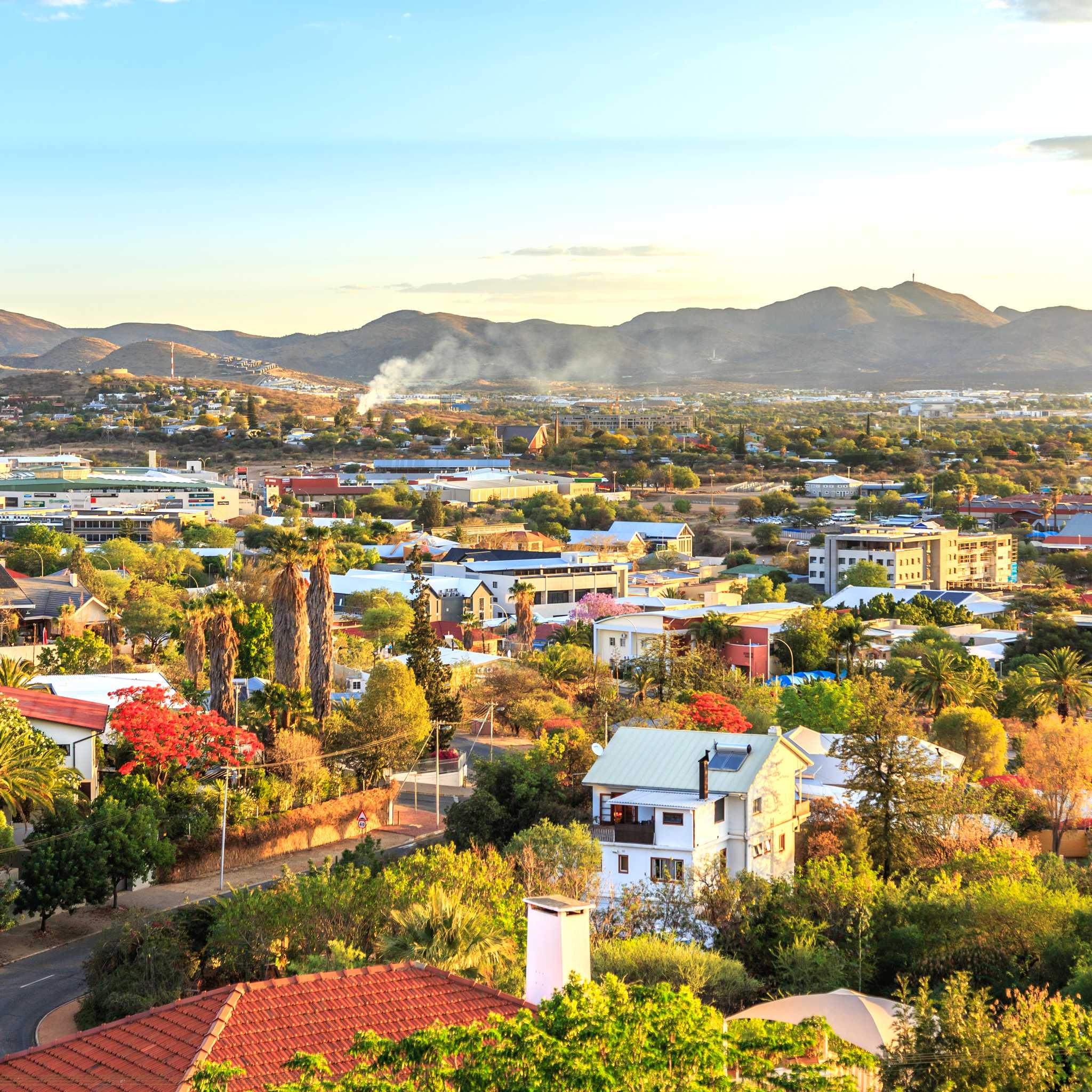
Windhoek's compact city center around Independence Avenue is fairly walkable, and many central sights are close together. However, the city is hilly in places, sidewalks can be uneven, and accessibility features like ramps are limited, which can be challenging for strollers and wheelchairs. For longer distances or after dark, using a reputable pre-booked taxi or private transport is the safer choice.
Namibia is one of Africa's more stable and welcoming countries, and Windhoek is its calm, modern capital. That said, petty crime such as pickpocketing and bag snatching does occur, and visitors should stay alert. Keep valuables out of sight, avoid walking alone after dark, and use reputable, pre-booked taxis rather than hailing rides on the street, especially at night.
Tipping is customary in Namibia. In restaurants, a tip of around 10 to 15 percent is standard for good service, unless a service charge is already included. Small tips for guides, drivers and hotel staff are appreciated and form part of the local culture. Carrying some cash makes it easy to tip, as not every spot accepts cards for gratuities.
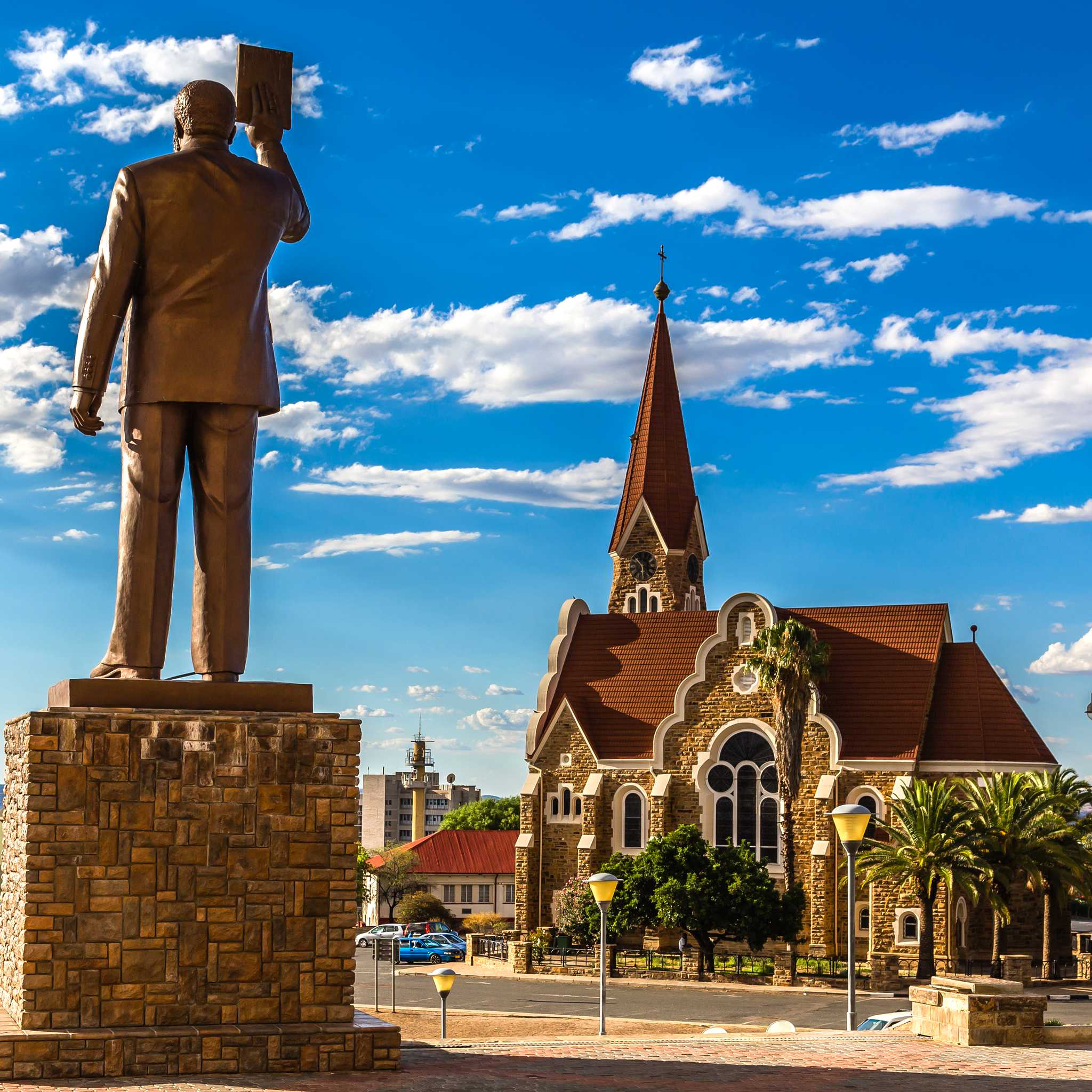
Windhoek's compact center is full of history. Visit the landmark Christuskirche, a striking sandstone church, and the modern Independence Memorial Museum for views over the city. See the historic Tintenpalast parliament buildings and gardens, browse local crafts at Post Street Mall, and sample Namibian culture and cuisine in the city's lively restaurants and markets before heading off to explore the country.
Namibia uses the Namibian dollar (NAD), which is pegged one-to-one with the South African rand (ZAR). The rand is also accepted throughout the country, though Namibian dollars are not accepted once you leave Namibia. Cards are widely accepted in Windhoek's hotels, restaurants and shops, but carry some cash for markets, taxis and small purchases.
English is the official language of Namibia and is widely spoken in Windhoek. Due to the country's history, German and Afrikaans are also common, along with Indigenous languages such as Oshiwambo and Otjiherero. Visitors generally find it easy to communicate in English, and a polite greeting in any local language is always warmly received.
Namibian cuisine reflects African and German influences. Meat lovers should try game such as kudu, oryx or springbok, and biltong, a popular dried meat snack. Sample kapana, grilled street-side beef, and hearty stews with pap, a maize staple. Fresh seafood arrives from the coast, and German-style bakeries and the locally brewed Windhoek beer add a distinctive local flavor.
The dry season, from about May to October, is the most popular time to visit, with mild, sunny days, cool nights and excellent conditions for onward safaris. This is winter in Namibia, so pack layers for chilly evenings. The summer months bring hotter days and the main rains, mostly from around January to March, with occasional afternoon storms.