The distance from central Tokyo to Kofu — Yamanashi's prefectural capital — is approximately 130 km (81 miles). By private transfer the journey typically takes around 1.5 to 2 hours depending on your exact pickup point and destination within the prefecture. Popular spots like Lake Kawaguchiko or the Chureito Pagoda in Fujiyoshida are closer still, roughly 90 km (56 miles) from central Tokyo.
A full day — roughly 8 to 10 hours on the ground — gives you time to do two or three things properly rather than everything superficially. A well-paced itinerary might combine the Chureito Pagoda in the morning, a lakeside stop at Kawaguchiko for lunch, and a late-afternoon winery visit in Katsunuma. Because the Fuji Five Lakes area and the wine region sit at opposite ends of the prefecture, having your own driver means you can connect them seamlessly without retracing routes or managing multiple local bus timetables.
Every season brings a different version of Yamanashi. Spring (mid-April through May) is spectacular for the Fuji Shibazakura Festival, where vast hillside fields of pink moss phlox bloom with Mount Fuji as a backdrop — one of the most distinctive seasonal events in the country. Summer opens the official Mt. Fuji climbing season. Autumn transforms the lakeside maple corridors into deep reds and golds from late October through mid-November. Winter delivers the clearest, sharpest views of Fuji's snow-capped peak. Whichever season you visit, arriving by private transfer rather than fighting for seats on peak-season buses means you start the day on your own terms.
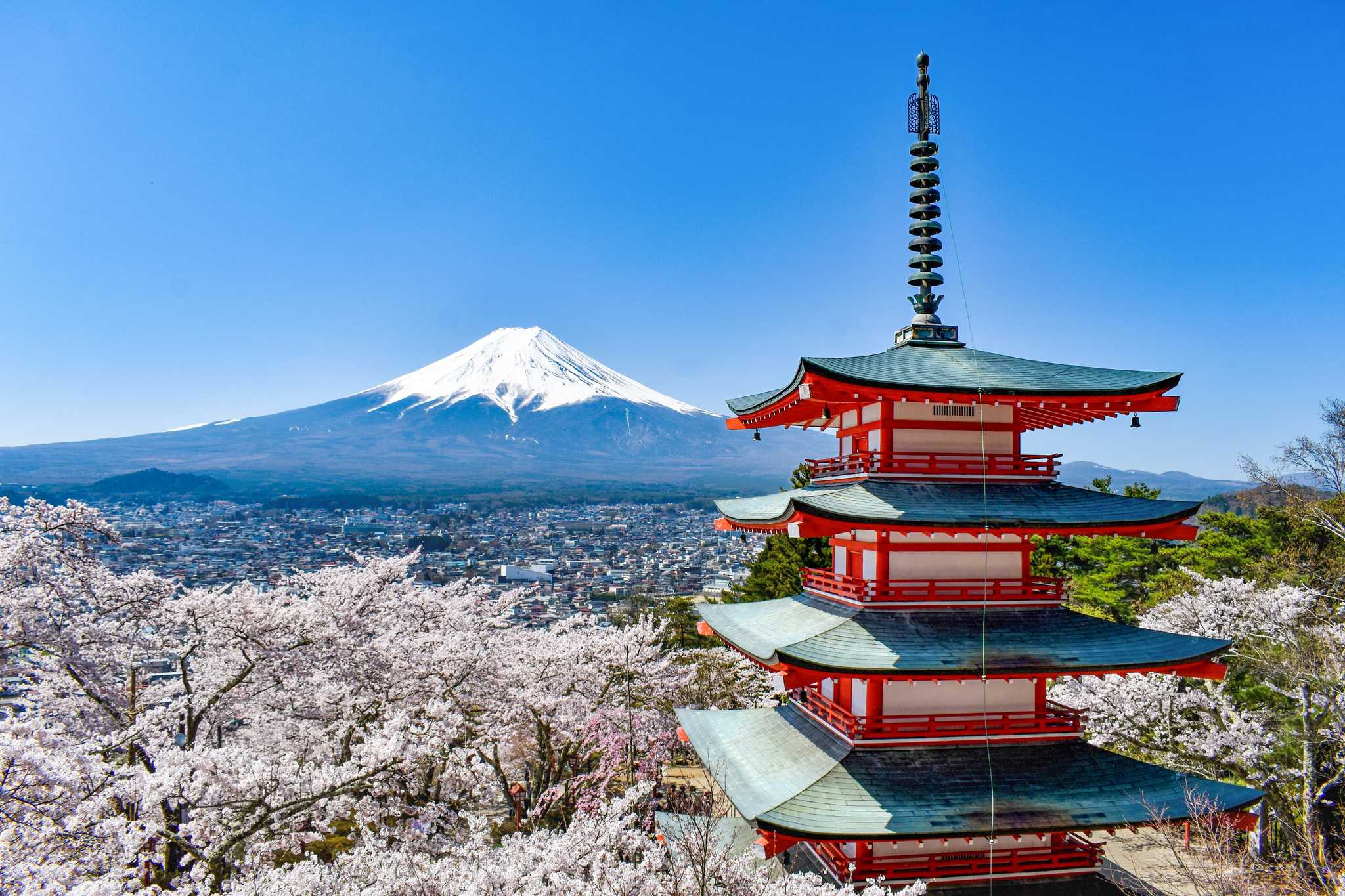
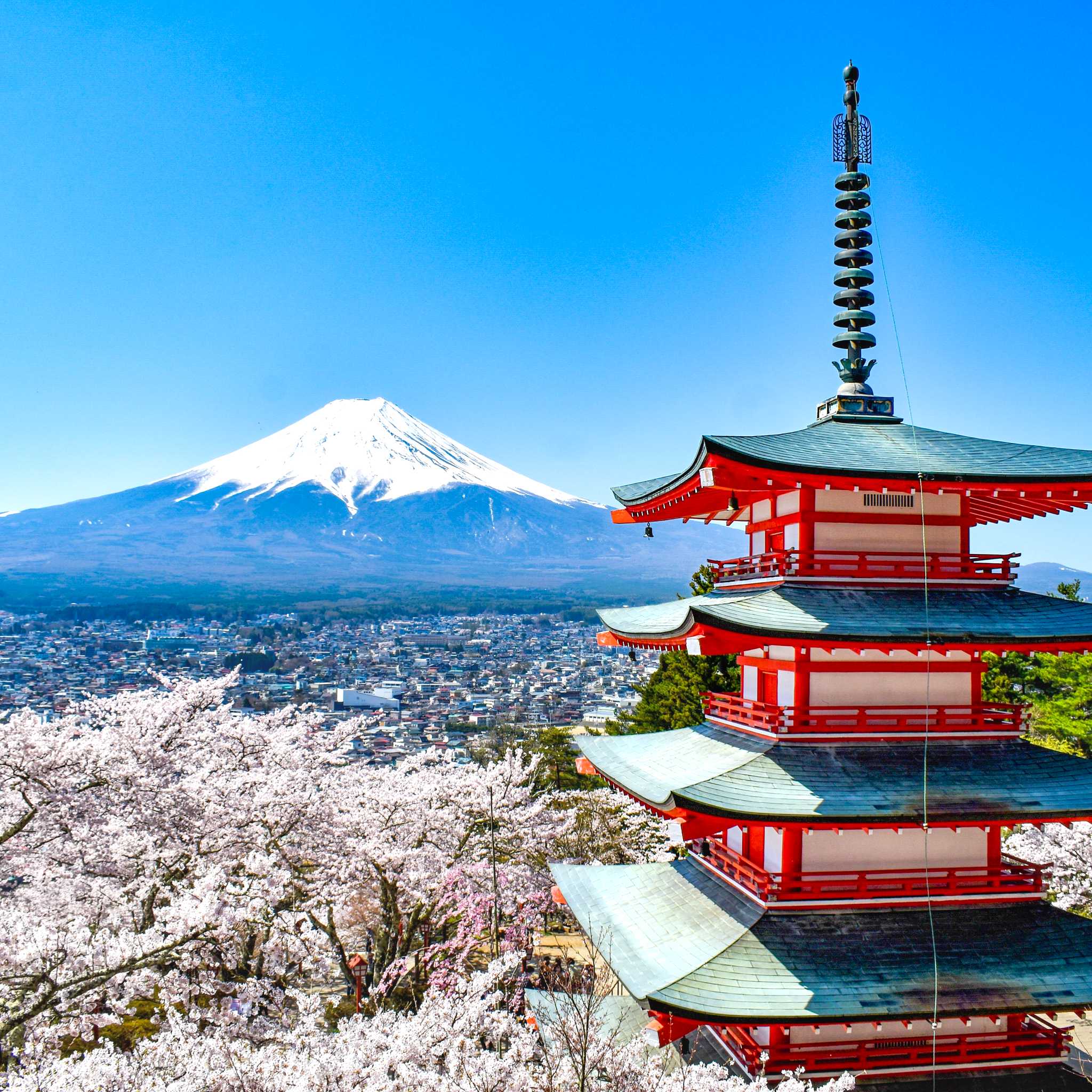
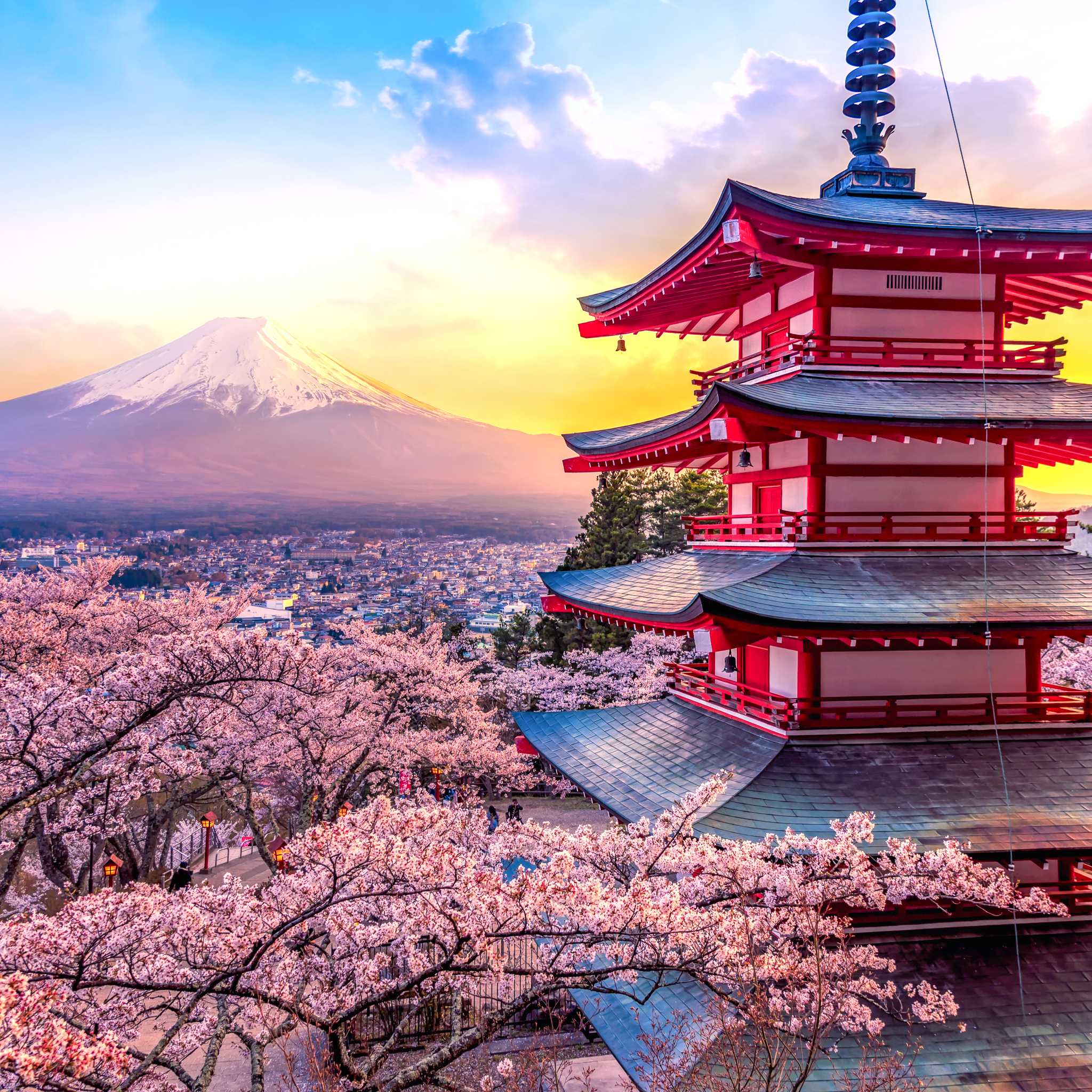
The Chureito Pagoda is the single most photographed view in the prefecture — a five-story red pagoda perched on a forested hillside with Mount Fuji rising behind it. It sits within the Arakurayama Sengen Shrine complex and involves a short climb of around 400 steps that rewards you with one of Japan's defining panoramas. Lake Kawaguchiko, the most accessible of the Fuji Five Lakes, offers serene water reflections of the peak and is ideal for a lakeside walk or boat ride. For a different mood entirely, the Katsunuma wine district near Koshu City is dotted with over 80 wineries — many open to walk-in tastings — producing the crisp, delicate Koshu grape that is unique to Japan.
Hoto is Yamanashi's most celebrated dish — thick flat noodles simmered in a miso-based broth with pumpkin, mushrooms, and vegetables, a hearty staple particularly satisfying on cooler days. The prefecture produces around a third of Japan's total wine output and is the country's most respected wine region, with Koshu white wines earning international recognition for their clean, mineral character. Yamanashi is also nicknamed the "Kingdom of Fruits": fresh peaches in summer, grapes in autumn, and cherries in spring are sold roadside throughout the season, and many farms offer pick-your-own experiences.
Yamanashi packs an unusual range of experiences into a single day. You have the iconic silhouette of Mount Fuji from the Fuji Five Lakes, one of Japan's best-established wine regions, ancient shrines, and the postcard-perfect Chureito Pagoda — all within the same prefecture. It is one of the few places in Japan where you can watch the sunrise over Fuji's reflection on a mountain lake, eat freshly harvested peaches at a local farm stand, and finish the afternoon with a glass of Koshu white wine at a hilltop winery.