Yokohama hosts several major events throughout the year. The Yokohama Sparkling Twilight fireworks display in throughout the year is spectacular over the harbor. The city's Chinatown holds lively Lunar New Year celebrations in late January or February. Autumn brings the Yokohama Jazz Promenade, and the Sankeien Garden hosts traditional seasonal events tied to cherry blossoms, hydrangeas, and autumn leaves.
Yokohama is generally well-equipped for visitors with mobility needs. Train stations have elevators and accessible facilities, and many of the city's major attractions, including Sankeien Garden and the Minato Mirai waterfront, are relatively flat and manageable. Some older neighborhoods and hilly areas like Yamate require more effort. Checking individual venues in advance is always recommended.
Tipping is not practiced in Japan and can even be considered impolite in some contexts. Excellent service is simply considered a standard part of Japanese culture. When dining out or staying in hotels, no tip is expected or required.
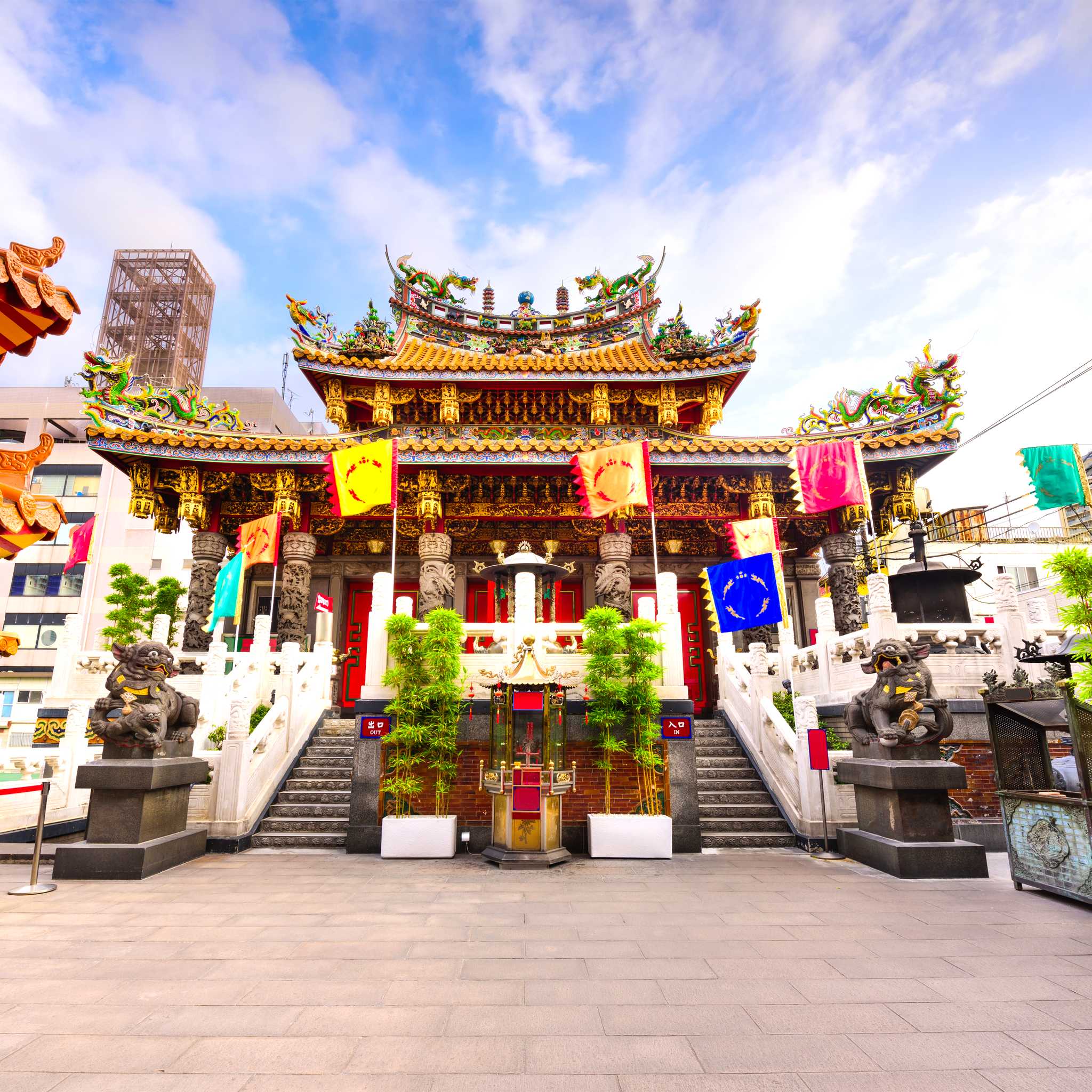
The Minato Mirai waterfront area is home to the iconic Landmark Tower, the Red Brick Warehouse (Akarenga), and Cosmo World amusement park. Japan's largest Chinatown is a short walk away. Sankeien Garden is a tranquil traditional Japanese garden with relocated historic buildings. The Cup Noodles Museum, Nippon Maru Memorial Park, and the Yamate district round out a full and varied itinerary.
Japan uses the Japanese yen (JPY). Cash is still preferred for many transactions across Japan, including small restaurants, markets, shrines, and rural vendors. Major hotels, department stores, and convenience stores increasingly accept cards, but it is wise to carry yen for day-to-day spending. ATMs at 7-Eleven and Japan Post locations reliably accept international cards.
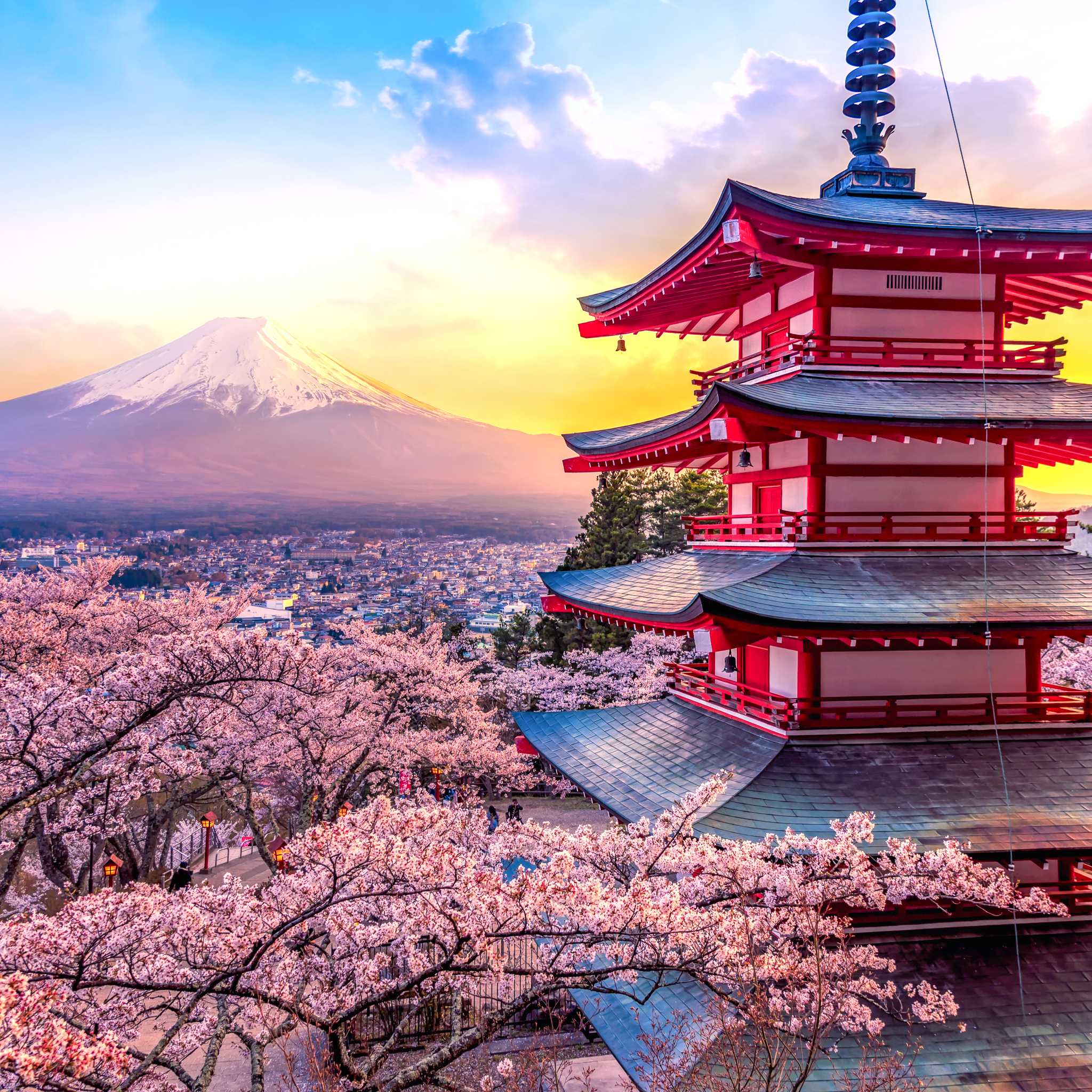
Spring (late March to April) is one of the most popular times, with cherry blossoms in full bloom across the city's parks. Autumn (October to November) brings beautiful foliage and comfortable temperatures. Summer is warm and can be humid, while winter is cool and dry. Each season offers its own appeal, from the Sankeien Garden's plum blossoms in winter to hydrangeas in early summer.
The official language is Japanese. In Yokohama, English signage is common in major attractions and tourist areas, and staff at larger hotels and popular restaurants often speak some English. Outside of the main visitor areas, communication can be more limited. Having a translation app or a few key Japanese phrases prepared can make a big difference.
Yokohama has a dynamic food scene shaped by its port city heritage. Must-tries include authentic ramen (the city has its own ramen museum), Chinese-influenced dishes from Yokohama Chinatown such as nikuman (steamed pork buns) and dim sum, and fresh sushi and seafood from the harbor area. Do not leave without trying a bowl of traditional Japanese ramen from a local shop.