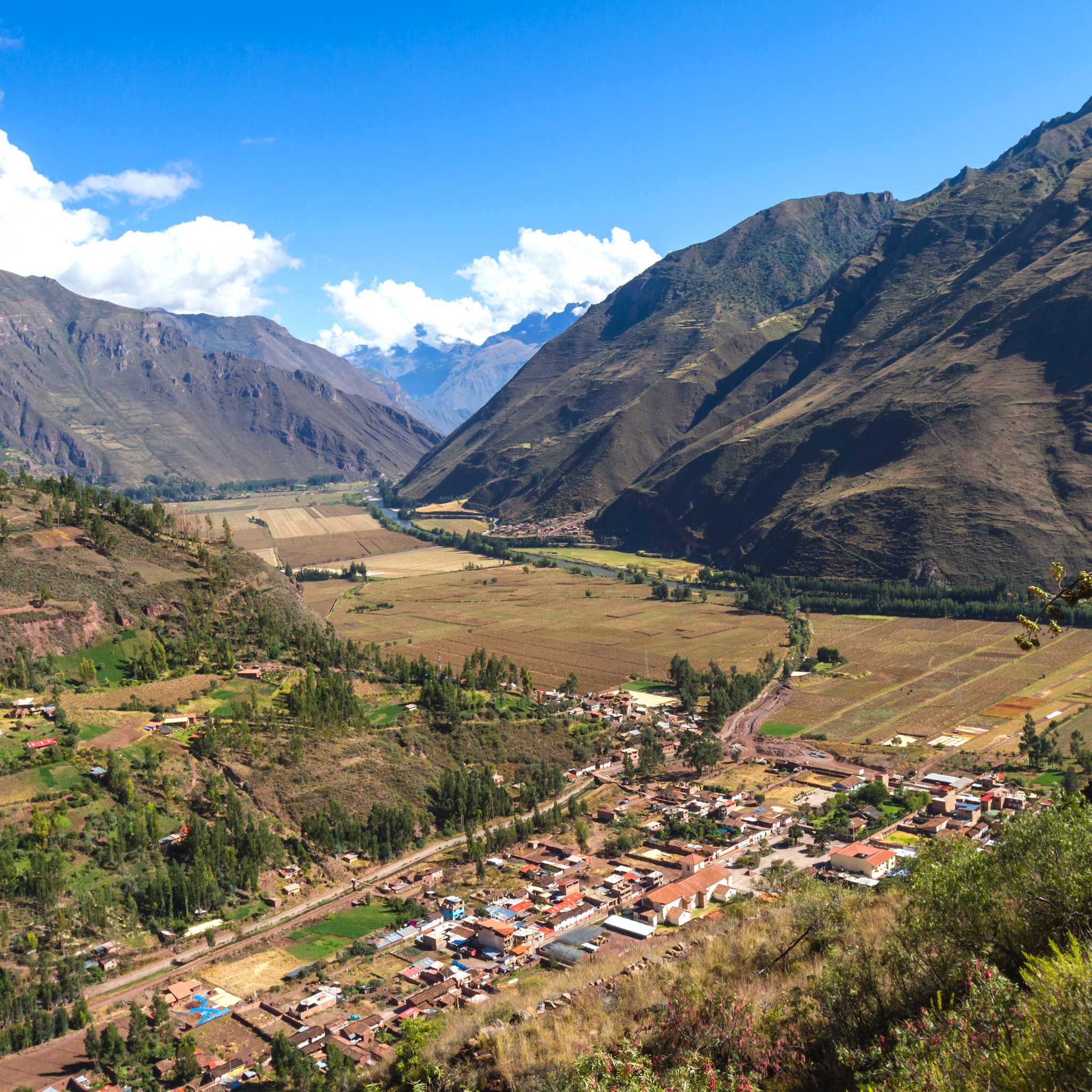
Yes. Urubamba is just 4 km (2.5 miles) away, Pisac is roughly 30 km (18 miles), and Ollantaytambo, a common gateway toward Machu Picchu, is about 30 km (18 miles) further along the valley. Yucay's location makes it easy to weave into a route that also covers markets, ruins, and terraces elsewhere in the valley.
An hour or two is enough to walk the plaza, see the church facade, and explore the palace ruins and nearby terraces. That makes Yucay a natural short stop rather than a full-day destination, easy to pair with other Sacred Valley towns without disrupting your schedule.
Yes, Yucay sees noticeably fewer visitors than its better-known neighbors, which makes for a more relaxed pace at the plaza, church, and palace ruins. It works well as a calmer counterpoint to busier stops, giving travelers a chance to explore Inca and colonial history without the crowds.
The Sayri Tupac palace ruins show Inca stone and adobe walls with original windows and doorways. The Santiago Apostle church, built in the 17th century directly on Inca foundations, anchors the plaza. Beyond the center, the Inca terraces and water channels are worth a short walk for views over the valley floor.
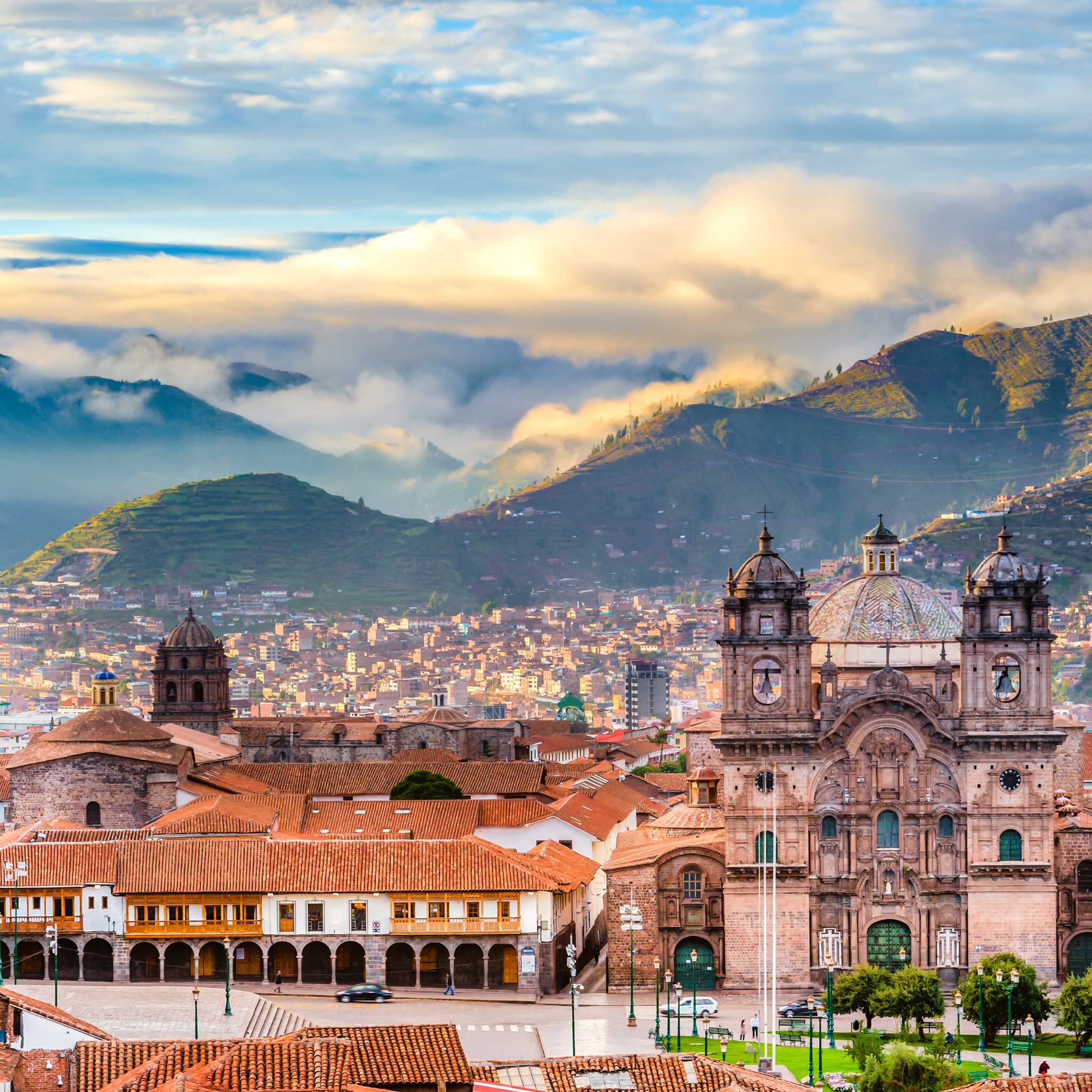
Cusco to Yucay covers about 60 km (37 miles), typically a 1.5 to 2 hour drive depending on traffic and road conditions. A private transfer lets you skip waiting for a shared van or collectivo, choose your own route through the valley, and stop at the sites that interest you along the way, rather than sticking to a fixed group schedule.
Yucay was once home to Inca emperors Huayna Capac and Sayri Tupac, and it still holds one of the more extensive terrace and canal systems in the Sacred Valley, built for agriculture and still visible today. Add a colonial plaza lined with Pisonay trees and adobe buildings raised on Inca stonework, and you get a layered history most day trippers skip on the rush between Cusco and Machu Picchu.