Zaragoza's city center is largely accessible with modern infrastructure, ramps, and elevator access in major attractions. The historic Basilica del Pilar and museums accommodate wheelchairs well. Some older narrow streets may present challenges for mobility.
Zaragoza is generally safe for visitors with standard urban precautions recommended. The city center and tourist areas are well-patrolled and safe during day and evening hours. Watch belongings in crowded areas and avoid poorly lit neighborhoods at night.
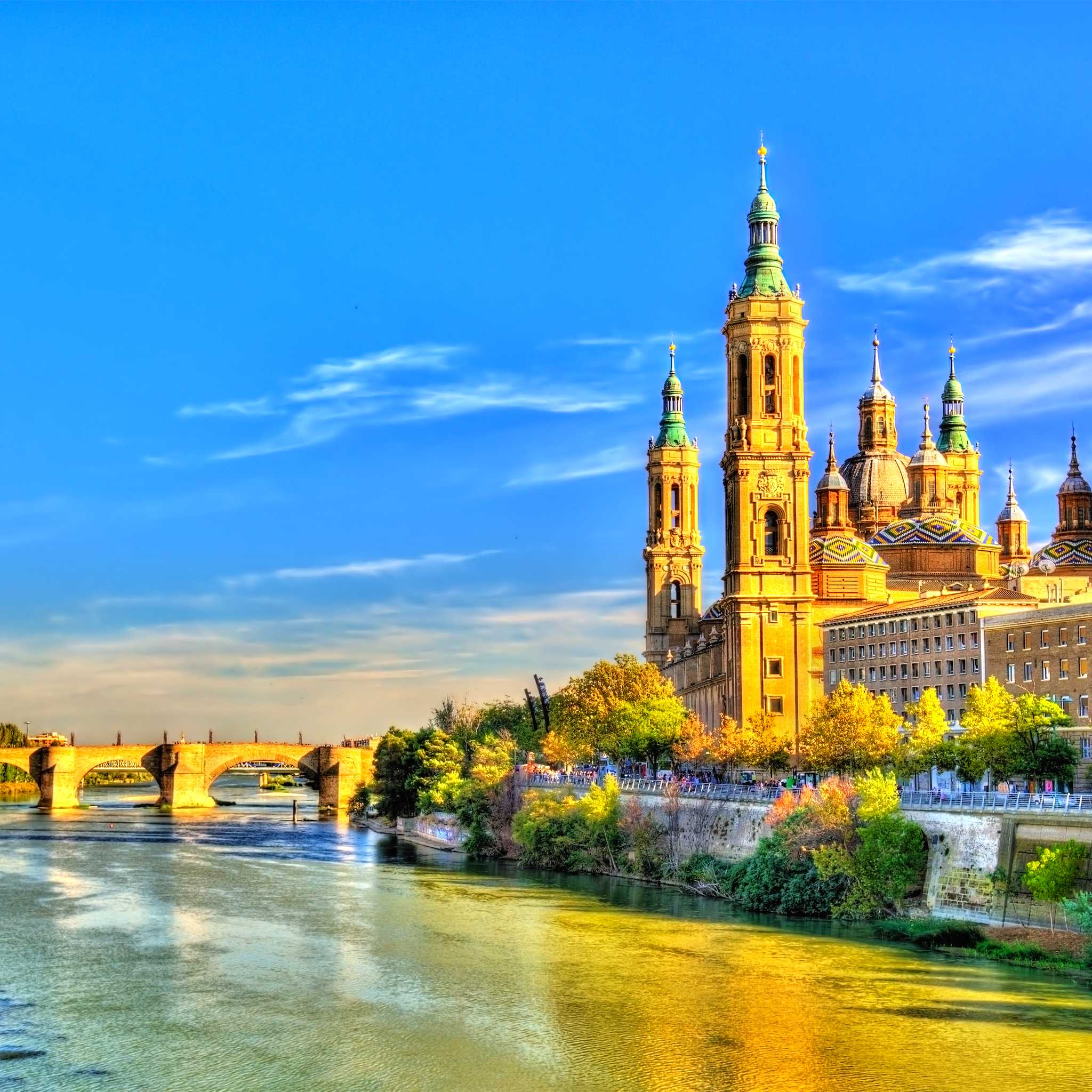
Key attractions include the magnificent Basilica del Pilar, Aljaferia Palace (a stunning Moorish fortress), La Seo Cathedral, Roman Theater ruins, and the historic old town. The Ebro River promenade offers beautiful walks and city views.
Spain uses the euro. Credit cards are widely accepted throughout Zaragoza, including restaurants, shops, and attractions. However, smaller tapas bars and local markets may prefer cash, so carrying some euros is recommended for authentic local experiences.
Spanish (Castilian) is the official language in Spain. In Zaragoza, English is spoken in hotels, major restaurants, and visitor centers, though less commonly than in coastal tourist areas. Learning basic Spanish phrases enhances interactions with locals.
In Spain, tipping is appreciated but not mandatory. Leave 5-10% at restaurants for good service, round up taxi fares, and tip hotel staff modestly. Many establishments include service charges, so check bills before adding additional gratuity.
Traditional dishes include ternasco (roast lamb), migas (fried breadcrumbs with chorizo), and local tapas specialties. Try regional wines from nearby Somontano region. Zaragoza's tapas culture is authentic and less touristy than coastal Spanish cities.
The best time to visit Zaragoza is April through June and September through November when temperatures are mild and comfortable. Summer can be quite hot, while winter is generally mild. Spring and fall offer pleasant weather for exploring historic sites.