St Julian's nach Mdina und Rabat: Privater Tagesausflug


Private Fahrt mit einem lokalen Fahrer
Über Ihre Reise
Was Sie erwartet
Ihre Tagesreise beginnt, wo immer Sie sind
Treffen Sie unseren professionellen Fahrer genau dort, wo es Ihnen in St. Julian’s am besten passt. Keine Zeitverschwendung, um zum Abholpunkt zu gelangen, schnappen Sie sich Ihre Tasche und beginnen Sie Ihre Reise sofort.Entdecken Sie mehr mit lokaler Expertise
Die lokalen Einblicke Ihres Fahrers werden den Ton für Ihren Daytrip angeben. Ein verstecktes Café hier, ein Restaurant, das man unbedingt ausprobieren muss, dort; Insider-Tipps, die Sie später gerne teilen werden. Dies ist keine geführte Tour, aber Ihre Fahrt wird reich an Geschichten und Entdeckungen sein. Und den ganzen Tag über wird Ihr Fahrer bei Bedarf für Sie da sein, bereit zu helfen, gerne behilflich, um Ihre Reise stressfrei zu gestalten.Erkunden Sie in Ihrem eigenen Tempo
Perfekt für jede private Gruppe
Egal, ob Sie alleine reisen, als Familie mit Kindern oder in einer großen Gruppe, dieser Service ist auf Ihren Komfort und Ihre Flexibilität zugeschnitten. Es ist die ideale Option, besonders wenn Sie wenig Zeit oder einen vollen Terminkalender haben.Gut zu wissen
- Privater Hin- und Rücktransfer
- Klimatisiertes Fahrzeug
- Personalisierte Abholung und Rückgabe
- Kindersitze kostenlos inbegriffen
- Professioneller Englisch sprechender Fahrer
- Kostenloses Flaschenwasser
- Kostenlose Stornierung 24 Stunden vor Abflug
- Eintrittskarten zu kostenpflichtigen Attraktionen Mdina, Rabat und Ta' Qali Nationalpark sollten separat gekauft werden, sofern nicht anders angegeben.
- Mahlzeiten, Snacks und Trinkgelder sind nicht inbegriffen
Ihre Reise auf einen Blick
Ihre Reise auf einen Blick


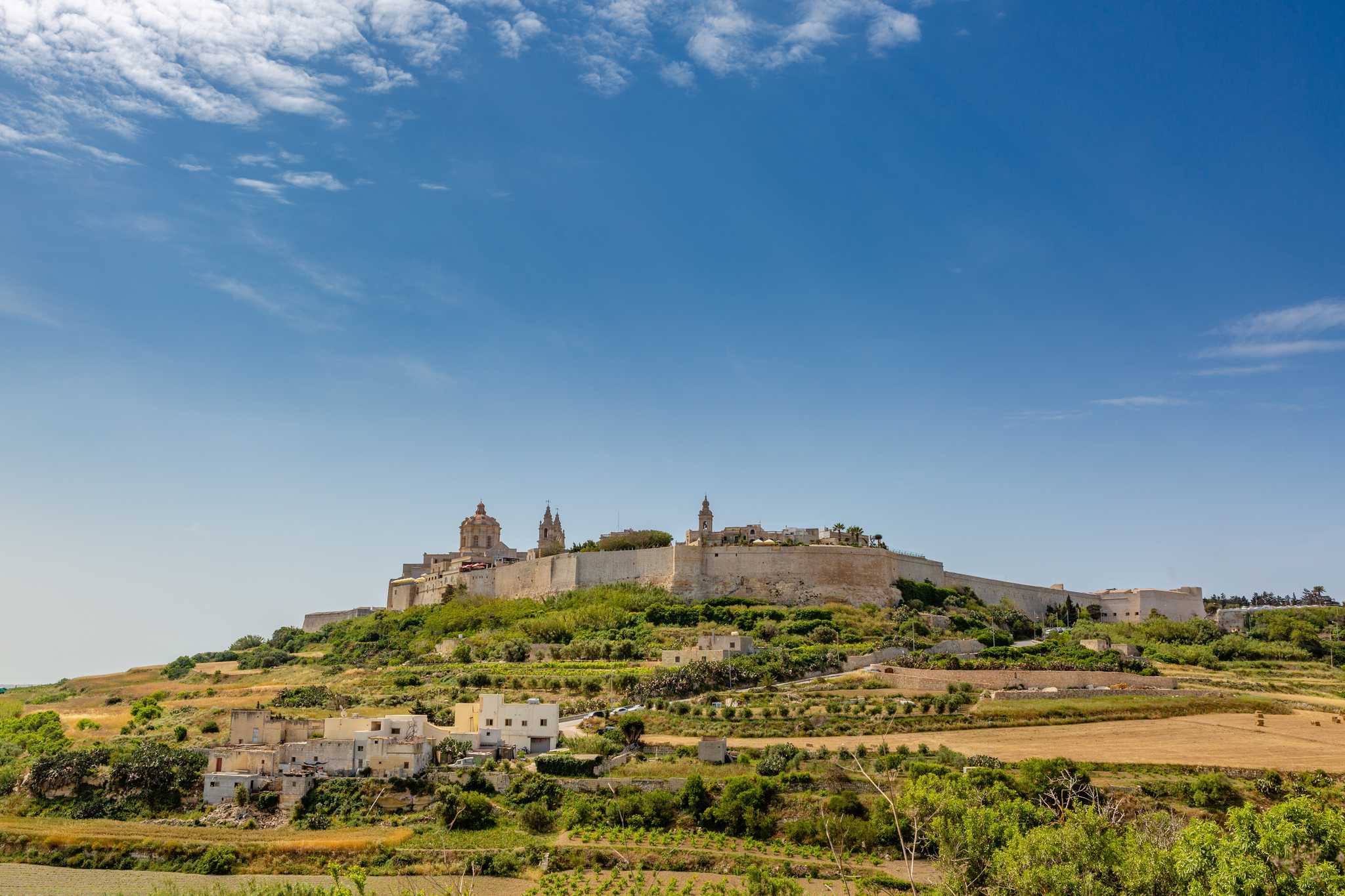
Die als „Stille Stadt“ bezeichnete Mdina ist die antike, ummauerte Hauptstadt Maltas – eine befestigte Stadt aus goldfarbenem Kalkstein auf einem Hügel, in der kaum 300 Menschen leben und Autos nahezu vollständig fehlen. So entsteht eine Atmosphäre vollkommener mittelalterlicher Ruhe.
Sehenswürdigkeiten
- Die barocke Mdina-Kathedrale (St. Paul’s Cathedral), erbaut über dem Ort des Hauses, in dem der Legende nach der heilige Paulus nach seinem Schiffbruch auf Malta wohnte, mit einem bemerkenswerten, kunstvoll geschnitzten Marmorboden, der die Gräber maltesischer Adliger bedeckt
- Das Norman House und der Palazzo Falson, beides mittelalterliche Paläste, die zu Museen umgewandelt wurden und Sammlungen von Rüstungen, Gemälden und maltesischer Kunsthandwerkskunst beherbergen
- Die Bastionen, von denen aus der Blick über die zentrale Ebene Maltas bis zum Meer – bei klarem Wetter auf drei Seiten sichtbar – sich seit dem Bau der Mauern durch die Johanniter nicht verändert hat
Aktivitäten
- Spazieren Sie einmal rund um die Bastionen – der Rundgang dauert etwa 30 Minuten und bietet bei jeder Biegung eine neue Aussicht
- Erkunden Sie die engen Gassen abseits der Hauptstraße, wo die stille Wohnatmosphäre der „Stillen Stadt“ besonders spürbar ist
Kulinarisches
- Pastizzi (mit Ricotta oder Erbsenpüree gefülltes Blätterteiggebäck) aus der berühmten Crystal Palace Bar direkt vor dem Mdina-Tor – eine maltesische Institution


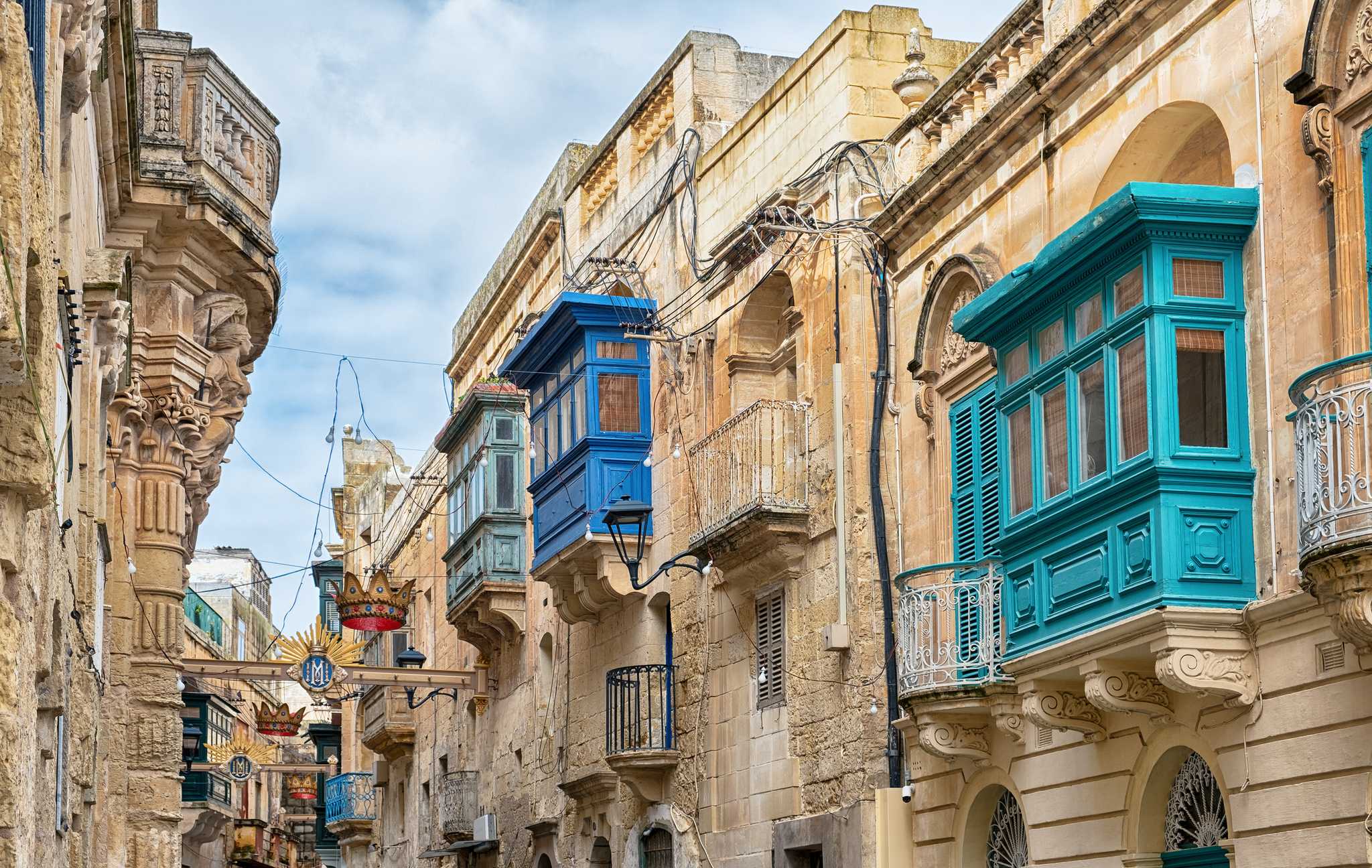
Direkt außerhalb des Mdina-Tores lag Rabat als Vorstadt der ursprünglichen römischen Stadt und beherbergt zwei der bedeutendsten unterirdischen Stätten Maltas: Katakomben, die seit der Römerzeit die Toten beherbergen, sowie die Höhle, in der der Überlieferung nach Paulus gelebt haben soll.
Sehenswürdigkeiten
- St. Paul’s Katakomben, das größte frühchristliche Gräberfeld Maltas, ein labyrinthartiges Netz aus Gängen, Agapetafeln und in den Fels gehauenen Gräbern aus dem 4. bis 8. Jahrhundert n. Chr.
- St. Agatha’s Katakomben, kleiner und weniger besucht als St. Paul’s, mit bemerkenswert erhaltenen mittelalterlichen Fresken in den Grabkammern
- St. Paul’s Grotte, die Höhle, in der Paulus von Tarsus der Überlieferung nach während seines dreimonatigen Aufenthalts auf Malta im Jahr 60 n. Chr. Zuflucht fand und predigte
Aktivitäten
- Nehmen Sie an einer Führung durch die St. Paul’s Katakomben teil, um mehr über den historischen und frühchristlichen Kontext zu erfahren; die Agapetafeln, an denen Familien mit den Verstorbenen speisten, sind einzigartig auf Malta
Hinweis
- Beide Katakomben sind kostenpflichtig; informieren Sie sich auf heritagemalta.org über Öffnungszeiten und Kombitickets
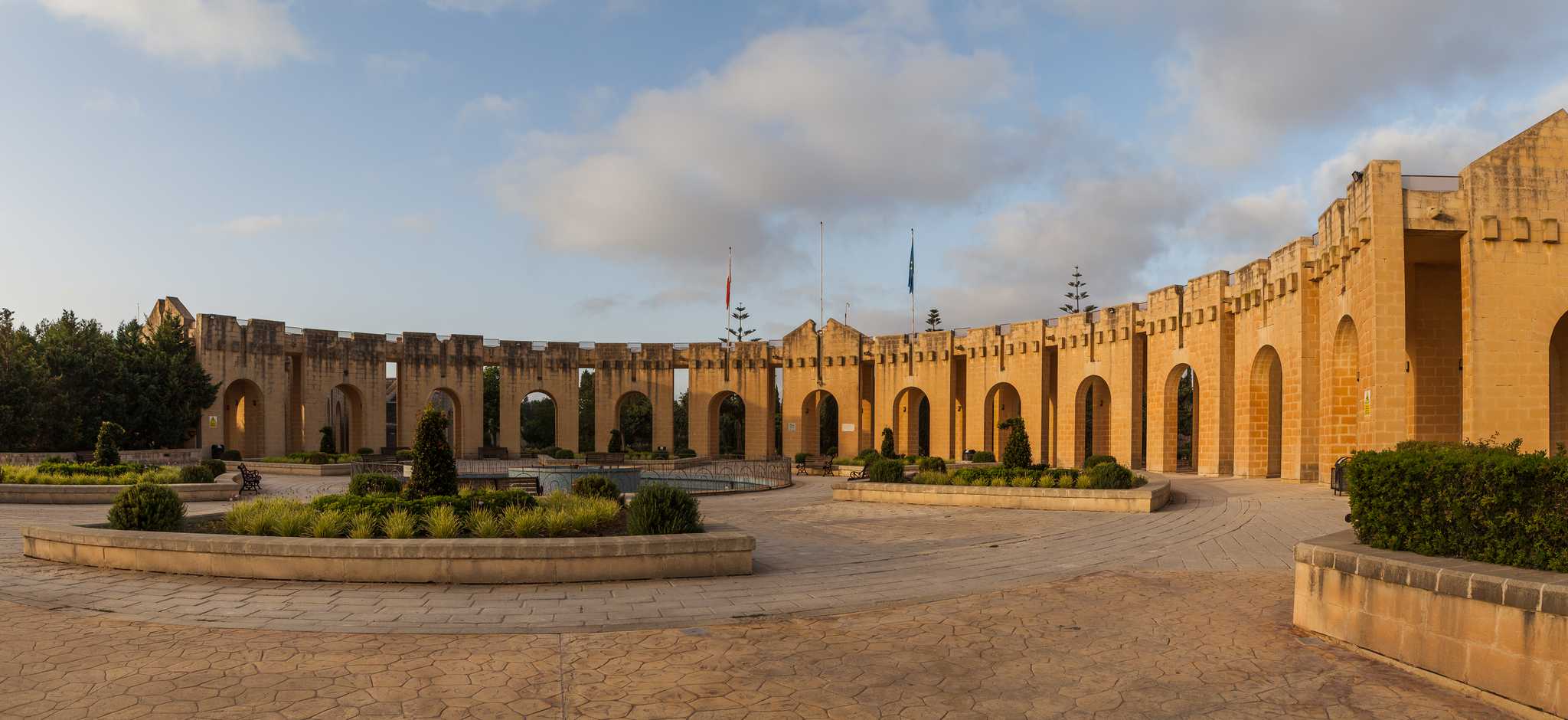
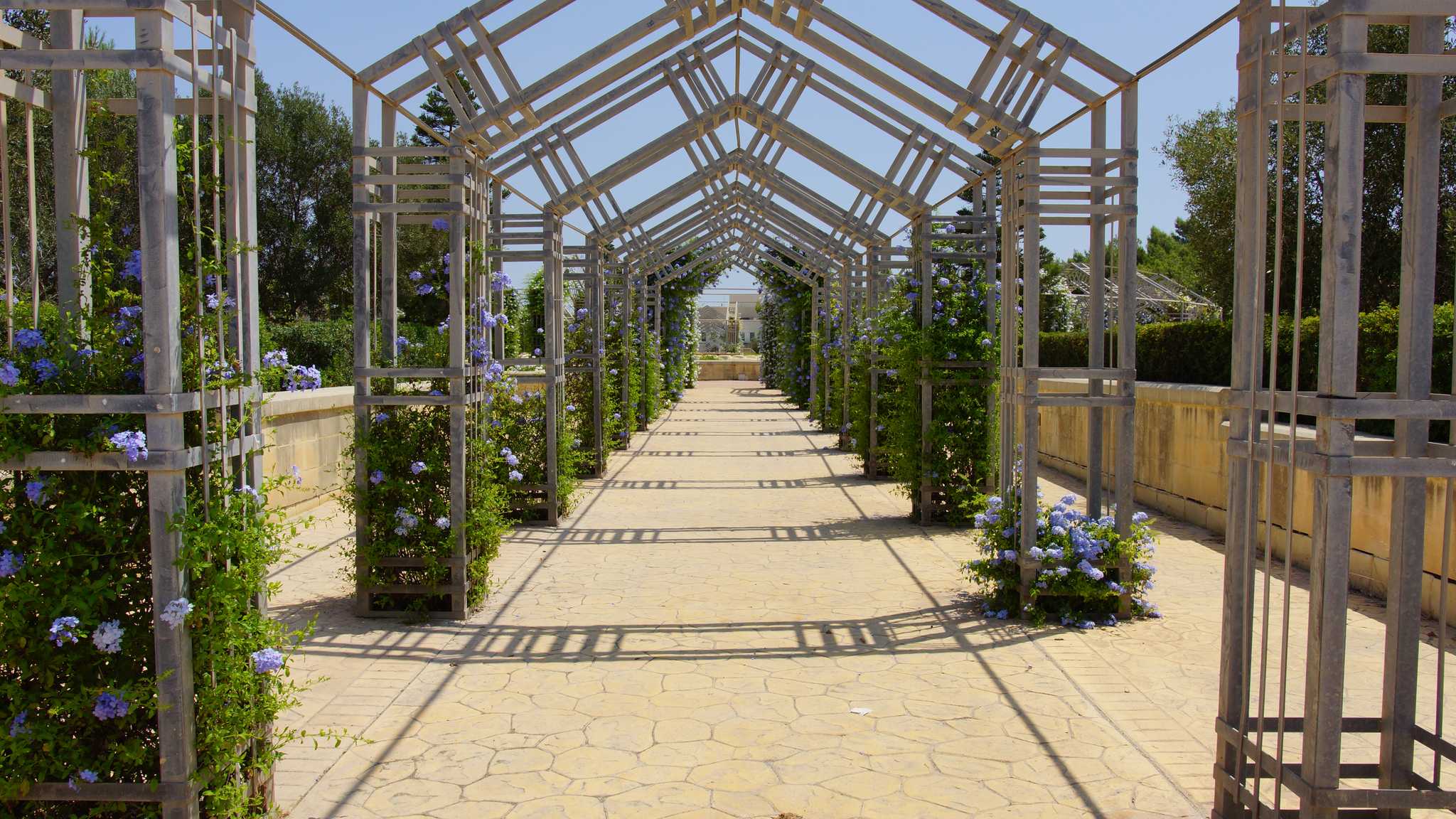
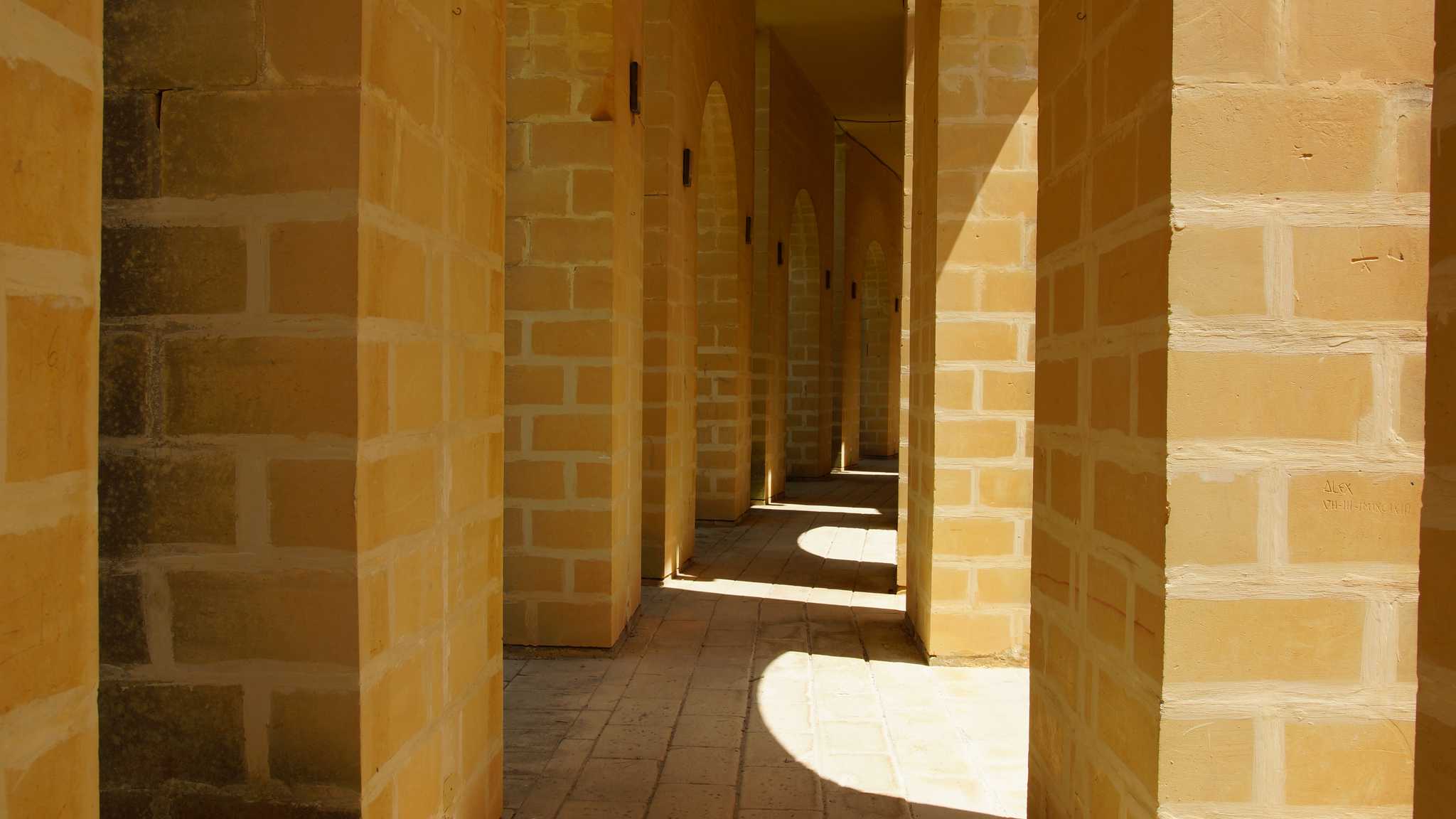
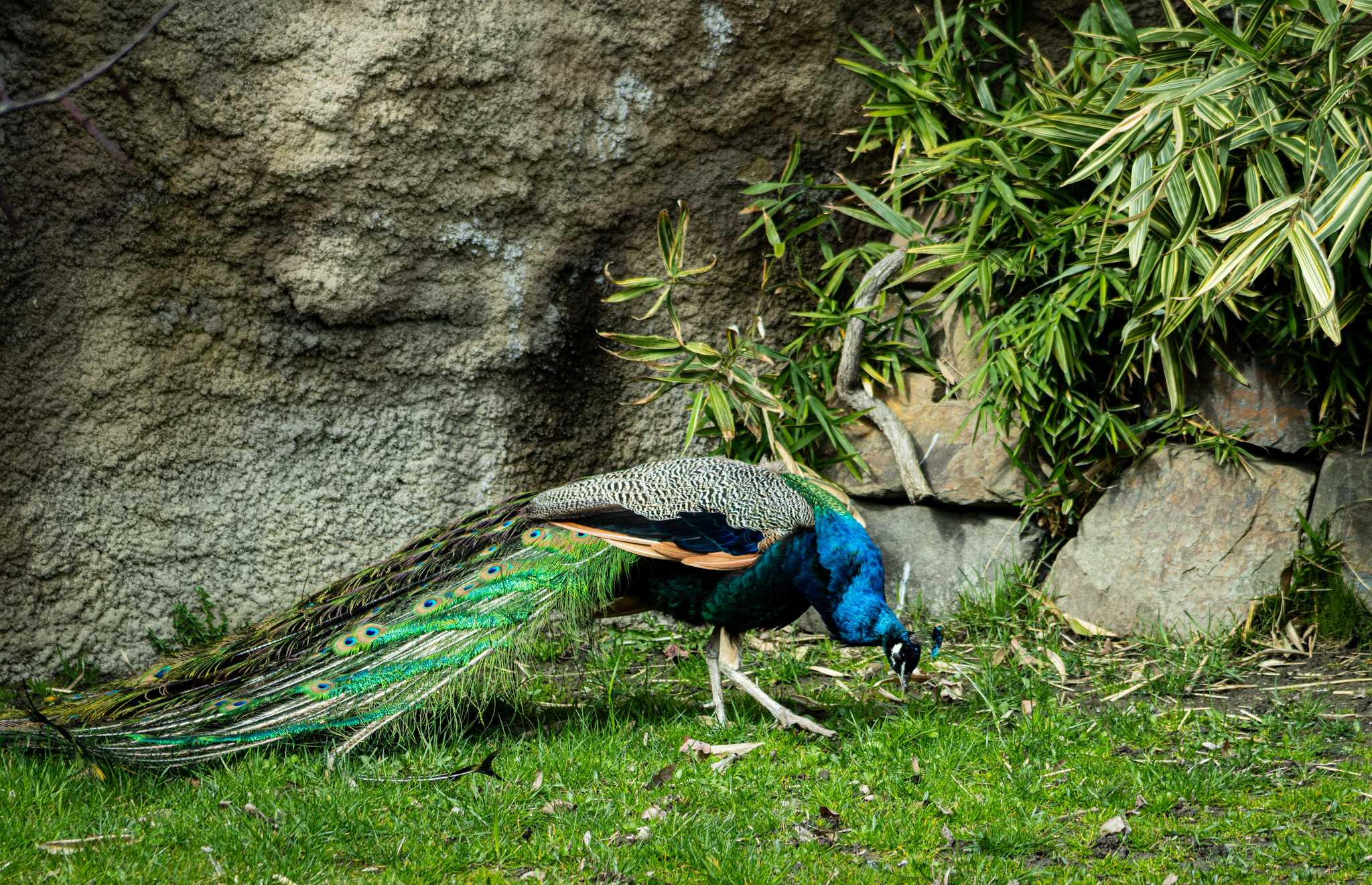
Untergebracht in den Hangars des ehemaligen RAF-Flugplatzes von Malta, ist das Ta' Qali Crafts Village der Ort, an dem die traditionellen Kunsthandwerker der Insel (Glasbläser, Silberschmiede, Töpfer und Klöpplerinnen) in offenen Werkstätten arbeiten und ihre Waren verkaufen.
Sehenswertes
- Live-Glasbläservorführungen in der Mdina Glass Werkstatt, wo die charakteristischen, aus recyceltem Glas hergestellten Gefäße in Bernstein-, Seegrün- und Kobaltblau-Tönen nach traditionellen Techniken gefertigt werden
- Von Hand hergestellter Silberschmuck in den Silberschmiedewerkstätten, eine Kunstform, die im Mittelalter von den Arabern nach Malta gebracht wurde
- Keramik, Spitze und Webwaren an den umliegenden Kunsthandwerksständen
Aktivitäten
- Spazieren Sie zwischen den offenen Werkstätten und beobachten Sie jedes Handwerk aus nächster Nähe; besonders das Glasblasen ist sehenswert – am besten von Anfang bis Ende
Einkaufstipps
- Mdina Glass Stücke direkt aus der Werkstatt zu günstigeren Preisen als in Valletta; filigrane Silberohrringe und Anhänger; Spitzentaschentücher
Hinweis
- Das Kunsthandwerksdorf befindet sich im Ta' Qali Nationalpark und kann leicht abweichende Öffnungszeiten gegenüber anderen Einrichtungen haben. Es ist ratsam, sich vorab zu informieren: https://artisanvillagesmalta.com/
Haben Sie Fragen oder benötigen Sie Hilfe?
Kontaktieren Sie unseren Kundensupport. Wir sind rund um die Uhr verfügbarDaytrip wird auf der ganzen Welt geliebt. Hier ist der Grund.
Häufig gestellte Fragen
Wenn Sie Fragen haben, hier sind die Antworten.Sei der Erste, der mehr entdeckt
Erhalten Sie handverlesene Reiseideen, Insider-Highlights und spezielle Daytrip-Angebote.