Visita el corazón de Malta: Excursión privada de un día desde St. Julians


Viaje privado con un conductor local
Acerca de tu viaje
Qué esperar
Tu excursión comienza dondequiera que estés
Conozca a nuestro conductor profesional directamente donde prefiera en San Julián cuando le convenga. No pierda tiempo llegando al punto de recogida, tome su bolsa y comience su viaje de inmediato.Descubra más con la experiencia local
Las perspectivas locales de su conductor marcarán el tono de su Daytrip. Un café escondido aquí, un restaurante que debe probar allí; consejos de expertos que le encantará compartir más tarde. Esto no es un tour guiado, pero su viaje estará lleno de historias y descubrimientos en el camino. Y durante todo el día, su conductor estará disponible para usted según sea necesario, listo para asistir, feliz de ayudar, haciendo su viaje libre de estrés.Explora a tu propio ritmo
Perfecto para cualquier grupo privado
Ya sea que viaje solo, en familia con niños o en un grupo grande, este servicio está diseñado para su comodidad y flexibilidad. Es la opción ideal, especialmente si tiene poco tiempo o una agenda ocupada.Información Relevante
- Traslado en coche privado de ida y vuelta
- Vehículo con aire acondicionado
- Recogida y entrega personalizadas
- Sillas infantiles incluidas sin coste adicional
- Conductor profesional de habla inglesa
- Agua embotellada de cortesía
- Cancelación gratuita 24 horas antes de la salida
- Las entradas/admisiones a atracciones de pago en Mdina, Rabat y Parque Nacional Ta' Qali deben comprarse por separado a menos que se indique lo contrario
- Las comidas, los aperitivos y la propina no están incluidos
Su viaje de un vistazo
Su viaje de un vistazo


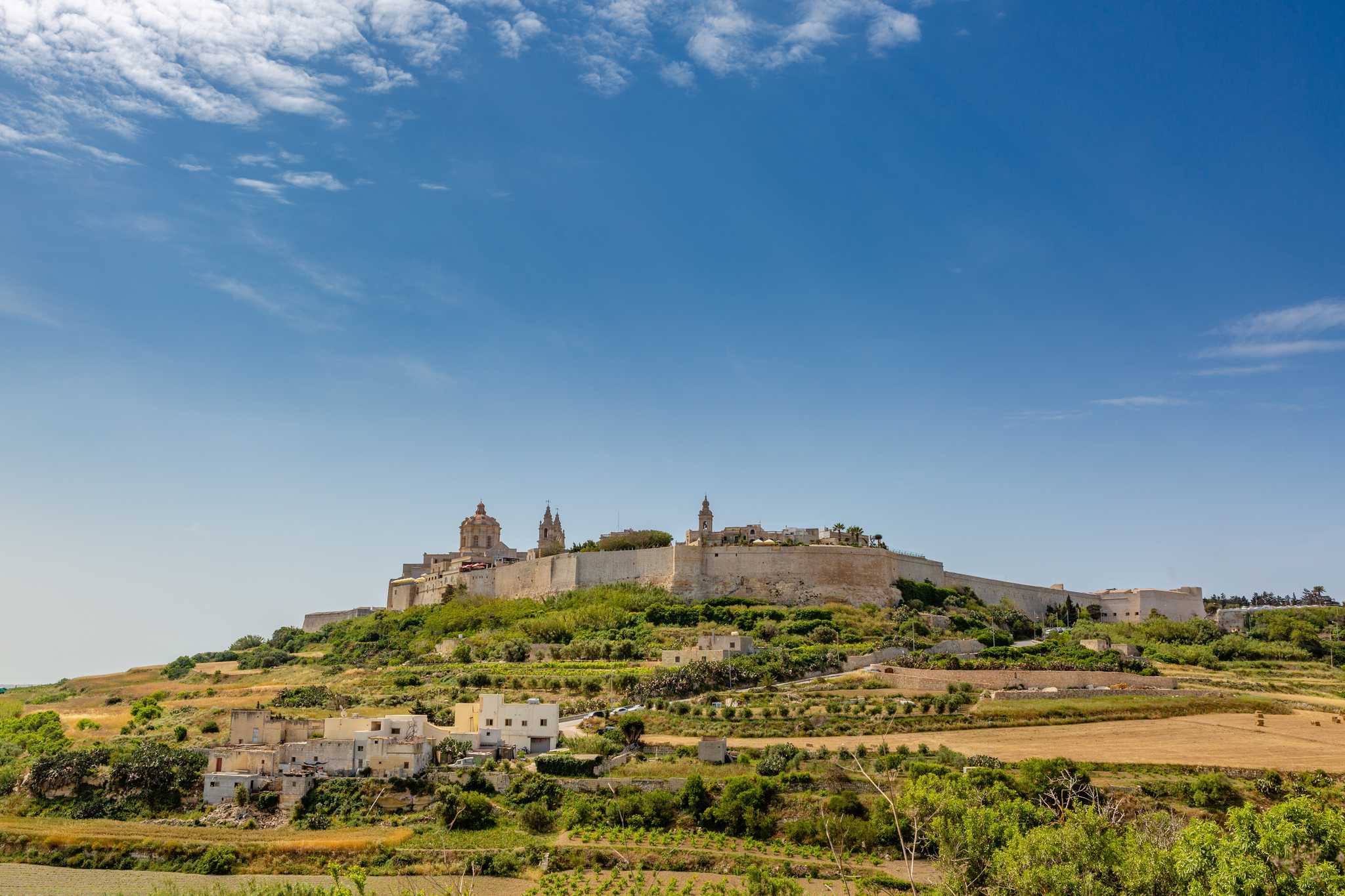
Llamada la Ciudad Silenciosa, Mdina es la antigua capital amurallada de Malta, una ciudad fortificada en la cima de una colina de piedra caliza dorada donde apenas viven 300 personas y los coches están casi totalmente ausentes, creando una atmósfera de calma medieval absoluta.
Qué ver
- La Catedral barroca de Mdina (Catedral de San Pablo), construida sobre el lugar donde supuestamente San Pablo se alojó tras naufragar en Malta, con un impresionante suelo de mármol tallado que cubre las tumbas de nobles malteses
- La Casa Normanda y el Palazzo Falson, ambos palacios medievales convertidos en museos, con colecciones de armaduras, pinturas y artes decorativas maltesas
- Los baluartes, desde donde la vista sobre la llanura central de Malta hasta el mar, visible en tres lados en días despejados, no ha cambiado desde que los Caballeros de San Juan construyeron estos muros
Qué hacer
- Recorrer todo el circuito de los baluartes, que toma unos 30 minutos y ofrece una vista diferente en cada giro
- Explorar los estrechos callejones detrás de la calle principal, donde el silencio residencial de la Ciudad Silenciosa se siente con mayor intensidad
Qué comer
- Pastizzi (hojaldre relleno de ricotta o guisantes) del famoso bar Crystal Palace justo fuera de la puerta de Mdina, una institución maltesa


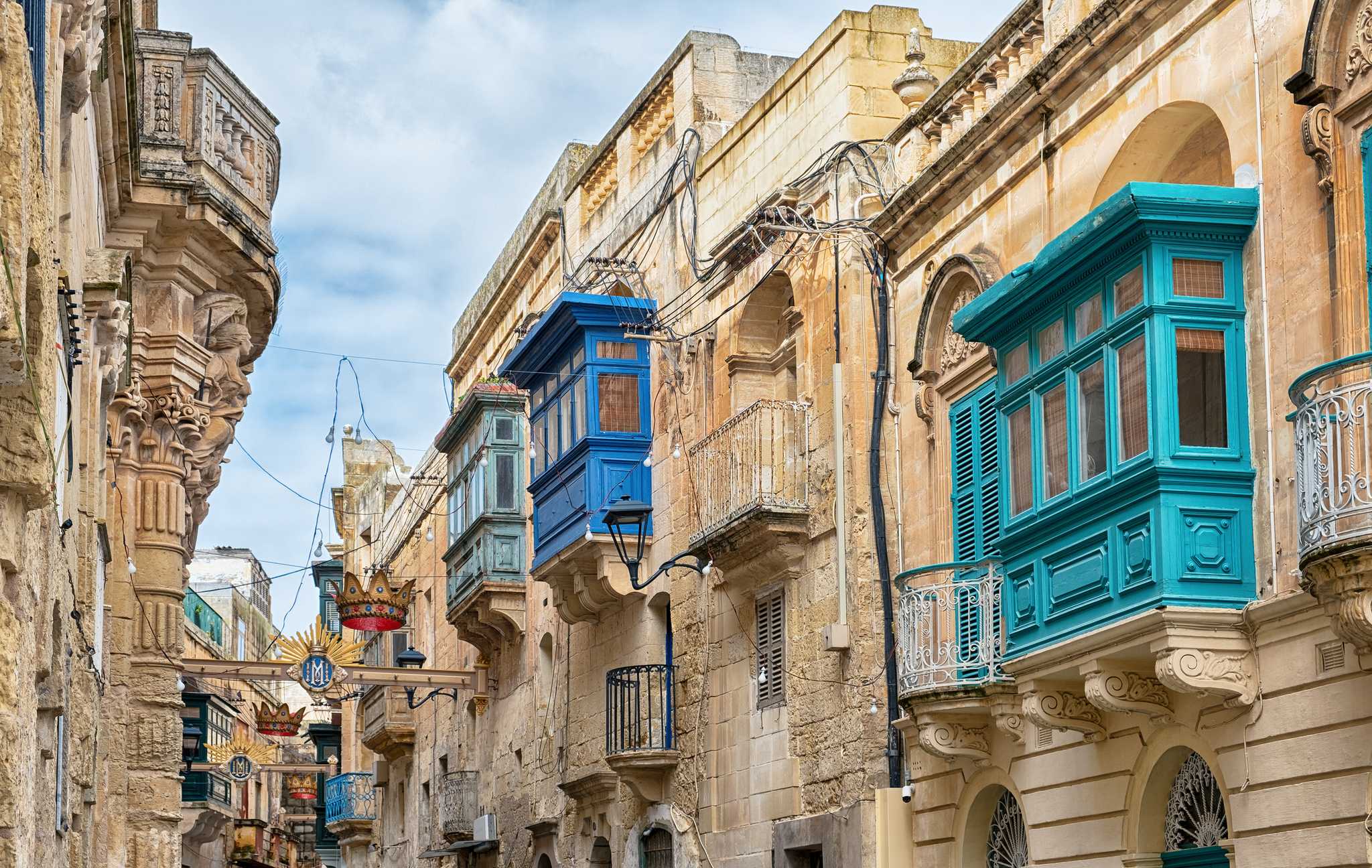
Justo fuera de la puerta de Mdina, Rabat era el suburbio de la ciudad romana original y conserva dos de los sitios subterráneos más importantes de Malta: catacumbas que han albergado a los muertos desde la época romana y la cueva donde se dice que vivió San Pablo.
Qué ver
- Catacumbas de San Pablo, el mayor complejo de enterramientos cristianos primitivos de Malta, una red laberíntica de pasadizos, mesas de ágape y tumbas excavadas en la roca que datan de los siglos IV al VIII d.C.
- Catacumbas de Santa Águeda, más pequeñas y menos visitadas que las de San Pablo, con notables frescos medievales que aún se conservan en las cámaras funerarias
- Gruta de San Pablo, la cueva donde, según la tradición, Pablo de Tarso se refugió y predicó durante sus tres meses en Malta en el año 60 d.C.
Qué hacer
- Realiza una visita guiada por las Catacumbas de San Pablo para conocer el contexto histórico y cristiano primitivo; las mesas de ágape donde las familias comían junto a los difuntos no tienen comparación en la superficie de Malta
Ten en cuenta
- Ambos sitios de catacumbas requieren entrada; consulta heritagemalta.org para horarios de apertura y entradas combinadas
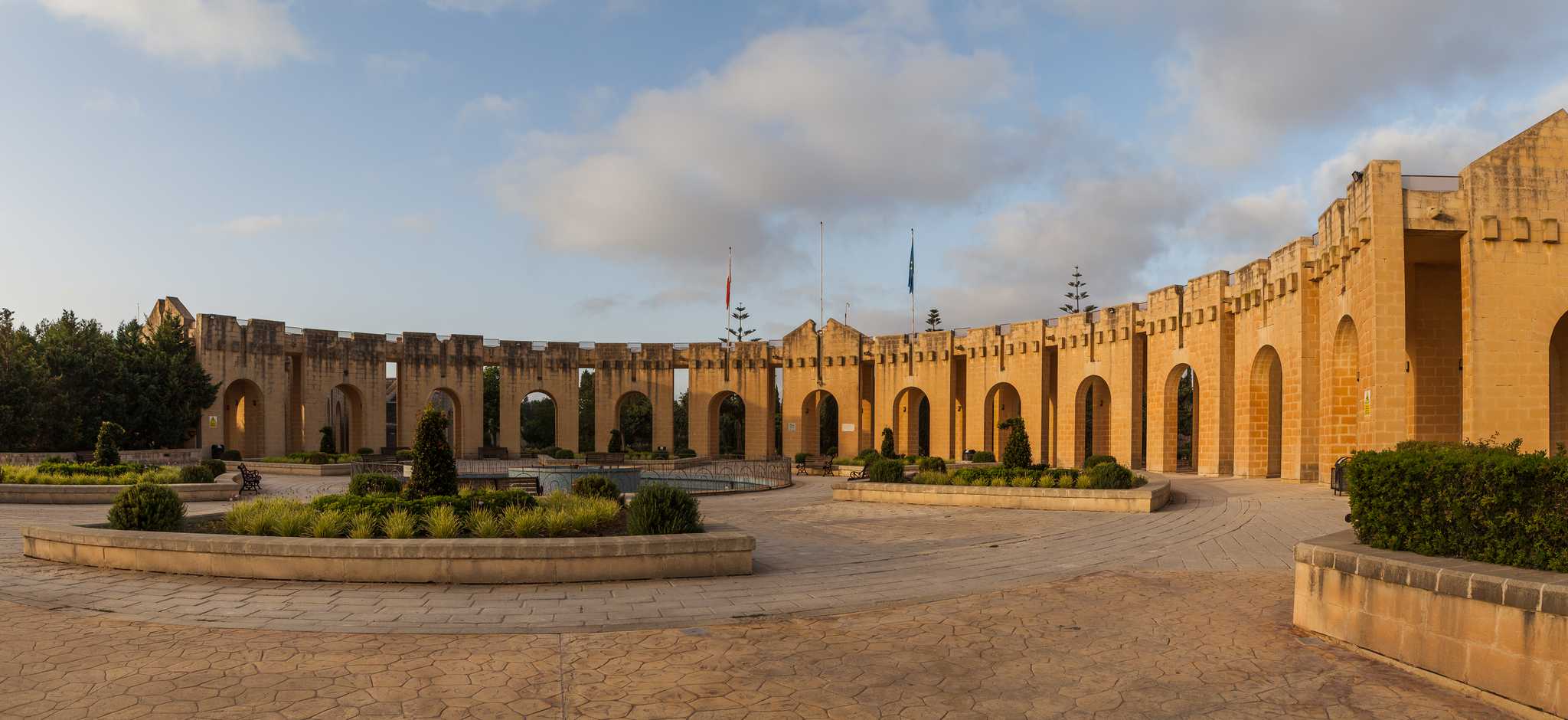
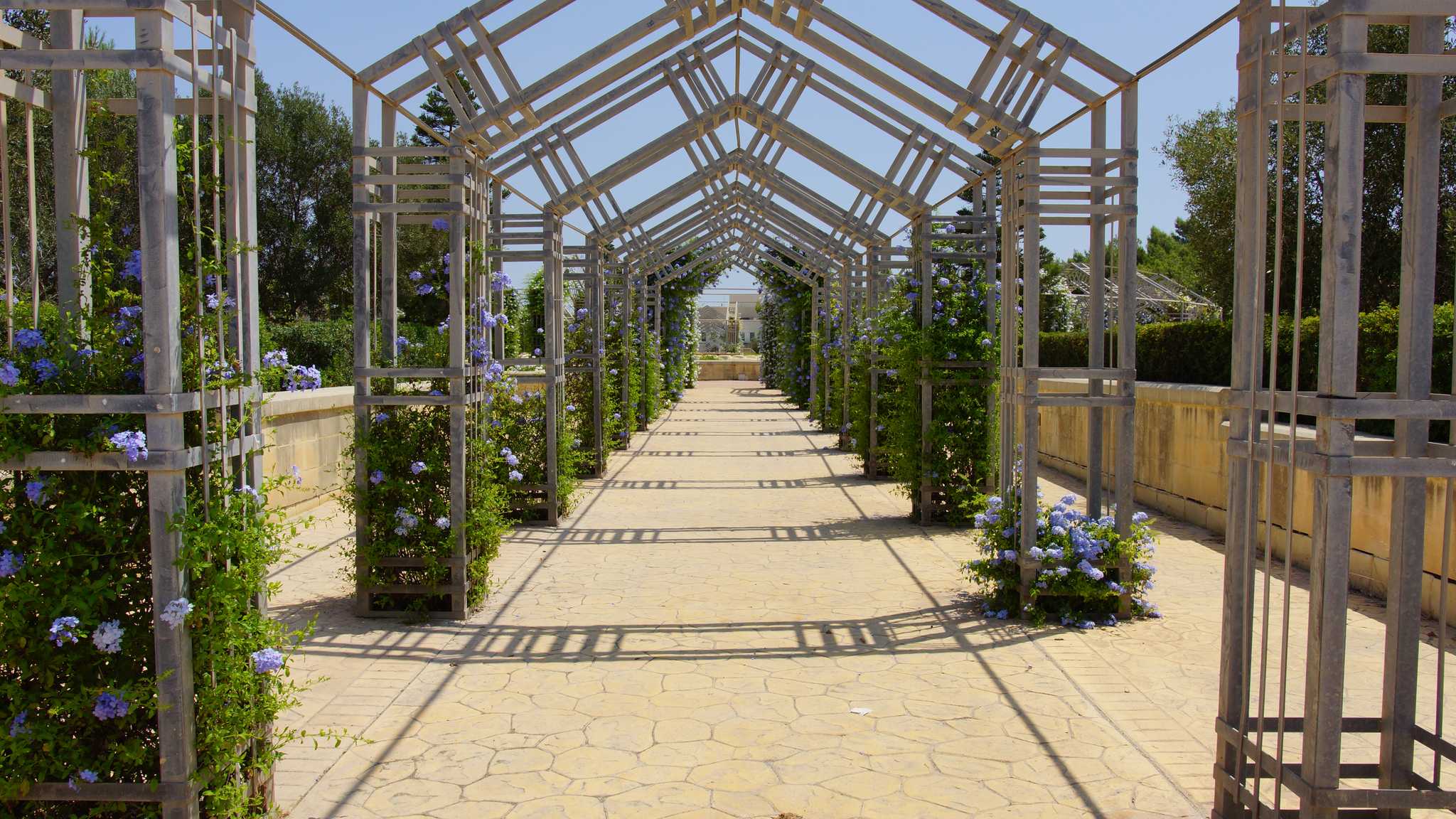
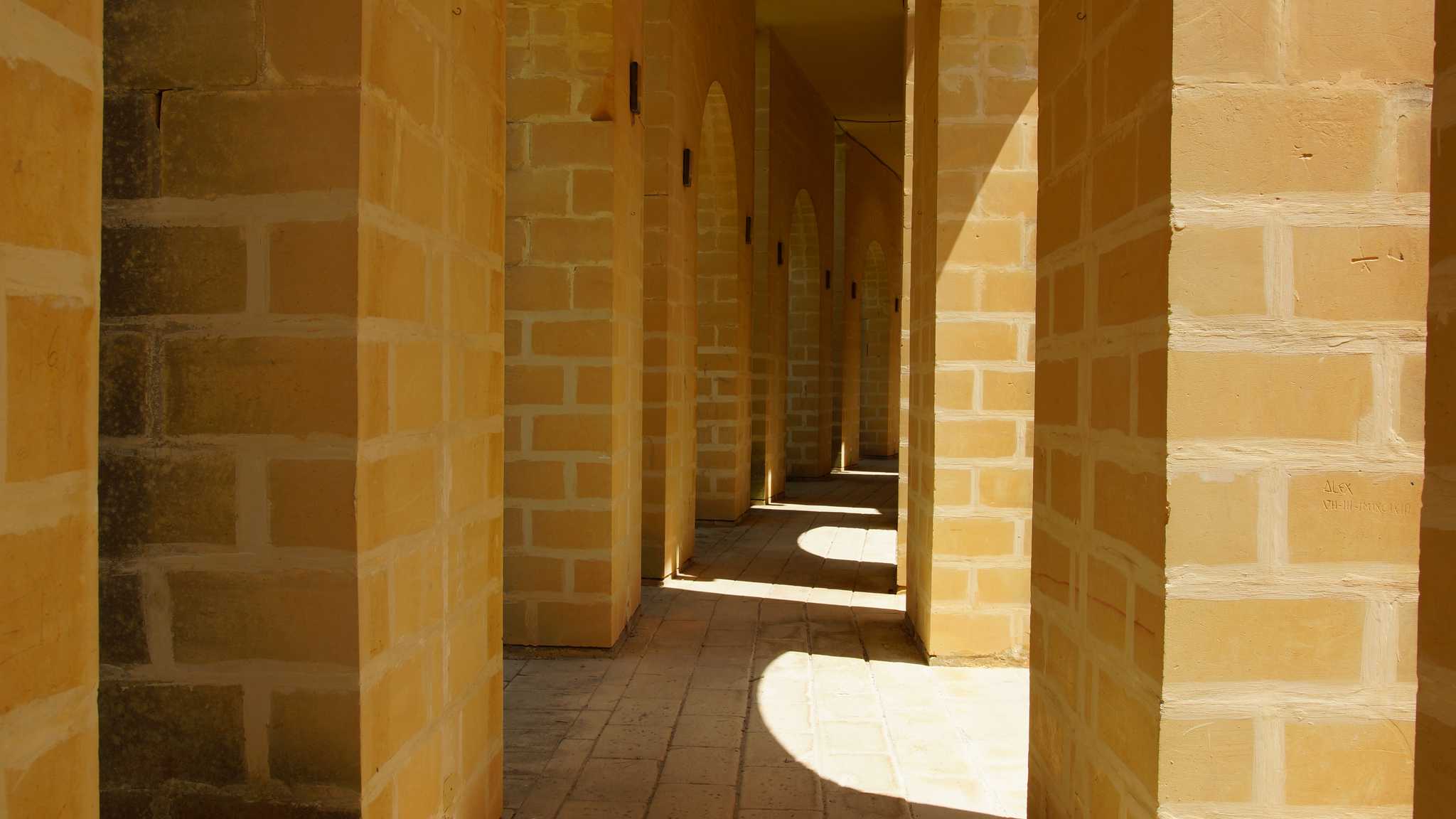
Ubicada en los hangares del antiguo aeródromo de la RAF en Malta, la Aldea de Artesanos Ta' Qali es el lugar donde los artesanos tradicionales de la isla (sopladores de vidrio, orfebres, alfareros y encajeras) trabajan y venden sus productos en talleres abiertos.
Qué ver
- Demostraciones en vivo de soplado de vidrio en el taller Mdina Glass, donde se elaboran los distintivos recipientes de vidrio hilado en tonos ámbar, verde mar y azul cobalto a partir de vidrio reciclado utilizando técnicas tradicionales
- Joyería de filigrana de plata hecha a mano en los talleres de orfebrería, una forma de arte traída a Malta por los árabes en la época medieval
- Cerámica, encajes y productos tejidos en los puestos de artesanía que rodean la aldea
Qué hacer
- Pasear entre los talleres abiertos y observar de cerca cada oficio; el soplado de vidrio, en particular, merece la pena verlo de principio a fin
Qué comprar
- Piezas de Mdina Glass directamente del taller a precios más bajos que en La Valeta; pendientes y colgantes de filigrana de plata; pañuelos de encaje
Ten en cuenta
- La aldea de artesanos se encuentra dentro del Parque Nacional Ta' Qali y puede tener horarios de funcionamiento ligeramente diferentes a los de otros establecimientos, por lo que es recomendable confirmar con antelación: https://artisanvillagesmalta.com/
¿Tiene preguntas o necesita ayuda?
Contacte a nuestro Soporte al Cliente. Estamos disponibles 24/7Daytrip es amado en todo el mundo. Aquí está el porqué.
Preguntas Frecuentes
Si tiene alguna pregunta, aquí están las respuestas.Sé el primero en descubrir más
Recibe ideas de viaje seleccionadas, destacados secretos y ofertas especiales de Daytrip.