De St Julian's à Mdina et Rabat : Excursion privée d’une journée


Trajet privé avec un chauffeur local
À propos de votre voyage
À quoi s'attendre
Votre excursion commence où que vous soyez
Rencontrez notre chauffeur professionnel là où vous préférez à St. Julian's à l'heure qui vous convient le mieux. Pas de temps perdu pour rejoindre le point de ramassage, prenez votre sac et commencez votre voyage immédiatement.Découvrez plus avec l'expertise locale
Les connaissances locales de votre chauffeur donneront le ton de votre Daytrip. Un café caché ici, un restaurant incontournable là-bas ; des conseils d'initiés que vous adorerez partager plus tard. Ce n'est pas une visite guidée, mais votre trajet sera riche en histoires et découvertes en cours de route. Et tout au long de la journée, votre chauffeur sera disponible pour vous selon vos besoins, prêt à vous assister, heureux de vous aider, rendant votre voyage sans stress.Explorez à votre propre rythme
Parfait pour tout groupe privé
Que vous voyagiez seul, en famille avec des enfants, ou en grand groupe, ce service est conçu pour votre confort et votre flexibilité. C'est l'option idéale surtout si vous avez peu de temps ou un emploi du temps chargé.Bon à savoir
- Transfert privé en voiture aller-retour
- Véhicule climatisé
- Prise en charge et dépose personnalisées
- Chauffeur professionnel anglophone
- Eau en bouteille offerte
- Annulation gratuite 24 heures avant le départ
- Les billets d'entrée/admission pour les attractions payantes Mdina, Rabat et Parc National Ta' Qali doivent être achetés séparément sauf indication contraire
- Les repas, les collations et les pourboires ne sont pas inclus
Votre voyage en un coup d'œil
Votre voyage en un coup d'œil


Surnommée la Cité du Silence, Mdina est l’ancienne capitale fortifiée de Malte, perchée sur une colline de calcaire doré. À peine 300 habitants y vivent et les voitures y sont presque totalement absentes, créant une atmosphère de calme médiéval absolu.
À voir
- La cathédrale baroque de Mdina (cathédrale Saint-Paul), construite sur le site de la maison où Saint Paul aurait séjourné après son naufrage à Malte, avec un remarquable sol en marbre sculpté recouvrant les tombes des nobles maltais
- La Norman House et le Palazzo Falson, deux palais médiévaux transformés en musées, abritant des collections d’armures, de peintures et d’arts décoratifs maltais
- Les bastions, d’où la vue sur la plaine centrale de Malte jusqu’à la mer, visible sur trois côtés par temps clair, n’a pas changé depuis que les Chevaliers de Saint-Jean ont construit ces murs
À faire
- Faire le tour complet des bastions, ce qui prend environ 30 minutes et offre une perspective différente à chaque détour
- Explorer les ruelles étroites derrière la rue principale, où le silence résidentiel de la Cité du Silence se fait le plus ressentir
À goûter
- Pastizzi (pâtisserie fourrée à la ricotta ou à la purée de pois) du célèbre bar Crystal Palace juste à l’extérieur de la porte de Mdina, une véritable institution maltaise


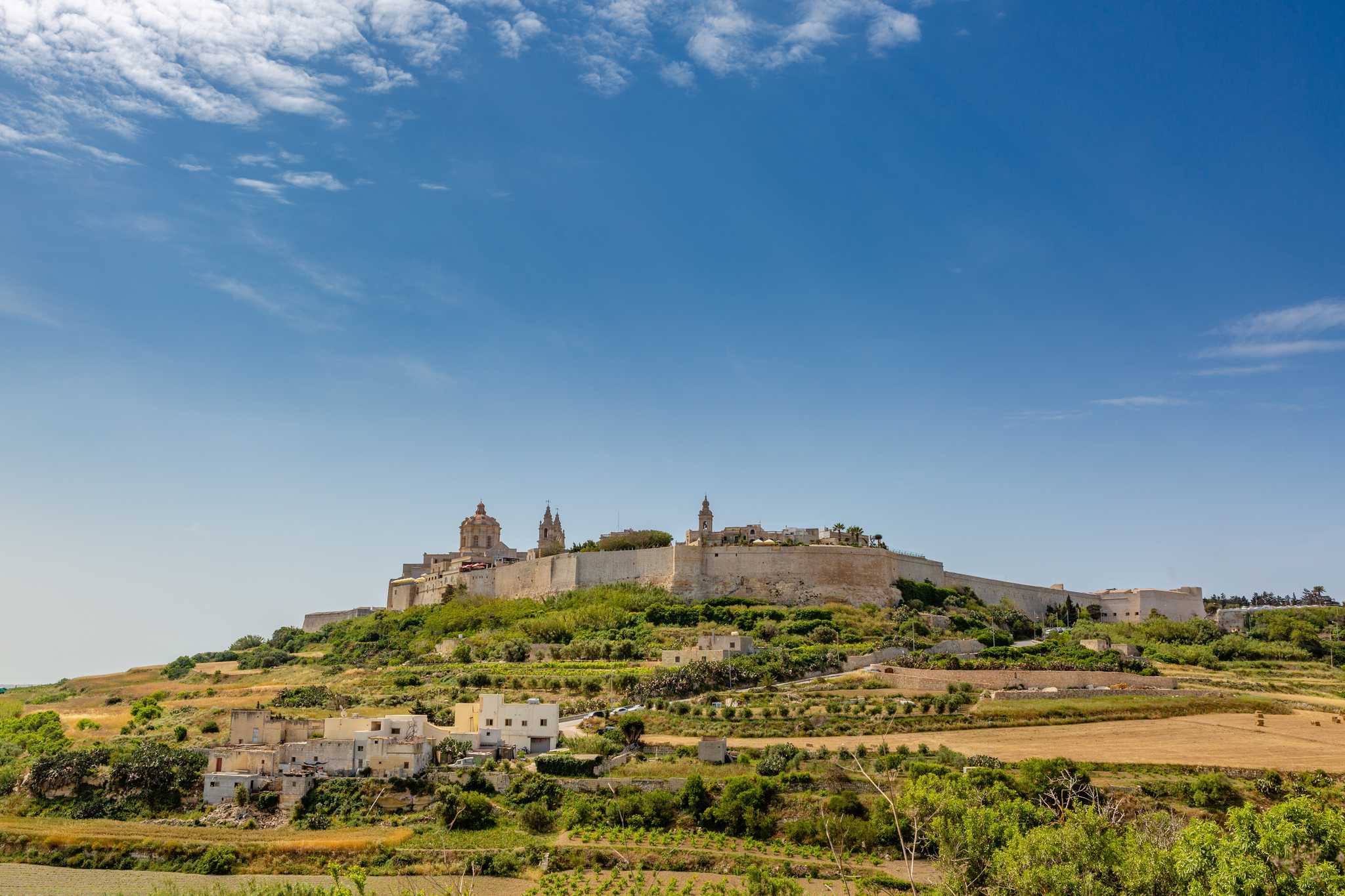
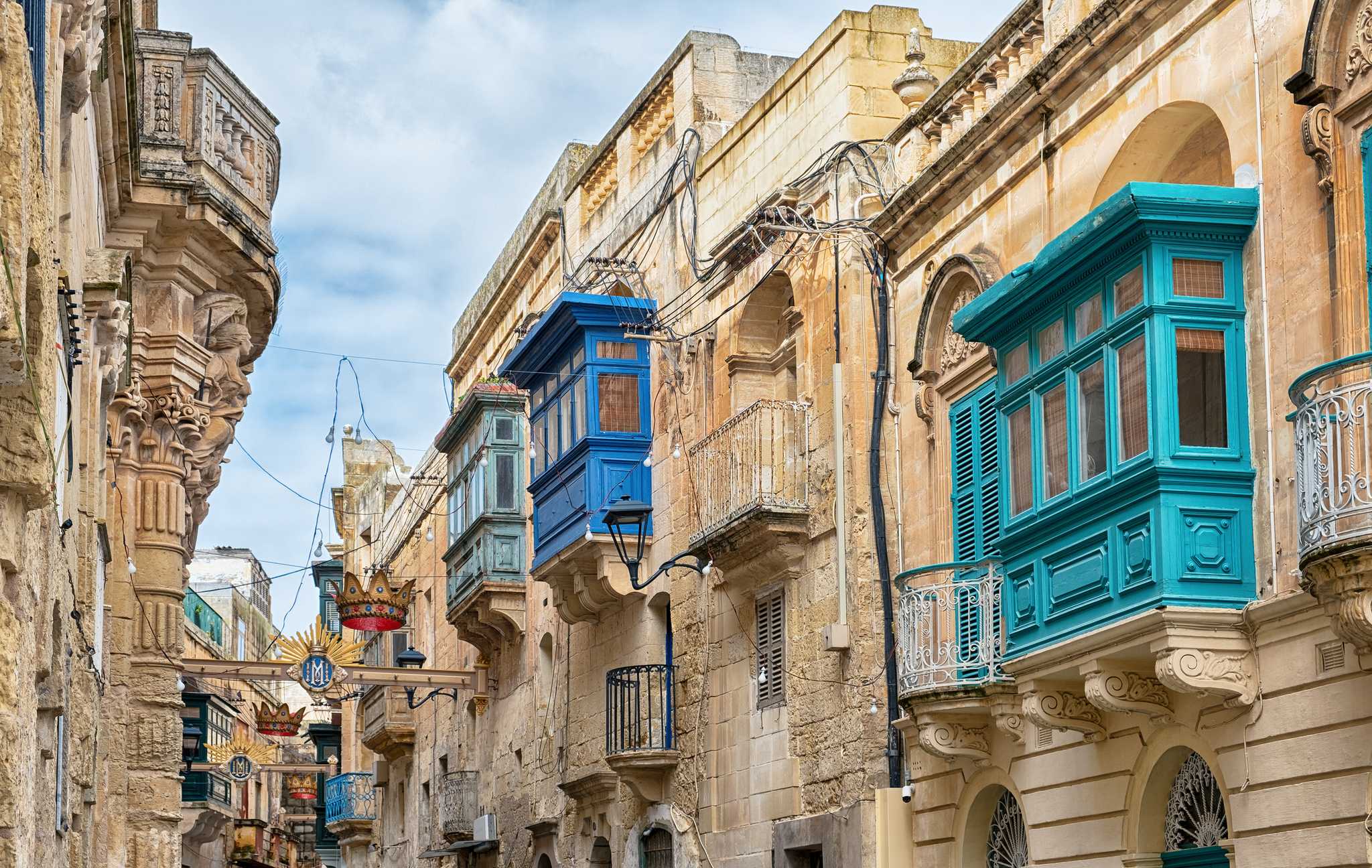
Juste à l'extérieur de la porte de Mdina, Rabat était la banlieue de la ville romaine d'origine et conserve deux des sites souterrains les plus importants de Malte : des catacombes qui abritent les morts depuis l'époque romaine, ainsi que la grotte où saint Paul aurait vécu.
À voir
- Les catacombes de Saint-Paul, le plus grand complexe funéraire chrétien primitif de Malte, un réseau labyrinthique de passages, de tables d’agape et de tombes taillées dans la roche datant des IVe au VIIIe siècles de notre ère
- Les catacombes de Sainte-Agathe, plus petites et moins fréquentées que celles de Saint-Paul, avec d’impressionnantes fresques médiévales conservées dans les chambres funéraires
- La grotte de Saint-Paul, la caverne où Paul de Tarse aurait traditionnellement trouvé refuge et prêché pendant ses trois mois à Malte en 60 de notre ère
À faire
- Suivre une visite guidée des catacombes de Saint-Paul pour mieux comprendre le contexte historique et chrétien primitif ; les tables d’agape où les familles partageaient un repas avec les défunts sont uniques à Malte
À noter
- Les deux sites de catacombes sont payants ; consultez heritagemalta.org pour les horaires d’ouverture et les billets combinés
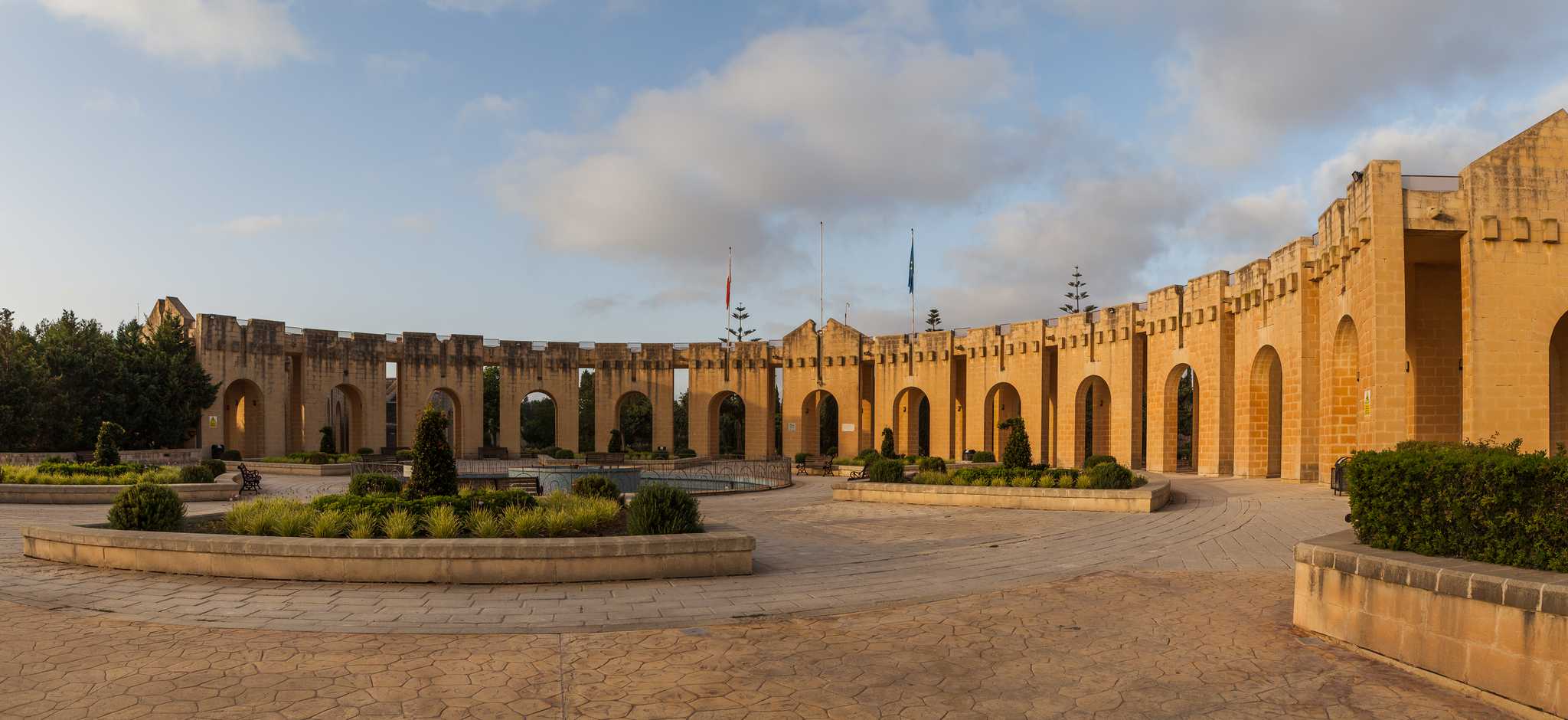
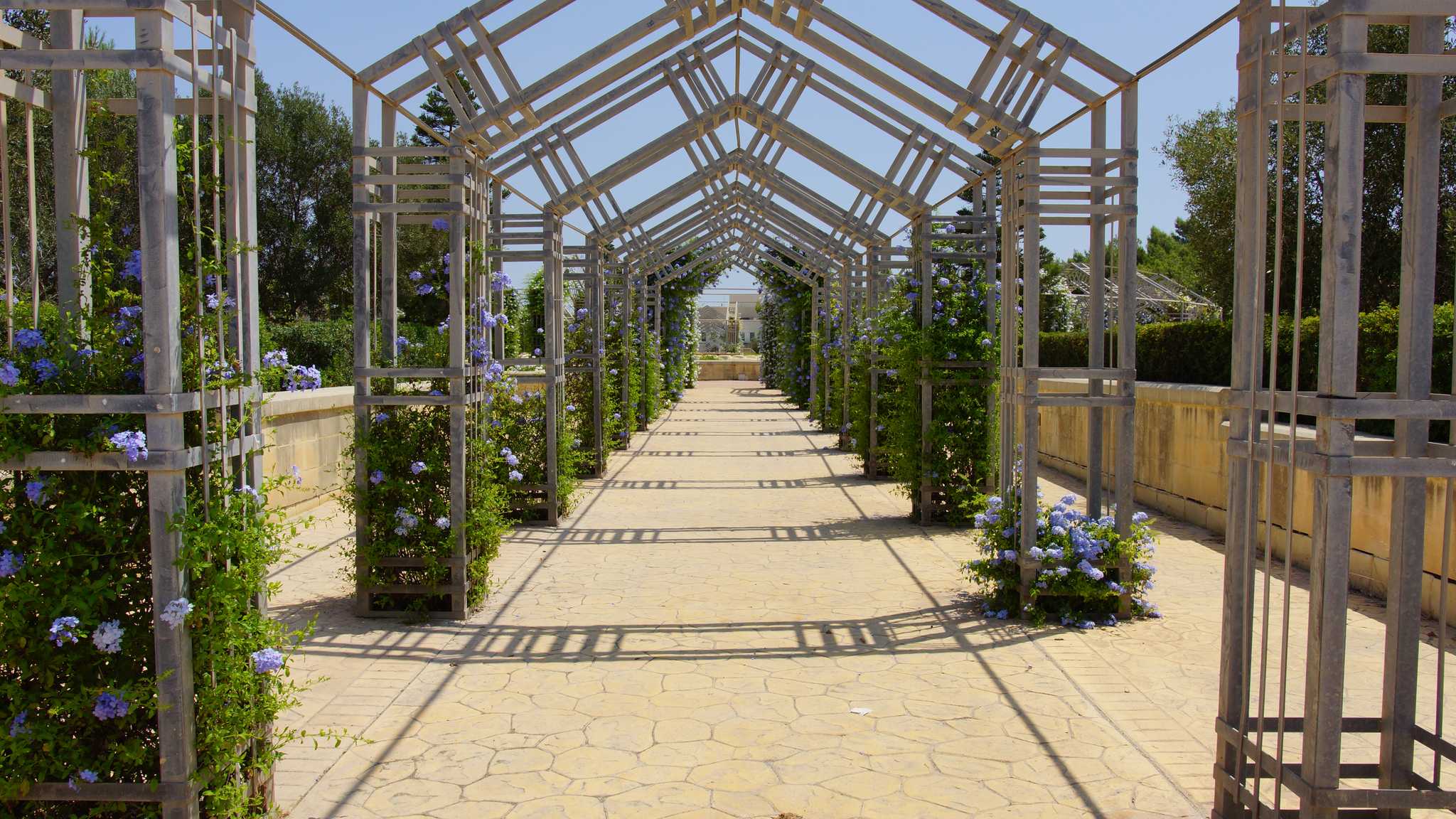
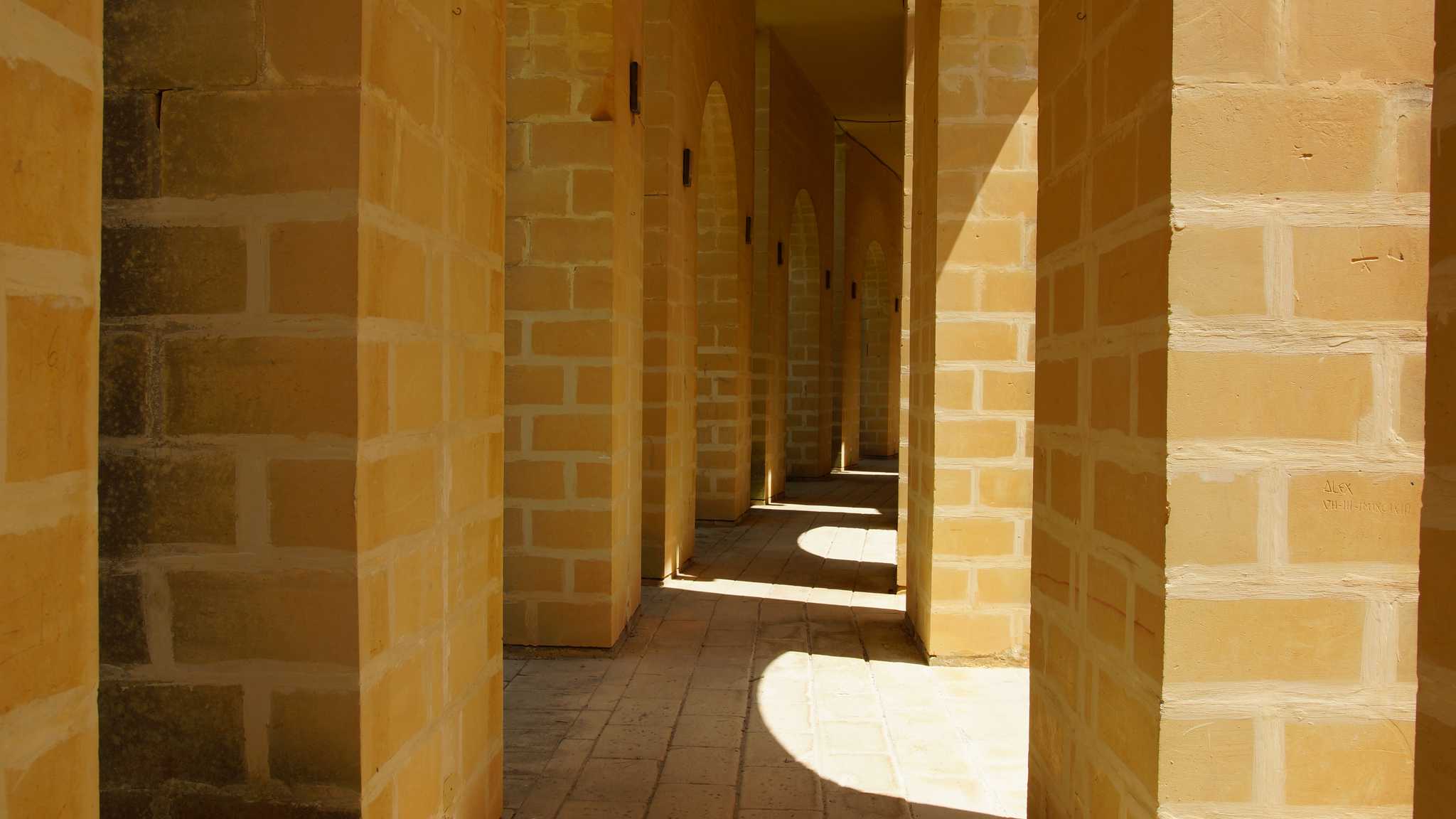
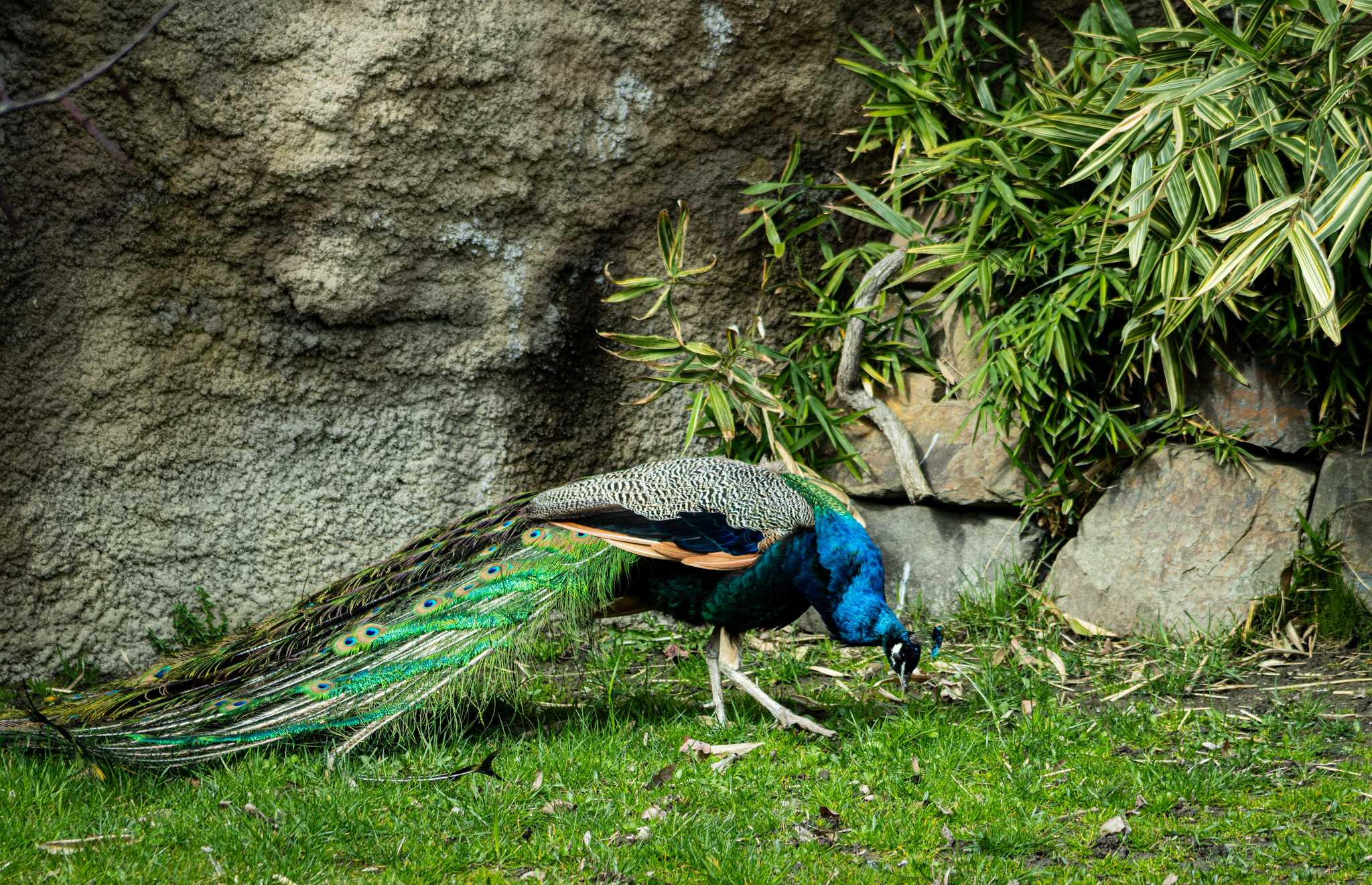
Installé dans les hangars de l'ancien aérodrome de la RAF à Malte, le village artisanal de Ta' Qali est l'endroit où les artisans traditionnels de l'île (souffleurs de verre, orfèvres, potiers et dentellières) travaillent et vendent dans des ateliers ouverts.
À voir
- Démonstrations en direct de soufflage de verre dans l'atelier Mdina Glass, où les vases en verre filé distinctifs, aux teintes ambre, vert d'eau et bleu cobalt, sont fabriqués à partir de verre recyclé selon des techniques traditionnelles
- Création de bijoux en filigrane d'argent à la main dans les ateliers d'orfèvrerie, un art apporté à Malte par les Arabes au Moyen Âge
- Poterie, dentelle et articles tissés sur les stands d'artisanat environnants
À faire
- Se promener entre les ateliers ouverts et observer chaque artisanat de près ; le soufflage de verre en particulier vaut la peine d'être suivi du début à la fin
À acheter
- Pièces de Mdina Glass directement à l'atelier à des prix inférieurs à ceux de La Valette ; boucles d'oreilles et pendentifs en argent filigrané ; mouchoirs en dentelle
À noter
- Le village artisanal se trouve à l'intérieur du parc national de Ta' Qali et peut avoir des horaires d'ouverture légèrement différents de ceux des autres établissements, il est donc préférable de vérifier à l'avance : https://artisanvillagesmalta.com/
Avez-vous des questions ou besoin d'aide ?
Contactez notre service client. Nous sommes disponibles 24h/24 et 7j/7Daytrip est apprécié dans le monde entier. Voici pourquoi.
Questions fréquemment posées
Si vous avez des questions, voici les réponses.Soyez le premier à découvrir plus
Recevez des idées de voyage soigneusement sélectionnées, des points forts d'initiés et des offres spéciales Daytrip.