Visit the heart of Malta: Private day trip from St. Julians


Private ride with a local driver
About your trip
What to expect
Your day trip begins wherever you are
Meet our professional driver right where you prefer in St. Julian's whenever suits you best. No time wasted getting to the pickup point, grab your bag and start your trip right away.Discover more with local expertise
Your driver’s local insights will set the tone for your day trip. A hidden café here, a must-try restaurant there; insider tips you’ll love sharing later. This isn’t a guided tour but your ride will be rich with stories and discoveries along the way. And throughout the day, your driver will be available for you as needed, ready to assist, happy to help, making your trip stress-free.Explore at your own pace
Perfect for any private group
Whether you're traveling solo, as a family with kids, or as a large group, this service is tailored for your comfort and flexibility. It's the ideal option especially if you have limited time or a busy schedule.Good to know
- Two-way private car transfer
- Air-conditioned vehicle
- Personalized pickup and drop-off
- Professional English-speaking driver
- Complimentary bottled water
- Free cancellation 24 hours before departure
- Entry/Admission tickets to paid attractions Mdina, Rabat, and Ta' Qali National Park should be purchased separately unless specified otherwise
- Meals, snacks, and gratuity are not included
Your trip at a glance
Your trip at a glance


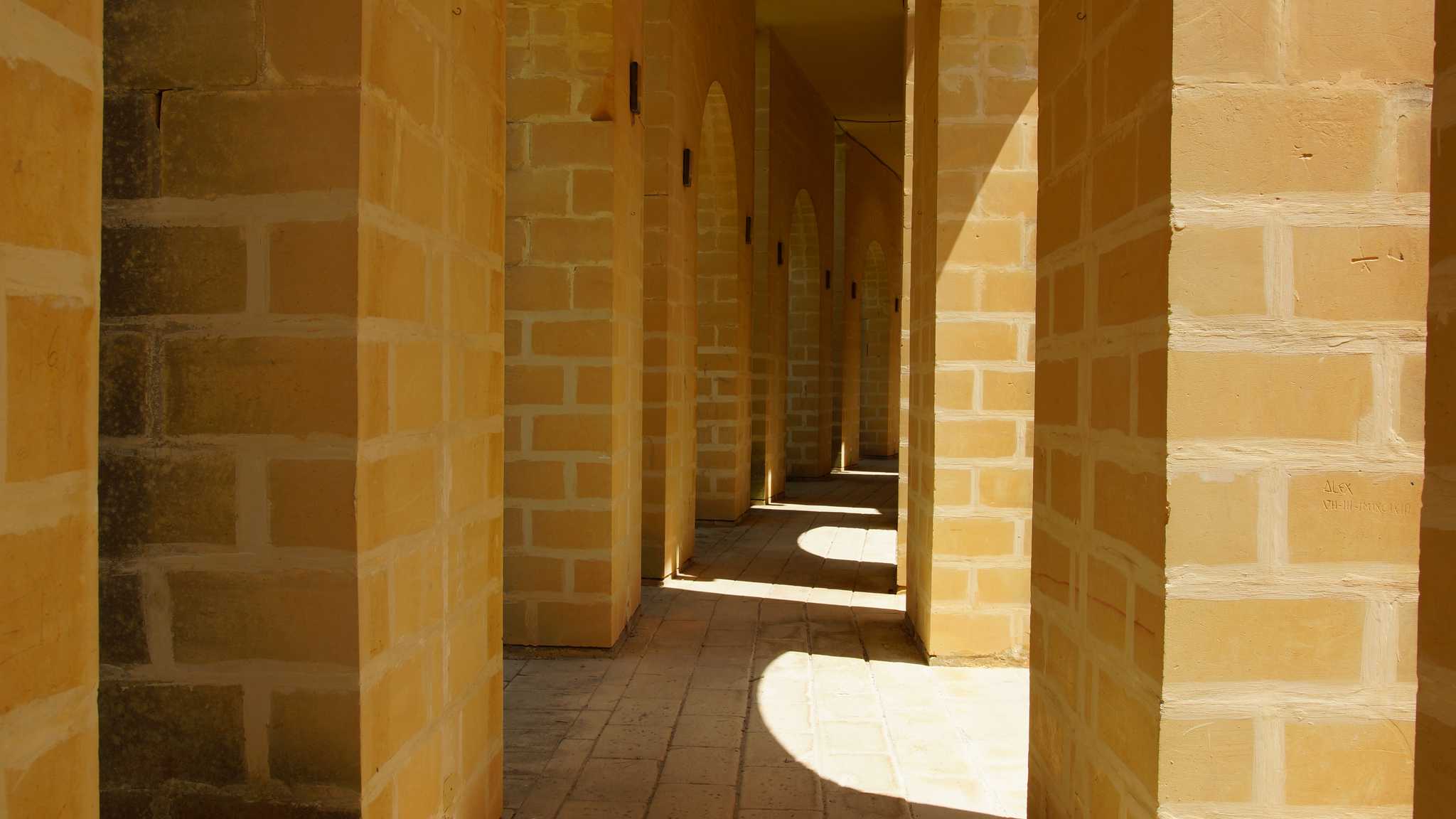
Called the Silent City, Mdina is the ancient walled capital of Malta, a fortified hilltop town of golden limestone where barely 300 people live, and cars are almost entirely absent, creating an atmosphere of total medieval calm.
What to see
- The Baroque Mdina Cathedral (St Paul's Cathedral), built over the site of the house where St Paul allegedly stayed after his shipwreck on Malta, with a remarkable carved marble floor covering the tombs of Maltese nobles
- The Norman House and Palazzo Falson, both medieval palaces converted to museums, with collections of armor, paintings, and Maltese decorative arts
- The bastions, from which the view across Malta's central plain to the sea, visible on three sides in clear weather, have not changed since the Knights of St John built these walls
What to do
- Walk the full circuit of the bastions, which takes about 30 minutes and delivers a different view at every turn
- Explore the narrow alleys behind the main street, where the residential silence of the Silent City is most palpable
What to eat
- Pastizzi (ricotta or mushy-pea stuffed pastry) from the famous Crystal Palace bar just outside the Mdina gate, a Maltese institution


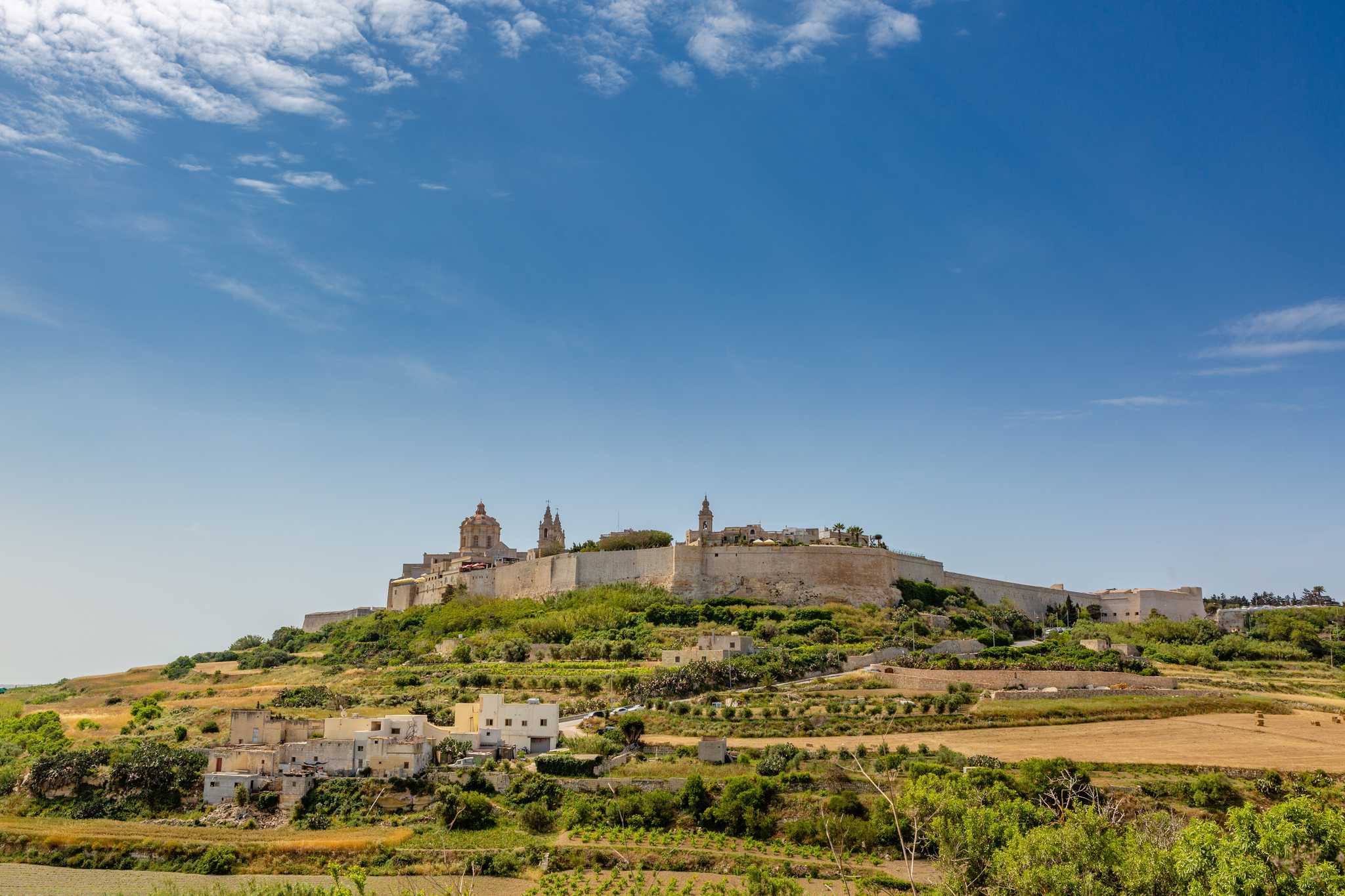
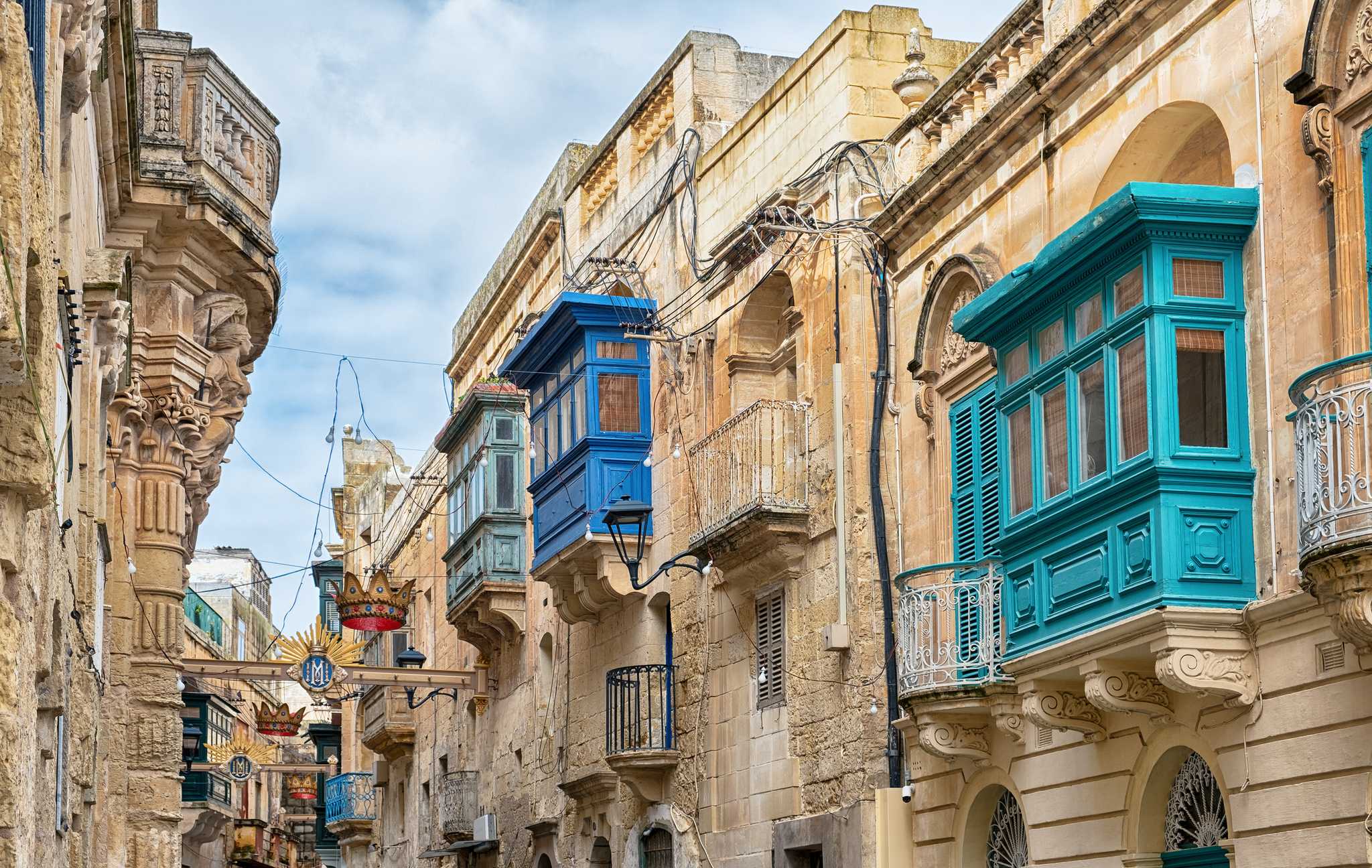
Just outside the Mdina gate, Rabat was the suburb of the original Roman city and preserves two of Malta's most significant underground sites, catacombs that have sheltered the dead since the Roman period, and the cave where St Paul is said to have lived.
What to see
- St Paul's Catacombs, the largest of Malta's early Christian burial complexes, a labyrinthine network of passages, agape tables, and rock-cut tombs dating from the 4th to 8th centuries CE
- St Agatha's Catacombs, smaller and less visited than St Paul's, with remarkable surviving medieval frescoes in the burial chambers
- St Paul's Grotto, the cave where Paul of Tarsus is traditionally said to have sheltered and preached during his three months on Malta in 60 CE
What to do
- Take a guided tour of St Paul's Catacombs for the historical and early Christian context, the agape tables where families dined with the dead are unlike anything above ground in Malta
Take note
- Both catacomb sites are ticketed; check heritagemalta.org for opening hours and combined tickets
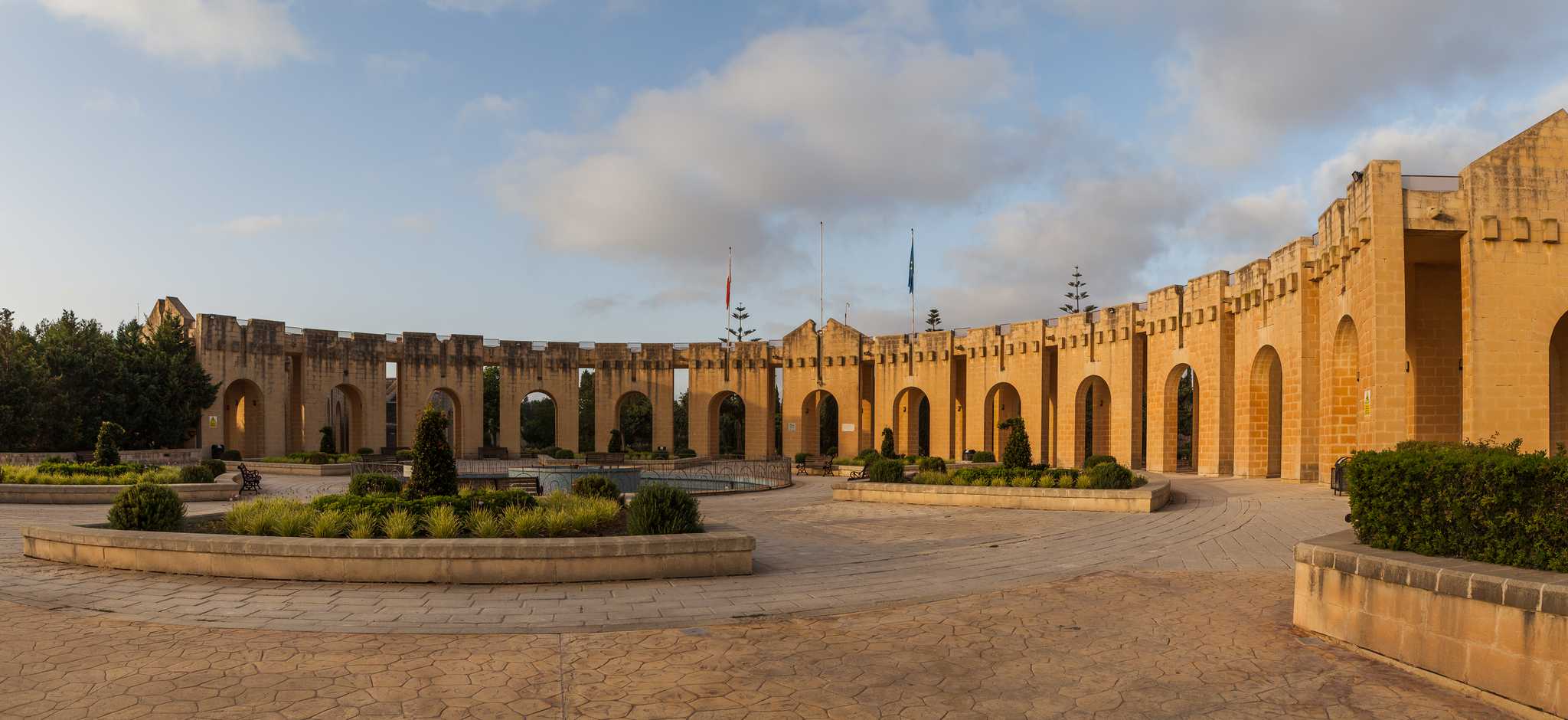
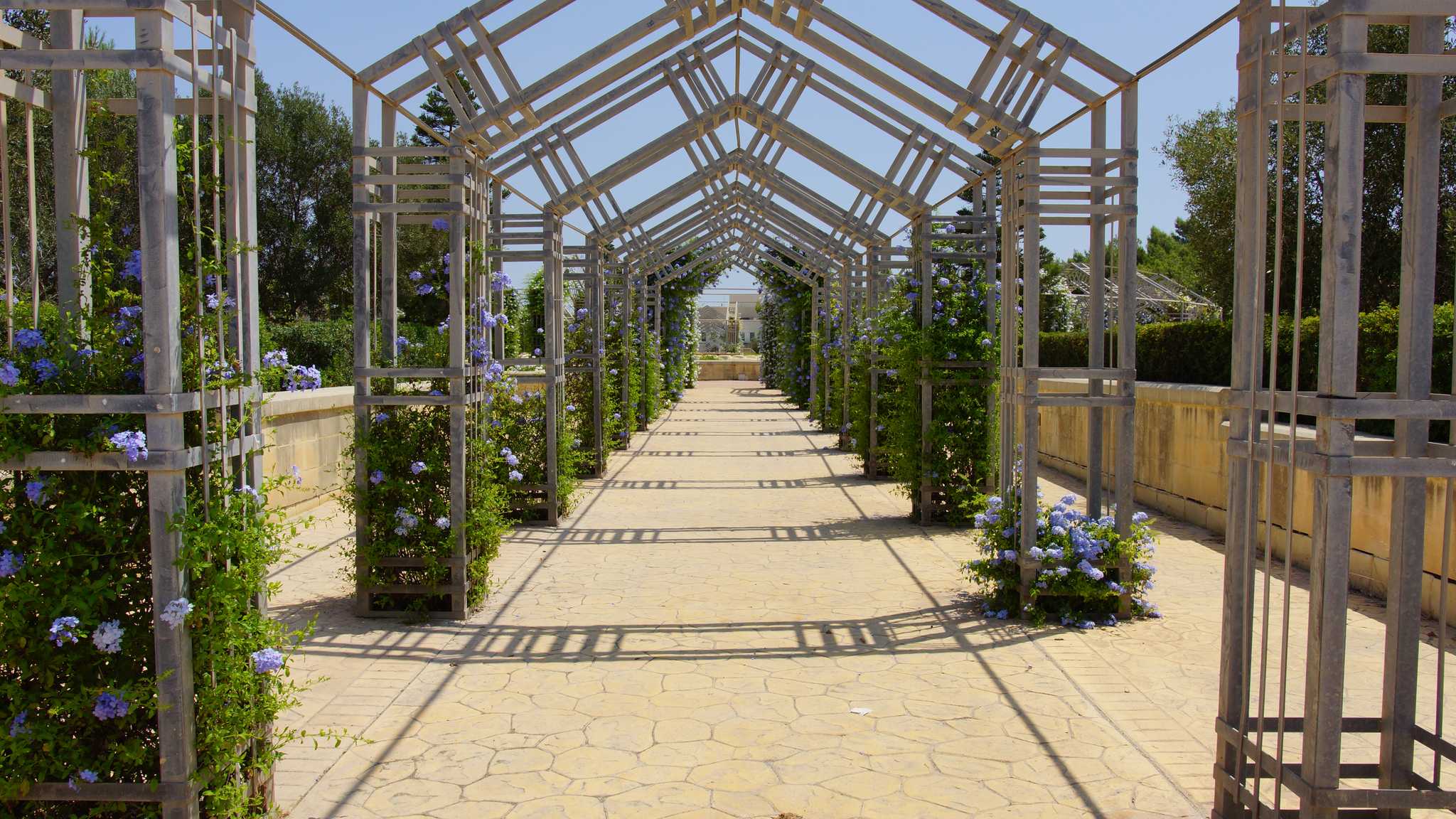
Housed in the hangars of Malta's former RAF airfield, Ta' Qali Crafts Village is where the island's traditional artisans (glassblowers, silversmiths, potters, and lacemakers) work and sell in open workshops.
What to see
- Live glassblowing demonstrations in the Mdina Glass workshop, where the distinctive spun-glass vessels in amber, sea-green, and cobalt blue are made from recycled glass using traditional techniques
- Silver filigree jewelry being made by hand in the silversmith workshops, an art form brought to Malta by the Arabs in the medieval period
- Pottery, lace, and woven goods at the surrounding craft stalls
What to do
- Walk between the open workshops and watch each craft at close range; the glassblowing in particular is worth watching from start to finish
What to buy
- Mdina Glass pieces direct from the workshop at lower prices than in Valletta; filigree silver earrings and pendants; lace handkerchiefs
Take note
- The crafts village is located inside Ta' Qali National Park and may have slightly different operating hours than the other establishments, best to confirm ahead of time: https://artisanvillagesmalta.com/
Have questions or need help?
Contact our Customer Support. We are available 24/7Daytrip is loved all around the world. Here's why.
Explore similar trips from St-julian-s

From US$71 / per person
From US$71 / per person

From US$69 / per person
From US$65 / per person

From €58 / per person