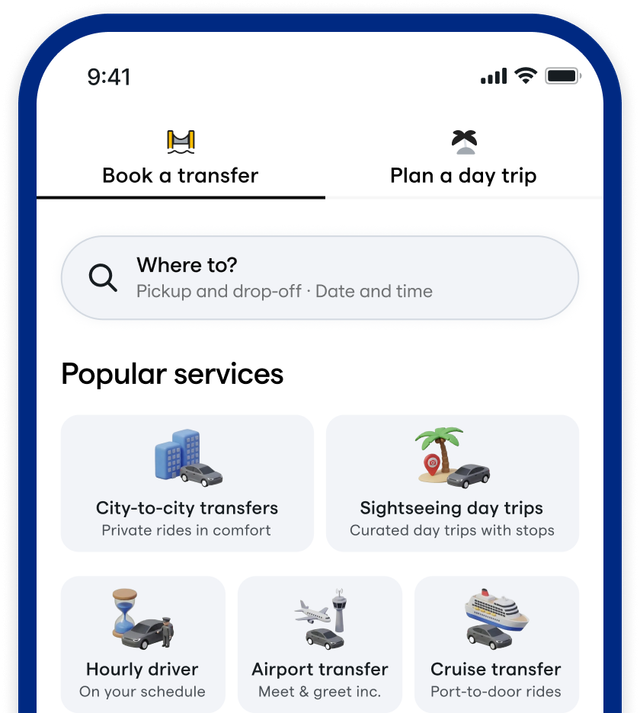
Budapest is one of Central Europe's safest capitals. Violent crime is rare, but visitors should be aware of pickpocketing in crowded areas such as metro stations, popular markets, and major attractions. Avoid unofficial taxis and use reputable ride-hailing apps like Bolt instead. Being alert in busy tourist zones goes a long way.
Tipping is more common in Hungary than in many other European countries. In restaurants, around 10% is standard, and up to 15% for exceptional service at nicer establishments. Always check your bill first, as some restaurants include a service charge. For taxis, rounding up the fare is the norm. Hotel staff also appreciate small tips.
Budapest's highlights include the Parliament Building, Buda Castle, Fisherman's Bastion, the Szechenyi Thermal Baths, and the Great Market Hall. The iconic Chain Bridge connecting Buda and Pest is a landmark in itself. The city's Jewish Quarter, with its famous ruin bars, is a must-explore for those interested in history and nightlife.
One unique Hungarian tradition is that locals typically do not clink beer glasses together when toasting, a custom rooted in a historical event. It is polite to greet people with a handshake and to wait to be seated in restaurants rather than seating yourself. Jaywalking is technically illegal in Hungary, so use designated crossings.
Hungary uses the Hungarian forint (HUF), not the euro. While some larger establishments may accept euros, you will almost always get a poor exchange rate, so it's best to pay in forint. ATMs are widely available in Budapest and at the airport. Avoid currency exchange booths at the airport, as their rates tend to be unfavorable.
Hungarian (Magyar) is the official language and is quite unlike most other European languages. However, English is widely spoken in Budapest's hotels, restaurants, and tourist areas. Staff at Budapest Airport are generally English-proficient.
Hungarian cuisine is hearty and flavorful. Must-try dishes include gulyas (goulash), a rich paprika-spiced beef soup; paprikas csirke (chicken in creamy paprika sauce); and langos, a popular street food of fried dough topped with sour cream and cheese. Hungary also has an impressive wine tradition, including the famous Egri Bikaver (Bull's Blood) red.
Spring (April to May) and fall (September to October) are the most comfortable times to visit, with mild weather and fewer crowds. Summer is warm and busy, with plenty of outdoor events and festivals. Winters are cold, but Budapest's thermal baths and Christmas markets make it a rewarding cold-weather destination.