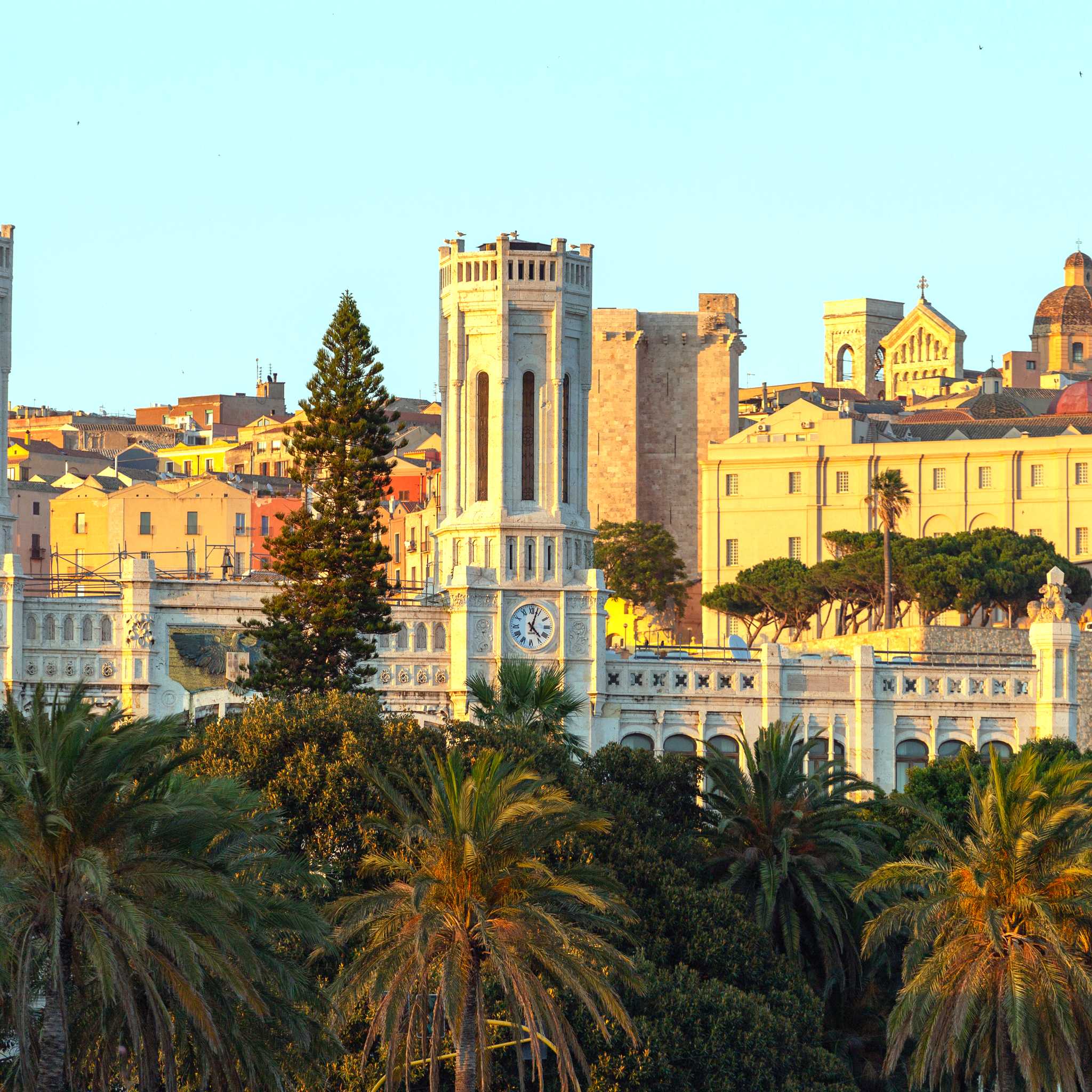
Cagliari is enjoyable to explore on foot, especially the Marina, Stampace, and Villanova districts. The historic Castello quarter sits on a steep hill with cobblestone streets and stairs, which can be challenging for strollers, wheelchairs, or those with mobility concerns. Elevators and a small public transit system help, and comfortable walking shoes are recommended.
Cagliari is considered very safe, with low rates of violent crime. Petty theft, like pickpocketing, can occur in busy areas such as the Marina district or on public transportation, so keep an eye on your belongings. The city is welcoming and easy to navigate, and locals are generally happy to help visitors who need directions or recommendations.
Tipping is appreciated but not obligatory in Italy. Many restaurants include a "coperto" or cover charge, and rounding up the bill or leaving a few euros for excellent service is customary. Hotel staff typically receive 1 to 2 euros for assistance, and rounding up taxi fares is common. Tipping is generally more modest than in the United States.
Highlights include the medieval Castello district, the Bastion of Saint Remy with its panoramic views, the Roman amphitheater, and the Cagliari Cathedral. Don't miss the National Archaeological Museum, the lively Marina district, and Poetto Beach. Day trips lead to the pink flamingos at Molentargius Park and ancient ruins at Nora.
Italy uses the euro (EUR) as its official currency. Credit and debit cards are widely accepted in Cagliari at hotels, restaurants, and most shops. ATMs are easy to find throughout the city. Cash is still handy for small cafes, markets, and rural areas of Sardinia, where some smaller establishments may not accept cards.
Italian is the official language of Italy. In Sardinia, you'll also hear Sardinian (Sardu), a recognized regional language that is distinct from Italian. English is commonly spoken in Cagliari's hotels, restaurants, and at major attractions, though less so among older residents or in small villages. Learning a few Italian greetings is always appreciated.
Sardinian cuisine is distinctive and delicious. Try culurgiones (potato and cheese-stuffed pasta), fregola with seafood, malloreddus (small ridged pasta), and the famous porceddu (suckling pig). Don't miss pane carasau, a thin, crispy flatbread, and seadas, a fried cheese pastry drizzled with honey. Pair your meals with local Cannonau or Vermentino wines.
The most pleasant times to visit Cagliari are May, June, and September, when the weather is warm, and the beaches are inviting without the peak summer crowds. July and August are the hottest and busiest. Spring brings wildflowers and ideal hiking weather, while winters are mild, making the city enjoyable to explore year-round.