The historic village center is compact and walkable, but the terrain is hilly with uneven cobblestone streets, which can be difficult for strollers and wheelchairs. A lift is available near the lower car park to bring visitors up into the town. Comfortable walking shoes are strongly recommended for exploring the old town and its surrounding walls.
Casole d'Elsa is a quiet, rural Tuscan village with a very low crime rate and a relaxed, welcoming atmosphere. Italy in general is a safe destination for travelers. As with any trip, keeping valuables secure and being mindful in busier nearby towns like Siena is sensible, but visitors to Casole d'Elsa itself typically have a very safe and peaceful experience.
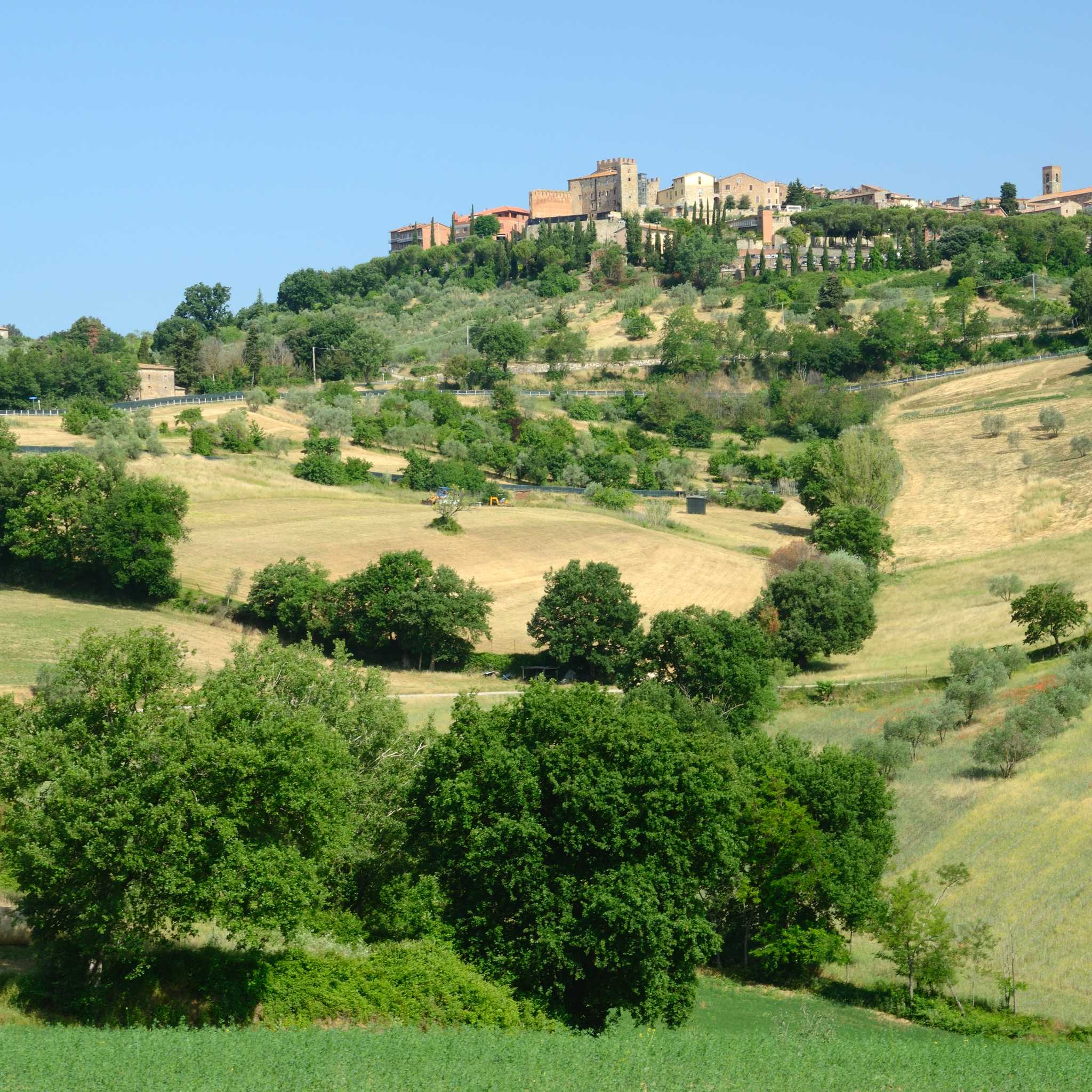
The medieval oval walls and the Rocca fortress, now home to the town hall, are the main landmarks. The Collegiata di Santa Maria Assunta is a beautiful Romanesque-Gothic church worth visiting, as is the Archaeological and Collegiate Church Museum. The views from the town walls over the Val d'Elsa are spectacular and should not be missed.
Italy uses the euro (EUR). ATMs are available in nearby towns such as Colle di Val d'Elsa, and credit cards are widely accepted in hotels and restaurants. In smaller local businesses, trattorias, and farm shops around Casole d'Elsa, having some cash on hand is always a good idea, as card acceptance is not guaranteed everywhere.
Casole d'Elsa's central location makes it an ideal base for exploring Tuscany. Siena is about 30 kilometers (about 18 miles) away, San Gimignano with its famous medieval towers is close by, and the hilltop city of Volterra is easily reached. The thermal baths at Bagni di Petriolo and the charming walled town of Monteriggioni are also popular nearby stops.
Tuscany is one of Italy's great culinary regions. In and around Casole d'Elsa, look for pici (thick hand-rolled pasta), ribollita (a hearty bread and vegetable soup), wild boar dishes, and local pecorino cheese. The area's Vernaccia di San Gimignano and Chianti wines are excellent. Several local wineries offer tastings and vineyard tours by appointment.
Spring (April to June) and early fall (September to October) are the most pleasant times to visit, with warm weather, beautiful light on the Tuscan landscape, and far fewer crowds than peak summer. Summer is hot but lively, with local events and festivals. The annual Palio, a historical horse race held in August, in nearby Siena is one of the most memorable celebrations in the area.
Italian is the official language of Italy and the language you'll hear throughout Tuscany. In Casole d'Elsa, a small rural village, English is not as widely spoken as in larger cities, so knowing a few basic Italian phrases will go a long way. Staff at larger hotels and agriturismo properties often speak some English.