Much of Gijon's central area is flat and walkable, and the beachfront promenade (El Muro) is wide, smooth, and very accessible. The historic Cimadevilla quarter, however, is built on a hillside with steep streets and steps that can be challenging for wheelchairs and strollers. The Roman Baths are accessed underground, which may limit accessibility. It is worth contacting specific attractions ahead of time to confirm access arrangements.
Gijon is considered a safe and friendly city. It sees far fewer international visitors than Spain's more famous resort towns, which contributes to its relaxed and genuine atmosphere. Standard city precautions apply: watch your belongings in busy areas and on public transport. The beach, old quarter, and city center are all comfortable to explore on foot during the day and evening.
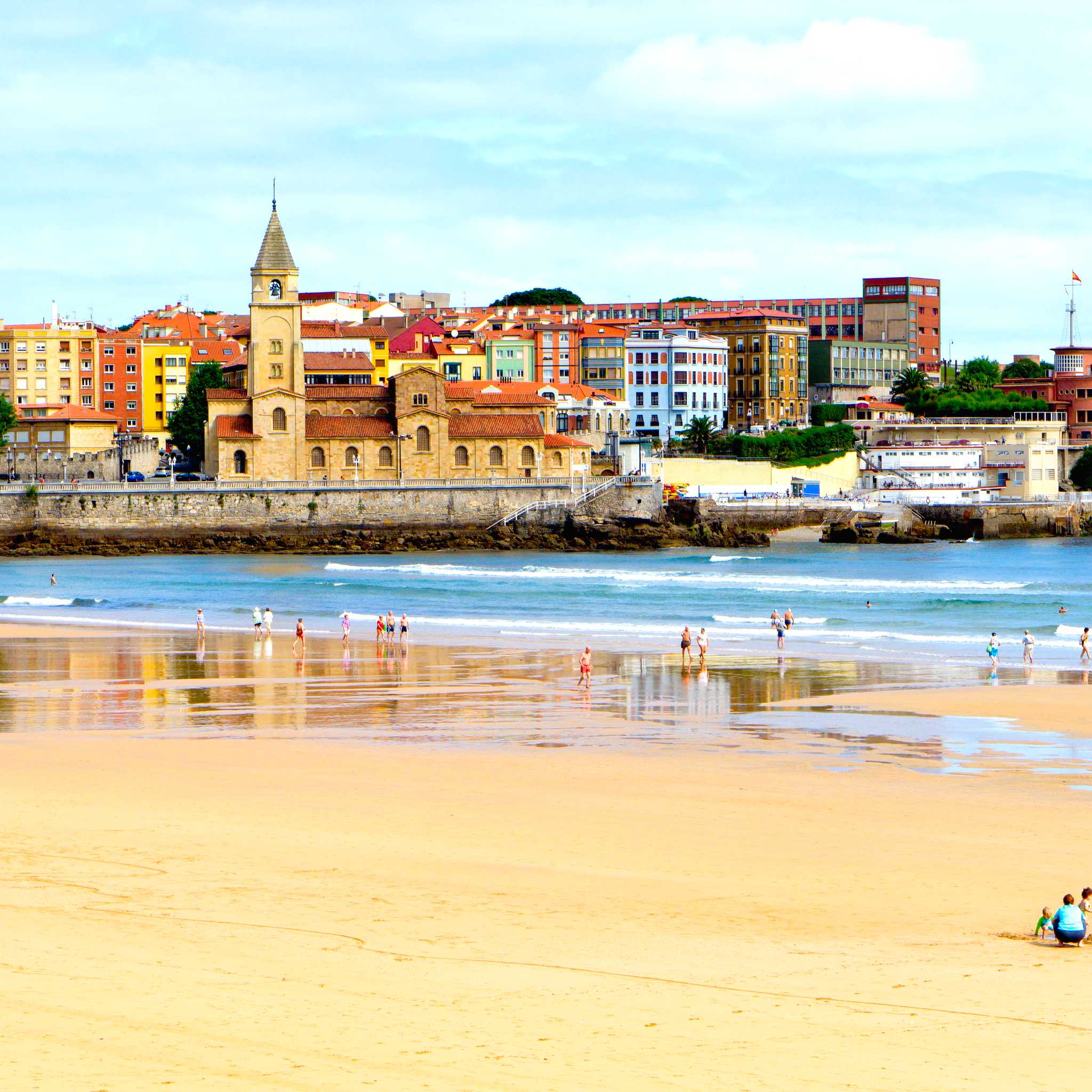
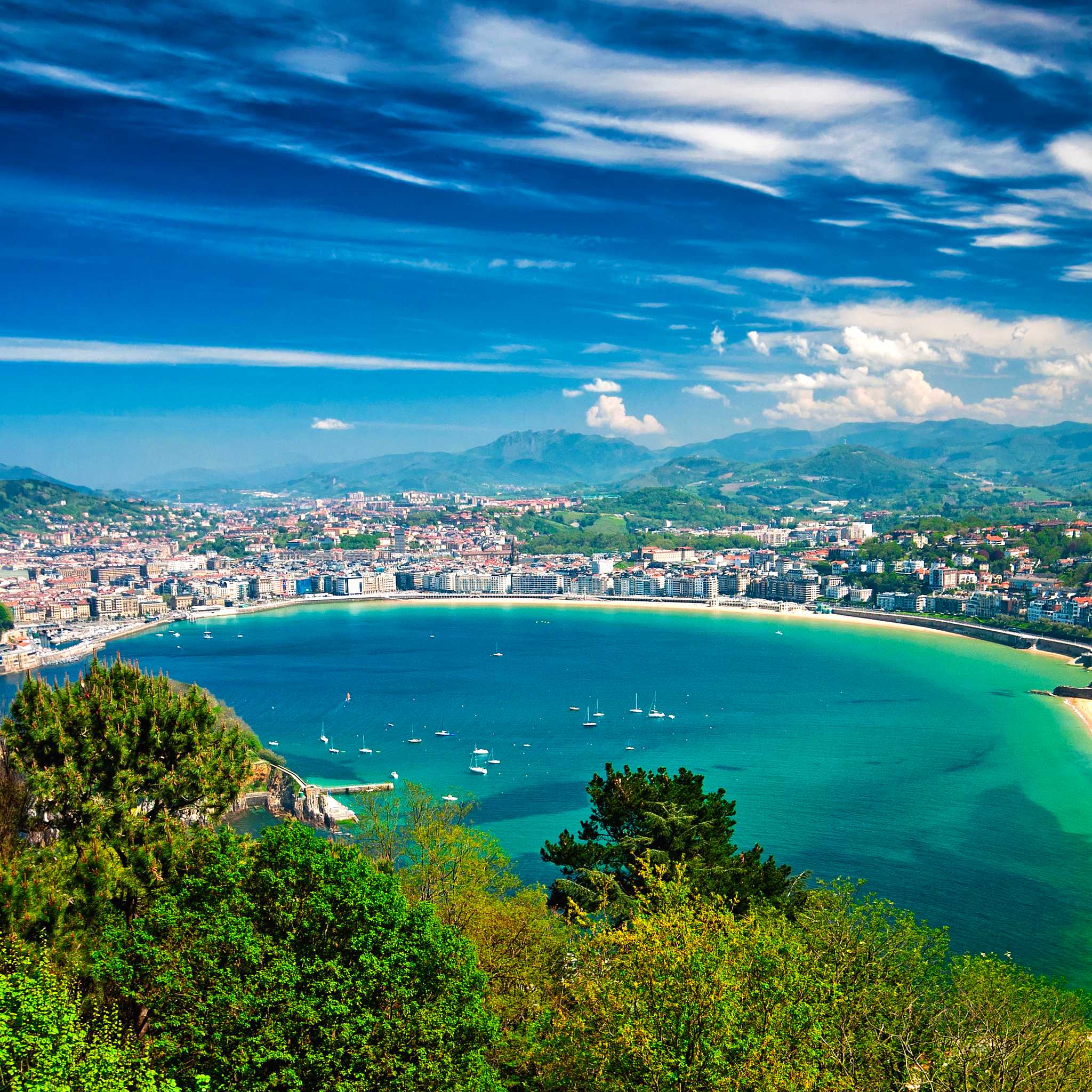
Playa de San Lorenzo, a sweeping golden beach right in the heart of the city, is Gijon's centerpiece. The historic Cimadevilla quarter, the underground Roman Baths of Campo Valdes, and the Universidad Laboral (the largest building in Spain) are all essential stops. The Asturias Railway Museum and the city aquarium are excellent for families. Nearby, the Asturian countryside and Picos de Europa mountains are ideal for day trips.
Spain uses the euro (EUR). Credit and debit cards are widely accepted in Gijon's restaurants, shops, and hotels. Contactless payment is common. It is useful to carry a small amount of cash for markets, cider bars (sidrerias), and smaller local eateries where card readers may not always be available. ATMs are easy to find throughout the city center.
Asturian cider (sidra) is central to the region's culture and is a must-try in Gijon. It is a still, slightly tart natural cider that is poured from a great height into a wide glass to aerate it, a ritual known as escanciado. Cider bars called sidrerias are found throughout the city and offer a very authentic local experience. Cider is typically served alongside traditional Asturian dishes such as fabada bean stew and grilled cheese.
Spanish (Castilian) is the official language of Spain. In Asturias, you may also encounter Asturian (also called Bable), a regional language that appears on some signs. In Gijon's tourism-facing businesses, basic English is generally spoken, though the city is less internationally oriented than southern Spanish resorts. Locals are warm and patient, and a few words of Spanish are always appreciated.
Asturian food is hearty and deeply satisfying. Fabada asturiana, a rich white bean stew with chorizo and black pudding, is the region's signature dish. Fresh seafood is outstanding here, with spider crab, clams, and grilled fish all popular choices. Asturian cheeses, including pungent Cabrales, are world-class. For dessert, arroz con leche (rice pudding) and frixuelos (thin pancakes) are local favorites.
Summer (July and August) is the most popular time to visit Gijon, when the beaches are at their best and the city buzzes with festivals and outdoor life. Spring and early fall offer mild, pleasant weather with smaller crowds and a more local feel. Note that northern Spain is greener and wetter than the south, so pack a light layer even in summer, as Atlantic showers can arrive quickly.