Yes, Jerez's historic center is flat and very walkable, with most major sights, bodegas, and tabancos within a 15 to 20-minute walk. Cobblestone streets and some narrow alleys can make strollers and wheelchairs a little trickier in parts of the old town. Wearing comfortable flat shoes is highly recommended, as heels catch easily on the cobbles of Jerez's picturesque alleys.
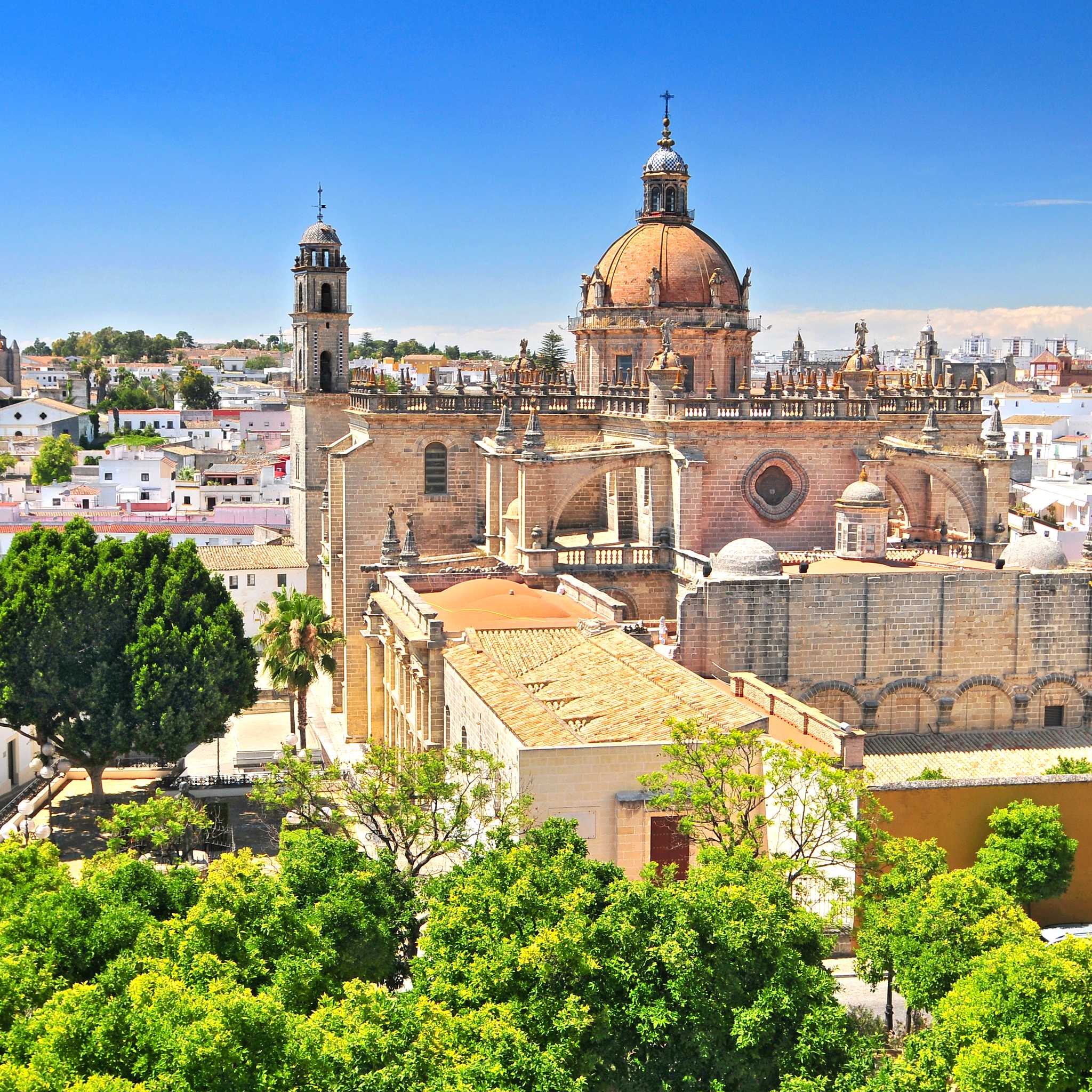
Top experiences include touring historic sherry bodegas like Gonzalez Byass or Tio Pepe, watching a flamenco show at a traditional tabanco, and visiting the Moorish Alcazar and Jerez Cathedral. See the famous dancing horses at the Royal Andalusian School of Equestrian Art, stroll Plaza del Arenal, and explore the city's beautiful historic center with its plazas, churches, and tree-lined streets.
Spain uses the euro, and cards are widely accepted in Jerez hotels, restaurants, and larger shops, though cash is useful at tabancos and markets. Spanish is the official language, spoken with a distinctive Andalusian accent in Jerez. English is understood in major attractions, sherry bodegas, and hotels, but learning a few Spanish phrases is appreciated by locals.
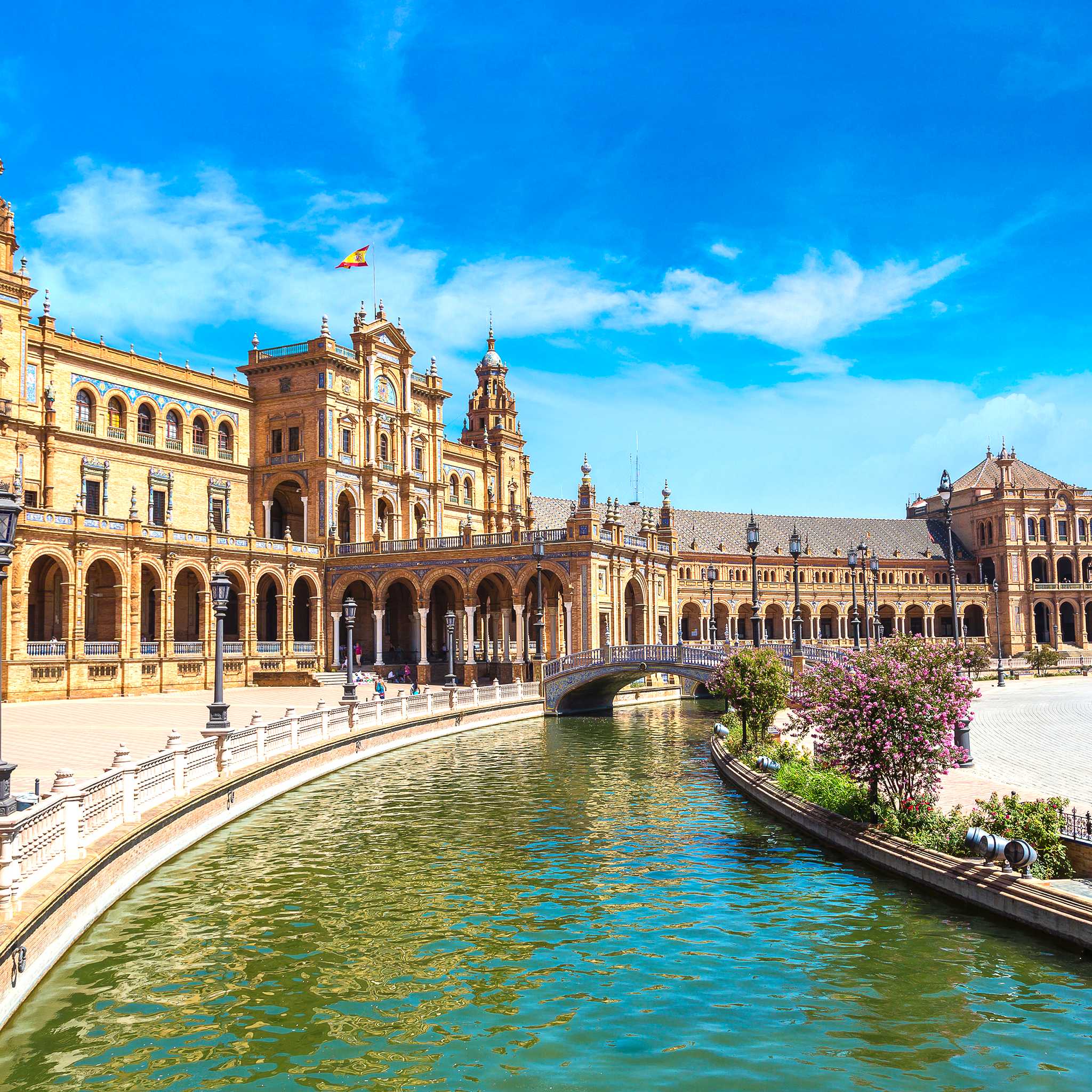
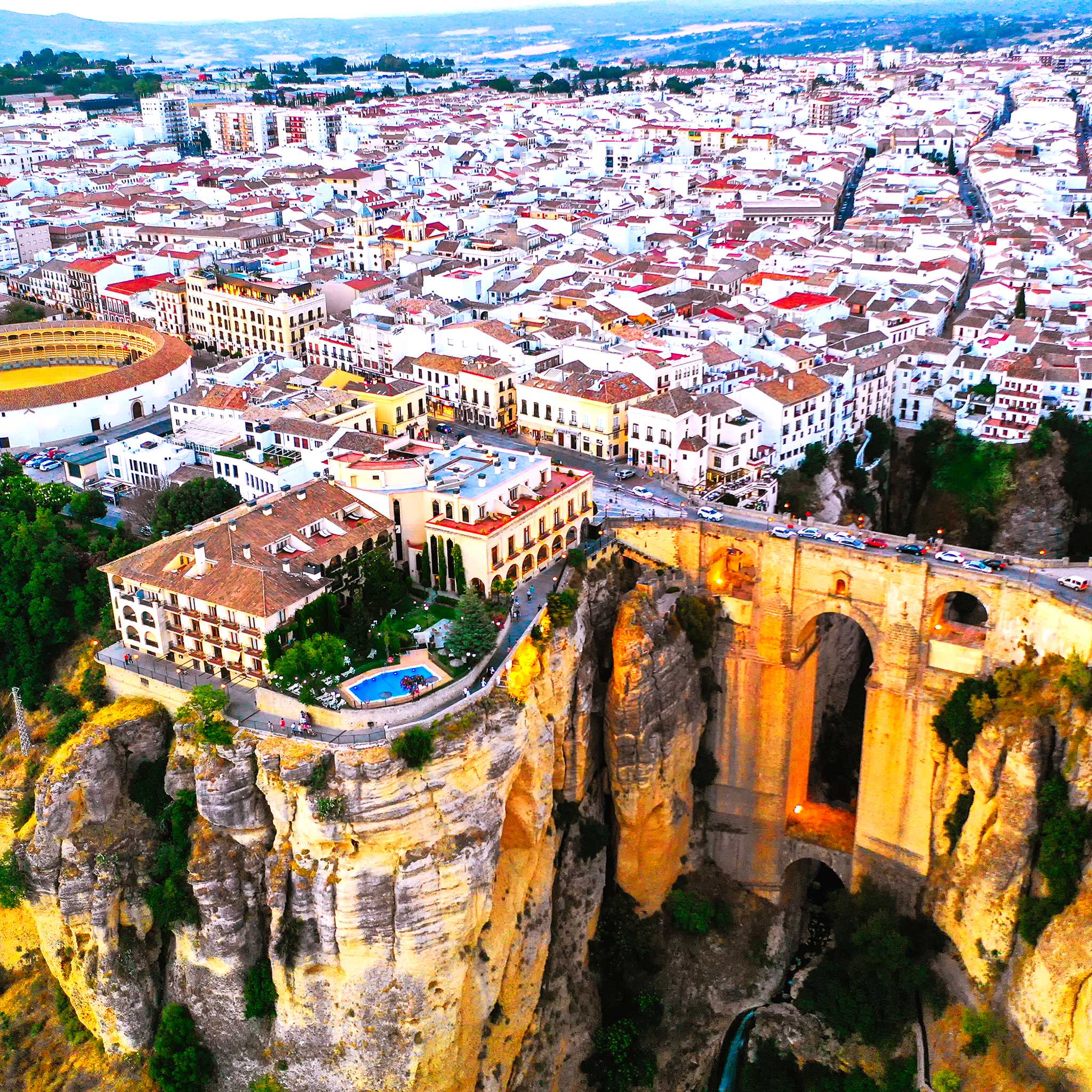
Jerez is well placed for exploring western Andalusia. Popular day trips include the seafood town of Sanlucar de Barrameda, seaside Cadiz, and El Puerto de Santa Maria, completing the Sherry Triangle. Inland, you can visit the stunning white hill town of Arcos de la Frontera, while a little farther afield lie Ronda, Seville, and the beaches of the Costa de la Luz.
Sherry, or vino de Jerez, is a fortified wine produced only in the Sherry Triangle, made up of Jerez de la Frontera, Sanlucar de Barrameda, and El Puerto de Santa Maria. Jerez has produced sherry for centuries, and the city's name even inspired the English word. Varieties range from dry Fino and Manzanilla to sweeter Oloroso, Amontillado, and Pedro Ximenez.
The best time to visit Jerez is in spring, from March to May, and autumn, from September to November, when temperatures are warm but comfortable. Late February and early March bring the famous Festival de Jerez flamenco event, May hosts the lively Feria del Caballo horse fair, and September features the sherry harvest festival. Summer can be very hot.
Jerez is a tapas paradise. Try chicharrones de Cadiz, thinly sliced crispy pork, alcachofas con Pedro Ximenez, artichokes in sweet sherry sauce, and montaditos, small open sandwiches with cured meats or cheese. Local seafood such as fried fish, tortillitas de camarones, and rabo de toro oxtail stew are also popular. Pair everything with a chilled sherry or a refreshing rebujito cocktail.
Jerez is one of the world's great flamenco cities, and you can see performances year-round at tabancos like El Pasaje and at the Centro Andaluz de Flamenco. For an immersive experience, time your visit with the Festival de Jerez in late February and early March, a two-week celebration of flamenco. Pena flamenca clubs across the city also host regular, more intimate shows.