每位乘客可以携带一件大行李(29" x 21" x 11" / 74 x 53 x 28 cm)和一件小行李(22" x 14" x 9" / 56 x 36 x 23 cm)。豪华轿车最多可容纳 2 件大行李。我们始终会为您安排最合适的车辆,以确保您的行李能够容纳。如有超大行李,或您不确定行李是否能放下,请 联系我们。
Rethymno is considered one of the safest destinations on Crete. Crime rates are low, locals are welcoming, and the town is well-suited to solo travelers, families, and older visitors alike. The old town's cobbled lanes are narrow but easy to navigate on foot. As with any destination, take standard precautions with valuables in busy market areas.
Tipping is appreciated but not as strictly expected as in some countries. In restaurants, rounding up the bill or leaving 10 percent is common practice; it's customary to leave the tip in cash on the table rather than adding it to a card payment. Hotel staff, taxi drivers, and tour guides also appreciate a small tip. At tavernas, it's common to leave a few euros for the server regardless of bill size.
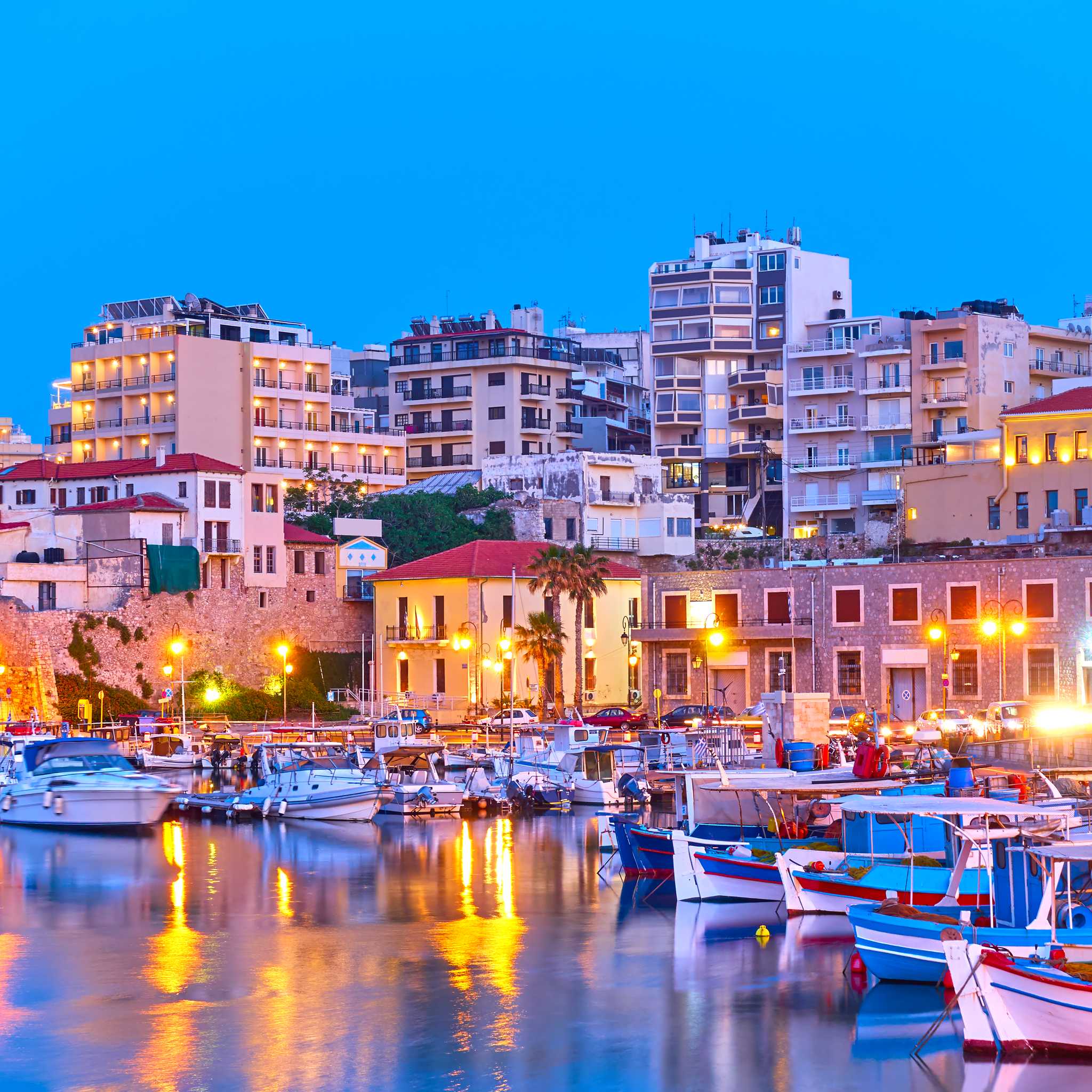
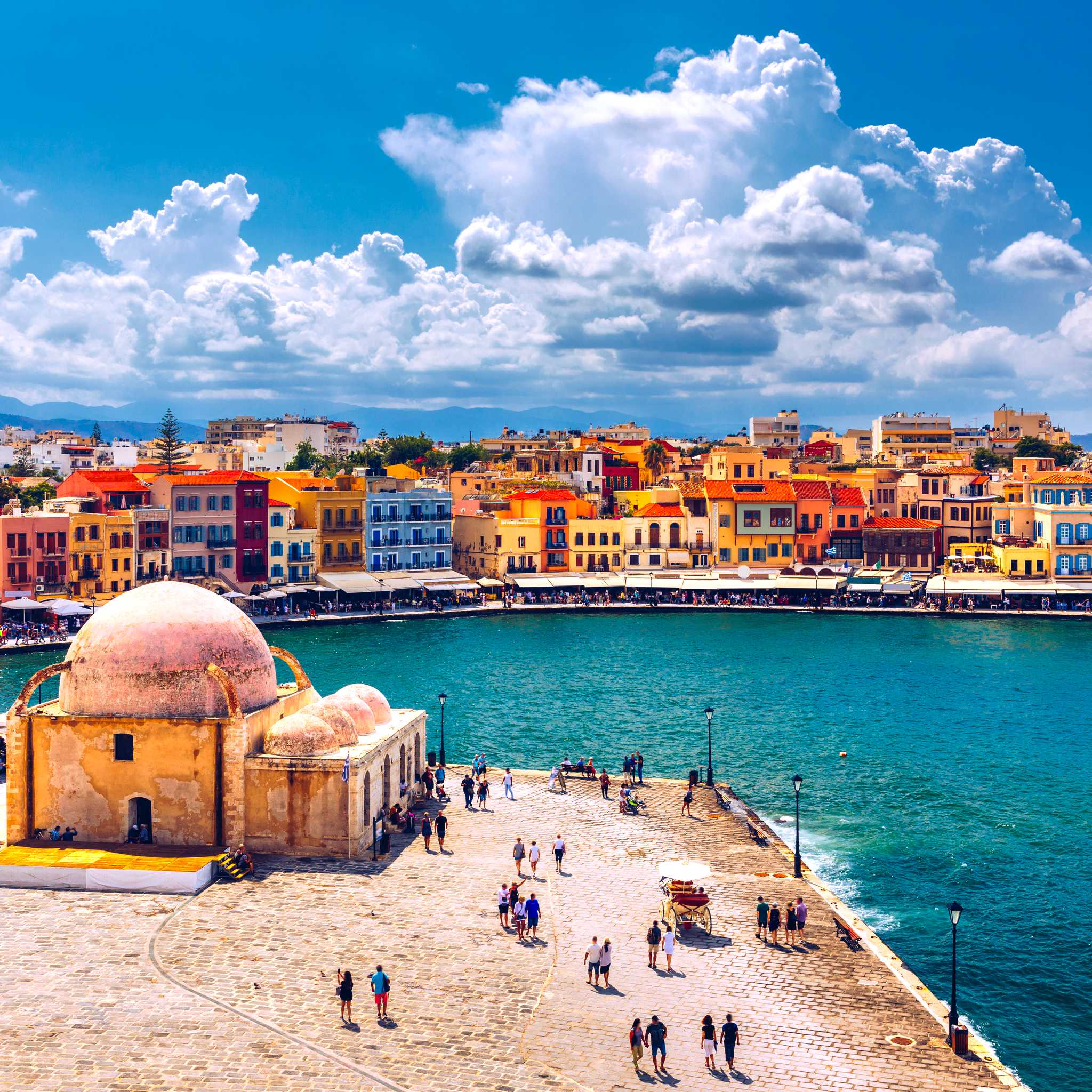
The Fortezza (Venetian fortress, built in the 16th century) is the city's most dramatic landmark, offering sweeping views over the town and sea. Within the old town, highlights include the Rimondi Fountain (1626), the Neratzi Mosque with its tall minaret, the Venetian harbor with its restored lighthouse, and the labyrinthine lanes of the old town itself. Day trips to Preveli Monastery and beach, the Melidoni Cave, and the traditional pottery village of Margarites are all popular excursions.
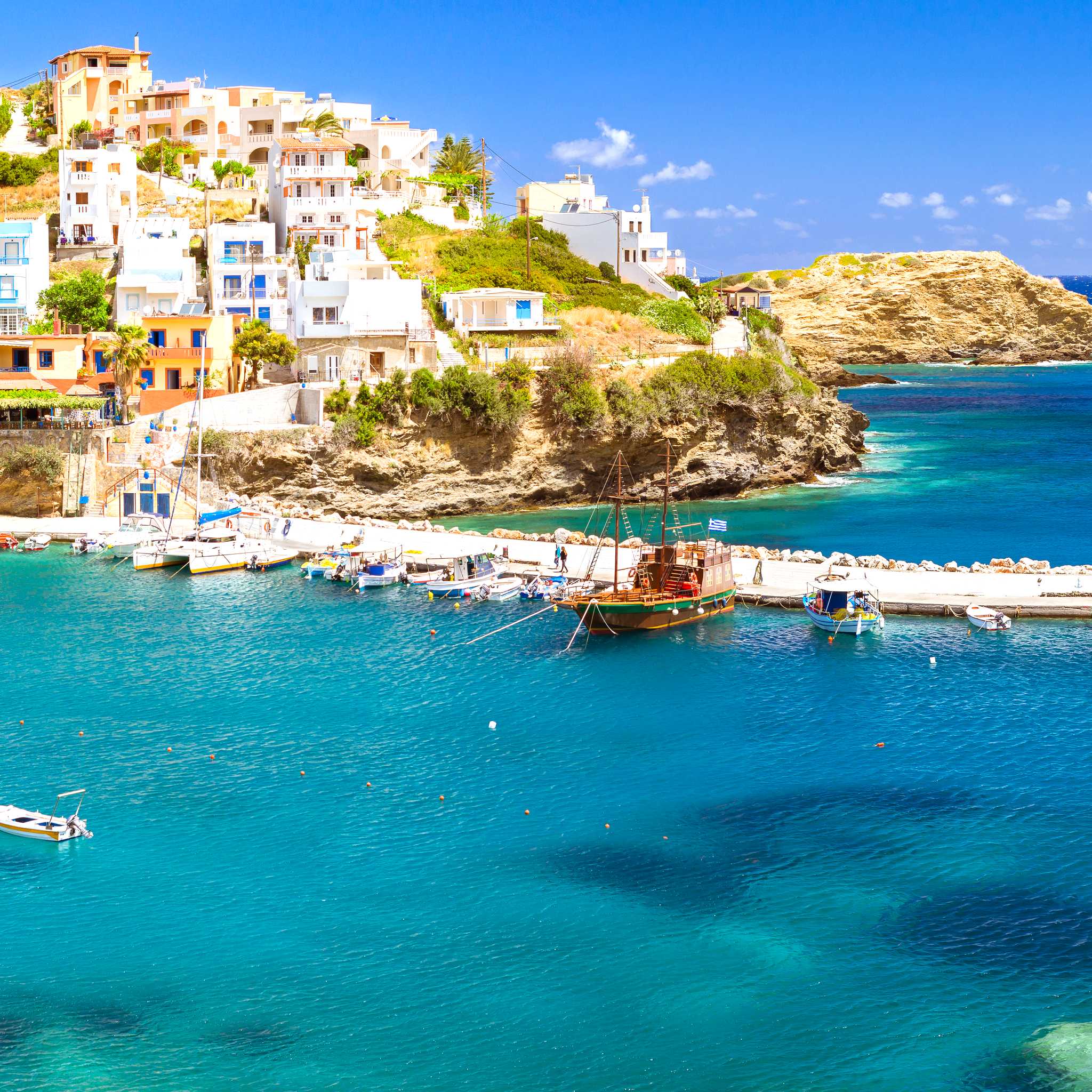
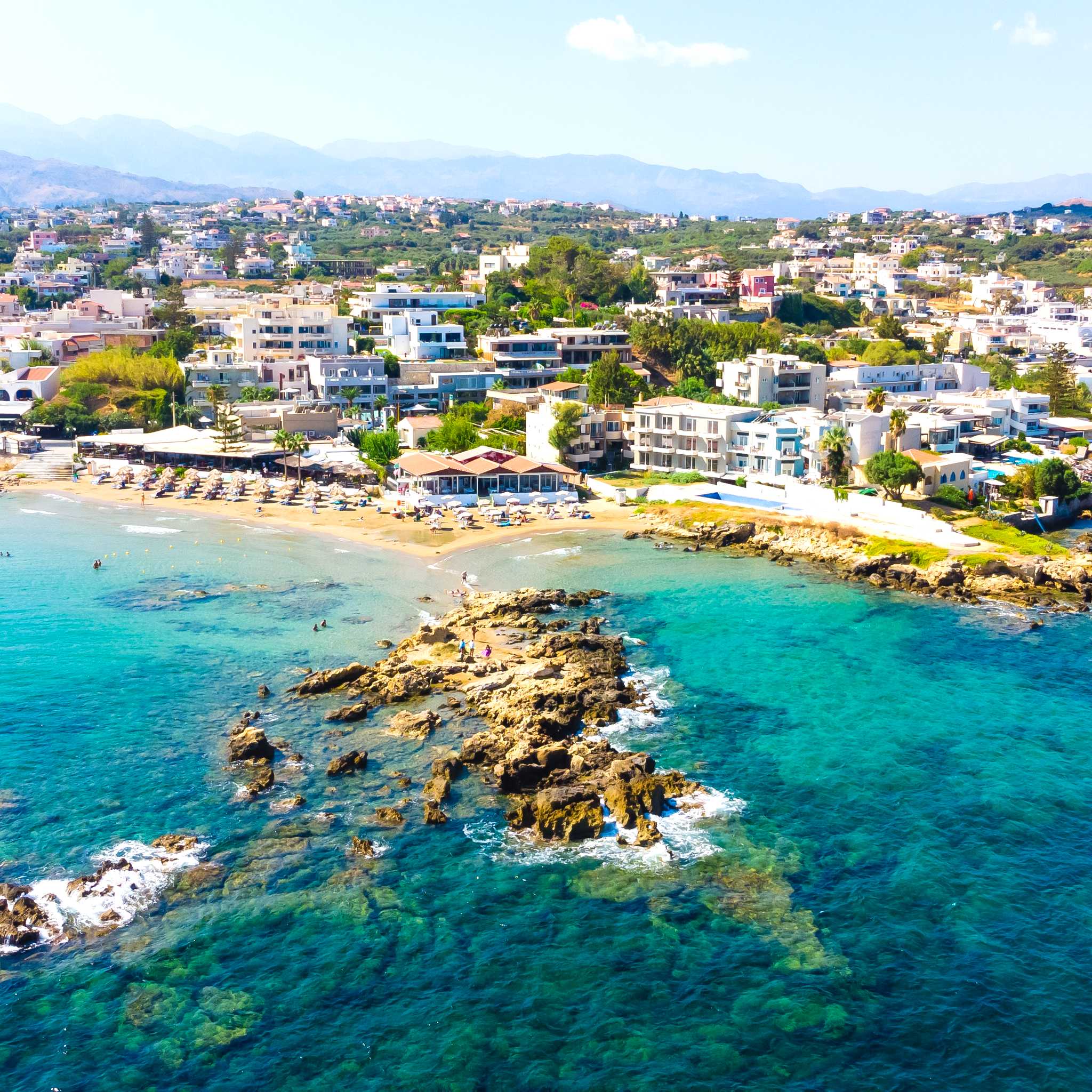
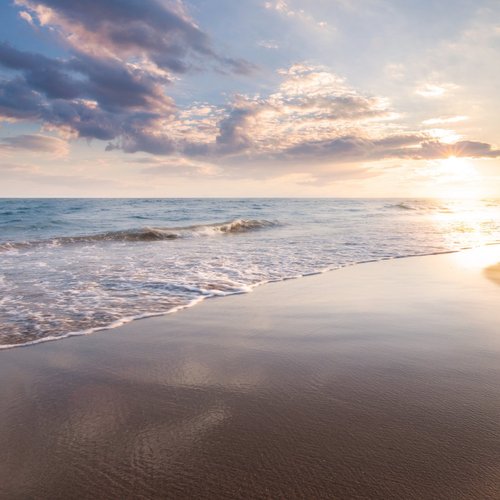
Rethymno's town beach stretches for approximately 12 kilometers (7 miles) east of the old harbor and is one of the longest sandy beaches in Crete, with calm, shallow waters well-suited to families. Further afield, Preveli Beach on the south coast is one of the most photographed in Greece, where a freshwater river meets a palm-lined cove. Bali, a small resort village to the east, has a cluster of sheltered coves ideal for snorkeling. Most south-coast beaches are 30 to 45 minutes away by car.
Greece uses the euro (EUR). Cards are accepted at most hotels, restaurants, and larger shops, but smaller tavernas, local markets, and street vendors often prefer cash. It's sensible to carry some euros for everyday expenses. ATMs are plentiful in Rethymno's town center and along the main seafront road.
Greek is the official language of Greece. In Rethymno, English is widely spoken in hotels, restaurants, and shops in and around the old town and beach resort areas, thanks to decades of international visitors. Staff at major attractions generally speak English. Greek phrases are always appreciated by locals, particularly a simple "efharisto" (thank you).
Cretan cuisine is celebrated across Greece for its freshness and Mediterranean depth. In Rethymno, look for dakos (barley rusk topped with tomato, olive oil, and local cheese), kalitsounia (small pastries filled with fresh cheese or herbs), gamopilafo (a rich rice dish cooked in meat broth, traditionally served at weddings), and stamnagathi (foraged wild greens with olive oil and lemon). Wash it all down with a small glass of tsikoudia (also called raki), Crete's traditional grape spirit, offered as a free digestif at many tavernas.
Spring (April through June) and early autumn (September through October) are considered the best times to visit, offering warm weather, calmer seas, and smaller crowds than the peak summer months. July and August are the busiest and hottest months, with the beach and old town particularly crowded.