The modern resort strip and beachfront areas of Sousse are relatively easy to navigate. However, the UNESCO-listed medina features narrow, cobblestoned alleyways and uneven surfaces that can be very challenging for wheelchairs and strollers. The Ribat and many historic buildings also involve stairs. Visitors with limited mobility are advised to explore the medina on foot from the outer gates, where the terrain is more manageable.
Sousse is considered one of Tunisia's safer cities for visitors, with a significant tourist police presence in resort and historic areas. As with any destination, standard precautions apply: keep an eye on valuables, avoid isolated areas at night, and be alert to common low-level scams such as unsolicited "free" tours. Always check your government's current travel advisory before visiting, as conditions can change.
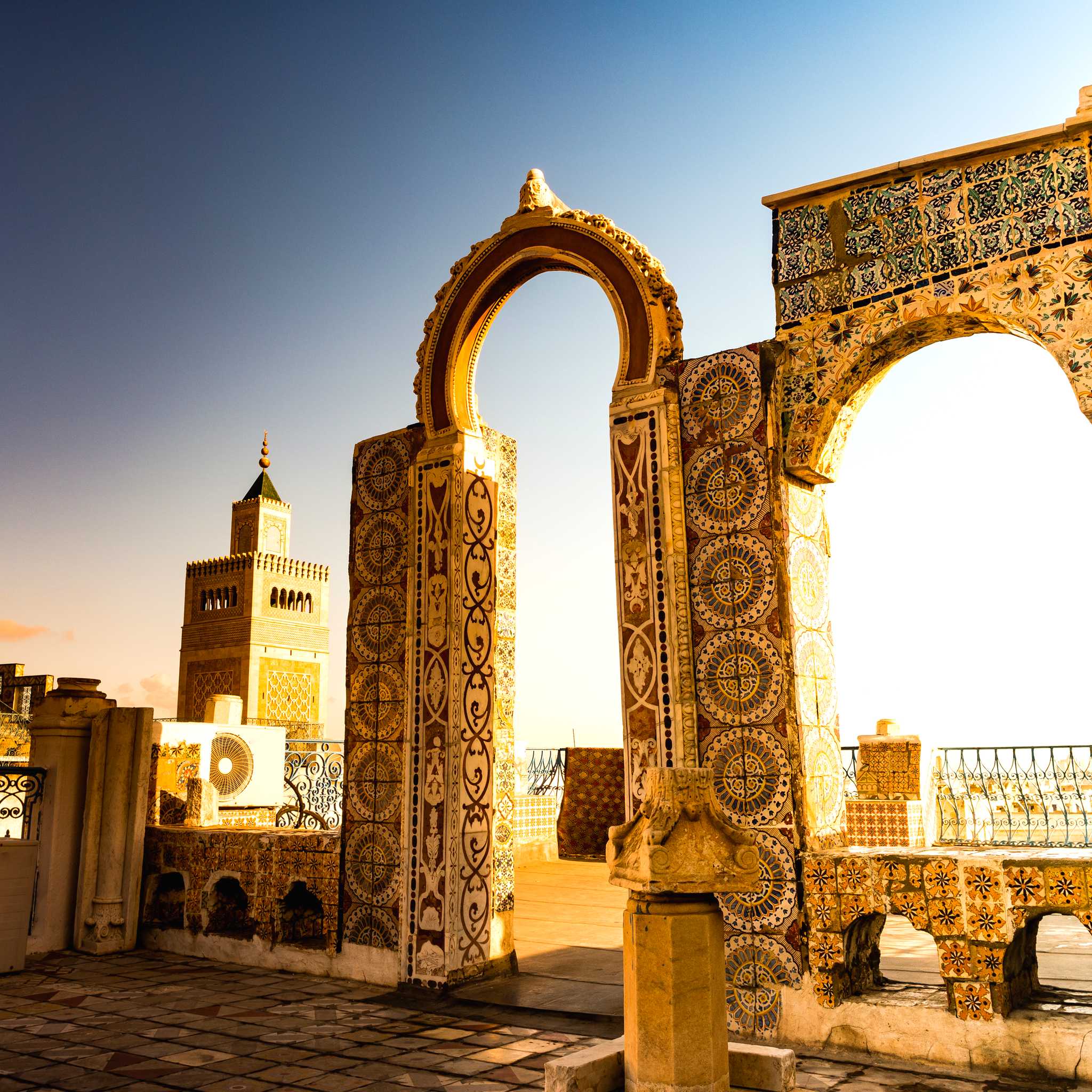
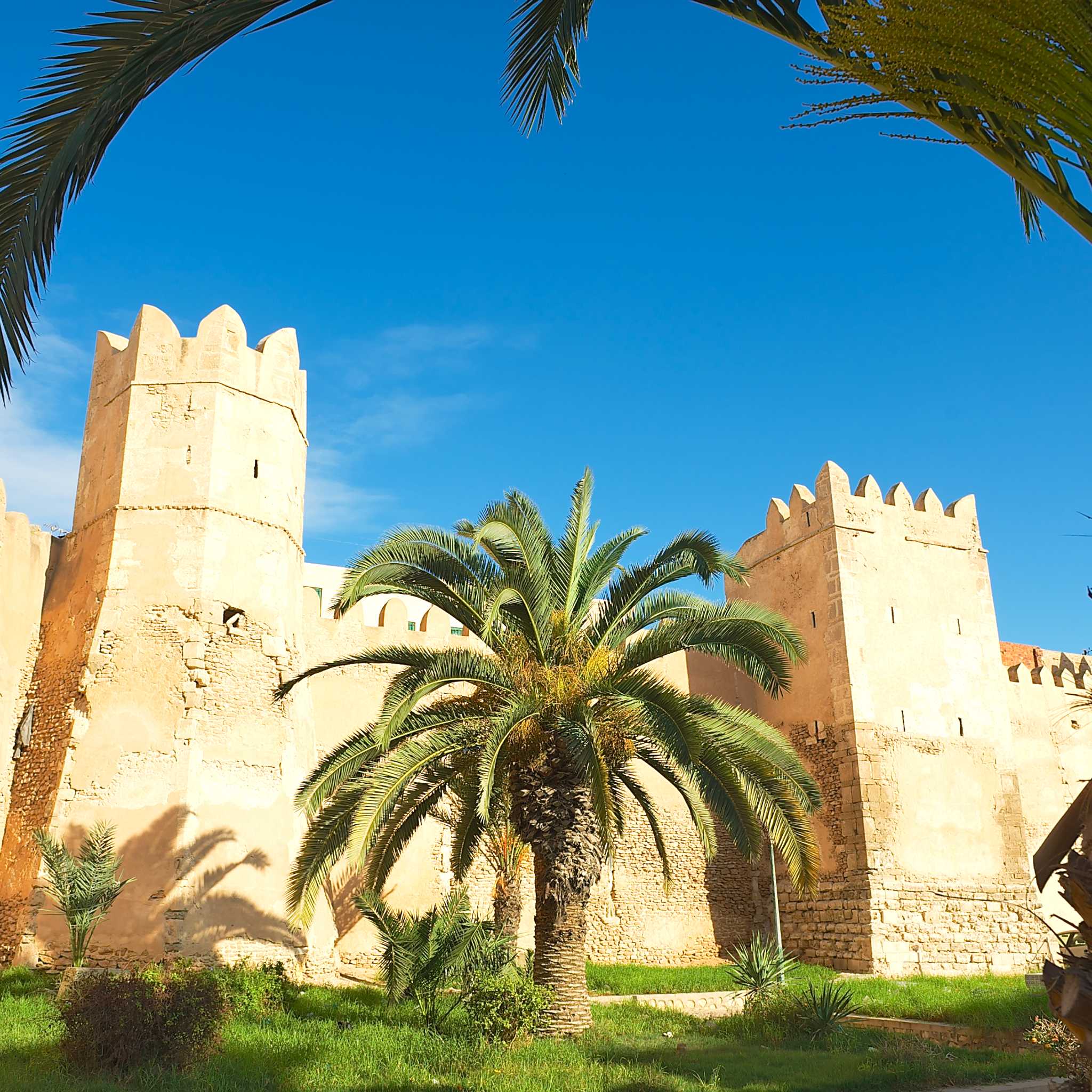
The medina of Sousse is a UNESCO World Heritage Site and a highlight, packed with historic mosques, ancient ramparts, and lively souks. The Ribat (a fortified Islamic monastery) and the Great Mosque are key landmarks within the medina. The Sousse Archaeological Museum houses a large collection of Roman mosaics. Nearby Port El Kantaoui, with its marina and beaches, is also popular among visitors.
Tunisia uses the Tunisian dinar (TND). It is a closed currency, meaning it cannot be obtained or exchanged outside the country, so plan to exchange money upon arrival at banks, hotels, or official bureaux de change. Keep your exchange receipts, as they are required if you want to convert leftover dinars back before departing. Cash is widely used; carry small bills for markets and local vendors.
Arabic is the official language of Tunisia, with Tunisian Arabic (Derja) spoken in everyday life. French is widely used in business, education, and signage, making it very helpful for getting around. English is spoken in many hotels and tourist-facing businesses in Sousse, but is less common in local shops and markets. Learning a few basic Arabic or French phrases will go a long way.
Tunisia is a Muslim country with a generally moderate and welcoming culture. In Sousse's resort areas and on the beach, Western dress is acceptable. However, when visiting the medina, mosques, or more traditional neighborhoods, it is respectful to dress modestly, covering shoulders and knees. Removing shoes before entering mosques is required. Greetings are important in Tunisian culture; a friendly hello goes a long way.
Tunisian cuisine is flavorful and aromatic. In Sousse, look out for brik (a crispy pastry filled with egg, tuna, or meat), couscous with lamb or fish, and Tunisian merguez sausages. Harissa, a fiery chili paste, is served with almost everything. Fresh grilled fish and seafood are excellent along the coast. For a quick snack, try a sandwich from a local kiosk, a popular and inexpensive option.
Spring (March to May) and early autumn (September to October) are the most comfortable times to visit, with warm and pleasant weather ideal for sightseeing and beach days without the peak-summer intensity. Summer is popular and great for swimming, but can be very hot. Winter is mild and quiet, with fewer crowds, making it a good time to explore the medina and cultural sites.