Few places in Europe wear the tension between ancient paganism and early Christianity as visibly as Sozopol does. The city was so devoted to Apollo that early Christians reportedly brought relics of St. John the Baptist here specifically to challenge the god's hold over the population — essentially trying to displace one cult with another. That extraordinary backstory became even more tangible in 2010, when archaeologists excavating a medieval monastery on St. Ivan Island uncovered what Oxford University dating experts later assessed could authentically be relics of St. John the Baptist. The island itself sits just off Sozopol's coast, visible from the old town promenade. This layered religious narrative — Greek gods, early Christian missionaries, Byzantine monasteries — gives the town a depth that goes well beyond its size.
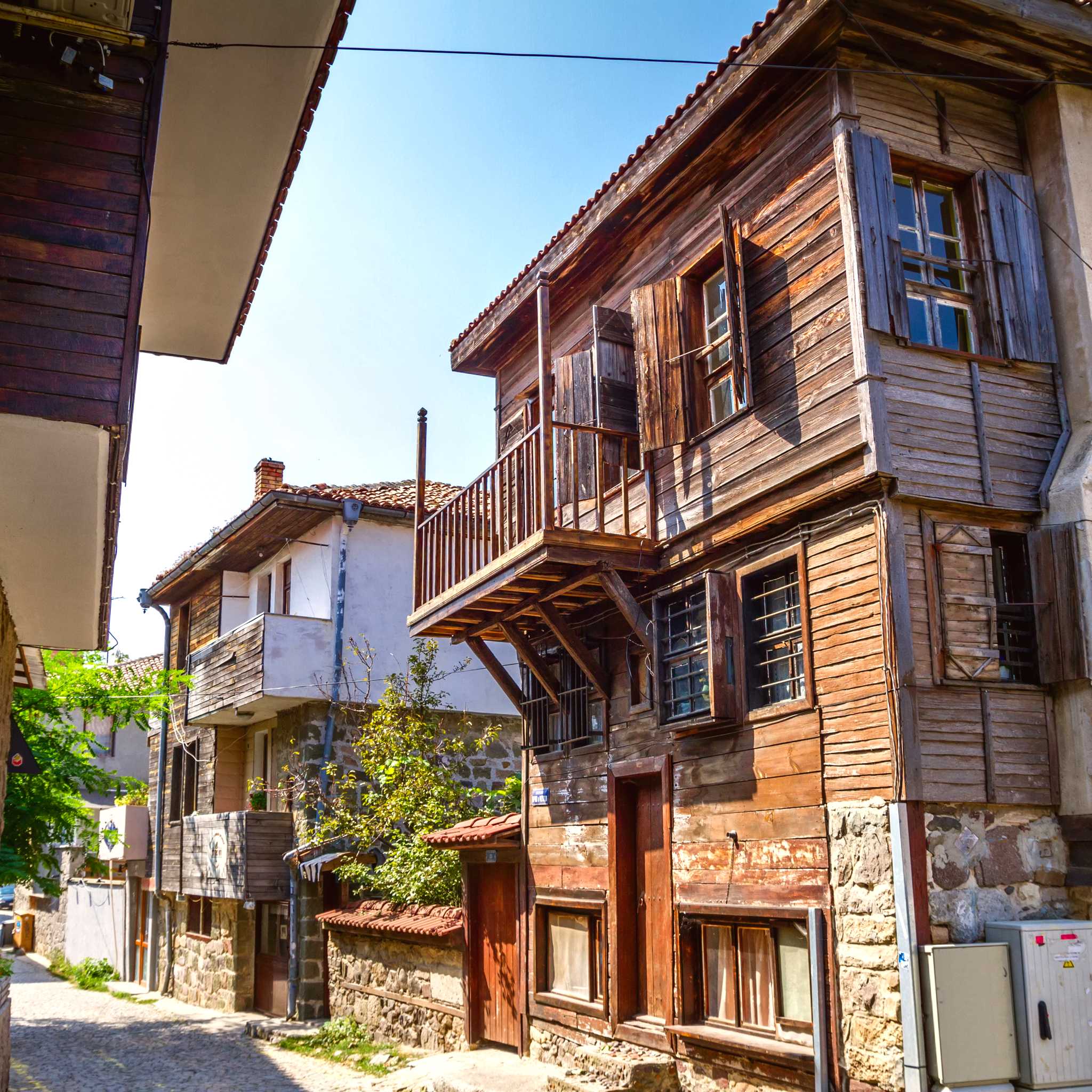
A full day is ideal. The Old Town is compact enough to walk end to end in around 15 minutes, but the appeal is in slowing down — wandering without a fixed route, stopping into the Archaeological Museum, and following the fortress wall promenade out to the sea cliffs. A morning of exploring the old town and afternoon time at one of the two main beaches, Central Beach or Harmani Beach, gives you a natural rhythm for the day. If you arrive early, the lanes are quiet and the light on the wooden houses is at its best.
The town of Nessebar, another UNESCO-listed ancient Black Sea settlement, sits roughly 55 km (34 miles) north of Sozopol and makes for a natural pairing — both towns share Greek colonial origins and a similarly well-preserved old quarter on a peninsula. If your base is Burgas, Nessebar, or anywhere along that stretch of coast, combining both in a single day is a popular and rewarding option. With a private driver, you can structure the stops around your pace rather than fitting into a fixed tour group schedule.
Start in the Old Town peninsula, where the architecture, the fortress walls, and the sea views all compete for your attention. The Archaeological Museum is a genuine highlight — its collection spans prehistoric, Thracian, Greek, Roman, and Bulgarian history, and includes the marble reliquary that once held the relics of St. John the Baptist, discovered on the nearby island of St. Ivan in 2010. The Church of St. Cyril and Methodius, where those relics are now kept, is worth a visit for its own sake. For context on the Apollo cult that once defined this city, the museum's collection from ancient Apollonia — painted Greek pottery, burial artifacts, and inscriptions — tells the story of a city that was once wealthy enough to commission a 13-meter bronze statue of its patron god.
Sozopol is one of the oldest towns on the Bulgarian Black Sea coast, founded in 610 BC as the Greek colony of Apollonia Pontica. That history is everywhere you look. The Old Town sits on a narrow peninsula where roughly 180 traditional wooden houses from the 18th and 19th centuries line cobbled lanes that lead to ancient fortress walls, small Orthodox churches, and sea views in almost every direction. It is the kind of place that feels completely different from the resort towns nearby — quieter, more layered, and genuinely historic. A day here gives you access to over 2,600 years of history without the crowds of larger tourist destinations.
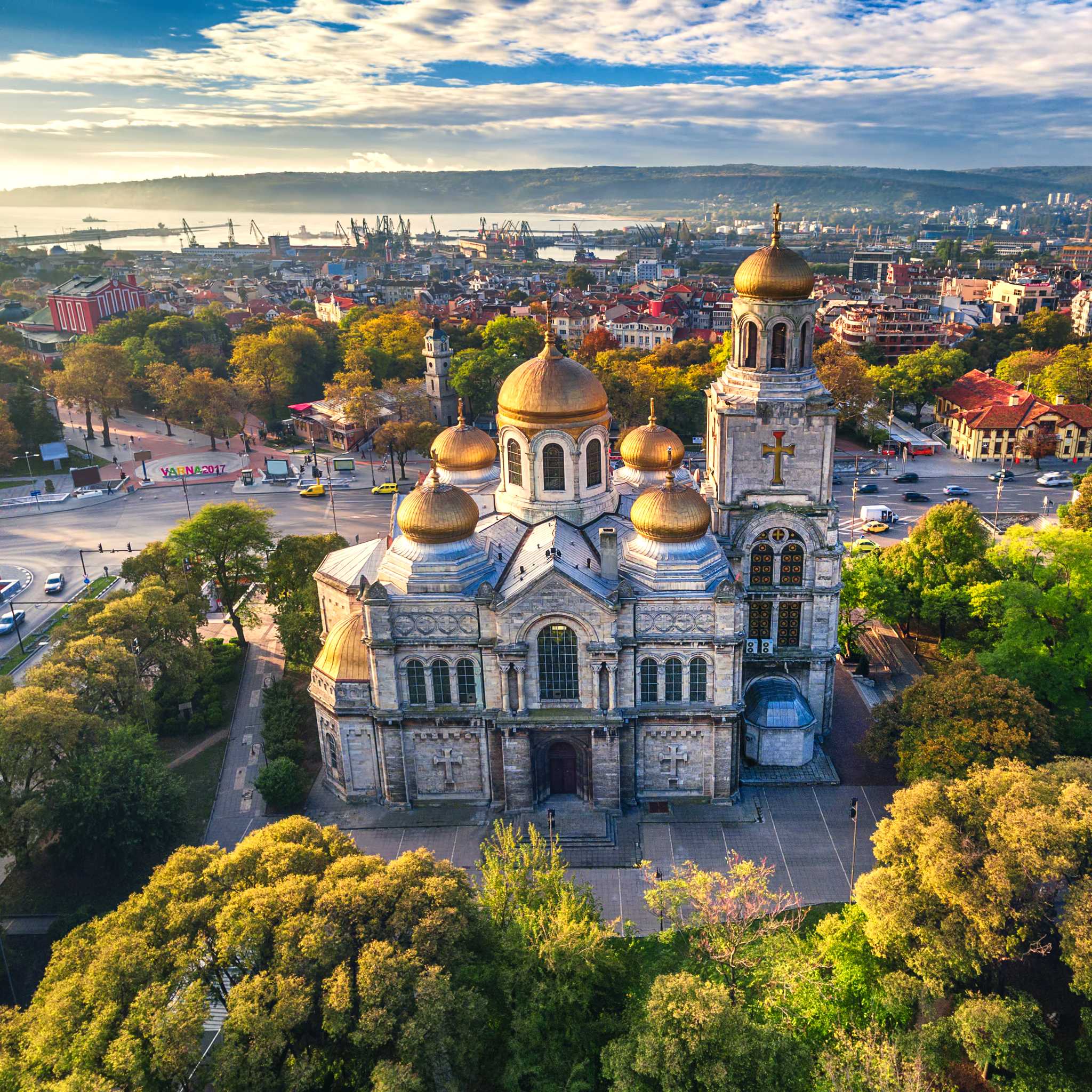
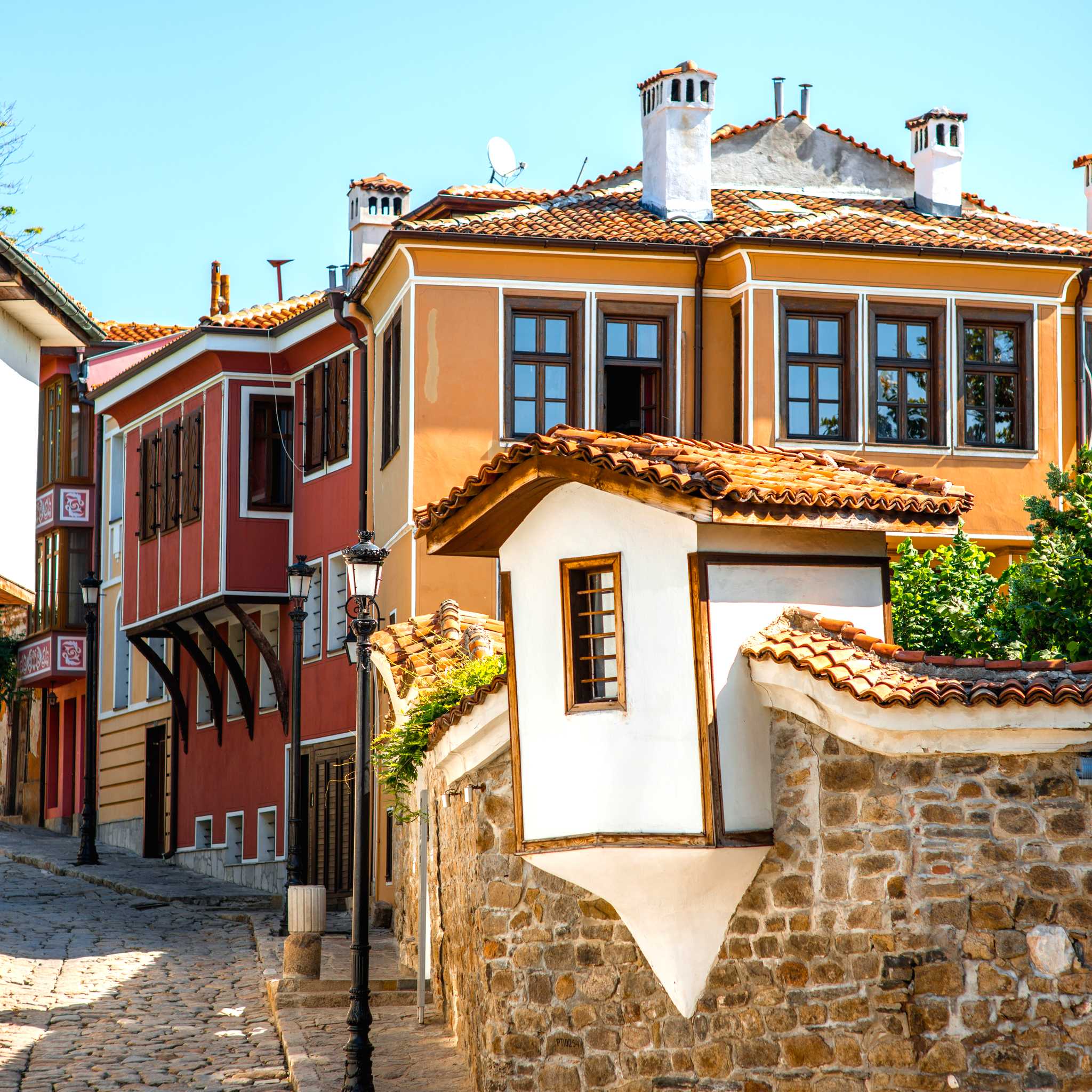
Sozopol sits approximately 35 km (22 miles) south of Burgas, making it an easy and popular day trip from the Burgas area. It is also a natural addition to any itinerary based further up the Black Sea coast near Varna, or inland from Plovdiv. Because Sozopol is on a peninsula with a compact old town and no large-scale infrastructure, having a private driver means you arrive directly at the old town entrance without navigating parking, local transport, or return schedules. You set your own departure time rather than working around a bus timetable.